
Anxiety itself doesn’t usually cause your blood oxygen levels (measured by pulse oximeters as SpO₂) to drop.
In most healthy people, oxygen saturation stays normal (95–100%) even during intense anxiety or panic attacks.
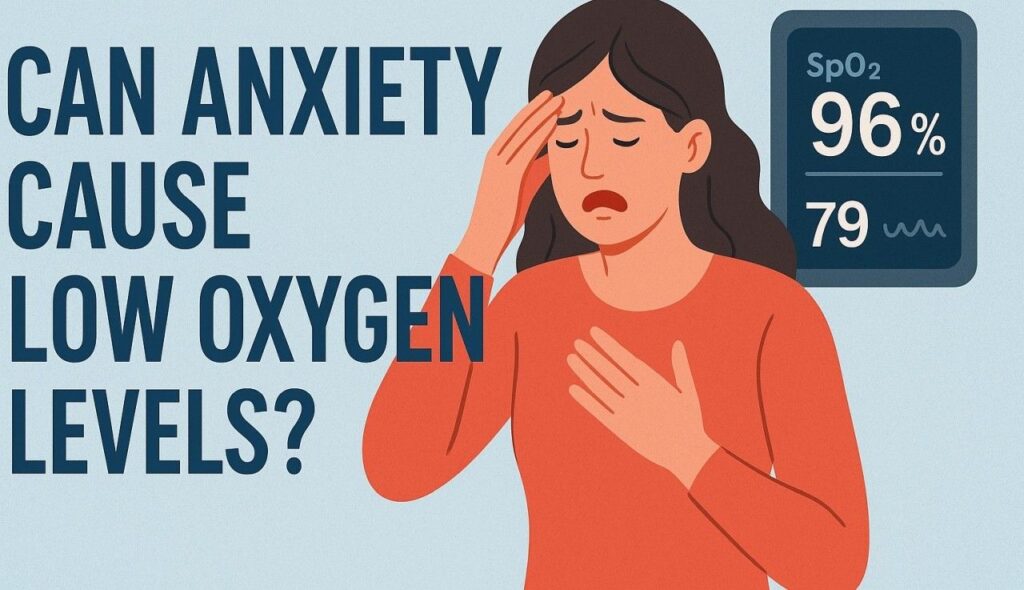
What anxiety can do is make you feel like you can’t get enough air. This happens because:
- Hyperventilation: Anxiety often makes people breathe faster or deeper than needed. This blows off too much carbon dioxide (CO₂), which doesn’t lower oxygen, but it disrupts the CO₂ balance and creates sensations of breathlessness, dizziness, tingling, or chest tightness.
- Chest muscle tension: Tight muscles in the chest and diaphragm can make breathing feel shallow or restricted.
- Heightened awareness: Anxiety makes you more aware of normal breathing sensations, which can feel like “air hunger.”
That said, in people with pre-existing lung, heart, or blood conditions, anxiety could worsen breathing symptoms and indirectly contribute to lower oxygen.
But in otherwise healthy individuals, oxygen levels generally remain normal during anxiety or panic.
If not, what could be the cause?
If someone with anxiety is consistently measuring low oxygen (below 94–95%), it’s worth checking for another underlying condition (like asthma, COPD, sleep apnea, or anemia) rather than assuming anxiety alone is the cause.
Feeling of low oxygen levels
Why low CO₂ from hyperventilation can mimic the feeling of low oxygen even though oxygen is actually normal?
When you hyperventilate during anxiety, you breathe out too much carbon dioxide (CO₂). This causes a chain reaction in your body:
- CO₂ levels drop (hypocapnia).
- CO₂ normally helps regulate the acidity (pH) of your blood.
- When CO₂ falls, blood becomes more alkaline (respiratory alkalosis).
- Blood vessels constrict.
- Low CO₂ makes blood vessels, especially in the brain, narrow.
- This reduces blood flow, causing dizziness, lightheadedness, tingling in fingers/around the mouth, and even blurred vision.
- Hemoglobin holds on to oxygen more tightly.
- This is called the Bohr effect.
- With lower CO₂, hemoglobin doesn’t release oxygen to tissues as easily.
- So even though your blood oxygen level (SpO₂) is normal, your cells and brain feel like they’re not getting enough oxygen.
- The sensation of air hunger.
- The body interprets these chemical changes as “I can’t breathe,” even though oxygen saturation is fine.
- This fuels more anxiety, creating a vicious cycle.
That’s why someone in the middle of a panic attack may swear they’re suffocating — but if you check their oxygen with a pulse oximeter, it’s almost always normal.
Breathing Techniques
Here are some breathing or grounding techniques that can rebalance CO₂ and break this vicious cycle when anxiety strikes.
Perfect — here are a few breathing and grounding techniques that help restore CO₂ balance and stop the “air hunger” feeling from anxiety:
1. Diaphragmatic (Belly) Breathing
- Place one hand on your chest, the other on your belly.
- Inhale slowly through your nose for 4 seconds, letting your belly rise (not your chest).
- Exhale gently through pursed lips for 6–7 seconds.
- Repeat for 1–2 minutes.
👉 This slows breathing, prevents over-breathing, and keeps CO₂ levels steady.
2. Box Breathing (used by Navy SEALs)
- Inhale through the nose for 4 counts.
- Hold for 4 counts.
- Exhale slowly for 4 counts.
- Hold for 4 counts.
👉 The rhythm calms the nervous system and stops hyperventilation.
3. Pursed-Lip Breathing
- Inhale gently through your nose.
- Exhale slowly through pursed lips (like blowing out a candle), about twice as long as your inhale.
👉 Keeps airways open and helps CO₂ rise back to normal.
4. Grounding with 5–4–3–2–1
When anxiety spirals:
- 5 things you can see
- 4 things you can touch
- 3 things you can hear
- 2 things you can smell
- 1 thing you can taste
👉 Shifts focus from your breathing sensations to your surroundings.
5. Gentle Breath Holds (only if healthy)
If safe for you (no heart/lung conditions):
- Take a normal breath in, then exhale gently.
- Hold your breath for 2–3 seconds, then breathe normally.
- Repeat a few times.
👉 This helps CO₂ rise and eases the “I can’t get enough air” feeling.
Pro Tip
Practice these before you’re anxious. The more familiar they feel, the easier they’ll work in the middle of a panic surge.
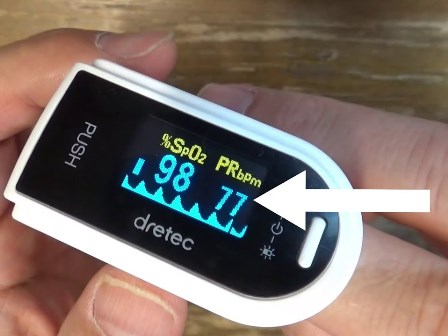
What are the 2 readings on a pulse oximeter?
A finger pulse oximeter measures two things:
-Blood Oxygen Saturation
-Pulse Rate
Normal Oxygen Level while lying down
The evaluation of the oxygen saturation values, in different body positions in healthy individuals, results in:
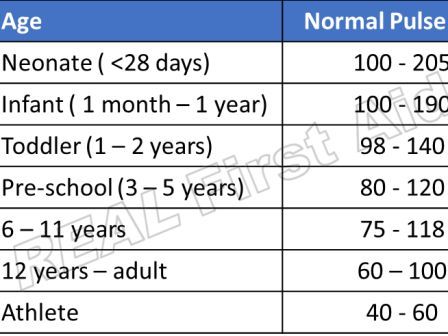
SpO2 normal range by age Chart
This reading chart provides guidance on what oxygen level means and when and how to seek medical help.