Category Archives: pulse oximeter

What is a normal oximeter reading?

  • What are vital signs?
  • What is a normal oximeter reading?

Vital signs are measurements of the body’s basic functions. Normal vital signs change with age, sex, weight, exercise tolerance, and overall health. The four main vital signs that are usually monitored include:

  • Body temperature
  • Pulse rate (heart rate)
  • Rate of breathing (respiration rate)
  • Blood pressure
What is a normal oximeter reading?

Pulse oximeter readings chart

Often called the “fifth” vital sign, pulse oximetry is a non-invasive way to monitor oxygen saturations. Prior to the use of pulse oximeters, the amount of oxygen in the blood could only be measured by drawing blood directly from an artery and analyzing that.

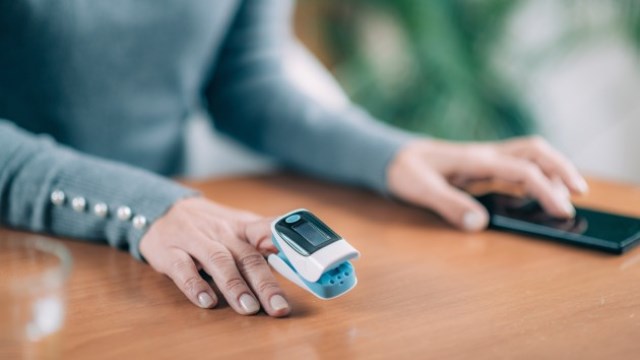
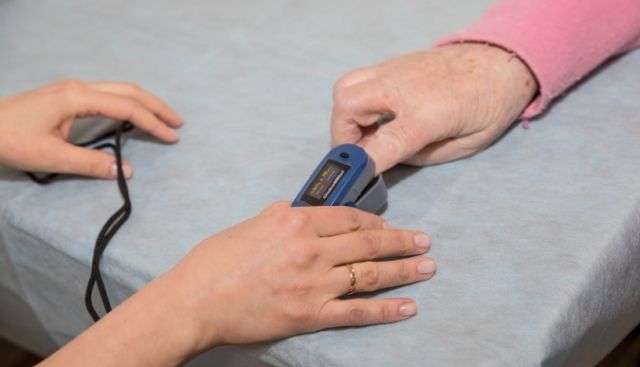
Pulse oximetry is generally done by using a device placed on the end of a finger or on the earlobe. Light of two wavelengths passes through the tissue and the oxygen saturation is measured. The measurement is the percent saturation of oxygen which is being carried by hemoglobin in the blood. Hemoglobin is the oxygen carrying pigment in our red blood cells.

A normal reading is 95% to 99%. Readings below 90% often indicate that someone needs to have supplemental oxygen.

Pulse oximeter oxygen saturation

Pulse oximetry allows a rapid noninvasive estimate of arterial oxygen saturation. Since its development in the 1970s, it has made a significant impact, particularly in the fields intensive care medicine.

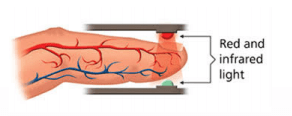
Most modern pulse oximeters determine arterial hemoglobin saturation through the use of two lightemitting diodes in the red (660 nm) and infrared (940 nm) spectrum.

The differential absorption of these two wavelengths of light by oxygenated and deoxygenated hemoglobin during pulsatile blood flow allows for accurate estimation of arterial oxygen saturation under most conditions.

However, pulse oximeters can give erroneous from a variety of causes, including hypoperfusion, nail polish, darker skin pigmentation, venous pulsations, and, perhaps most frequently, motion artifact.

What is a normal oximeter reading?

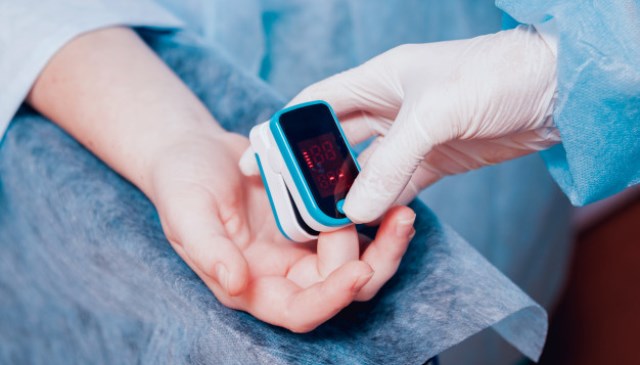
Medical Grade Pulse oximeter

Clinicians must consider these possible causes of error when interpreting pulse oximetry results, especially those that are not consistent with a patient’s clinical status and medical history.

Clinically significant desaturations in an ambulatory setting are uncommon in patients without significant pathologic pulmonary conditions or pulmonary vascular disease.

The potential of erroneous readings must be considered, especially measurements made during exercise.

Pulse oximeter 6 minute walk test

Continuous pulse oximetry is commonly combined with a 6-min walk test (6MWT) in the ambulatory setting when evaluating dyspnea.

Prior American Thoracic Society guidelines for the 6MWT recommend against continuous monitoring of oxygen saturation during a 6MWT3 because of concerns about erroneous readings.

Prior studies have shown significant inaccuracies in this setting, likely due to motion artifact.

In addition, many handheld pulse oximeters available in the office setting do not display oximetry waveforms or alternative evaluations of measurement quality.

This leads to a greater risk of misinterpretation, as a digital readout is assumed to be accurate without a proper understanding of how that measurement is made.

6-minute walk test normal values

However, more recent European Respiratory Society/American Thoracic Society guidelines for field walking tests (including 6MWT) support the use of continuous oximetry because of evidence showing that the lowest saturation does not necessarily occur at the end of the test.

Patients suspected of having desaturations by pulse oximetry during a 6MWT are regularly referred to our facility for formal cardiopulmonary exercise testing.

These evaluations are a source of significant expense, including that of the cardiopulmonary exercise testing itself, as well as risk to the patient from invasive procedures or radiation exposure that may be unnecessary if their pulse oximetry testing results were inaccurate.

Pulse oximeter uses and limitations

Applications for use:

Pulse oximetry is used extensively in medical offices and hospitals. It is also now widely used in the home setting to monitor people with heart and lung problems. Uses include:

  • Monitoring the level of supplemental oxygen needed for someone with COPD, CHF,or other diseases.
  • Monitoring someone who is ill with a respiratory infection.
  • A fall in oxygen can be a warning that the person needs further evaluation immediately.
  • Monitoring oxygen levels during sleep can help diagnose sleep apnea.

Pulse oximeter false readings

There are some limitations of this technology and can result in either falsely low or high oxygen saturation readings:

  • Low blood pressure as blood does not circulate well into the hands.
  • Hypothermia (very low body temperature) as blood vessels will constrict or narrow.
  • Motion such as shivering or seizures can affect readings.
  • Congenital medical conditions of abnormal hemoglobin or severe anemia canaffect readings.
  • Poor sugar control in diabetics has been associated with high oxygen saturation readings due to an increase in oxygen “sticking” to hemoglobin in the blood.
  • Nail polish or artificial nails could affect the reading but the probe can be placed sideways on the finger so that the pulsed light does not go through the nails. Dark skin pigmentation can also affect readings.
  • Intense daylight, fluorescent light and other intense light can cause falsely lowreadings.

More on this story

Pulse Oximeters: Answering Your Frequently Asked Questions

What are the 2 readings on a pulse oximeter?

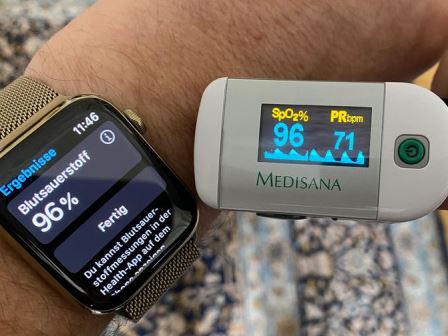
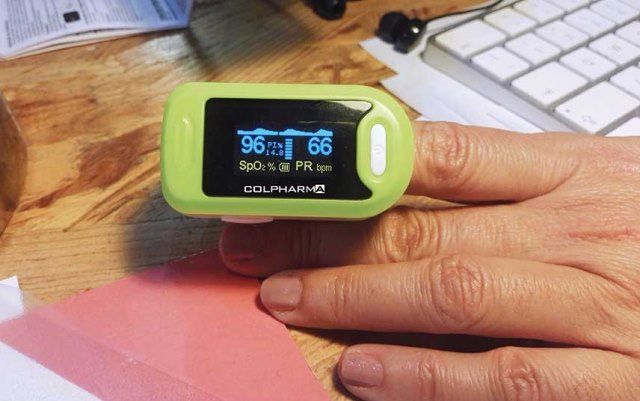
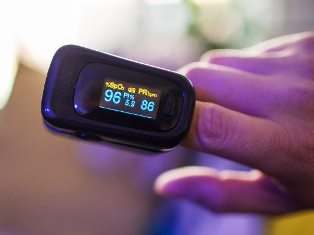
A finger pulse oximeter measures two things:
-Blood Oxygen Saturation
-Pulse Rate

Normal pulse rate in Oximeter

A normal resting heart rate for adults ranges from 70 to 99 beats per minute. Generally, a lower heart rate at rest implies more efficient heart function and better cardiovascular fitness.

FDA approved pulse oximeter

Pulse oximetry is a test used to measure the oxygen level (oxygen saturation) of the blood. It is an easy, painless measure of how well oxygen is being sent to parts of your body furthest from your heart, such as the arms and legs.

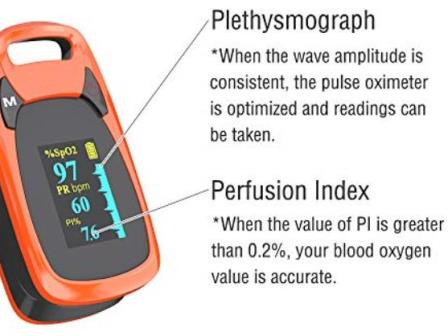
How to increase perfusion index?

First, you have to understand the perfusion index and the Spo2 values (Plethysmograph).

Is it Normal for Oxygen Levels to Fluctuate?

Normal oxygen levels can fluctuate based on several factors, such as chronic illnesses, high altitudes, or respiratory illnesses.

Pulse oximeter normal reading

Pulse oximeters measure blood oxygen saturation noninvasively and continuously.

Pulse oximeter oxygen levels – pulse oximeter normal reading:

The body’s need for oxygen is certain. Its availability at a tissue level is sometimes in doubt. Blood gas measurements provide critical information regarding oxygenation, ventilation, and acid-base status.

However, these measurements only provide a snapshot of the patient’s condition taken at the time that the blood sample was drawn. It is well known that oxygenation can change very quickly. In the absence of continuous oxygenation monitoring, these changes may go undetected until it is too late.

Pulse oximeter normal reading

What is spo2 pulse oximeter?

What is SpO2?

A blood-oxygen saturation reading indicates the percentage of hemoglobin molecules in the arterial blood which are saturated with oxygen.

  • The reading may be referred to as SaO2.
  • Readings vary from 0 to 100%.
  • Normal readings in a healthy adult, however, range from 94% to 100%.

The term SpO2 means the SaO2 measurement determined by pulse oximetry.

pulse oximeter normal reading

How does pulse oximetry work?

Within the Sp02 sensor, light-emitting diodes shine red and infrared light through the tissue. Most sensors work on extremities such as a finger, toe, or ear.

The blood, tissue, and bone at the application site absorb much of the light. However, some light passes through the extremity. A light-sensitive detector opposite the light source receives it.

Spo2 sensor how does it work?

SpO2 Sensors

Most sensors work on extremities such as a finger, toe, or ear. The sensor measures the amount of red and infrared light received by the detector and calculates the amount absorbed. Much of it is absorbed by tissue, bone, and venous blood, but these amounts do not change dramatically over short periods of time.

The amount of arterial blood does change over short periods of time due to pulsation (although there is some constant level of arterial blood). Because the arterial blood is usually the only light-absorbing component which is changing over short periods of time, it can be isolated from the other components.

How to calculate spo2 from heart rate?

The amount of light received by the detector indicates the amount of oxygen bound to the hemoglobin in the blood. Oxygenated hemoglobin (oxyhemoglobin or HbO2) absorbs more infrared light than red light. Deoxygenated hemoglobin (Hb) absorbs more red light than infrared light. By comparing the amounts of red and infrared light received, the instrument can calculate the SpO2 reading.

How is spo2 detected by pulse oximeter?

Using pulse oximetry is fairly simple. Many questions may be answered by referring to your instrument’s Instructions for Use.

Choosing a Sensor

There are some general guidelines for choosing the right sensor. The ideal application site has good perfusion, does not generate movement artifact, is comfortable for the patient, and allows easy application.

The size of the application site determines what size sensor to use. The age of the patient is not a factor.

How Do I Use SpO2?

If a sensor is too big or too small, the light-emitting diode and the light detector may not line up. This could cause a false reading or an alarm.

If a finger sensor is too large, it may slip partway off so that the light source partly covers the finger. This condition, called an optical bypass, causes incorrect readings.

If a finger is inserted too far into the sensor it may be squeezed by the sensor, which causes venous pulsation. The pulse oximeter recognizes arterial blood only by its pulsing motion, so in this case, it also measures venous blood. This causes readings that are falsely low.

Since motion between the sensor and the application site may cause movement artifacts, adhesive sensors may be better than non-adhesive sensors.

Neonates tend to have movement artifacts in their fingers, so choose a toe or foot sensor.

Do not apply the sensor too tightly in an attempt to reduce movement artifacts.

Not only does this not reduce movement artifacts, but it may also lead to venous pulsation and necrosis

Check all sensors regularly and move them if necessary. Refer to the sensor documentation for recommended times for checking and replacing the sensor.

If the patient’s skin cannot breathe or is subjected to sustained pressure, he or she may suffer from skin necrosis, particularly if the patient has poor microcirculation.

pulse oximeter normal reading

Pulse oximeter spo2 uses

Using SpO2

Because pulse oximetry provides continuous monitoring and is noninvasive, it may be useful in several clinical situations.

Surgery and Post Anesthetic Care Units

Since pulse oximetry provides a means of continuously assessing the oxygenation of the patient, many require it. If ventilation fails, an alarm sounds.

Additionally, SpO2 is noninvasive so it is safer and more pleasant for the patient than invasive methods of oxygen analysis.

Neonatal Care and NICU

Blood-oxygen saturation levels taken immediately after birth, preferably on the right hand, (within five minutes) are a good guide to the neonate’s general state of health. Levels below 75% may indicate abnormalities. Together with Apgar scores, blood-oxygen saturation readings are very useful. Both too little or too much oxygen is dangerous for the neonate, particularly for the premature neonate.

Oxygen partial pressure (PaO2) is most critical for the neonate. Although blood-oxygen saturation and PaO2 are related, there are too many other factors involved to convert easily between the two measurements.

Emergency Care

In emergent care situations, both in and out of the hospital, patients may need ECG monitoring, SpO2 monitoring, pacing, and defibrillation at a moment’s notice.

Noninvasive Transcutaneous Pacing

Pulse oximetry, as integrated into Philips’ defibrillator/monitors, provides a tool to help determine whether pacing is effective. You can use the SpO2 measurements in addition to the patient’s ECG signal as shown on the monitor to verify that mechanical capture has been achieved.

When the patient is being successfully paced, the pulse rate derived from the pulse oximeter, the ECG heart rate derived from the ECG monitor and the pacing rate should all be about the same. In addition, there should be signs of improved cardiac output.

Recorded strips provide a printed record of SpO2 measurements and SpO2 alarm violations during pacing.

What are conditions that can give a false pulse oximetry reading?

Pulse oximetry is a very useful technology, but there are situations where you must be careful in applying it. Keep the following in mind when you use a pulse oximeter.

Considerations When Using Pulse Oximetry

Blood oxygen saturation is a measure of the amount of oxygen carried by the hemoglobin in the bloodstream. It is usually expressed as a percentage rather than an absolute reading. Pulse oximeters define this percentage in a different way than other instruments. These subtle, but important differences, are described in the following section.

how does hemoglobin affect oxygen saturation?

Effects of Non-functional Hemoglobin on Oxygen Saturation Measurements

In order to judge a patient’s condition, ideally, you would like to have blood oxygen saturation expressed as a percentage of the total hemoglobin that is saturated with oxygen. Under many circumstances, that is the reading you get from pulse oximeters. However, if the patient has a large amount of nonfunctional hemoglobin, the reading is not accurate.

Can a pulse oximeter detect anemia?

Damage to red blood cells may cause anemia, a lack of red blood cells, and thus hemoglobin in the blood. An anemic patient may not have enough functioning hemoglobin in the blood to oxygenate the tissues. The small amount of functioning hemoglobin in the blood may be well saturated with oxygen, so the patient may have a normal SpO2 reading, but the patient may not have enough oxygen going to the tissues.

More on this story

Pulse Oximeters: Answering Your Frequently Asked Questions
What is a normal Pulse Oximeter reading?

What are normal levels, and when should I worry?

Normal oxygen saturation by age

Human beings depend on oxygen for life. All organs require oxygen for metabolism but the brain and heart are particularly sensitive to a lack of oxygen.

What is a good pulse oximeter reading?

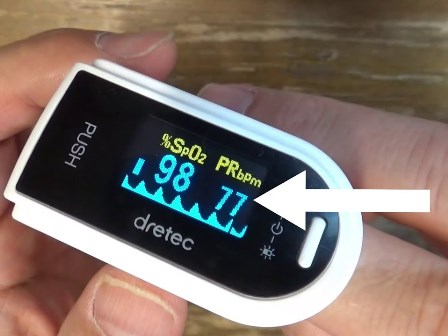
If you’re using a pulse oximeter to measure your blood oxygen level, a normal reading is an Sp02 level that’s between 95 and 100 percent.

What is a good Pulse Oximeter Reading?

If you’re using a pulse oximeter to measure your blood oxygen level, a normal reading is an Sp02 level that’s between 95 and 100 percent. However, this may vary for people with certain medical conditions, such as lung disease.

Speak with your doctor to determine what ‘normal’ is for you and keep in mind that while these at-home devices are handy and non-invasive, they are not always 100% accurate.

If your Sp02 is below 95% you should consult with your health care provider.

Pulse oximeter reading meaning

One of the most isolating and scary aspects of the pandemic is that people who have or suspect they do are often told to monitor their symptoms at home and to go to the hospital only if they need immediate medical help, particularly if they have shortness of breath.

But would you recognize emergency-level shortness of breath if you experienced it?

Based on the recent uptick in online sales of pulse oximeters—devices you typically place on your fingertip to measure the amount of oxygen in your blood—many people are looking for help to assess their breathing and make sure they are getting enough oxygen.

But some people ordering these devices from Amazon or other retailers have reported long delays.

These devices, which usually cost $20 to $80, use small beams of light that pass through your finger to measure how much oxygen your blood is carrying (also known as your blood saturation level), and your pulse (or heart rate).

Blood oxygen level chart

Pulse oximeters may be useful because blood oxygen saturation levels that start trending downward could be a sign that your lungs are faltering and that you need to call your doctor.

When you breathe in air, tiny capillaries in your lungs absorb the oxygen, allowing it to enter your bloodstream. Red blood cells then carry that oxygen to tissue throughout your body, including your brain and other vital organs. A low oxygen level in your blood could lead to low oxygen in your tissues, and, ultimately, organ failure.

More on this story

Pulse Oximeters: Answering Your Frequently Asked Questions

What are the 2 readings on a pulse oximeter?

A finger pulse oximeter measures two things:
-Blood Oxygen Saturation
-Pulse Rate
Normal pulse rate in Oximeter

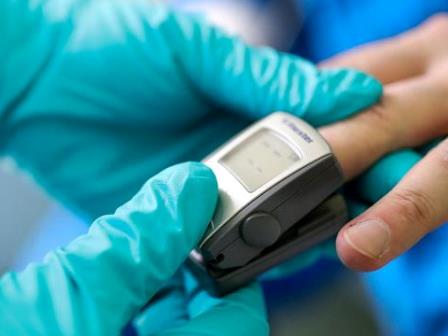
A normal resting heart rate for adults ranges from 70 to 99 beats per minute. Generally, a lower heart rate at rest implies more efficient heart function and better cardiovascular fitness.

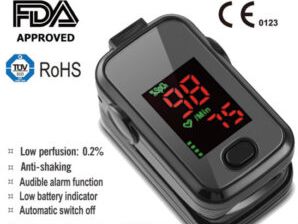
How to use Pulse Oximeter?

Do you own an oximeter? … If so,
Do you know how and when to use it? … It could save your life. Many of those who become ill experience a sudden drop in blood oxygen levels a day or two before their lungs fail.

Pulse Oximeters

  • What is the best pulse oximeter?
  • What is a normal oxygen saturation level?
  • Are any oximeters made in the USA?
  • Pulse oximeters FDA approved and more…

What is the most accurate pulse oximeter?

Like infrared thermometers, and face masks before them, pulse oximeters, have become the latest product propelled to sold-out status during the pandemic.

Pulse oximeters are an unlikely home health essential.

The device checks vital statistics like blood oxygen levels, heart rate, and blood pressure, and while these numbers may not mean much to the general public, they help medical professionals gain a better understanding of your overall health, especially during this pandemic.

What is the most accurate pulse oximeter?

Medical grade pulse oximeter

“A pulse oximeter is a medical device that measures the oxygen content in the blood”

“It’s an indicator of how much oxygen from the air we’re breathing into our lungs gets into the blood.”

Already essential for those with asthma or other lung diseases, a pulse oximeter is an affordable investment that could give you peace of mind during the pandemic.

It’s not only easy to use, but it gives valuable insight into your health that could be helpful to medical professionals.

The normal range of oxygen saturation is 95 to 100 percent. They are generally prescribed for home use in patients with pre-existing lung conditions or those who require supplemental oxygen.

Because infection-related pneumonia can cause low oxygen levels, it’s not surprising that finding a pulse oximeter available online or at your local pharmacy is almost impossible.

Benefits of pulse oximeter

  • Portability – Finger pulse oximeters only weigh a couple of ounces. They are so small they can fit in your shirt pocket.
  • Compact Pulse Oximetry – Finger pulse oximeters display SpO2 (Oxygen Saturation %) and heart rate in beats per minute.
  • Pediatric to Adult – Finger pulse oximeters can work on pediatric to adult patients. finger oximeters have the best patient range. If the user’s finger is thicker than a pencil then the finger oximeter will be able to get a reading.
  • Durable with Warranty: All finger pulse oximeters have at least a two-year warranty and have service centers in the United States.
  • Fast Readings – Finger pulse oximeters provide accurate readings within seconds making it the perfect device for spot checks.
  • Wireless Bluetooth – Fingertip oximeters with Bluetooth can connect to an iPhone/IOS or Android device and send readings for review.
  • Medical Grade: pulse oximeters are used in hospitals and clinical settings throughout the world. They use the same hospital-grade technology in their line of finger oximeters.

Pulse oximetry readings can be affected by

Pulse oximeter alarm limits

No Alarms: Since finger pulse oximeters are primarily used for spot checks (quick readings) and not for extended continuous readings there are no alarm options for finger pulse oximeters. We recommend handheld or tabletop oximeters with alarms if the alarm option is required.

Pulse oximeter memory

Memory – Most finger pulse oximeters do not have memory, but they have the ability to “stream” readings to an app via a Bluetooth connection to a smartphone or tablet.

Pulse oximeter for babies

Infants / Neonates: Finger oximeters will not work on infants and neonates. Handheld and tabletop oximeters with a properly sized sensor are still the best way to take oxygen and heart rate readings from infants and neonates.

The pulse oximeter can work on pediatric toes or fingers as long as the size is the thickness of a number 2 pencil or larger. No other finger oximeter can work on digits that small.

What is the most accurate pulse oximeter?

Many low-cost pulse oximeters sold to consumers demonstrate highly inaccurate readings. But, the accuracy of some low-cost pulse oximeters tested performed similarly to more expensive, ISO-cleared units when measuring hypoxia in healthy subjects.

More on this story

Pulse Oximeters: Answering Your Frequently Asked Questions

Pulse Oximeter accuracy comparison

Pulse oximetry is so widely prevalent in medical care that it is often regarded as a fifth vital sign. It is important to understand how the technology functions as well as its limitations because erroneous readings can lead to unnecessary testing.

Which finger is best for pulse oximeter?

As per the studies, your right hand’s middle finger shows the best results. Make sure to take off any nail polish and avoid using cold fingers as the readings may not show correctly.

Fingertip Pulse Oximeters

  • What is the best pulse oximeter?
  • What is a normal oxygen saturation level?
  • Are any oximeters made in the USA?
  • Pulse oximeters FDA approved and more…

What does a pulse oximeter measure and how does it work?

A pulse oximeter consists of the monitor containing the batteries and display, and the probe that senses the pulse.

The monitor contains the microprocessor and display. The display shows the oxygen saturation, the pulse rate and the waveform detected by the sensor. The monitor is connected to the patient via the probe.

What does a pulse oximeter measure?

What does a pulse oximeter measure and how does it work?

What are the 2 readings on a pulse oximeter?

There are two numerical values obtained from the pulse oximeter monitor:

  • The oxygen saturation of hemoglobin in arterial blood. The value of the oxygen saturation is given together with an audible signal that varies in pitch depending on the oxygen saturation.
    A falling pitch indicates falling oxygen saturation.
    Since the oximeter detects the saturation peripherally on a finger, toe, or ear, the result is recorded as the peripheral oxygen saturation, described as SpO2.
  • The pulse rate in beats per minute averaged over 5 to 20 seconds.
    Some oximeters display a pulse waveform or indicator that illustrates the strength of the pulse is detected.
    This display indicates how well the tissues are perfused. The signal strength falls if the circulation becomes inadequate.
What does a pulse oximeter measure and how does it work?

How does it work pulse oximeter?

During use, the monitor updates its calculations regularly to give an immediate reading of oxygen saturation and pulse rate.

The pulse indicator is continuously displayed to give information about the circulation.

The audible beep changes pitch with the value of oxygen saturation and is an important safety feature. The pitch drops as the saturation falls and rises as it recovers.

This allows you to hear changes in the oxygen saturation immediately, without having to look at the monitor all the time.

The monitor is delicate. It is sensitive to rough handling and excessive heat and can be damaged by spilling fluids on it.

The monitor can be cleaned by gently wiping with a damp cloth. When not in use, it should be connected to an electrical supply to ensure that the battery is fully charged.

Pulse oximeter probe types

The oximeter probe consists of two parts, the light emitting diodes (LEDs) and a light detector (called a photo-detector).

Beams of light are shone through the tissues from one side of the probe to the other. The blood and tissues absorb some of the light emitted by the probe.

The light absorbed by the blood varies with the oxygen saturation of haemoglobin. The photo-detector detects the light transmitted as the blood pulses through the tissues and the microprocessor calculates a value for the oxygen saturation (SpO2).

In order for the pulse oximeter to function, the probe must be placed where a pulse can be detected.

The LEDs must face the light detector in order to detect the light as it passes through the tissues.

The probe emits a red light when the machine is switched on; check that you can see this light to make sure the probe is working properly.

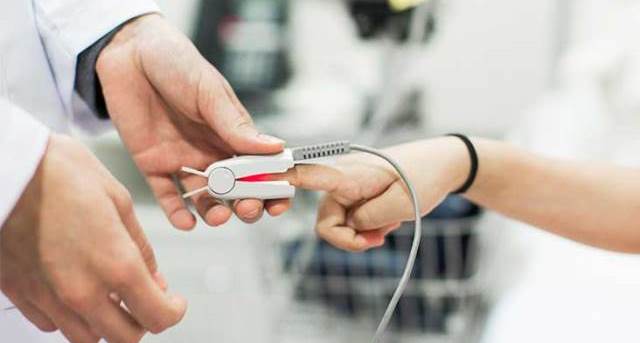
Probes are designed for use on the finger, toe or earlobe. They are of different types. Hinged probes are the most popular, but are easily damaged. Rubber probes are the most robust. The wraparound design may constrict the blood flow through the finger if put on too tightly.

Types of pulse oximeter

Ear probes are lightweight and are useful in children or if the patient is very vasoconstricted. Small probes have been designed for children but an adult hinged probe may be used on the thumb or big toe of a child. For finger or toe probes, the manufacturer marks the correct orientation of the nail bed on the probe.

The oximeter probe is the most delicate part of a pulse oximeter and is easily damaged. Handle the probe carefully and never leave it in a place where it could be dropped on the floor.

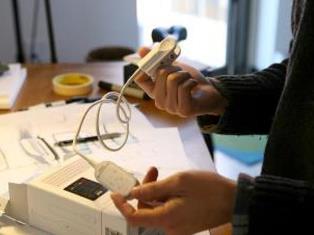
The probe connects to the oximeter using a connector with a series of very fine pins that can be easily damaged-see diagram. Always align the connector correctly before attempting to insert it into the monitor.

Never pull the probe from the machine by pulling on the cable; always grasp the connector firmly between finger and thumb.

When not in use, the oximeter probe cable may be loosely coiled for storage or carrying, but should not be coiled too tightly as this will damage the wires inside the cable. The lens and detector should be kept clean. Use soapy water or an alcohol soaked swab to gently clean dust, dirt or blood from the probe.

How to use pulse oximeter correctly?

  • Turn the pulse oximeter on it will go through internal calibration and checks.
  • Select the appropriate probe with particular attention to correct sizing and where it will go (usually a finger, toe, or ear). If used on a finger or toe, make sure the area is clean. Remove any nail varnish.
  • Connect the probe to the pulse oximeter.
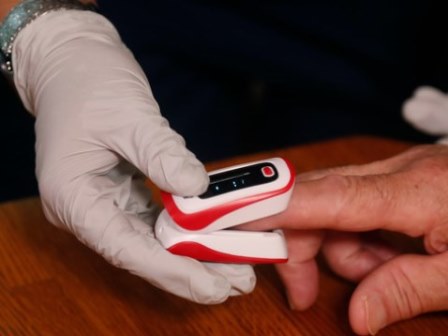
  • Position the probe carefully; make sure it fits easily without being too loose or too tight.
  • If possible, avoid the arm being used for blood pressure monitoring as cuff inflation will interrupt the pulse oximeter signal.
  • Allow several seconds for the pulse oximeter to detect the pulse and calculate the oxygen saturation.
  • Look for the displayed pulse indicator that shows that the machine has detected a pulse. Without a pulse signal, any readings are meaningless.
  • Once the unit has detected a good pulse, the oxygen saturation and pulse rate will be displayed.
  • Like all machines, oximeters may occasionally give a false reading-if in doubt, rely on your clinical judgement, rather than the machine.
  • The function of the oximeter probe can be checked by placing it on your own finger.
  • Adjust the volume of the audible pulse beep to a comfortable level for your theatre-never use on silent.

A medical use pulse oximeter

• Always make sure the alarms are on.

If no signal is obtained on the oximeter after the probe has been placed on a finger, check the following:

  • Is the probe working and correctly positioned? Try another location.
  • Does the patient has poor perfusion?
    1. o Check for low cardiac output especially due to hypovolemia, cardiac problems or septic shock. If hypotension is present, the resuscitation of the patient is required immediately. The signal will improve when the clinical condition of the patient improves.
    2. o Check the temperature of the patient. If the patient or the limb is cold, gentle rubbing of the digit or earlobe may restore a signal.

Tip: If you are uncertain that the probe is working properly, check it by testing it on your own finger.

What do the alarms on a pulse oximeter mean?

What do the alarms on a pulse oximeter tell you?

  • Alarms alert the anaesthetist to clinical problems. The alarms are as follows:
    • Low saturation emergency (hypoxia) i.e. SpO2 <90
    • No pulse detected
    • Low pulse rate
    • High pulse rate

Low saturation alarm. The oxygen saturation in healthy patients of any age should be 95% or above. During anaesthesia, the SpO2 should be 95% or above. If SpO2 is 94% or below, the patient must be assessed quickly to identify and treat the cause.

Pulse rate alarms

Pulse rate alarms are useful to let the anaesthetist know that the heart is beating too fast or too slow.

However, alert anaesthetists will have already noticed the abnormal heart rate before the alarms sound.

Children normally have higher heart rates than adults, but the same oxygen saturation-see table below.

AgeNormal Heart RateNormal oxygen saturation (SpO2)
Newborn – 2 years100 – 180SpO2 of 95% or above
2-10 years60 – 140SpO2 of 95% or above
10 years -adult50 – 100SpO2 of 95% or above

More on this story

Pulse Oximeters: Answering Your Frequently Asked Questions

What are the 2 readings on a pulse oximeter?

A finger pulse oximeter measures two things:
-Blood Oxygen Saturation
-Pulse Rate

Which finger is best for pulse oximeter?

As per the studies, your right hand’s middle finger shows the best results. Make sure to take off any nail polish and avoid using cold fingers as the readings may not show correctly.

What is a Pulse Oximeter?

A pulse oximeter is a painless and reliable way for doctors to measure a person’s blood oxygen levels.

Pulse Oximeters

  • What is the best pulse oximeter?
  • What is a normal oxygen saturation level?
  • Are any oximeters made in the USA?
  • Pulse oximeters FDA approved and more…

Pulse oximeter how to read?

Pulse oximetry is a way to measure the amount of oxygen carried by the blood. By using a small device called a pulse oximeter, the level of oxygen in the blood can be monitored without the need to prick with a needle.

The level of oxygen in the blood measured with an oximeter is called the oxygen saturation level. This is a percentage of the amount of oxygen your blood carries compared to the maximum it is capable of carrying.

Normally, more than 89% of your red blood must carry oxygen.

Pulse oximeter how to read?

What are normal blood oxygen levels?

Why is it important to have my blood oxygen level checked?

If you have lung disease, your blood oxygen level may be lower than normal. This is important to know because when your oxygen level is low, your body’s cells can have a hard time working properly.

Oxygen is the “gas” that makes your body “work,” and if you have little “gas,” your body is not working properly.

Having a very low blood oxygen level can also put pressure on your heart and brain.

Most people need an oxygen saturation level of at least 89% to keep their cells healthy. Having an oxygen level lower than this for a short period of time is not believed to cause harm.

However, your cells can be strained or damaged if low oxygen levels occur many times. If your oxygen level is low in the room air, you may be asked to use supplemental (extra) oxygen.

The oximeter can be used to help see how much oxygen you need and when you may need it.

For example, some people need more oxygen when they are asleep than when they are awake. Some need more oxygen with activity than when they are at rest.

Pulse oximeter how to read?

How does a home pulse oximeter work?

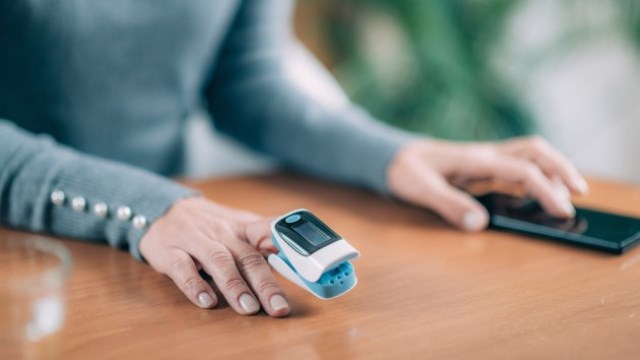
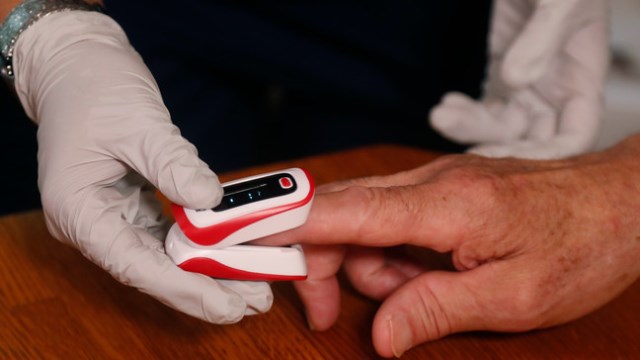
A pulse oximeter comes as a small unit with an integrated finger and toe clip, or as a small handheld device that has a wire probe that can be attached or applied to your finger, toe, or earlobe.

The small unit is less expensive and more practical for home use.

Light rays from the device pass through the blood in your finger (ear or foot lobe) to measure its oxygen.

You will not feel this happening. Light rays are “read” to calculate the percentage of your blood that carries oxygen. It also provides a reading of your heart rate (pulse).

To make sure the oximeter is giving you a good reading, count your pulse for one minute and compare the number you get to the pulse number on the oximeter. If they are the same, you are getting a good signal.

Pulse oximeter how to read?

Oxygen level chart for adults

Most people do not need a pulse oximeter. Some people have prescribed a pulse oximeter if they have or could have periods of low oxygen; for example, when you exercise or are traveling at high altitudes.

Having a pulse oximeter in these cases will allow you to monitor your blood oxygen level and know when you need to increase your supplemental oxygen flow rate.

Ask your designated healthcare worker what oxygen saturation number they want you to maintain.

Pulse oximeters are available online or by prescription from your local pharmacy or medical supply company. In some cases, your insurance company will cover the cost of a pulse oximeter.

Pulse oximetry vs arterial blood gas

What is the difference between the oxygen information provided by an oximeter and an arterial blood gas?

An oximeter indirectly measures the amount of oxygen carried by the blood.

An arterial blood gas directly measures both the amount of oxygen carried by the blood and the actual amount of gases (oxygen and carbon dioxide) in the blood.

To obtain an arterial blood gas, blood is drawn directly from the artery and can be painful. Oximetry is painless but not as accurate as an arterial blood gas. Also, a pulse oximeter does not measure your carbon dioxide level.

Pulse oximetry accuracy range

How accurate are pulse oximeters?

The oxygen level of a pulse oximeter is reasonably accurate.

Most oximeters give a reading 2% above or 2% below what your saturation would be if it were obtained by arterial blood gas.

For example, if your oxygen saturation reads 92% on the pulse oximeter, it may actually be between 90 and 94%.

The oximeter reading may be less accurate if a person wears nail polish, artificial nails have cold hands, or poor circulation. Nail polish only affects readings if the sensor is placed over polish.

See that the sensor is at the base of the nail. If the artificial nails are too long, you may need to cut the nail shorter, try laying the probe on its side, or try using a toe.

A pulse oximeter can also be less accurate with very low oxygen saturation levels (below 80%) or with very dark skin.

When do you use a pulse oximeter?

If your healthcare provider has prescribed an oximeter, ask them when they want you to use the oximeter to check your blood oxygen level. Ask your healthcare provider when to change your supplemental oxygen flow rate and what reading to seek medical attention.

What is the correct way to use a pulse oximeter?

best way to use a pulse oximeter. Times, when an oximeter reading can be helpful, are:

  • When you are first prescribed oxygen
    • This helps your healthcare provider know if your oxygen saturation levels change and how they change when you are doing activities around the house.
  • During or just after exercise.
    • Your body, like your car, needs more oxygen (“gas”) when you are in motion.
    • Your oxygen saturation may be monitored during activity to see if you are low on oxygen, which may not be a problem at rest.
    • Your healthcare provider will decide with you what to do if you have oxygen problems with exercise.
  • If you are flying or traveling to a high-altitude location, your supplemental oxygen needs may increase during these times.

How to read a pulse oximeter?

How can I get the best reading from my pulse oximeter?

Your pulse oximeter measures your oxygen saturation or the percentage of blood that carries oxygen.

To get the best reading from your oximeter, you must ensure that enough blood is flowing to your hand and finger wearing the device.

  • Therefore, the best reading is achieved when your hand is warm, relaxed, and below the level of your heart.
  • If you smoke, unfortunately your oximeter reading may be higher than your actual oxygen saturation.
  • This is because smoking increases the levels of carbon monoxide in the blood and the oximeter cannot differentiate between carbon monoxide gas and oxygen.
  • If you smoke, talk to your healthcare provider about how to read the numbers on your oximeter correctly.
  • In addition to the inaccurate readings described above, you can sometimes get abnormal readings from your oximeter because the oximeter probe is not working properly.
  • You can take your oximeter to your healthcare provider’s office or equipment company to have it checked against theirs to verify its accuracy.

Best pulse oximeter for an accurate reading

More on this story

Normal pulse rate in Oximeter

A normal resting heart rate for adults ranges from 70 to 99 beats per minute. Generally, a lower heart rate at rest implies more efficient heart function and better cardiovascular fitness.

Pulse Oximeters: Answering Your Frequently Asked Questions

Which finger is best for pulse oximeter?

As per the studies, your right hand’s middle finger shows the best results. Make sure to take off any nail polish and avoid using cold fingers as the readings may not show correctly.

Pulse Oximeters

  • What is the best pulse oximeter?
  • What is a normal oxygen saturation level?
  • Are any oximeters made in the USA?
  • Pulse oximeters FDA approved and more…