All posts by Gruista

SEO writer

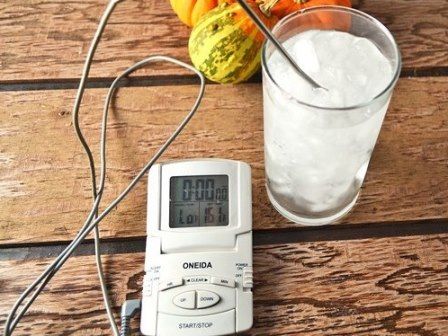
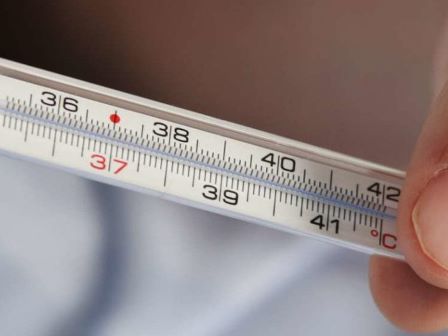
Thermometer for Industrial Use

A industrial thermometer is an instrument designed to measure and indicate the temperature of a specific application or condition.

An Industrial Thermometer, commonly known as a “Liquid-In Glass” or Light-Powered Digital Thermometer, is installed at the point of measurement and is usually read from that location.

Which thermometer is used for industrial application?

Principles of Operation:

Liquid-in-Glass

This thermometer is comprised of a liquid-filled sealed glass tube and bulb, which is affixed to the front of a metal temperature scale, and extends into a metal bulb chamber (stem).

Flaked graphite is used within the bulb chamber to transfer the measured temperature to the glass bulb. Temperature changes cause the thermo-active fill to expand or contract within the tube. This activity is instantly visible in the tube against the calibrated markings of the temperature scale. For purposes of readability, the tube is formed with a lens front to create a magnified indicating column.

Light-Powered Digital

This thermometer is comprised of a thermistor wire that extends into the stem. Flaked graphite is used to transfer the measured temperature to the thermistor. Temperature change causes a change in the output of the thermistor; this output is translated through a pre-programmed algorithm in the microprocessor resulting in a digital display of the temperature.

All industrial thermometers should be carefully selected to meet the demands of the particular application.

The information is offered only as a guide to assist in making the proper selection. Improper applications may cause the failure of the instrument, resulting in possible personal injury or property damage. For applications where the process media may be corrosive or contained under pressure, the use of a thermowell is required to prevent damage to the thermometer and facilitate its removal from the process.

Thermowell thermometer

For applications where the process media may be corrosive or contained under pressure, the use of a thermowell is required to prevent damage to the thermometer and facilitate its removal from the process.

Thermowells are available in various lengths, connections, sizes, and materials.

More on this Story

How to calibrate a digital thermometer?

A digital thermometer should always return accurate readings. Whether you use it for measuring body temperature, atmospheric temperature, or any other relevant use.
Industrial Digital Thermometer

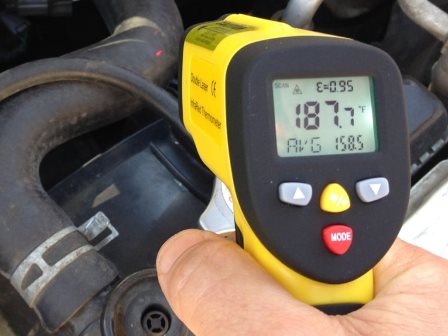
Industrial digital thermometers are used for temperature measurement in many industrial applications.


Fever in adults when to worry?

Seek medical attention for your fever if your temperature is high and has not dropped after taking fever medicines. Your temperature lasts for several days or keeps coming back. So, fever in adults when to worry?

Fever is a temporary increase in body temperature and a sign that your body is fighting an illness or infection. Usually, there is no cause for concern, but certain situations warrant a visit to the doctor or even the emergency room. Learn when it’s time to seek treatment.

Fever in adults when to worry?

What causes a fever in adults?

Fever is an elevated body temperature, which means your temperature is 100.4 degrees F or higher. Fever is the body’s way of fighting infection by naturally raising the body’s temperature to “kill the germ.”

The medical community likes to say that fever is a “good thing” in most cases.

And yes, it is entirely possible for adults to develop a fever without other symptoms and for doctors to never really find the cause. Viral infections can commonly cause fever, and such infections include the pandemic virus, cold or flu, respiratory tract infection such as bronchitis, or the classic stomach virus.

This is why you often hear the word “viral” as an explanation because these types of infections often clear up on their own after a few days.

How long does a fever last in adults?

Most fevers go away on their own within a few hours or days as your body wears off the infection. If your fever lasts longer than 3 days, it is important to see a doctor. A relapsing fever, however mild, can be a sign of a more serious condition. An urgent care center is a quick and convenient place to seek treatment for mild fevers.

Humans, like all mammals, are warm-blooded, which means that our bodies stay warm or at a fairly constant temperature, even when the temperature of our environment changes.

For most of us, our bodies tend to range between 97 and 99 degrees Fahrenheit. But under certain circumstances, our body temperature rises, resulting in fever.

Your body’s immune system creates a fever to fight infection.

Fever in adults when to worry?

Fever is a symptom caused by a wide variety of diseases. Fever can occur in anyone at any age.

We have all experienced the wave of chills and exhaustion that fever causes.

Fever rarely occurs without other symptoms. It is often accompanied by specific complaints, which can help identify the illness causing the fever. This can help the doctor determine what treatment is necessary.

when to worry about a fever in adults?

When to worry about a fever in adults?

Get medical attention for your fever if: Your temperature is high and has not gone down after taking Tylenol or Advil. Your temperature lasts several days or keeps coming back. You have serious health conditions like diabetes, heart disease, or sickle cell anemia.

How long does a fever last in adults?

Most fevers go away on their own within a few hours or days as your body wears off the infection. If your fever lasts longer than 3 days, it is important to see a doctor. A relapsing fever, however mild, can be a sign of a more serious condition.

More on this story

Celsius to Fahrenheit Fever

Human body temperature information and conversion tables include normal, high, and low readings and fever readings from Celsius to Fahrenheit.

Normal Body Temperature

Your body has an internal thermostat and your goal is to keep your temperature as close to your goal as possible. What’s the normal body temperature?

Human Body Temperature

Normal human body temperature varies by person, age, activity, and time of day.

Continuous Flow Portable Oxygen Concentrator manufacturers

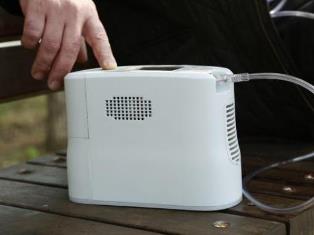
Sales of portable oxygen concentrators offering continuous and pulsatile flow oxygen are increasing.

Portable oxygen concentrators are used to provide oxygen therapy to patients. The oxygen provided by portable oxygen concentrators has a higher amount of concentration than ambient air.

Furthermore, portable oxygen concentrators have been used throughout the world on a large scale.

The increasing need of patients in need of treatment with respiratory problems is driving the growth of the market for portable oxygen concentrators.

In recent years, portable oxygen concentrators have been developed because manufacturers are improving the design and also making the oxygen concentrator with comparatively smaller size and higher mobility.

The next generation of portable oxygen concentrators are lightweight and easily portable, making a person’s life easy and hassle-free.

Oxygen concentrator manufacturers in USA

Global Portable Oxygen Concentrator Market:

The Portable Oxygen Concentrator market in the United States is segmented by delivery system, application, end user, and region.

Depending on the delivery system, it is classified as continuous flow and pulse flow. Depending on the application, it is classified as COPD, asthma, respiratory distress syndrome, and others.

Based on the end user, it is classified into hospitals, home care settings, and others.

Oxygen concentrators made in the USA are available worldwide.

Backpack-sized units are portable and suitable for home use. The demand for them is strong worldwide.

There are two types of portable oxygen concentrators: the pulse flow models and the combination continuous flow and pulse flow models.

Pulse flow machines are lightweight and can be carried in a shoulder bag or backpack. Trolley-type hubs are heavier and travel on a two-wheeled frame behind you.

Some of the trolley-style continuous flow portables are small and light enough to carry around as an option.

Continuous flow oxygen provides a constant flow of oxygen regardless of whether the patient is inhaling or exhaling oxygen.

Pulsed oxygen flow delivers a puff of oxygen when the patient inhales.

Portable continuous flow and pulse oxygen concentrators allow oxygen patients to select continuous flow or pulse mode based on their oxygen needs at any given time.

Oxygen Concentrator Prices Online

Since the number of patients increases every day, there has been a shortage of oxygen concentrators.

Therefore, the available stock is sold at high prices. Since the prices you see online are mostly inflated, we contacted a few dealers to confirm actual prices for oxygen concentrators.

Based on the information we have collected, oxygen concentrators from popular brands such as Philips, BPL, Inogen with 5-liter capacity cost between $ 1,000 and $ 5,000, depending on the model and region.

We suggest that you contact the oxygen concentrator company directly through their website, obtain a number for the distributor in your region, and purchase an oxygen cylinder.

If you buy from third parties, they will most likely charge you up to double the amount of the oxygen concentrator.

Does anyone make a continuous flow portable oxygen concentrator?

The most sought after brands and models are Inogen, Respironic SimplyGo, AirSep Freestyle 3, SeQual Eclipse 5.

More on this story

Portable Oxygen Concentrator continuous Flow

Instead of scheduling regular refills or replacements for tanks, a portable oxygen concentrator takes in ambient air and sends it through a filtration process to produce medical-grade quality oxygen.

Watch Pulse Oximeter

Watch Pulse Oximeter is a practical and useful pulse oximeter monitor for home use by people suffering from respiratory problems, such as chronic obstructive pulmonary disease (COPD), bronchial asthma, heart failure, and other chronic illnesses, lung disorders, and heart conditions.

Watch Pulse Oximeter is an affordable, compact and reliable pulse oximeter that measures arterial oxygen saturation (SpO2) and heart rate (pulse) quickly, painlessly, and non-invasively at the fingertip.

Watch Pulse Oximeter determines arterial oxygen saturation percentage in the hemoglobin proteins in the blood and provides an indication of how much oxygen reaches vital organs in the body.

Watch Pulse Oximeter

Watch oxygen sensor

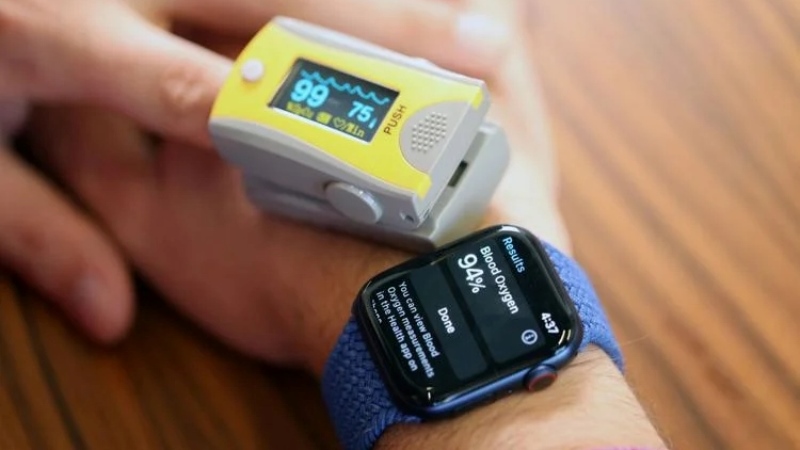
The Blood Oxygen app can allow you to measure the oxygen level of your blood on-demand directly from your wrist, providing you with insights into your overall wellness.

Your blood oxygen level represents the percentage of oxygen your red blood cells carry from your lungs to the rest of your body. Knowing how well your blood performs this vital task can help you understand your overall wellness.

The majority of people have a blood oxygen level of 95 – 100%. However, some people live a normal life with blood oxygen levels below 95%. Slightly lower values while sleeping are expected, and some users might experience values below 95%.

Best smartwatch with oximeter

If you are looking for a smart watch with oximeter, you probably know that blood oxygen monitoring is a common feature these days.

It is especially useful during sleep tracking or when you are at high altitudes. Not to mention, it can also alert you to potential issues, like sleep apnea and other respiratory conditions that require medical attention.

In addition to budget models, most sports watches include the SpO2 sensor these days. But some models are better than others at helping you access that data or constantly measure it without destroying battery life.

That’s why we’ve rounded up some of the best smartwatches with blood oxygen monitoring.

Samsung watch oxygen sensor

Galaxy Watch4 is the first smartwatch to off body composition data right on your wrist, On your own schedule, now you can get readings on body fat, skeletal muscle, body water, basal metabolic rate, and Body Mass Index

Your smartwatch readings assess your oxygen levels to manage and track your heart and lung endurance.

Wake up feeling refreshed and recharged with advanced sleep tracking; When you go to bed, your Galaxy Watch 4 sleep tracker starts monitoring your sleep and SpO2 levels continuously.

Garmin Smartwatch oximeter

Now, Garmin has incorporated this technology into its outdoor recreation smartwatch, allowing you to measure blood oxygen saturation from your smartwatch and setting a new milestone in wearable health technology.

Compatible Garmin wearables use a combination of red and infrared lights with sensors on the back of the device, which can estimate the percentage of oxygenated blood (peripheral oxygen saturation, SpO2%) available in your blood.

Generally speaking, this value should be 95% or higher in most settings, but this value can be influenced by altitude, activity, and an individual’s health. Numbers below 90% may be considered low.

Fitbit smartwatch

A smart sports watch that helps you maximize every workout, every day. Featuring advanced technology in a versatile design, this revolutionary device is designed to track your workouts, monitor your performance stats, and measure your progress.

Continuous heart rate and multisport modes enhance every workout, while cutting-edge features like GPS help you take your fitness to the next level.

All-day activity and sleep tracking, smartphone notifications, and reminders to move help you stay on top of your day.

Continuous SpO2 monitoring Watch

To keep monitoring your health, having a pulse oximeter at home is essential. It not only measures blood oxygen saturation, but also helps monitor the health of patients.

However, pulse oximeters are becoming too expensive. Therefore, you can also invest in smart watches and fitness bands that support SpO2 level monitoring. These smartwatches are great for helping to maintain overall wellness and health. It can help track your sleep pattern, movement, sedentary time, and more.

More on this story

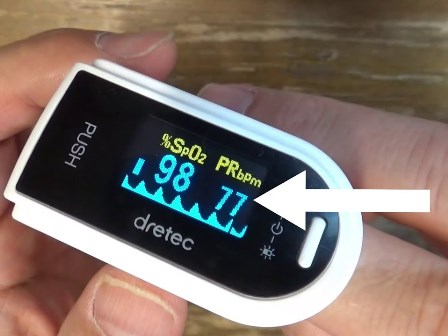
What is PRBPM in Pulse Oximeter?

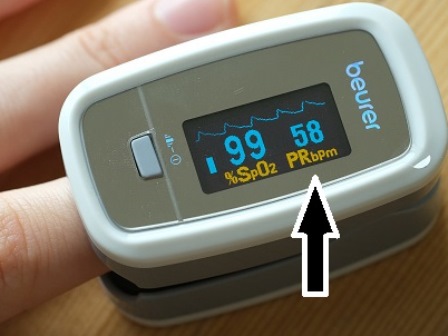
The term PRBPM refers to pulse rate (PR) and beats per minute (BPM) and the serious question is what PR and BPM mean on a pulse oximeter.

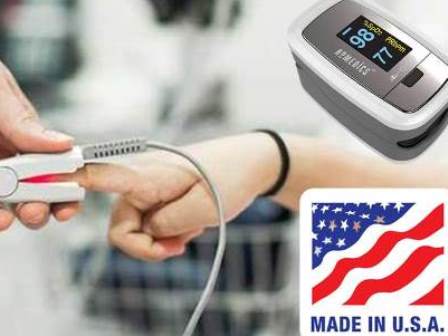
Pulse Oximeter made in the USA

Ever wonder if there are pulse oximeters made in the USA? How many medical device manufacturers are there in the United States?

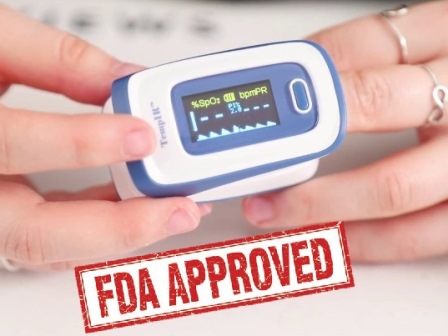
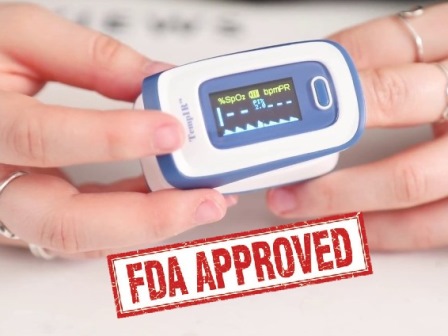
FDA approved pulse oximeter

Do you know what the FDA-approved medical devices are?

Pulse Oximeter Price

The use of medical devices such as pulse oximeters has increased dramatically in recent years. Let’s find out the prices and the best brands.

Prescription Pulse Oximeter

People experiencing low blood oxygen levels due to severe COPD may need oxygen therapy to increase their blood oxygen levels and reduce the risk of organ damage. This can help reduce fatigue and other symptoms of low blood oxygen.

Chronic obstructive pulmonary disease (COPD) is a progressive lung disease that affects breathing. Severe COPD can lead to low oxygen levels in the blood, which can affect the supply of oxygen to vital organs in the body.

Prescription Pulse Oximeter

Prescription oximeters

Can you get a prescription for a pulse oximeter?

Pulse oximeters have limitations and risks of inaccuracy in certain circumstances. In many cases, the level of imprecision may be small and not clinically significant; however, there is a risk that an inaccurate measurement will result in unrecognized low oxygen saturation levels.

Therefore, it is important to understand the limitations of pulse oximetry and how accuracy is calculated and interpreted.

FDA-approved prescription pulse oximeters are required to have a minimum average accuracy that is demonstrated by desaturation studies performed in healthy patients.

This test compares pulse oximeter saturation readings with arterial blood gas saturation readings for values ​​between 70-100%.

The typical accuracy of recently FDA-approved pulse oximeters is within 2 to 3% of arterial blood gas values.

  • This generally means that during the test:
    • about 66% of SpO2 values ​​were within 2-3% of blood gas values, ​​and
    • about 95% of SpO2 values ​​were between 4 and 6% of blood gas values.

Check oxygen level at home

Pulse oximeters are used in doctor’s offices and hospitals. Your doctor may think it’s a good idea for some people to use one at home.

This may include people who have a condition that affects their oxygen levels. Examples include people who have heart problems, lung problems, or an infection.

Your doctor may suggest that you monitor your oxygen level at home. This can help you know when you need medical care, even if you don’t have symptoms.

FDA approved

According to Food and Drug Administration (FDA) Trusted Source, there are two types of pulse oximeters:

  • Prescription Pulse Oximeters: These are FDA reviewed and require a prescription. Physicians typically use these devices in clinics or hospital settings.
  • Over-the-counter (OTC) pulse oximeters: These products are not reviewed by the FDA and do not require a prescription. People can buy them for home use at drugstores or online. They are not medical devices, which means they may be more suitable for people who play sports or participate in recreational activities.
Which is the most accurate pulse oximeter?

Prescription pulse oximeters, are FDA reviewed and require a prescription. Physicians typically use these devices in clinics or hospital settings.

What brand oximeter do doctors use?

Doctors may recommend FDA-approved pulse oximeters for people with certain health conditions who need to measure their oxygen levels at home.

More on this story

Pulse Oximeter same day delivery

The use of pulse oximeters to assess blood oxygen levels is an increasingly common precaution during the pandemic.

How to measure blood oxygen level?

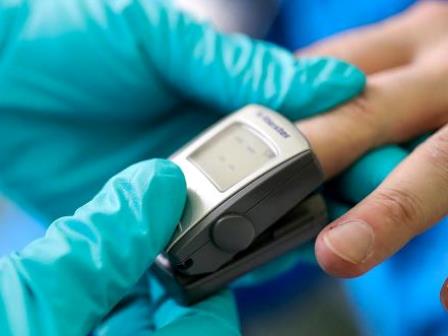
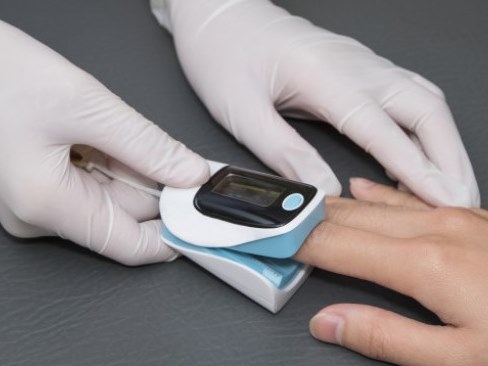
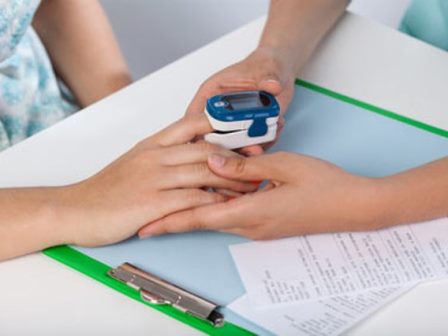
Pulse oximetry is a way to measure the amount of oxygen that the blood is carrying.

FDA approved pulse oximeter

The use of OTC oximeters has increased as a result of the pandemic.

FDA approved Oximeter made in the USA

-Ever wonder if there are pulse oximeters made in the USA?
-How many medical device manufacturers are there in the United States?

What is Normal Spo2 and pr bpm?

Your SpO2 reading is an estimate of the amount of oxygen in your blood. An SpO2 reading of 95% or more is generally considered a normal oxygen level. However, an SpO2 reading of 92% or less (at sea level) suggests that your blood is poorly saturated.

Insufficient saturation can cause a number of adverse health conditions, including chest pain, shortness of breath, and increased heart rate; then what is Normal Spo2 and pr bpm?

Relationship between heart rate and oxygen saturation

Currently, the most widely used method of studying the effect of decreased blood oxygen concentration on the cardiovascular system is to give subjects an inhalation of oxygen-poor gas for approximately twenty minutes and to make observations during this period. .

Blood oxygen level is the most accurate way to monitor your health. An ideal blood oxygen level is between 95% and 99%. An ideal heart rate is between 50 and 90 beats per minute (bpm).

You will need to alert your doctor if it drops below 95% and your heart rate exceeds 100.

Your blood oxygen level is a measure of the amount of oxygen carried by your red blood cells. Your body closely regulates your blood oxygen level. Maintaining the precise balance of oxygen-saturated blood is vital to your health.

Most children and adults do not need to monitor their blood oxygen level. In fact, many doctors will not check it unless it shows signs of a problem, such as shortness of breath or chest pain.

However, people with chronic diseases need to monitor their blood oxygen level. This includes asthma, heart disease, and chronic obstructive pulmonary disease (COPD).

In these cases, monitoring your blood oxygen level can help determine if treatments are working.

How to use a Pulse Oximeter at home?

How to check oxygen level at home?

Your doctor may have told you to use a pulse oximeter at home because you are recovering from a virus or because you are a patient at increased risk for breathing problems. Using a pulse oximeter is a good way to make sure your breathing levels don’t get worse.

What does a pulse oximeter do?

It measures how fast your heart is beating as well as checking how well you are breathing, it does this by checking how much oxygen is in your blood.

What should be the normal spo2 and pr bpm?

Normal oxygen saturation levels (SpO2) are between 95 to 100 percent for both adults and children.
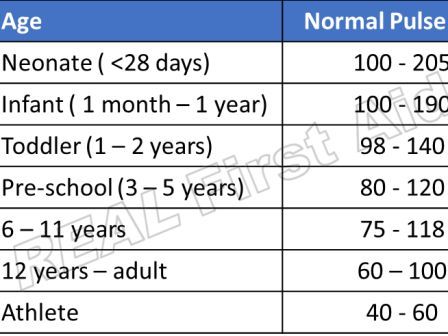
A normal resting heart rate (pr) for adults ranges from 60 to 100 beats per minute (bpm). Generally, a lower heart rate at rest implies more efficient heart function and better cardiovascular fitness.

What is prbpm on oximeter normal range?

PR is pulse rate, and BPM is beats per minute.

More on this story

Pr Bpm Normal Range

What is the pulse rate? Taking a pulse not only measures your heart rate, but it can also indicate the following: Heart rhythm, Strength of the pulse.

What are the 2 readings on a pulse oximeter?

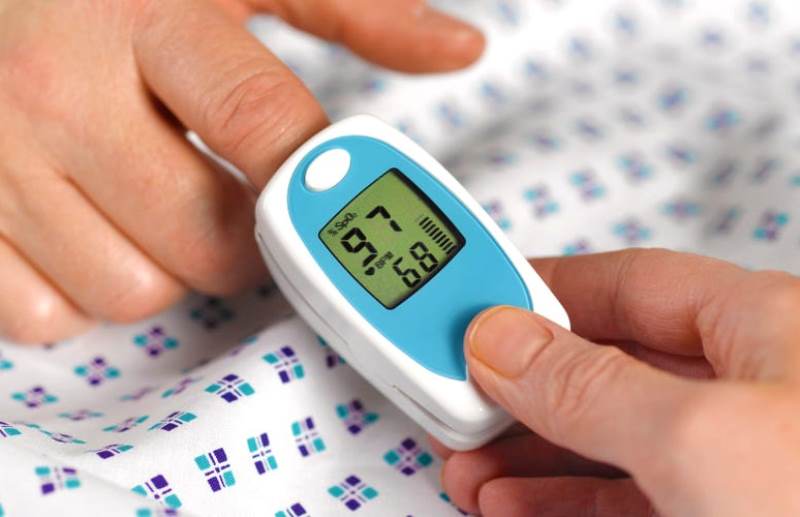
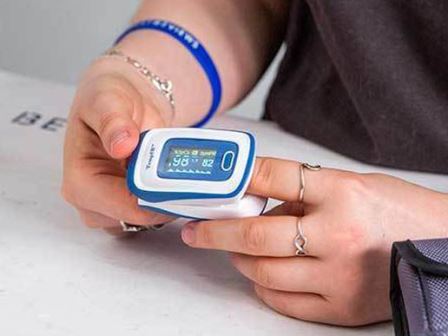
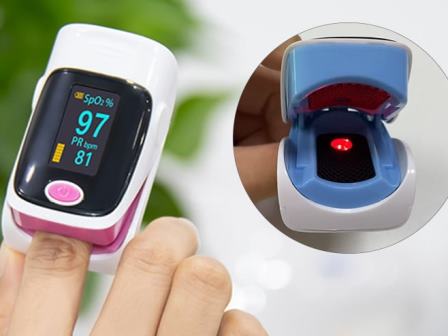
A finger pulse oximeter measures two things:
-Blood Oxygen Saturation
-Pulse Rate

Spo2 Normal Range by age Chart

This reading chart provides guidance on what oxygen level means and when and how to seek medical help.