Category Archives: pulse oximeter

What is normal oxygen level?

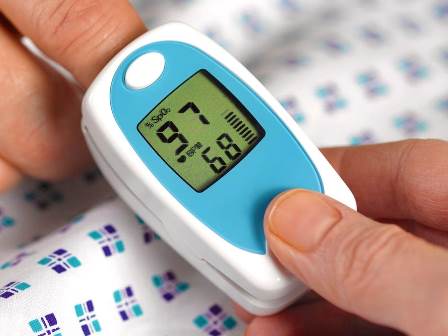
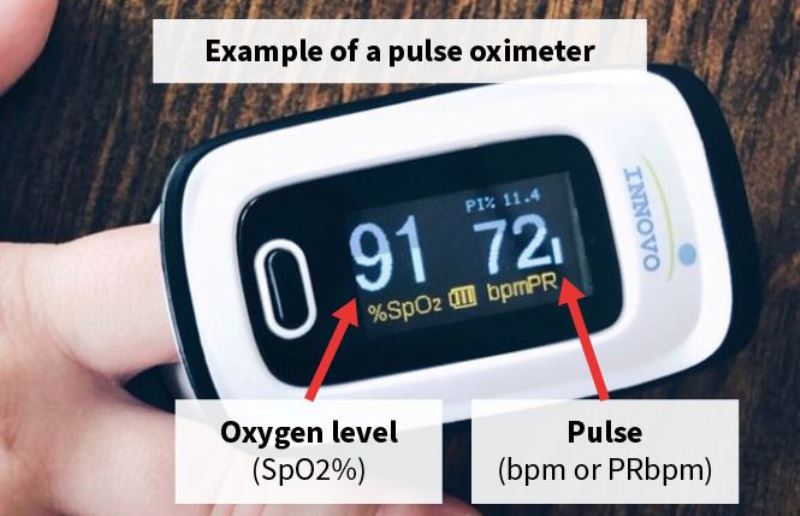
For most people, a normal pulse oximeter reading for their oxygen saturation level is between 95% and 100%.

If you have a lung disease like COPD or pneumonia, your normal oxygen saturation level may be lower. Your health care provider will let you know what levels are acceptable. Your oxygen saturation levels may also be lower if you live in an area with high elevation.

What is normal oxygen level?

How to measure the oxygen level?

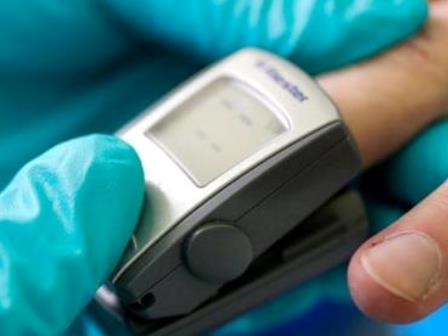
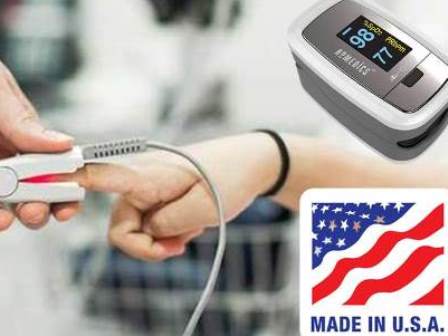
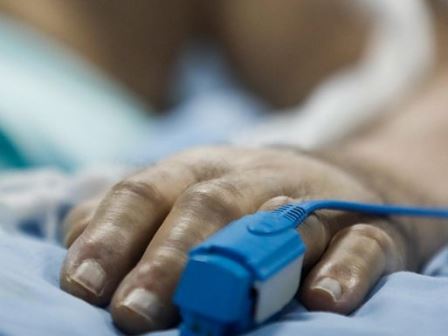
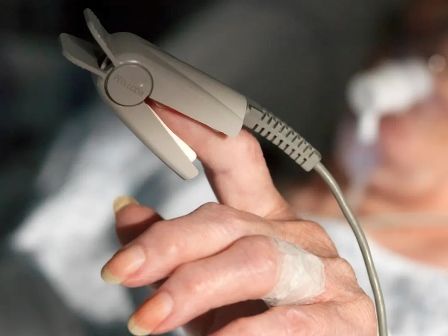
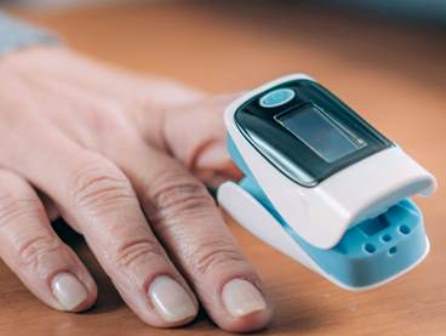
With a pulse oximeter, an oximeter uses two frequencies of light (red and infrared) to determine the percentage (%) of hemoglobin in the blood that is saturated with oxygen. The percentage is called the blood oxygen saturation or SpO2.

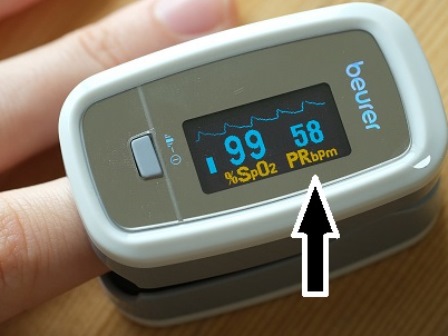
A pulse oximeter also measures and displays the pulse rate at the same time it measures the SpO2 level.

How is oxygen saturation measured?

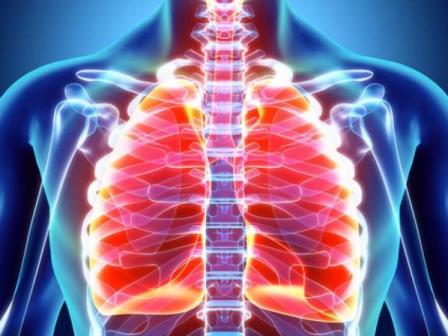
Oxygen from the atmosphere reaches the lungs through respiration. Each lung contains nearly 300 million alveoli that are surrounded by blood capillaries. Since the alveolar and capillary walls are very thin, the oxygen that passes into the alveoli is immediately transferred to the blood capillaries.

Typically in adults, the transfer would take about 0.25 seconds at rest.

A large proportion of the oxygen that diffuses into the blood binds to the hemoglobin in the red blood cells, while a portion of the oxygen dissolves in the blood plasma.

Oxygen-enriched blood (arterial blood) flows through the pulmonary veins, then to the left atrium and left ventricle, and finally to the body’s organs and cells.

The amount of oxygen carried by the body is determined primarily by the degree to which hemoglobin binds oxygen (pulmonary factor), the concentration of hemoglobin (anemic factor), and cardiac output (cardiac factor).

Oxygen saturation is an indicator of oxygen transport in the body and indicates whether enough oxygen is being supplied to the body, especially the lungs.

The pulse oximeter can also measure the pulse rate. The volume of blood pumped by the heart per minute is called the cardiac output. The rate of pumping for one minute is called the pulse rate. These indicators of cardiac function can be determined by the pulse oximeter.

How does oxygen get into your body?

We need oxygen to sustain our lives. Oxygen from the atmosphere reaches the lungs through respiration and the blood through the pulmonary capillaries. It is then carried throughout the body by the blood.

  • Oxygen is inhaled into the lungs and carbon (carbon dioxide) is exhaled from the lungs into the air. This process is called ventilation.
  • Inhaled air flows into the upper airways, then into the peripheral airways, and is finally distributed to the lungs. This process is called distribution.

The lungs consist of tissues called alveoli. Oxygen is absorbed from the alveoli, then into the lung capillaries via alveolar membranes, while carbon dioxide moves from the lung capillaries to the alveoli. This process is called diffusion.

How does oxygen get into the blood?

One of the main functions of the blood is to receive oxygen from the lungs and transport it to the tissues of the body. At the same time, the blood receives carbon dioxide from the tissues and returns it to the lungs.

The amount of gas dissolved in a liquid (blood, in this case) is proportional to the pressure (partial pressure) of the gas.

Also, each gas has a different solubility. Only about 0.3 ml of gaseous oxygen dissolves in 100 ml of blood per mmHg (pressure).

This amount is only 1/20 of the solubility of carbon dioxide. This suggests that a human being would not be able to get enough oxygen if solubility was the only way to get oxygen in the blood.

For this reason, hemoglobin (Hb) has an important role as an oxygen carrier. One molecule of hemoglobin can bind 4 molecules of oxygen, and 1 g of hemoglobin can bind 1.39 ml of oxygen.

Since 100 ml of blood contains approximately 15 g of hemoglobin, the hemoglobin contained in 100 ml of blood can bind 20.4 ml of oxygen.

Hemoglobin saturation

What is oxygen saturation?

Hemoglobin bound to oxygen is called oxygenated hemoglobin (HbO2). Hemoglobin not bound to oxygen is called deoxygenated hemoglobin (Hb).

  • Oxygen saturation is the ratio of the oxygenated hemoglobin to the hemoglobin in the blood, as defined by the following equation:
    • Oxygen saturation = C (HbO2) / C (HbO2)+C (Hb) x 100 (%)
  • C (Hb) = Concentration of deoxygenated hemoglobin
  • C (HbO2) = Concentration of oxygenated hemoglobin

Oxygen saturation can be assessed by SaO2 or SpO2. SaO2 is the oxygen saturation of arterial blood, while SpO2 is the oxygen saturation detected by the pulse oximeter. They are called arterial blood oxygen saturation and percutaneous oxygen saturation.

How to calculate PaO2 from SpO2?

Does the ratio of PaO2 to SpO2 always remain the same?

The amount of dissolved oxygen in the blood is proportional to the partial pressure of oxygen.

The amount of oxygen bound to hemoglobin will increase as the partial pressure of oxygen increases. The partial pressure of oxygen is expressed as PO2 and the partial pressure of arterial blood is expressed as PaO2.

In contrast, the amount of oxygen bound to hemoglobin does not increase in proportion to the partial pressure of oxygen. The increase may be indicated by an S-shaped curve as shown in the graph below. This is called the oxygen dissociation curve.

The oxygen dissociation curve is called the “oxygen dissociation standard curve” where body temperature is 37°C, pH 7.4

The curve may shift to the right or left, depending on patient conditions.

If the body temperature decreases and pH increases, the curve will shift to the left. If the temperature increases and pH decreases, the curve will shift to the right.

for what purpose is oximeter used

Pulse oximeters were first used to monitor vital signs during operations and anesthesia.

Since the device is non-invasive and allows for immediate, real-time monitoring, its use has been expanded to include other purposes such as screening, diagnosis, patient monitoring, and self-monitoring. Below are examples of how the pulse oximeter is used.

The severity of a disease

Determining the severity of disease: The severity of a disease can be determined by clinical symptoms including SpO2.

Blood gas analysis

Deciding whether to perform blood gas analysis in order to better understand the patient’s condition.

Hospitalization of patients

Deciding on hospitalization of patients with chronic diseases when in the acute phase. The need for hospitalization is determined by clinical symptoms including SpO2.

Non-invasive ventilation

Starting Noninvasive Positive Pressure Ventilation (NPPV) for patients with chronic respiratory failure.

For patients with restrictive ventilation disorders (such as late-stage symptoms of pulmonary tuberculosis, or kyphoscoliosis), those in a mild phase of COPD, obesity hypoventilation syndrome, CSR, acute phase of COPD, neuromuscular disorder, etc.

Vital sign monitoring

Vital sign monitoring of hospitalized patients. SpO2 is the fifth most important vital sign after pulse rate, body temperature, blood pressure, and respiration. Even if no respiratory symptoms are observed, the level of SpO2 should be recorded.

If treatments or examinations influence a patient’s respiration, their respiratory condition should be followed up as appropriate.

In respiratory and cardiovascular wards, routine SpO2 monitoring is performed by nurses on each patient during their rounds in the morning, afternoon and evening.

Management of patients

Daily management of HOT patients with chronic respiratory failure. A growing number of HOT patients with chronic respiratory failure have used the pulse oximeter for routine monitoring.

Sleep apnea syndrome.

Screening for sleep apnea syndrome. A pulse oximeter with memory function is used to record oxygen saturation (SpO2) during sleep to determine the frequency of hypoxemia events (oxygen desaturation index), as well as the duration of desaturation.

Dysphagia symptoms

Screening for dysphagia and its monitoring by examination. The pulse oximeter is used as a part of monitoring patients with dysphagia when they are observed while eating.

Diagnosis of polycythemia

The oxygen saturation may decrease in patients with pulmonary diseases such as COPD, sleep apnea syndrome, cardiac disorders such as valvulopathy, as well as persons living at high altitudes. In these cases, the bone marrow is stimulated to produce more red blood cells and consequently polycythemia (secondary polycythemia). The pulse oximeter may be used to measure SpO2 and determine the causes of polycythemia.

Monitoring during examinations

The pulse oximeter is an essential device for bronchoscopy. Prior to examinations, sedatives are administered. Patient conditions are observed by monitoring changes in heart rate and SpO2 in order to ensure safe examinations. The pulse oximeter is often used with photogastroscopy and fibroptic colonoscopy.

-Assessment and risk management of respiratory rehabilitation and exercise therapy

More on this story

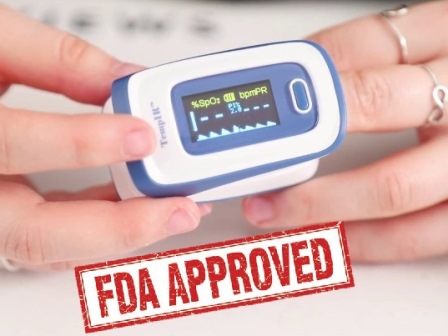
FDA approved pulse oximeter

The use of OTC oximeters has increased as a result of the pandemic.

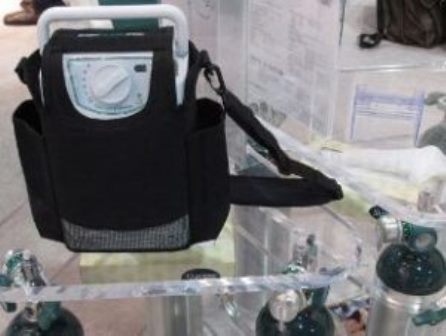
Oxygen Machine for Home Use

Everyone has different reasons for wanting to upgrade to the convenience of a portable oxygen concentrator. But typically it’s for one of the following reasons.
What happens when your Oxygen Level drops to 70?

If you have wondered: How to restore oxygen levels in patients?

How to increase Blood Oxygen Level?

A low level of oxygen in the blood, in addition to revealing the presence of possible lung disease.
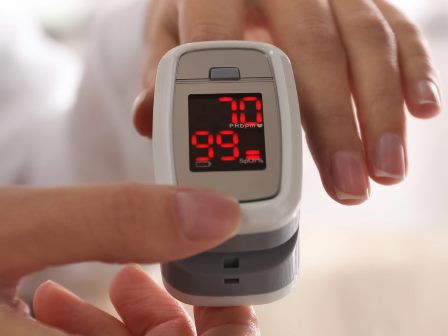
Average Oxygen Level

What are average readings? A normal oxygen level is usually 95% or more. 

What is a dangerous heart rate? What causes high pulse rate?

Although age and activity level can affect your heart rate, there are some “normal” parameters.

As an explanation, your resting heart rate is when your heart pumps the minimum amount of blood that your body needs because it is at rest.

A person’s heart rate can become dangerous if it is too high or too low. However, many factors can affect when a heart rate is dangerous.

The heart rate changes throughout the day to adapt to the demands of the body. It is highest during times of intense activity and lowest when a person relaxes or sleeps.

The heart rate also changes during pregnancy, fever, and times of anxiety.

Identifying a person’s usual heart rate pattern can help her understand what a dangerous heart rate is for her personally.

What is a dangerous heart rate?

Pr Bpm Normal Range

The term PRBPM refers to pulse rate (PR) and beats per minute (BPM) and the serious question is what PR and BPM mean on a pulse oximeter.

The term PR-BPM is just the abbreviation or another way of saying it. The correct question would be, what is the pulse rate in beats per minute? and Why is a good resting heart rate important?

It is important to know what your heart rate is healthy and normal at all ages of your life. Your heart rate, or pulse, can guide you in discovering dangerous health conditions that require expert care, such as some heart problems. But your normal resting heart rate changes throughout your life as you age. Read this guide to learn more about your pulse at every step of your life.

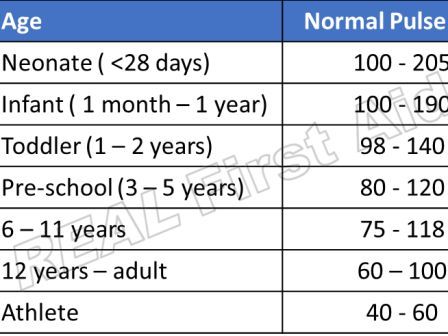
Normal heart rate by age

A healthy heart does not beat as regularly as a clock. Speed ​​up and slow down to accommodate your changing oxygen needs as your activities vary throughout the day. What is a “normal” heart rate varies from person to person. However, an unusually high resting heart rate or a low maximum heart rate can mean an increased risk of heart attack.

One simple thing people can do is monitor their resting heart rate. It is quite easy to do and having the information can help in the future. It’s a good idea to take your pulse every now and then to get a sense of what’s normal for you and to identify unusual changes in rhythm or regularity that may require medical attention.

AgeAverage maximum heart rate in BPMTarget heart rate in BPM
4018090 to 153
4517588 to 149
5017085 to 145
5516583 to 140
6016080 to 136
6515578 to 132
7015075 to 128
Normal heart rate by age

What causes high pulse rate?

What causes high pulse rate?

Common causes of high pulse rate include:
Heart-related conditions such as high blood pressure, the poor blood supply to the heart muscle due to coronary artery disease, heart valve disease, heart failure, heart muscle disease, tumors, or infections.
Other medical conditions such as thyroid disease, certain lung diseases, electrolyte imbalance, and alcohol or drug abuse. Emotional stress or drinking large amounts of alcoholic or caffeinated beverages

what causes low blood pressure and high heart rate?

You may be ecstatic that you finally got your blood pressure lowered, only to notice your heart seems to be racing, all the time. So what gives when you successfully hit the magic number of <120/<80 mm, but your heart rate remains high? Heart rhythm specialist, says sometimes this is normal and sometimes it’s not.
When is this combo not a big deal?
Sometimes blood pressure and high heart rate occur momentarily.
However, that phenomenon is short-lived. When the heart rate stays consistently high while blood pressure is low, there may be something problematic going on.

More on this story

What is PRBPM in Pulse Oximeter?

The term PRBPM refers to pulse rate (PR) and beats per minute (BPM) and the serious question is what PR and BPM mean on a pulse oximeter.

SpO2 normal range by age Chart

This reading chart provides guidance on what oxygen level means and when and how to seek medical help.

What is a dangerous heart rate for adults?

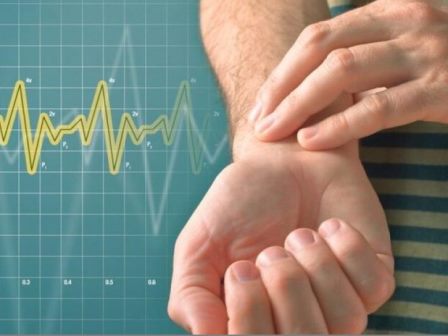
Your pulse rate, also known as your heart rate, is the number of times your heart beats per minute. A normal resting heart rate should be between 60 to 100 beats per minute, but it can vary from minute to minute.

Heart Rate and Oxygen Level Chart

The purpose is to examine how the patient’s heart rate and oxygen saturation change and then processed and displayed them in charts.

How much does an Oximeter cost?

Before the pandemic, the last time you were in contact with a pulse oximeter was at your annual checkup or in an emergency room. But what exactly is a pulse oximeter, how much does it cost, and in what situation would a person need to use one at home?

It is important to assess different patients and select the right medical device for those in your care. Costs may change based on what suits the patient’s needs.

How much does an Oximeter cost?

Pulse oximeter cost

Currently, oximeters can cost between $20 and $50, in online stores, and between $70 and $250 for oximeters that provide a more complete picture than the limited data available from other devices, data such as:

Conventional measurements

  • Oxygen saturation (SpO2): level of oxygen in the blood to indicate changes due to heart or lung function, your body’s use of oxygen, or altitude
  • Pulse (PR): number of heartbeats per minute to indicate general fitness or exertion levels at any given time
  • Perfusion Index (Pi): the force of blood flow to the finger to indicate changes in blood circulation

Breakthrough measurements

  • Respiratory rate (RRp): number of breaths per minute to indicate how well your heart and lungs are working or how quickly you recover after exercise
  • Plethysmographic Variability Index (PVi): Variation of the perfusion index throughout your respiratory cycle, which may indicate changes in hydration, respiratory effort, perfusion, or other factors.

Medical oximeters give you a more complete picture than the limited data available from other health devices.

Buy a pulse oximeter online and keep yourself and your loved ones away from the risk of respiratory diseases by monitoring your health status from home.

So, how much does a pulse ox machine cost?

It depends on the use and the brand, it will cost between 20 and 250 dollars.

Which oximeter is best for home use?

An oximeter, which gives precise readings, at all times, heart rate values, blood oxygen levels, perfusion index, oxygen saturation, etc. consult your doctor before buying one.

More on this story

Pulse Oximeter Price

The use of medical devices such as pulse oximeters has increased dramatically in recent years. Let’s find out the prices and the best brands.

Buy pulse oximeter online

Buying a pulse oximeter online is an important health decision you must make to improve your health and your life.

Pulse Oximeter made in the USA

Ever wonder if there are pulse oximeters made in the USA? How many medical device manufacturers are there in the United States?

FDA approved pulse oximeter

Do you know what the FDA-approved medical devices are?

Do Oxygen Levels Decrease when Lying down?

Everyone’s blood oxygen levels are lower during sleep, due to a slightly reduced level of breathing. Also, some alveoli stop being used during sleep.

If your waking oxygen saturation is higher than 94 percent, it’s unlikely your sleep saturation will drop below 88 percent.

However, your doctor may order an overnight oximetry test if you have concerns about your oxygen saturation levels while you sleep.

Normal oxygen level while lying down

What is a normal oxygen level when lying down? Everyone’s blood oxygen levels are lower during sleep, a lying down and standing pulse oximetry test is designed to determine if there is any difference in your heart rate and blood oxygen level when lying down, or standing.

Pulse oximeter lying down

Before the test begins, a monitor is attached to your wrist with a probe at the tip of your finger. This monitor will record your heart rate and oxygen level during the tests.

For the first part of the test, you’ll be lying down for 10 minutes while your heart rate and oxygen level are recorded, for the second part of the test, you’ll be standing up for 10 minutes and the same is recorded.

During both tests you will be asked to relax and not be spoken to as this may affect the results.

Can I use pulse oximeter lying down?

Yes, in an evaluation of oxygen saturation values in different body positions in healthy individuals.

  • sitting upright
  • supine position
  • prone position
  • lying on the left side
  • lying on the right side

Oxygen saturation and pulse rate were measured and recorded after the individuals held each position for ten minutes.

The mean oxygen saturation value, when measured while sitting in an upright position on a chair, was found to be significantly higher than that measured when the individual was lying on the right or left side of the body.

Oxygen saturation values measured in five different body positions were significantly higher in women, in people younger than 35 years, in those with body mass indexes below 25 kg/m2, and in non-smokers.

More on this story

Normal oxygen saturation by age

Human beings depend on oxygen for life. All organs require oxygen for metabolism but the brain and heart are particularly sensitive to a lack of oxygen.

Why does my oxygen level drop when I lay down?

The use of medical devices such as pulse oximeters has increased dramatically in recent years. Brands, questions, and more.

SpO2 normal range by age Chart

This reading chart provides guidance on what oxygen level means and when and how to seek medical help.

Why do Oxygen Levels decrease when lying down?

Everyone’s blood oxygen levels are lower during sleep, due to a slightly reduced level of breathing.

Shortness of Breath while Lying Down

It is an abnormal condition in which a person has shortness of breath while lying down. You should keep your head elevated, sitting or standing, so you can breathe deeply or comfortably.

One type of shortness of breath while lying down is dyspnea, dyspnea is a feeling of shortness of breath.

This condition causes a person to wake up suddenly during the night, feeling short of breath.

For people who suffer from some types of heart or lung problems, this is a common ailment. Sometimes the problem is subtle.

People may realize they have it when they realize that it is more comfortable to sleep with lots of pillows under their head or in a nearly sitting position.

Shortness of Breath while Lying Down

Trouble breathing lying down

People experience and describe breathing problems lying down, shortness of breath, differently depending on the cause.

The respiratory rate also increases during rest as a result of many disorders, either in the lungs or in other parts of the body. For example, when people have a fever they breathe faster.

Rapid breathing in a person with dyspnea is often accompanied by a feeling of choking. The person has the feeling of being unable to breathe quickly or deeply enough.

You may notice that it takes more effort to expand your chest when you breathe in or to push air out when you exhale.

You may also have the uncomfortable feeling that you urgently need to inhale (inspiration) before you can finish exhaling (expiration), or you may have various sensations often described as chest tightness.

What causes shortness of breath?

Most cases of shortness of breath are due to heart or lung problems. Your heart and lungs are involved in transporting oxygen to your tissues and removing carbon dioxide, and problems with either of these processes affect your breathing.

Very strenuous exercise, extreme temperatures, obesity, and high altitude can cause shortness of breath in a healthy person. Outside of these examples, shortness of breath is probably a sign of a medical problem.

What causes shortness of breath when lying down?

Shortness of breath that comes on suddenly, called acute, has a limited number of causes, including:

  • Chronic Obstructive Pulmonary Disease (COPD)
  • Heart failure
  • panic disorder
  • Sleep apnea
  • Snoring
  • Obesity (does not directly cause shortness of breath while lying down, but often worsens other conditions that cause it)

Hard to breathe lying down

Orthopnea is the medical term for the sensation of breathlessness when lying down. Other times, a person might experience paroxysmal nocturnal dyspnea or wake up suddenly feeling short of breath.

While symptoms can vary, people with shortness of breath may feel as if they are being suffocated, can’t take in enough air, have chest tightness, and feel uncomfortable breathing.

Orthopnea and paroxysmal nocturnal dyspnea can prevent you from sleeping properly, which harms your overall health.

Even if it’s not a medical emergency, if you’re having trouble breathing on a regular basis, it’s a good idea to talk to your doctor.

More on this story

Why do Oxygen Levels decrease when lying down?

Everyone’s blood oxygen levels are lower during sleep, due to a slightly reduced level of breathing.

Why does my oxygen level drop when I lay down?

The use of medical devices such as pulse oximeters has increased dramatically in recent years. Brands, questions, and more.

Normal Oxygen Level while lying down

The evaluation of the oxygen saturation values, in different body positions in healthy individuals, results in:

Average Oxygen Level

What are average readings? A normal oxygen level is usually 95% or more. 

Are any oximeters made in the USA?

Yes, most of the oximeters sold in the United States are imported, but there are some brands that manufacture and produce their products in the United States.

  • Nonin Pulse Oximeter
  • ADC pulse oximeter
  • Metene pulse oximeter

They are some manufacturers of medical devices that maintain their production in North America.

Oximeters have become a necessary product for patients with respiratory problems, and the quality of the product, the guarantee, the precision, are some of the qualities that consumers look for in medical products.

Who manufactures pulse oximeters?

The United States is a worldwide distributor of medical devices, pulse oximeter machines, and accessories as well as other home and professional health care products and supplies.

Leading brands of medical pulse oximeters provide accurate measurements when other pulse oximeters fail. Medical oximeters utilize five parallel processing motors that measure patient conditions, including movement and low blood flow, clinically proven in independent and objective studies to outperform other pulse oximetry technologies.

More on this story

Pulse Oximeter made in USA

  • Ever wonder if there are pulse oximeters made in the USA?
  • How many medical device manufacturers are there in the United States?

It is also gaining popularity in other parts of the world as it can help detect Congenital Heart Defects and other heart and respiratory conditions.

What is the normal Perfusion Index?

The perfusion index or PI is the relationship between two types of blood flows.