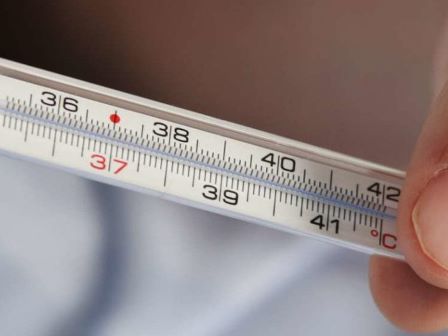
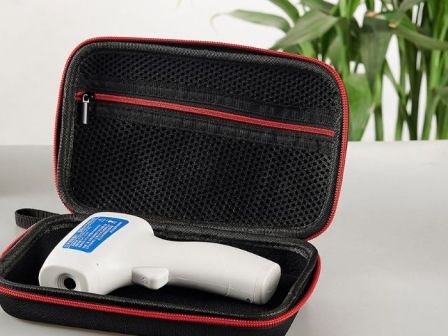
Normal human body temperature varies by person, age, activity, and time of day. Average normal body temperature is generally accepted at 98.6 ° F (37 ° C). Some studies have shown that “normal” body temperature can have a wide range, from 97 ° F (36.1 ° C) to 99 ° F (37.2 ° C).
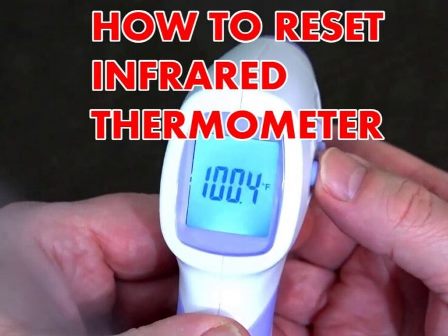
A temperature above 100.4 ° F (38 ° C) usually means you have a fever caused by an infection or illness.
Body temperature normally changes throughout the day. Human Body temperature is the evaluation of how your body generates and loses heat.
When it rises, the blood vessels in your skin expand to dissipate excess heat to its surface, which is if you sweat and it evaporates, your body cools.
On the contrary, when the temperature drops, our blood vessels tighten; reducing blood flow to your skin to save heat, that’s why we get chills.
It is an instinctive response from your muscles intended to help your system develop more heat and rewarm your blood.
Human Body Temperature
Human Body temperature range
Your human body temperature can rise and fall and in all directions, but it usually stays within a certain window.
Normally, anything in the range of 97 to 99 degrees Fahrenheit is considered normal. But there are times when a perfectly healthy person may have a slightly higher or lower body temperature than that.
Your “normal” human body temperature also changes throughout your life. It often works its way up from childhood to adulthood before plunging into the later years of life.
By age range, it looks like this, with temperatures for an oral reading.
0 to 10 years old
95.9 F (35.5 C) to 99.5 F (37.5)
11 to 65 years old
97.6 F (36.4 C) to 99.6 F (37.6 C)
Over 65 years old
96.4 F (35.8 C) to 98.5 F (36.9 C)
Human Body temperature range
Is there a “best time” to take a temperature?
There is usually a reason you head to the medicine cabinet to grab your thermometer: Someone in the house is not feeling well.
Consider the ideal time to take your temperature given the important health information the reading provides.
However, you should know this: body temperatures are usually a little lower in the morning and a little higher in the afternoon. For women, it can also fluctuate depending on where you are in your menstrual cycle.
What is the normal body temperature?
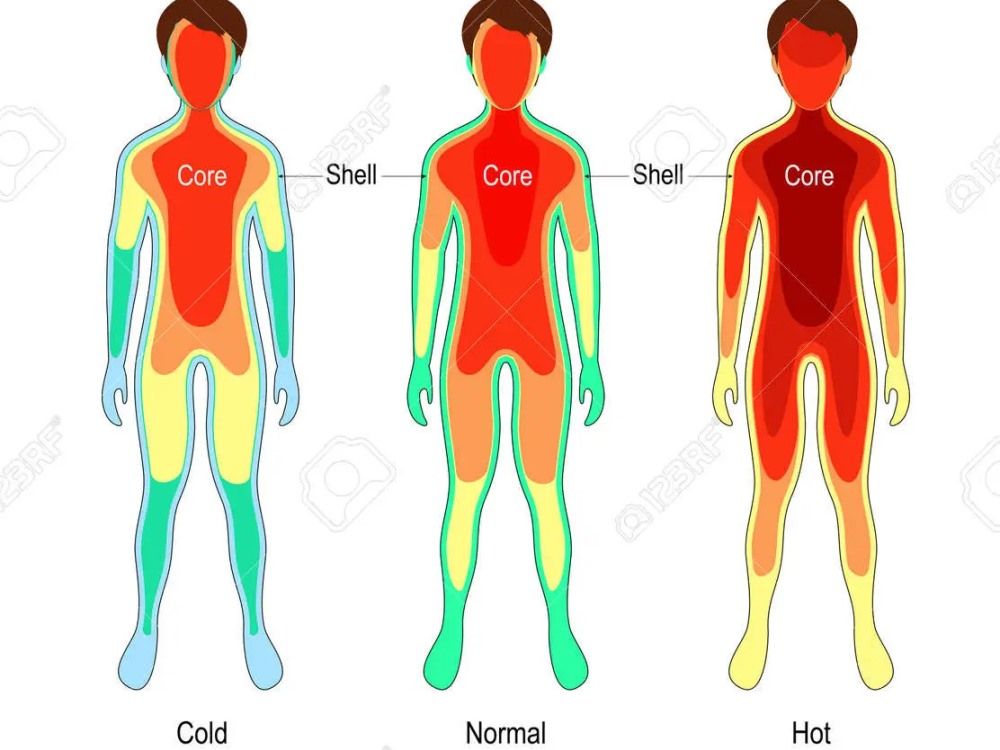
Your body has an internal thermostat and your goal is to keep your temperature as close to your goal as possible. The stability of that number, known as your core body temperature, reflects your body’s ability to heat up or cool things down to stay within your ideal range.
Each day, your body has plans to adjust its temperature to follow your circadian rhythm by warming it up to start the day and cooling it down for sleep.
However, diet, exercise, hormones, and many other things affect your temperature. As a result, your body is constantly making adjustments to keep everything balanced.
When it is too hot, your body tries to radiate or eliminate heat by widening the blood vessels to carry excess heat to the surface of the skin.
As sweat evaporates from your skin and your blood loses heat to the air, your body cools down.
When you are too cold, your body tries to insulate or trap heat by narrowing the blood vessels in the skin so that the blood keeps more heat in its core, as well as raising the temperature through the chills.
The normal temperature of human body
Body temperature is vital to health, which is why it is among the “vital signs,” along with the blood pressure, heart rate, and breathing rate that your doctor routinely monitors.
These measurements are absolutely critical when evaluating a person who may be ill, because significant abnormalities can indicate a serious, even life-threatening illness.
Thousands of chemical reactions that occur simultaneously and continuously in the body require a fairly narrow temperature range.
As a result, the body does not tolerate large fluctuations in temperature very well.
In fact, severe hypothermia, low body temperature, or hyperthermia, high body temperature, can cause permanent organ damage or death.
That is why the body has such an elaborate thermoregulation system that it keeps the body temperature close to ideal most of the time.
Fever is typically any temperature above 100 ° F. The most common cause of fever is any infection in the body, but there are other causes, such as heat stroke or a reaction to a medication.
Although you can get sick with a normal temperature, your body temperature is clearly an indicator of your health.
Infrared Thermometer Instruction Manual: Special advice should be given to people using infrared thermometers, the Medicines and Healthcare products Regulatory Agency has recommended.
Infrared thermometers appear to be associated with a risk of low readings if they are not used properly. They are designed to measure heat radiated from the forehead.
Another potential source of error in readings is a dirty lens on the thermometer. The FDA says that users should ensure the lens is kept clean. When an accurate reading is essential, it recommends using the highest of three readings.
The new guidance follows a number of reports of infrared thermometers falsely reassuring parents of children with high temperatures. Temperature readings appeared to be normal but subsequent readings taken on admission to hospital showed readings between 1C and 3C higher than those measured with the infrared thermometer.
The FDA adds that infrared thermometers should always be used in accordance with the manufacturers’ instructions and that users should seek medical attention if they have health concerns, regardless of the thermometer reading.
Compact, rugged, and easy to use. Just aim and push the button, read current surface temperatures in less than a second. Safely measure surface temperatures of hot, hazardous, or hard to reach objects without contact.
How it works: Infrared thermometer measures the surface temperature of an object. The unit’s optics sense emitted, reflected, and transmitted energy which is collect and focused onto a detector. The unit’s electronics transmitted energy which is display on the unit. For increased ease and accuracy the laser pointer makes aiming even more precise.
Infrared thermometer instructions
The infrared thermometer instruction manual, an infrared thermometer should be protected for the following:
Infrared thermometer precautions
EMF (electromagnetic fields) from arc welders, induction heaters.
Thermal shock(cause by large or abrupt ambient temperature changes allow 1 hour for unit to stabilize before use).
Do not leave the unit on or near objects of high temperature.
Dangers of infrared thermometer
Do not point laser at eye or indirectly off reflective surfaces.
When taking measurement, point thermometer toward the object to be measured and hold the yellow trigger. The object under test should be large than the spot size calculated by the field of view diagram.
Distance and spot size: As the distance from the object increase, the spot size of the measuring area becomes large.
Field of view: Make sure the target is larger than the unit’s spot size. The smaller target the close measure distance. When accuracy is critical, make sure the target is at least twice as large as the spot size.
Emissivity: Most organic materials and painted or oxidized surfaces have an emissivity of 0.95. Inaccurate readings will result from measuring shiny or polished metal surfaces. To compensate, cover the surface to be measured with masking tape or flat black paint. Measure the tape or painted surface when the tape or painted reach the same temperature as the material underneath.
Infrared Thermometer Instruction Manual
Infrared thermometer how to start
Remove the silica gel set, remove the battery cover screw with a screwdriver, and then slide out the battery door, install battery correctly. And Put back to the battery door screws and silica gel. Pull the trigger, LCD display reading, and battery icon. Release the trigger and the reading will hold for 30 seconds.
Infrared Thermometer Instruction Manual
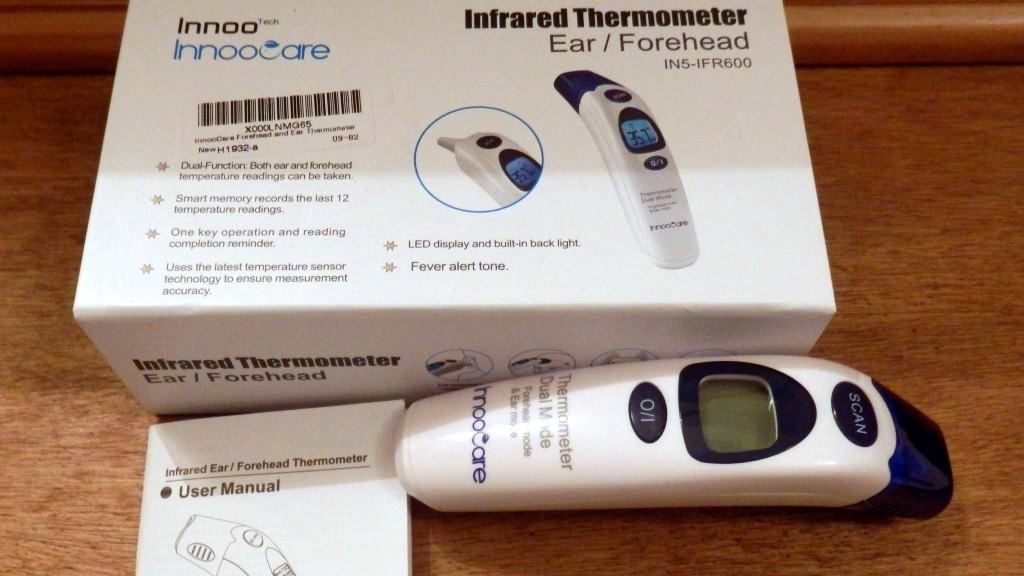
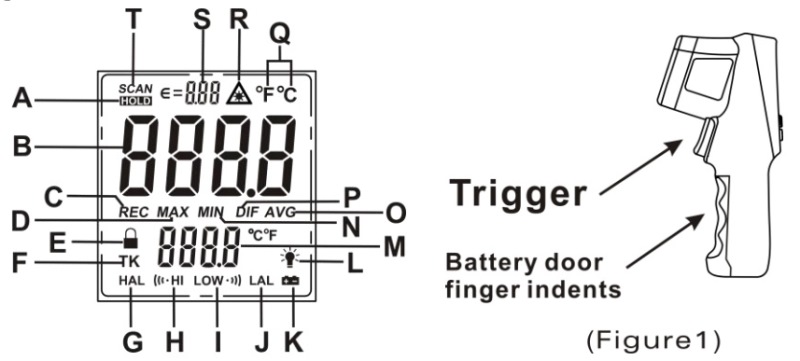
Infrared thermometer display:
A: Data Hold
B: Main display value
C: Memory storage
D: Maximum
E: Continuous measurement
F: K type temperature symbol (this unit Without this feature)
G: High-temperature alarm temperature
H: Alarm of high temperature prompt
I: Alarm of Low temperature prompt
J: Low-temperature alarm temperature
K: Battery voltage Low
L: Backlight symbol
M: Additional features
N: Minimum
O: Average
P: The maximum and the minimum difference
Q: Temperature of the unit
R: Laser pointer turn on prompt
S: Emissivity symbol
T: Measuring the symbol
Locating a hot spot aim the thermometer outside the area of interest, then scan across with up and down motions until you locate the hot spot, please turn on the laser to for accurate measuring.
Infrared thermometer maintenance
Lens cleaning: Blow off loose particles using clean compressed air. Gently brush remaining debris away with a moist cotton cloth.
Case cleaning: Clean the case with a damp sponge/cloth and mild soap.
Please take out the battery when not using it for a long time.
Note: 1) Do not use a solvent to clean the lens. 2) Do not submerge the unit in water. 3) Emissivity will back to the initial value (0.95) after replacing the battery,. Should adjust again when used
Body temperature can be measured in a number of ways. Traditionally, body temperature has been measured using contact thermometers that are placed on the forehead or in the mouth, ear, armpit, or rectum.
Infrared thermometers allow a person’s temperature to be taken with minimal (tympanic) or no (Non-contact infrared thermometer, thermal scanner) contact with the person.
Infrared Thermometer Body Temperature Forehead
Normal human body temperature
You can take a temperature using the mouth (oral), anus (rectal), armpit (axillary), or ear (tympanic). But the temperature readings vary depending on which one you use, and you need an accurate body temperature to determine if a fever is present.
Medical research hasn’t determined an exact correlation between oral, rectal, ear, armpit, and forehead temperature measurements. Generally, the correlation between temperature results are as follows:
The average normal oral temperature is 98.6°F (37°C).
A rectal temperature is 0.5°F (0.3°C) to 1°F (0.6°C) higher than an oral temperature.
An ear (tympanic) temperature is 0.5°F (0.3°C) to 1°F (0.6°C) higher than an oral temperature.
An armpit (axillary) temperature is usually 0.5°F (0.3°C) to 1°F (0.6°C) lower than an oral temperature.
A Forehead (temporal) scanner is usually 0.5°F (0.3°C) to 1°F (0.6°C) lower than an oral temperature.
Forehead Thermometer for body temperature
Non-contact Thermometer for body temperature
This means the temperature can be measured without the discomfort of having to sit still with a thermometer in the mouth, armpit, or rectum long enough to obtain a correct temperature reading.
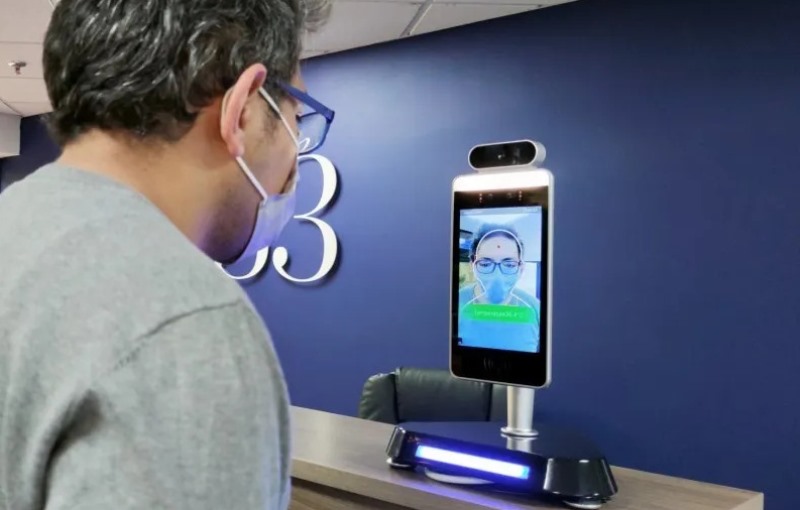
The lack of contact also means the disinfection process between patients for the thermometers is minimal or unnecessary, allowing for easier and faster use when screening large numbers of people in settings like airports or border crossings.
The main types of non-contact thermometers are non-contact infrared thermometers, tympanic thermometers, and thermal scanners.
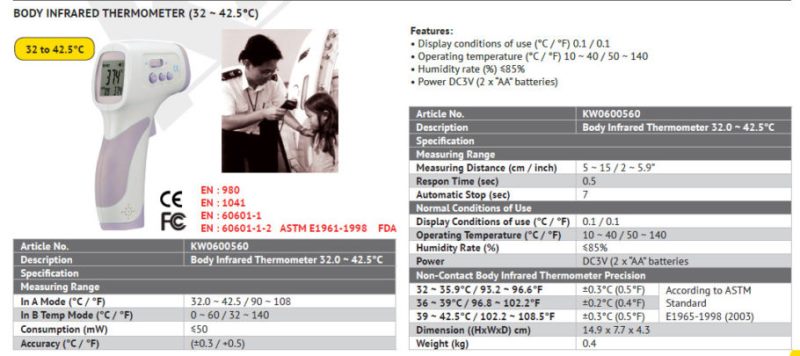
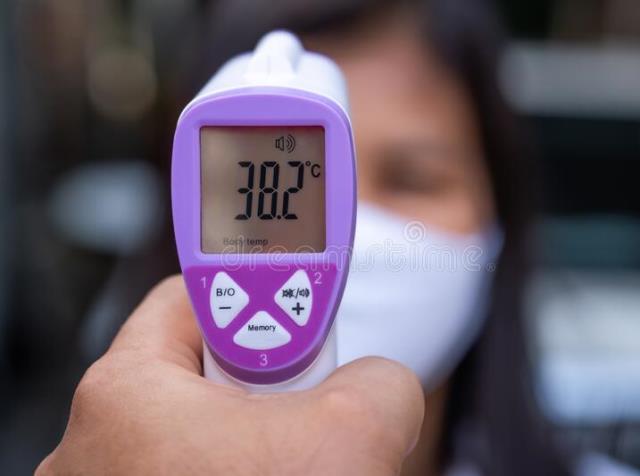
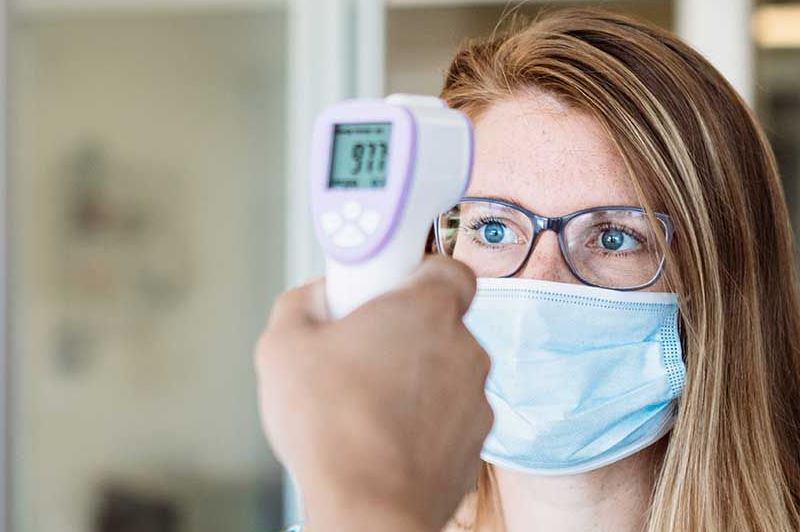
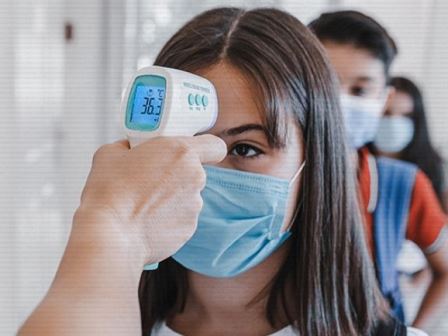
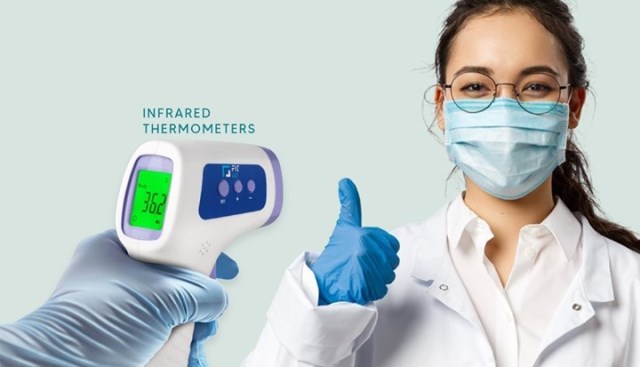
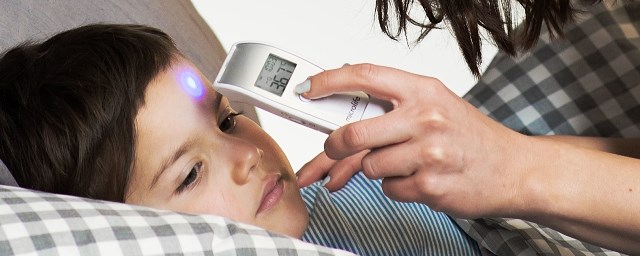
Non-contact infrared thermometers are held three to 15 cm away from the patient and typically measure temperature on the forehead or temple.
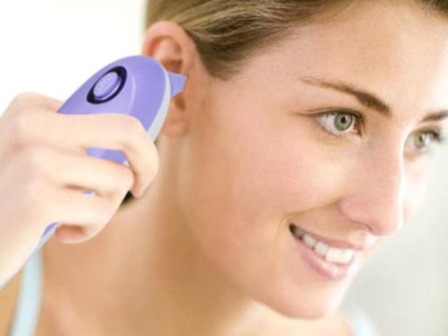
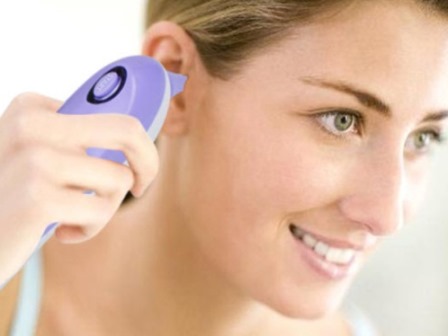
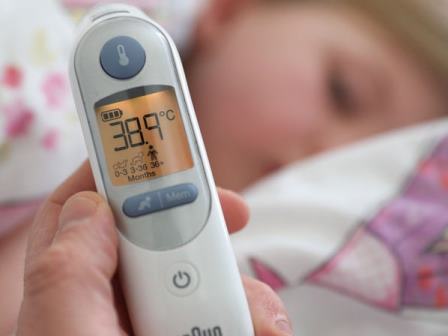
Tympanic thermometers measure the thermal radiation from the tympanic membrane and within the ear canal.
Handheld thermal scanners can be used to take a person’s temperature from a greater distance than other non-contact thermometers, which may make them a good candidate for use in mass screening situations.
The optimal cut-off temperature for determining fever differs for each device. However, not everyone who has an infection or is infectious will have a fever. Additionally, fevers can be lowered by using antipyretic medications.
Infrared Thermometer Body Temperature Forehead
How to measure body temperature?
Temperature Taking Hints and Tips:
Make certain the thermometer is in FOREHEAD MODE.
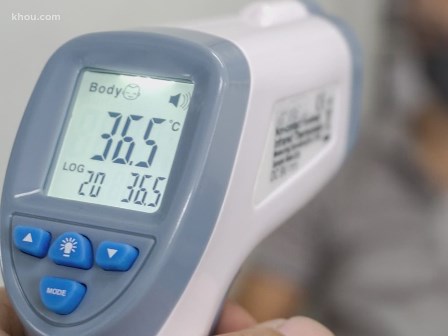
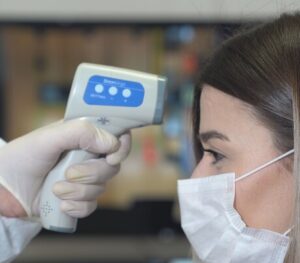
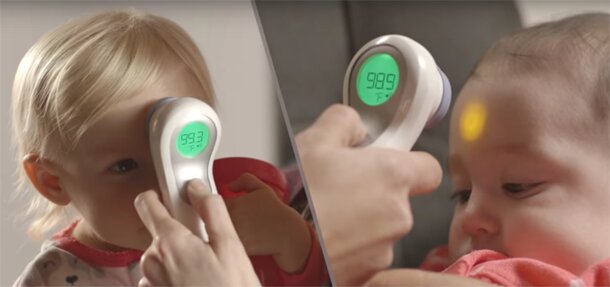
Non-contact infrared thermometers measure surface temperature. Hold the device approximately 1 inch (2-3 cm) from the center of the forehead to capture just the forehead temperature and not the temperature of other surrounding objects.
Always hold the thermometer and the forehead steady when taking a reading. Do not move the thermometer until you hear the final beep.
The device is designed to be used indoors. Users and the thermometer should be at the same ambient temperature for at least 10 minutes before taking a reading.
The tested individual should be away from extreme temperatures for at least 10 minutes before taking a measurement. Recent exposure to hot or cold temperatures will impact your reading.
Do not take temperatures with this thermometer near places that are very hot, such as fireplaces and stoves.
The tested individual should not drink, eat, or be physically active before/while taking the measurement.
Remove hair, sweat, oils, cosmetics, or dirt from the forehead before taking a measurement. Wait at least 10 minutes after washing the forehead area before taking a reading. Remove hats and wait 10 minutes before taking a reading. Bangs may cause higher readings.
What are sites for measuring body temperature?
What are sites for measuring body temperature?
Temporal artery temperature changes are faster than a temperature taken rectally, orally or under the arm. A difference of 1°F (.6°C) is normal. Body temperature can change throughout the day.
Consistently low-temperature readings may be caused by a dirty instrument window. Use an alcohol wipe or a cotton swab moistened with alcohol (70% isopropyl) to clean the instrument window and housing. Gently wipe and let air dry.
DO NOT use any other cleaning liquids or immerse the thermometer in water. Wait 10 minutes after cleaning to take a temperature. See the manual for complete cleaning instructions.
Normal forehead temperature
Fast-read digital thermometers use a method called “peak hold” that is often less accurate than a digital thermometer that needs to be held in the mouth for 60 seconds or more.
It is helpful to know each individual’s normal temperature when they are well.
This is the best way to accurately diagnose a fever.
To determine normal temperature, take multiple readings when healthy.
Re-measure with a standard digital thermometer for confirmation. This thermometer displays an oral equivalent temperature reading.
Oral readings are approximately 0.9°F (0.5 °C) lower than a rectal digital measurement.
When comparing temperature taken with different thermometers at different sites, it is important to start with the most accurate oral temperature that can be achieved.
It is best to correlate other types of temperature taking to a baseline oral temperature taken with accurate oral thermometers, (those without the “peak hold” function).
Infrared Thermometer Body Temperature Forehead
What is normal forehead temperature with infrared thermometer?
The forehead temperature is several degrees lower than the core body temperature of 98.6 F (37 C). Forehead medical thermometers make a mathematical adjustment to show an equivalent oral temperature. When general-purpose infrared thermometers are used to read forehead temperature, the readings are likely to be less than 98.6 F, even if there is a fever.
What is a normal forehead temperature?
The normal temperature of the skin of the forehead can vary several degrees depending on your environment (indoor or outdoor), exercise, perspiration, direct heat or air conditioning, etc. It would be normal to read an actual forehead skin surface temperature between 91 ° F and 94 ° F if you use a general-purpose infrared thermometer.
An infrared thermometer is an affordable and effective tool for measuring a person’s temperature from a distance.
Here we will go over some best practices for using these tools which will help you get the best results.
Keep in mind that when using an infrared thermometer, how and where it is used may affect the measurement – for example, head coverings, the ambient environment, and the reading location on the forehead can all affect results.
You should strictly follow the manufacturer’s guidelines for your thermometer to avoid measurement errors.
Then many people wonder: How to use a non-contact infrared thermometer? How do I check my Temperature with an Infrared Thermometer?
How do I check my Temperature with an Infrared Thermometer?
How to check body temperature with an infrared thermometer?
The first step to using a non-contact infrared thermometer is to evaluate your testing environment:
it should be free of air drafts
out of the direct sun, and
away from radiant heat sources.
The environmental temperature should be in line with the specifications in the manual for your thermometer. The best practice is to leave your thermometer in the testing environment for at least ten minutes prior to use so it can adjust to the environment.
Next, you must make sure the subject is ready to be tested by making sure that the test area of the forehead is clean, dry, and unobstructed.
You must also verify that the temperature of the person’s forehead has not been influenced by wearing excessive clothing or head covers, or by using facial cleansing products like cosmetic wipes. Any outside influence on a person’s forehead temperature prior to testing will skew your measurements.
How do I check my Temperature with an Infrared Thermometer?
Infrared Thermometer distance
Measuring distance of infrared thermometer:
When taking measurements, keep in mind that measurement distance from the subject is different for every infrared thermometer – check the manual for your device to determine the correct distance.
To correctly take a measurement, hold your thermometer perpendicular to the subject’s forehead at the manufacturer’s recommended distance. Make sure you hold the device directly perpendicular to the forehead or readings will be incorrect. If outdoors, make sure the subject is out of direct sunlight. Failure to do so will also result in incorrect readings.
Infrared Thermometer accuracy
The question arises whether you can take body temperature with an infrared thermometer, and you can with a high-quality medical infrared thermometer under certain conditions.
Problems arise, however, especially during the pandemic scare. An infrared thermometer can be highly inaccurate, mostly because of operator mistakes.
Inaccuracies include operating errors and misinterpretations of readings. People who don’t know how to use thermometers can get inaccurate readings for a number of different reasons. These include:
Not Following Instructions: Infrared Thermometer must be used at the proper distance – not too close or too far away – to get an accurate reading.
Only Accurate for Reading Surface Temps: The infrared thermometers only measure the surface temperature of the skin. That can fluctuate for many reasons, and the guns don’t measure internal temperature like a probe.
Needs Skilled Adjustment: A infrared thermometer needs to be adjusted to read the temperatures of different surfaces.
Subject to Environmental Influences: Frost, rain, and other conditions can affect surface temperatures. Rapid changes in the ambient temperature of a room can also skew readings. Electromagnetic field and radio frequency interference can cause inaccurate readings.
Not Transparent to Glass and Other Substances: Infrared thermometer can’t read temperatures through the glass and other transparent materials. Instead, they make the surface temperature of the barrier instead of the target.
How do I check my Temperature with an Infrared Thermometer
Measuring body temperature
General Guidelines on measuring body temperature and using an infrared thermometer
Compare the accuracy, suitability, convenience, and price of infrared thermometers before purchase.
Choose an infrared thermometer and method of measurement which suit the individual’s age and health condition; Consult healthcare professionals if in doubt.
Patients with communicable diseases should use personal thermometers to avoid cross-infection.
Familiarize with the correct use of infrared thermometer and temperature reading by referring to the user instructions provided by manufacturer.
Avoid activities that would distort temperature measurement (e.g. drinking hot water immediately before taking oral temperature).
Clean and maintain the infrared thermometer according to the procedures recommended by the user instructions.
In case body temperature needs to be taken regularly, take the temperature at the same time of each day and use the same temperature-taking method to allow comparison.
If there is any doubt about the body temperature reading, please consult healthcare professionals.
As people plan to get back into a rut, many are considering buying technologies that can detect elevated temperatures. While it is not guaranteed that it can be determined if someone has an infection, temperature detection has its benefits.
What is the most common question people ask when buying a thermometer?
What is the best-infrared thermometer?
What is the most accurate infrared thermometer?
How to use an infrared thermometer?
What is the difference between the forehead thermometer and the infrared thermometer?
What is the best-infrared thermometer made in the USA?
Infrared Thermometer Reviews
Best infrared thermometer
Measure the temperature of your forehead or other surfaces from a distance with an infrared thermometer. It provides a fast and easy way of measuring the temperature without touching the item you are measuring.
And, with the auto shut off feature, you can use the device with minimal supervision.
Infrared thermometers are used in different industries and work environments to determine the temperature of objects from a distance.
Infrared thermometer for medical use
Thermometers offer medical results to track body temperature and determine fever.
There are many different types of Medical Thermometers and Emergency Medical Products wants to help you find the one you’re looking for. Shop medical thermometers with large digital displays, ones that offer instant reads, and even touch-free thermometers as well.
The humble medical infrared thermometer is one of the most important diagnostic tools that any medical professional (or human being) can have on hand. Temperature readings are important because an abnormally high or low temperature can help indicate many different health problems.
Infrared thermometer for humans reviews
A “point-and-shoot”, a non-contact infrared thermometer is the easiest way to measure human temperature from a safe distance.
But not all infrared thermometers/temp guns are created equal.
Only some models will measure human body temperature accurately. The best ones will also give you fast temperature readings, and come with an easy-to-read display.
So you can quickly see if you or any of your family members are sick. To help you stay safe, we’ve rounded up the best-infrared thermometers for adults:
Infrared thermometers allow users to measure body temperature quickly and noninvasively. Infrared thermometers for humans consist of an IR probe, electronic circuitry, a microprocessor, and an LCD or LED display.
As people plan to get back into a rut, many are considering buying technologies that can detect elevated temperatures. While it is not guaranteed that it can be determined if someone has an infection, temperature detection has its benefits.
Infrared thermometer specifications
When choosing an infrared thermometer, consider these factors:
Accuracy and reliability. How accurate do you need the device to be? Some devices are more sensitive, causing inaccuracy if they are used improperly. Consider how you will use the device.
Ease of use. Will you be trained on the device? Do you need a digital display for easy viewing? Maybe you need a backlit device to use in the dark or a device with silent mode.
Location. Will you be conducting temperature checks in an air-controlled environment or outside in the sun? Some devices are more sensitive to weather, causing inaccurate results.
Speed. Do you need instant results, or do you have a little leeway? Some devices may need a longer rest period between temperature checks.
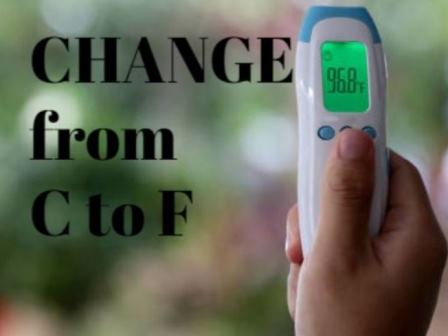
Temperature. What temperature range will you be testing? Does it need to be displayed in degrees Fahrenheit or Celsius?
Infrared Thermometer Reviews
Most accurate infrared thermometer
The most accurate infrared thermometer is better:
Your top priority when purchasing a thermometer should be finding one that’s accurate and provides consistent readings. It should also be fast-acting, especially for kids and toddlers.
The handy tool monitors your body temperature to see if it’s within the normal range. This information can be helpful for tracking changes in your body, like whether you’re fighting an illness or infection.
The sensitivity and specificity for the non-contact thermometer is 97%. The non-contact infrared thermometer is a reliable, comfortable, and accurate option for measurement of temperature and is very useful for the screening of fever in the pediatric population.
To test the accuracy of an infrared thermometer requires access to a stable surface of known temperature. Body temperature is an indication to express the health condition or pathological state.
Body temperature measurement with medical devices in today’s pandemic environment encompasses a wide variety of needs and applications.
To meet this wide range of needs, the industry has developed a large number of sensors and devices to handle this demand.
To understand the human body, a healthy body maintains its normal temperature within a narrow range, using thermoregulatory mechanisms. Extremes of temperature are easier to interpret.
At 43 ° C or higher, cells are irreparably damaged, putting your life in danger. On the contrary, as the temperature drops, cellular processes slow down and the metabolic rate drops; this suggests that consciousness is lost 33 ° C.
The body is generally more tolerant of lower than high temperatures.
Temperature measurement device
Body temperature represents the balance between heat production and heat loss. If the rate of heat generated equates to the rate of heat loss, the core body temperature will be stable.
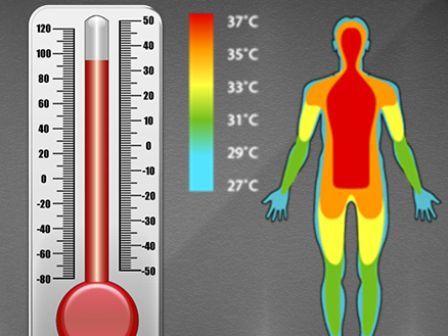
All metabolizing body cells manufacture heat in varying amounts. Therefore, body temperature is not evenly distributed across the body.
Core body temperature is found in the blood supplying organs such as the brain and those in the abdominal and thoracic cavities. The core temperature may be affected by intrinsic factors and, to a lesser degree, extrinsic (environmental) factors.
Peripheral temperature is recorded in tissues such as the skin, where environmental factors and a lack of insulating connective tissue influence temperature.
A healthy body maintains its temperature within a narrow range using homeostatic thermoregulation mechanisms. The normal range for core temperature in the literature varies, although 36° C – 37.5° C is acceptable in clinical practice.
Body Temperature Measurement Devices
Instrument used to measure Normal body temperature
The normal core temperature range varies, although 36 ° C – 37.5 ° C is acceptable in clinical practice.
It is estimated that with every 1 ° C increase in body temperature there is a 10% increase in the rate of enzyme-controlled chemical reactions.
At 43 ° C or higher, cells are irreparably damaged, putting your life in danger. On the contrary, as the temperature drops, cellular processes slow down and the metabolic rate drops; this suggests that consciousness is lost 33 ° C.
The body is generally more tolerant of lower than high temperatures.
Importance of taking body temperature
Why is thermoregulation important? There are many clinical indications for measuring body temperature, including:
To obtain a reference temperature that allows comparisons with future temperatures.
Observe and monitor patients for changes that indicate infection.
Monitor the effectiveness of antimicrobial therapy treatment for infections.
Before and during a blood transfusion to monitor for signs of a possible reaction.
Measuring body temperature
The measurement of core body temperature may seem simple, but several issues affect the accuracy of the reading. These include the measurement site, the reliability of the instrument, and user technique.
Practitioners must understand the advantages and disadvantages associated with the chosen method so they can explain the procedure to patients and obtain valid consent.
True core temperature readings can only be measured by invasive means, such as placing a temperature probe into the oesophagus, pulmonary artery, or urinary bladder.
It is not practical, nor indeed necessary, to use such sites and methods in all cases; they tend to be reserved for patients who are critically ill.
Non-invasive sites such as the rectum, oral cavity, axilla, temporal artery (forehead), and external auditory canal are accessible and are believed to provide the best estimation of the core temperature.
The temperature measured between these sites can vary greatly, so the same site ought to be used consistently and recorded on the chart with the reading.
Body Temperature Measurement Devices
Body temperature chart
Body temperature should be measured and recorded regularly with precision, consistency, and diligence. Practitioners should be acutely aware of patients’ temperature because it serves as a useful indicator of change in their clinical condition
A review has illustrated that none of the methods for measuring the temperature at the bedside is perfect. Once a site and a method have been selected, they must be used consistently to ensure accuracy and patient safety.
List of instruments used to measure temperature
The instruments used to measure body temperature are medical thermometers, body temperature is a vital sign and it is important to measure it accurately. This article reviews and compares the various methods available to measure temperature accurately and quickly.
Body Temperature Measurement Devices:
Forehead Thermometer
Tympanic thermometer
Digital oral thermometer
Digital axillary thermometer
Digital rectal thermometer
Digital basal thermometer
Baby pacifier thermometer
Skin temperature thermometer
Forehead Thermometer
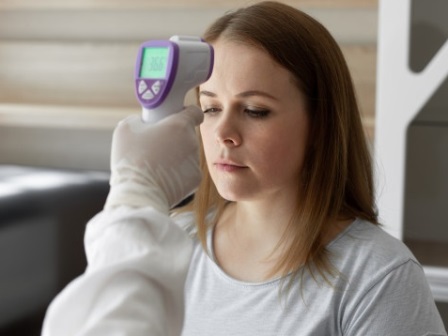
Temporal artery temperature: The temporal artery thermometer is quick to use. It is held over the forehead and senses infrared emissions radiating from the skin. However, its reliability and validity have not been widely tested.
A single-center study comparing it with other methods found that, despite the infection control advantages of this non-touch method, it underestimated body temperature compared with the control.
Tympanic thermometer
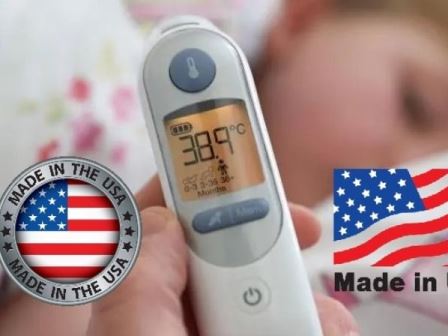
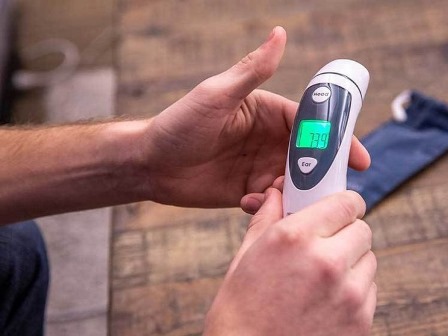
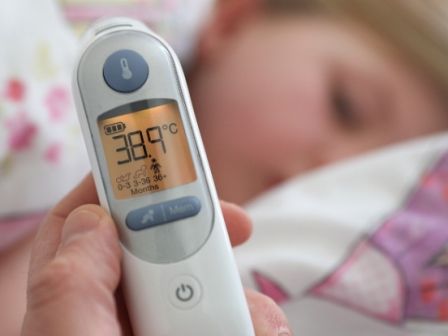
Tympanic temperature: The tympanic thermometer senses reflected infrared emissions from the tympanic membrane through a probe placed in the external auditory canal. This method is quick (<1 minute), minimally invasive, and easy to perform.
It has been reported to estimate rapid fluctuations in core temperature accurately because the tympanic membrane is close to the hypothalamus.
Although its accuracy and reliability have been questioned in many studies in the past decade, with differing outcomes, tympanic thermometry continues to be used. Operator error and poor technique are frequently cited problems, so training is recommended.
Ear wax is known to reduce the accuracy of readings, so it is recommended that the ear be inspected before measurement.
Digital oral thermometer
The oral cavity temperature is considered to be reliable when the thermometer is placed posteriorly into the sublingual pocket. This landmark is close to the sublingual artery, so this site tracks changes in core body temperature.
Electronic or disposable chemical thermometers may be used. Low-reading thermometers may be of some use. Mercury in glass-thermometers can no longer be bought because of European Council rules.
Care must be taken to avoid the anterior region immediately posterior to the lower incisors because the temperature here is substantially lower.
Factors affecting accuracy include recent ingestion of food or fluid, having a respiratory rate >18 per minute, and smoking.
The advantages of this site are that the measurement does not appear to be influenced by oral fluids or diet, environmental temperature, or other extraneous variables. If patients have been lying with their ear on a pillow, allow 20 minutes to elapse so the temperature can normalize.
Digital axillary thermometer
Axillary temperature: Temperature is measured at the axilla by placing the thermometer in the central position and adducting the arm close to the chest wall.
The literature suggests that this is an unreliable site for estimating core body temperature because there are no main blood vessels around this area, electronic digital thermometers can be used on this site as a reliable alternative in older people.
Digital rectal thermometer
Rectal temperature is said to be the most accurate method for measuring the core temperature. However, obtaining this is more time-consuming than other methods and might be considered unfavorable for some patients. Practitioners should pay particular attention to issues of privacy.
The presence of feces prevents the thermometer from touching the wall of the bowel and may generate inaccurate readings. This method does not track immediate changes to core temperature because of the low flow of blood to the area, so core temperature may be under-or overestimated at times of rapid flux.
Digital basal thermometer
A basal thermometer is used by women to track ovulation through changes in temperature. It is an extremely sensitive thermometer that records temperatures to 0.1 degrees Fahrenheit increments, rather than 0.2 degrees Fahrenheit increments.
Baby pacifier thermometer
Another option for young children is the pacifier thermometer. This thermometer is shaped like a pacifier and after your child sucks on it for about 90 seconds, an oral temperature is taken.
Skin temperature thermometer
Chemical thermometers can be applied to the forehead or axilla, and the temperature is read to the nearest 1°C based on color change. Some thermometers display the actual temperature, but others contain an offset, and therefore, display the estimated core temperature.
Sensitivity for detecting fever was close to 90% in some studies, but it was as low as 30% in others, with rectal temperatures being the reference standard. Ambient temperature can affect measurements.
The most read
What instrument is used for measuring body temperature?
What instrument is used for measuring body temperature?
Most people would say that thermometers measure temperature, and that is true, but there are many different types. Also, some things are too small to use a standard bulb thermometer to determine your body temperature.