All posts by Loganx

Professional Web Writer | Motor Enthusiast | Content Creator | Logan is a dedicated and skilled web writer, passionate about engines and machines and with a talent for creating engaging and informative content. She specializes in writing about a diverse range of topics including construction, forklifts, heavy equipment, excavators, etc. SEO Optimization: Proficient in SEO best practices, ensuring high visibility and engagement for all published content.

Heavy Duty Equipment

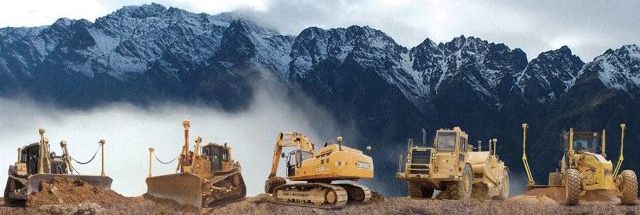
The construction machines are those that allow performing different works in the field of land adaptation, so that later buildings, bridges or other types of works can be elevated in them.

Likewise, they can also be responsible for the remodeling or dismantling of old buildings that are in poor condition.

These machines can level the ground where after the different jobs are going to be carried out, modifying the profile so that they can be carried out more comfortably and are the most appropriate, depending on the engineering project that has been carried out.

Heavy Duty Equipment

Heavy construction equipment

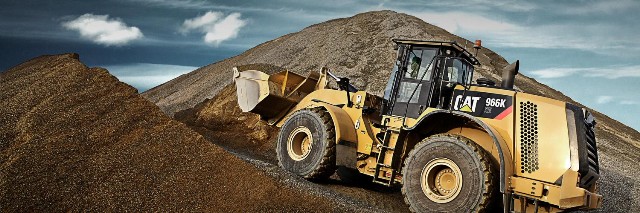
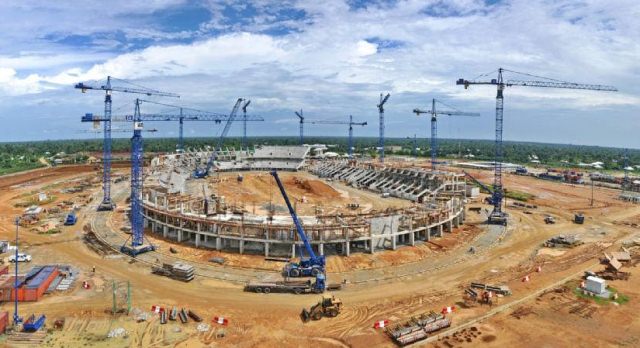
Heavy equipment is essential for construction jobs of almost any size, from home building to large-scale commercial and civil projects. Earth-moving equipment covers a broad range of machines that can excavate and grade soil and rock, along with other jobs.

Earthmovers and other heavy equipment help to speed not only earthwork but also materials handling, demolition, and construction. Many types of heavy construction equipment are designed for multiple functions, making them indispensable on job sites.

Excavators

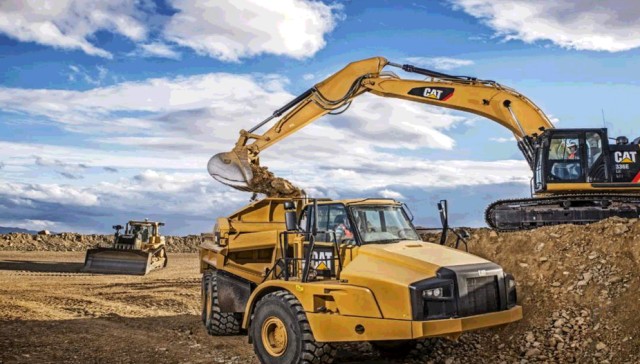
Excavators are large construction equipment that can be driven by tracks or wheels, but tracks are more standard. A conventional excavator has a long bucket arm attached to a pivoting cab that can rotate a full 360 degrees. The operator sits in the cab and from there has good visibility of the site. Excavators are highly versatile and can be fitted with special attachments for specialty jobs. The most common uses for an excavator include:

  • Material handling
  • Excavating trenches, holes, and foundations
  • Brush cutting with hydraulic attachments
  • Demolition
  • Rough grading
  • Heavy lifting and pipe installation
  • Mining
  • River dredging
Heavy Duty Equipment

Bulldozers

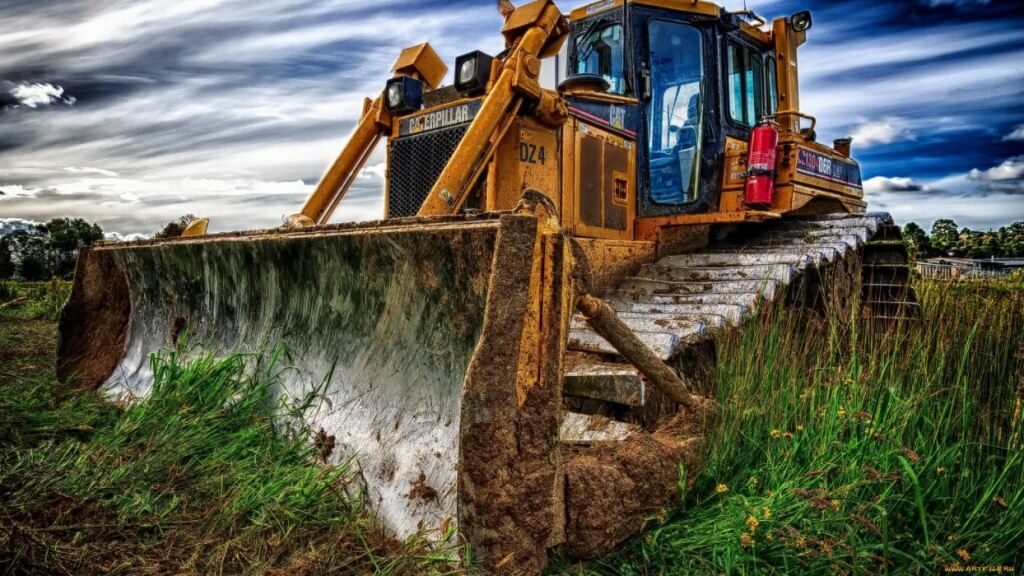
Bulldozers are considered one of the strongest and most reliable heavy equipments used in the construction industry. A bulldozer is a powerful and extremely heavy machine used ​to move dirt along large open tracts of land. Bulldozers have a wide, flat blade in front that can be operated using two hydraulic pistons to move the blade in a limited range of angles and depths. They are normally used to push piles of earth and for rough or fine grading, depending on the size of the bulldozer. A bulldozer’s considerable weight helps it crush large boulders, among other operations.

Motor graders

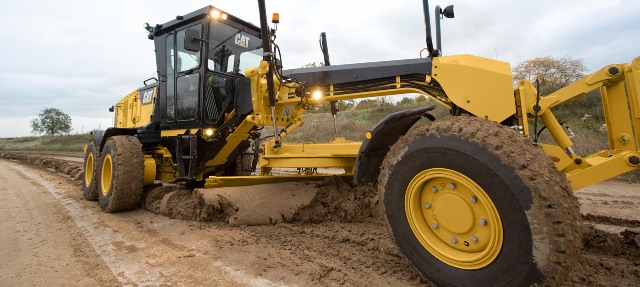
Motor graders are heavy equipment used for fine grading and for moving small amounts of dirt. They have a long blade that can be adjusted to meet certain angles to create a flat surface. They can also be fitted with a second blade in front of the front axle and in some instances can be used for underground mining. Motor graders are typically used to fine grade dirt or gravel roads or to prepare the road base course before placing asphalt. Graders can also be used to create sloped surfaces or drainage ditches with shallow V-shaped cross-sections.

Heavy Duty Equipment

Dump trucks

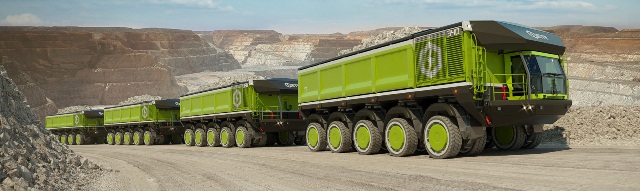
Dump trucks are needed on almost every large job site. They offer limited function but perform the all-important task of moving and dumping many types of heavy material. They are also road-ready so they can bring material into or out of the site and can travel anywhere large equipment is permitted. Dump trucks come in many different sizes for different capacity and load needs, ranging from small utility-type trucks with dumping beds to enormous machines used in mining operations.

Heavy Duty Equipment

Types of heavy machinery

CLASSIFICATION OF THE MACHINERY: The machinery according to the relation of Weight/volume that is to say according to its capacity is classified in the following way:

  • Heavy machinery: Machines of great geometric proportions compared to light vehicles have weight and volumetry considered; it requires a trained operator because the operation varies according to the machinery; It is used in earthworks of large civil engineering works and in open-pit mining works. Examples Cranes, excavators, tractor, etc.
  • Small construction equipment: They are medium-sized machines generally used in construction for example dump trucks, tanks or water carts, ladder trucks. The weight and volume of these units is medium
  • Light construction equipment: Light equipment: They can be small machines or specialized equipment; such as: compressors, water pump, mud pump, vibrators, bed bugs, steel cutters, floor breaks, forklifts, etc.
  • Heavy vehicle: Among these vehicles is the truck with stakes or truck with bodywork.
  • Medium Truck: Among the light-heavy vehicles are those of public use such as buses, minibusses, etc.
  • Lightweight vehicles: Of reduced weight and volume, self-transporting, for example, automobile, vans, jeep, van, minibus, etc.
Heavy Duty Equipment

What is considered heavy machinery

Among the main construction machines, and depending on the type of work, the following can be contemplated:

Demolition work

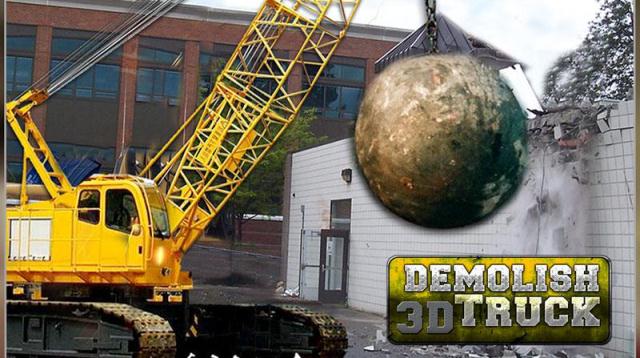
Demolition Ball: It is normally used in large buildings and higher. It consists of a ball of great weight, which is linked by a chain or cable to a crane that makes it swing towards the building or building to be knocked down.

Hydroforest: It is an excavator that has large cogs, which rotate in both directions, providing a perfect extraction in the field.

Mechanical Hammer: This is one of the machines used by professional teams, and which is also known as the “breakthrough hammer”. It is used to make holes or demolish pavements. There are three types of hammers:

  • hydraulic
  • tires
  • electric
Heavy Duty Equipment

Excavator machine

In this group, it is necessary to differentiate according to the different points in which the work is carried out, since depending on it the type of machinery to be used varies.

Outdoor works:

  • Loader shovel
  • Excavator
  • Excavator shovel
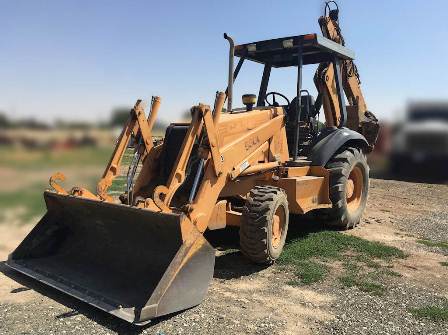
  • Backhoe
  • Skid steer loader
  • Dragline

Ditch work: The trenchers, which are machines that are usually used in those works where tubes or cables have to be installed under the ground.

Sub-aquatic excavations: The dredger is used, which is a type of machinery that is used for works in which excavation work must be carried out underwater.

This machinery, in addition, will allow extracting the extracted runes to the surface. There are different types of dredges, such as mechanical and suction.

Tunnel excavations:

  • Subterrene
  • Tunnel boring machine

Earthmoving equipment

The levels of the grade and subgrade project of the paving or grading works of a cultivation plot or of an industrial or sporting terrain establish the need to modify the natural profile of the soil, being necessary, in some cases, to reduce said levels and in other cases elevate them. In the first case, it is necessary to carry out a “cut or excavation” work, and in the second, a “fill” job.

  • Bulldozer
  • Dumper
  • Tilting truck
  • Scarification machine: It involves making small incisions in the works, which are made with a mototrailla.
  • Road construction: The leveling consists of the operation of determining a tachymeter level of the land or work, knowing previously an initial or exit level. Said levelings will reflect the unevenness that exists between the different points of the plot or plot studied:
    • Motor grader
  • Road Compactor: Filling placed in successive layers, compacted and controlled to ensure that it corresponds to the specific standards of compaction and to know the moisture content of each of the layers, as well as its thickness and bearing capacity.
    • Compactor with goat legs
    • Compactor or compactor
    • Roller compactor
  • Heavy Machinery Transport: Transportation of materials
    • Forklift
    • Dump truck
  • Accessibility machinery
    • Aerial platform
  • Concrete pump
    • Concrete pump
    • Hydraulic bomb
  • Manufacturing of materials
    • Concrete mixer
    • Asphalting machine
    • Crusher
  • Finishing and cutting of materials
    • Modulator
    • Mountain range
Heavy Duty Equipment

Heavy machinery for construction

In the world of construction and Civil Engineering, today we can count on a number of heavy machinery, which provide us with greater performance in terms of excavation work, to remove the topsoil, compaction, trucks to transport materials to incorporate in the work, loaded with construction materials, in short, with these machines we can save time and a lot of money.

At present we can find a diverse number of machines that can provide us an optimal performance, guaranteeing us the work to be done and the execution time is very fast. Now, we must know how to choose the machinery to use, therefore we must choose some of the heavy equipment that can be found in the market and its use in construction.

Heavy equipment transport

Special road transport of large equipment and machines: These are special high capacity convoys equipped with large gondolas and powerful tractor and push heads capable of moving the load. This type of transport is carried out with great care given the great weight and volume of the cargo, requiring gondolas of great strength and often designed to measure.

The gondolas sometimes have their own braking equipment independent of the tractors and the average transport speed is barely more than 20 km/hour, requiring also restricting and even cutting the traffic of the area where they move.

Sometimes there have been cases where the weight of the transported equipment exceeds the load capacity of many modern bridges equipped with large lights between pillars (such as those existing on modern highways and motorways), the passage of the convoy not being possible for the same.

To solve the problem the convoy has had to use other bridges of previous construction than by its design (minor lights and arcs between columns) if they support this type of overloads, requiring large detours, traveling on winding roads, excessive slopes, etc … All this makes this type of displacement a true adventure for the great professionals of transport and engineering.

Tractor truck – Lowboy: They are large teams that have the function of transporting large distances to machinery that by their characteristics cannot do it

What is heavy duty equipment?

What is heavy-duty equipment?

Heavy equipment refers to heavy-duty vehicles, specially designed for executing construction tasks, most frequently ones involving earthwork operations. They are also known as heavy machines, heavy trucks, construction equipment, engineering equipment, heavy vehicles, or heavy hydraulics.

How Do I Become A Heavy Equipment Operator or Heavy Duty Equipment Mechanic?

Although there are no formal requirements to work as a Heavy Equipment Operator, employers prefer a high school diploma or its equivalent; completion of a one to two-year apprenticeship program OR some high school, college or industry courses in heavy equipment operating combined with on-the-job training. You may also start out as a laborer or truck driver, and learn on the job from experienced heavy equipment operators.

Why is heavy machinery yellow?

It has been an industry-wide practice to adopt yellow as the primary color of heavy equipment. Yellow is primarily treated as the color of caution and visibility. Since all the heavy machinery which are employed in the mines or construction sites must be handled with the utmost care, they are provided with yellow color.

What does a heavy-duty fitter do?

Heavy equipment mechanics work with vehicles and machines used in farming, construction and railway transport to inspect, repair and maintain them. Heavy equipment mechanics do more than just engine repair and must have knowledge of electrical systems, hydraulics, fuel, and brake lines and more.

What does a heavy-duty diesel mechanic do?

Diesel engines are known for their hard work, and because of that are found in hard-working vehicles like buses, large trucks, boats, bulldozers, dump trucks, cranes, and even some light-duty trucks and cars. Diesel mechanics deal with everything From routine oil changes to full engine rebuilds.

Heavy duty equipment images

The most read

What is heavy equipment?

If you are new to construction and drilling, it’s important to understand the types of equipment that will be used on the job.

More on this story

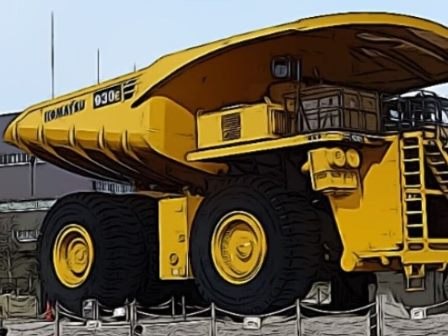
is a dump truck considered heavy equipment?

It should be noted that the term “heavy” does not refer to the weight or size of the machine, but to the heavy-duty nature of the tasks it performs.
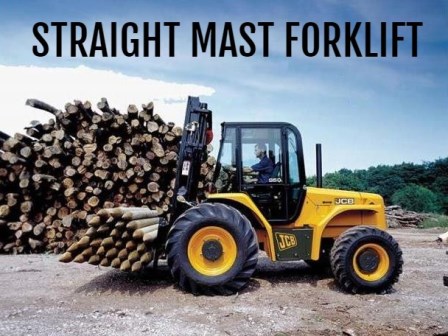
is a forklift considered heavy equipment?

It should be noted that the term “heavy” does not refer to the weight or size of the machine, but to the heavy-duty nature of the tasks it performs.

Forklift Mast Types

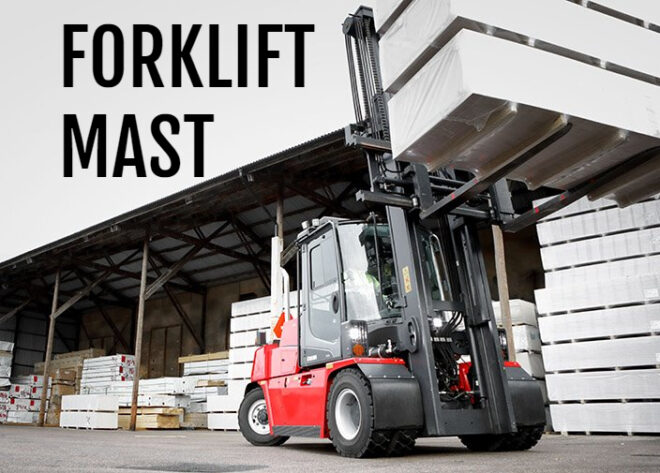
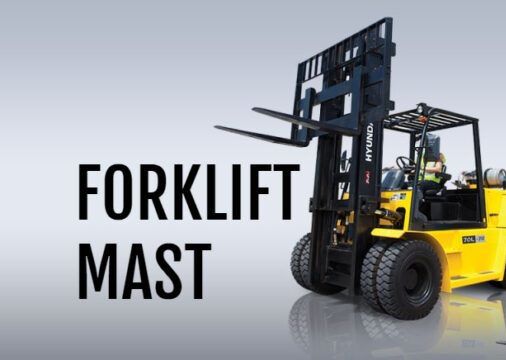
Also referred to as an ‘Upright’, the mast is the vertical assembly on the front of the forklift that does the work of raising, lowering, and tilting the load. Most masts are ‘three-stage’ meaning there are three channels on each side. The channels are similar in appearance to I-Beams.
Attached to the mast is the carriage. Attached to the carriage are the forks. The carriage is actuated by the hydraulic piston in the middle of the mast. Pulling the mast lever on the cowl raises the load by actuating that piston, thus lifting the forks and your load.
All masts lift by hydraulic displacement and lower by the force of gravity. From a simple direct lift to multiple channel staging, each mast type has features that enhance performance or extend the application range of the lift truck.

Free lift is the distance that the carriage will raise prior to the inner channel extending. This feature is imperative for double stacking in a trailer.

Another feature that is an option but is now considered essential to most users is “side shift”. This feature allows horizontal movement of the forks to more precisely pick and place loads in less time.

Forklift Extensions

  • What types of masts are there?
  • What is the size of a forklift mast?
  • What is the difference between a 2 stage and 3 stage mast?
Forklift Mast Types

Forklift mast

What type of mast do you need for your forklift?

This may be a question posed to you during your next forklift purchase. Understanding the types of masts available and what each can do is helpful for selection. Below defined the four basic types of uprights and masts: standard, duplex, triple stage, and quad.

Forklift Mast Types

Single-stage mast forklift

Single Stage: The single-stage mast has one channel with a limited lifting height. Free lift (the ability to lift the load and forks without moving the mast channels) is not available.

Due to this limitation, the mast must extend higher than other mast options in order to stack loads. This type of mast is frequently seen in outdoor applications where overhead clearance is not a concern, due to the lack of height clearance restrictions.

standard forklift mast height

The standard upright is a two-stage assembly with two rails, one stationary and one movable inner rail. This upright uses two side-mounted lift cylinders to provide direct lift to the inner rails and indirect chain lift to the carriage/fork assembly. The chain raises the carriage at a rate of two inches for every inch of cylinder rod extension.

Single-stage mast forklift

2 stage mast forklift

Two-Stage: The two-stage mast is more common and has a free lift available. These are typically used for stacking and double stacking for indoor applications with limited overhead clearance. They provide excellent visibility and are ideal for use in trailers and boxcars.

Duplex mast forklift

The duplex upright is a two-stage assembly with a full free lift. This upright resembles the standard upright and works in the same way, except a primary, center-mounted cylinder provides full free lift.

The primary cylinder also raises the carriage at a 2-to-1 ratio but raises the carriage to the top of the inner rails before the hydraulic fluid is rerouted to the side-mounted secondary cylinders for direct rail lift.

2 stage mast forklift

3 stage forklift

Three Stage – The three-stage mast is the most common and versatile forklift mast available. Its free lift and greater heights provided by three stages make for a great lift for stacking in general warehouse applications.

3-stage mast forklift

Triple Stage Upright: The triple-stage upright uses three sets of rails, two movable rails, and one stationary rail for three stage lift with a full free lift. The same principles of operation apply in the triple-stage lift as the hi-lo model but with an extra stage of the lift.

The primary cylinder provides the full free lift of the carriage and forks. The secondary lift cylinders are attached to the intermediate rails. When these cylinders begin to lift, they lift the intermediate rails directly while the chains pull the inner set of rails along with the carriage/fork assembly.

3 stage forklift

4 stage mast forklift

A four-stage mast provides the highest reach thanks to its four sets of moving rails. These are designed for very high stacking in specialized warehousing and other industries.

Quad mast forklift

The quad upright uses four sets of rails and an added set of chains to provide four stages of lift with a full free lift. Quad uprights work basically in the same way as triple-stage uprights except in that the second set of chains and pulleys operated by the secondary lift cylinders provide the fourth stage of the lift.

4 stage mast forklift

Forklift lifting capacity

The lifting capacity of the forklift decreases as its load is raised

Many people may wonder why some of these differences matter. One would think the only important aspect of a forklift mast is how high it can lift. However, the lowered height is sometimes just as crucial as the maximum lift height. If your application requires you to take a load through a door or your facility has any overhead restrictions, the down height is very important.

Can you make it through all your doors? One step further, can you make it through your doors with your load raised 6″? a full free lift can make that difference when loading and unloading trucks on a dock, in a container, etc…

Keep in mind your capacity as well. Forklifts have a certain base capacity. Take a 5,000 lb. cushion forklift with a triple mast and a side-shift attachment. While the forklift was built to handle a capacity of 5,000 lbs., that was before the triple stage mast and side-shift.

Those features (and others, i.e. extended tilt) can “de-rate” your forklift so your maximum capacity is raised all the way to 188″ and tilted all the way forward while using your side-shift, which could be as low as 2,500 lbs.

Straight mast forklift

Straight mast forklifts are the upright vertical assembly on the front of the machine, raising and lowering the load. All forklifts of this nature work through hydraulic displacement for lifting, and gravity for lowering, but there are different mast types with various benefits.

  • Single-Stage Mast forklifts
  • Two-Stage Mast forklifts
  • Three Stage Mast forklifts

How many mast types are there?

How many mast types are there?

Understanding the types of masts available and what each can do is helpful for selection. Below defined the four basic types of uprights and masts: standard, duplex, triple stage, and quad.

What is a simplex mast?

A simplex mast is a single-stage mast with a single channel. The mast and carriage ride simultaneously. It is built in different sizes to meet various lift heights.

What is a duplex mast?

A duplex mast has two carriages, or stages, whereas a triplex mast has three carriages or stages. Triplex masts are generally more sought after as the inclusion of an additional carriage ensures maximum lift height that condenses down into minimal closed height.

What is 3 stage mast in a forklift?

3-Stage – A three-stage mast, or triplex, is the most versatile forklift mast and also the most popular. The outer rails allow for free lift, and the two inner sections can lift loads higher than a two-stage.

What is a quad mast forklift?

A quad or four-stage mast is designed for very high stacking. Quad masts allow for a shorter collapsed height when compared to a three-stage with equivalent MFH (maximum fork height).

What is a free lift mast?

‘Free Lift’ refers to a forklift truck’s ability to lift its forks without raising the masters. This is particularly useful when operating within tight height restrictions.

What is a straight mast forklift?

Straight mast forklifts are the upright vertical assembly on the front of the machine, raising and lowering the load.

The most read

3 Stage Mast Forklift

A three-stage mast consisting of an outer mast, a middle mast, and an inner mast, each mast slidably and nestable engaging an adjacent mast and configured for a positive and negative lift along the length of each mast.

More on this story

Swing Mast Forklift

Articulated & swing mast forklifts can help you get the most out of your warehouse storage space, but there are other ways to optimize your warehouse design to ensure optimal efficiency.

3 Stage Mast Forklift

3 stage mast forklift: A three-stage mast consisting of an outer mast, a middle mast, and an inner mast, each mast slidably and nestable engaging an adjacent mast and configured for a positive and negative lift along the length of each mast.

A first linkage system comprising a cylinder assembly mounted on the outer mast and a chain fixed at opposite ends to the outer and middle masts, therebetween engaging a pulley on the cylinder assembly, wherein the first linkage system achieves a 2:1 movement ratio of the middle mast to the cylinder assembly.

And a second linkage system comprising a chain fixed at opposite ends to the outer and inner masts, therebetween engaging a pulley on the middle mast, wherein the second linkage system achieves a 4:1 movement ratio of the inner mast to the cylinder assembly

3 Stage Mast Forklift

3 Stage forklift

3-Stage – A three-stage mast, or triplex, is the most versatile forklift mast and also the most popular. The outer rails allow for free lift, and the two inner sections can lift loads higher than a two-stage. This mast type is a good choice for general warehouse applications.

Container mast forklift

The term container mast is widely used in the forklift industry.

Most Container masted forklifts are also 3 stage masts. They achieve lift heights of up to 4.7 meters in a standard forklift and up to 5.0 meters in a compact and some electric counterbalance units.

Basically, you can drive inside a container or under a mezzanine floor and lift up, without putting the mast of the forklift through the roof or the floor of your Mezzanine. Hence the term container mast.

The combination of a machine that can lift in a container and still lift outside the container makes container mast units very versatile, but like everything, there is a trade-off.

3 Stage Mast Forklift

Forklift mast types

3 stage mast forklift

Forklift truck masts are typically described in two ways:

  • The number of carriages within the overall mast mechanism
  • The lift mechanism

The number of carriages within the overall mast mechanism denotes how many ‘stages’ there are within a mast. A duplex mast has two carriages, or stages, whereas a triplex mast has three carriages or stages. Triplex masts are generally more sought after as the inclusion of an additional carriage ensures maximum lift height that condenses down into minimal closed height.

The lift mechanism within a forklift truck mast is typically either ‘standard’ or ‘full free lift.’

A standard mast offers maximum visibility to the driver as there is a clear gap between the outside of the lift carriage, however for the forks to move, the mast itself must move.

A ‘full free lift’ mast allows the lifting of the forks without the raising of the mast itself. This is particularly useful if operating in tight overhead height restriction. The inclusion of full free lift does impair the driver’s visibility however, as the mechanism requires a hydraulic ram situated within the center of the mast.

3 Stage Mast Forklift

What is a forklift mast?

The mast is the system in a forklift that performs load lifting.

The mast consists of a fork and an elevation mechanism, associated with the lift truck’s hydraulic assembly. Two systems of classification have arisen to describe a forklift truck’s mast in detail.

An operating manual may classify the mast either by the lift mechanism or by the number of mast “sections”. Regardless of the terminology, it’s important to know the difference in forklift mast types when choosing the right forklift mast for your facility.

The mast makes a big difference in the functionality of a forklift within a particular environment. The single mast elevates the inner mast section along with the load. It requires additional overhead space to allow for the channels of the mast to raise higher than the load. This can be problematic in narrow aisles and tight quarters at lower forklift lift heights.

What is a 3 stage forklift?

What is a 3 stage forklift?

3-Stage – A three-stage mast, or triplex, is the most versatile forklift mast and also the most popular. The outer rails allow for free lift, and the two inner sections can lift loads higher than a two-stage.

what is single stage mast forklift?

The single-stage mast has one channel with a limited lifting height. Free lift (the ability to lift the load and forks without moving the mast channels) is not available. Due to this limitation, the mast must extend higher than other mast options in order to stack loads. This type of mast is frequently seen in outdoor applications where overhead clearance is not a concern, due to the lack of height clearance restrictions.

What is a mast on a forklift?

Also referred to as an ‘Upright’, the mast is the vertical assembly on the front of the forklift that does the work of raising, lowering, and tilting the load. Most masts are ‘three stages’ meaning there are three channels on each side.

What is Forklift Free lift?

‘Freelift’ refers to a forklift trucks ability to lift its forks without raising the masters. This is particularly useful when operating within tight height restrictions.

How does a forklift lift?

The lift handle is attached to an electrical air pump at the base of the forklift. Once the handle is pressed, it triggers the air pump that draws the outside air through a filter and forces it into a tube reaching to the hydraulic cylinders.
Lifting Mechanism: Hydraulic Cylinders

How much does a forklift mast weight?

The average automobile weighs approximately 3,000 lbs and the average forklift weighs close to 9,000 lbs. Also, forklifts are heavier in the rear to counter the weight of items being carried in the forks.

The most read

Stand-up Forklift

Stand-up forklifts (also known as stand-on and electric riders) are designed for applications where the operator must get on and off the lift truck frequently.

More on this story

Forklift rules and regulations

Forklift loader rules, guidelines, and regulations, forklift rules and regulations, fork truck safety, forklift training license.

What is a mobile crane?

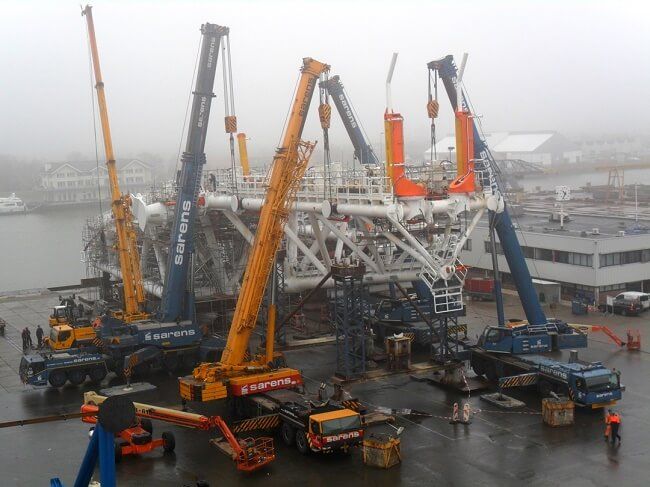
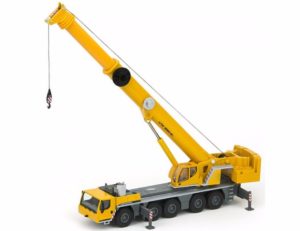
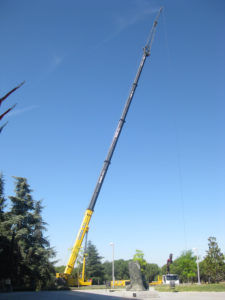
What is a mobile crane? The mobile telescopic cranes, usually have the particularity, what distinguishes them from all others to have a boom telescopic, that carries more than one cylinder, the telescopic boom that carries a usually rectangular shape. This heavy machine is useful in the work of modern construction

what is a mobile crane?

Telescopic crane boom

The telescopic cranes are mobile in the sense that they transport goods and articles in a flexible way.

In addition, as telescopic cranes are also equipped with height adjustments, when it comes to transporting and transferring goods from one place to another, the problems related to height are completely eradicated.

Heavy cranes, such as telescopic cranes, can be mounted on top of a truck and then driven to those places where goods and loads need to be moved.

The main difference between a telescopic crane and other conventional cranes is that the former has a hollow boom that contains several tubes mounted on one side and another. A hydraulic mechanism allows the movement of elongation and refraction of the beam.

Telescopic crane specifications

  • The telescopic boom that it carries with it has a usually rectangular shape.
  • Its materials are made of high durability and strength steel.
  • the regulation of the base or platform that it carries is generally fulfilled automatically.
what is a mobile crane?

How cranes work

The operation of the system can be based on two concepts; the first of these is the total hydraulic, and as a second or remaining system, it is an electric drive, which in case of limitation sends a warning to a control panel, avoiding accidents.

It carries with it a continuous 360 ° rotation based on a planetary reducer with an involuntary disk brake and activated by an orbital hydraulic motor with high torque and low revolutions.

The stabilizers of this crane are operated by four feet with their respective hydraulic system, composed of double brake cylinders, which carry a blocking valve.

At the same time some limit switches are placed in each of the stabilizers that above all the only objective will be to ensure the adherence of these to sleep and prevent them from raising the boom if the stabilizers are not properly fitted, this way they will ensure stability to perfection and therefore safety when working.

I get also a false frame so that in this way can be absorbed those efforts of bending and torsion results of the platform and in the van placed the stabilizers and the superstructure, thus relieving the efforts without the need to the telescopic crane.

This type of crane is equipped with a hydraulic system that is driven by a pump that diverts strength from the crane, engines, tanks, filters, safety, and blocking valves, double-acting control valves, and high-precision pipes.

what is a mobile crane

Cargo crane

Cranes, such as telescopic cranes, are often used in daily hauling operations, but it must also be borne in mind that these heavy cranes are very important when it comes to maneuvering operations in ports as well.

Heavy cranes are very important equipment. And of all the variants of heavy cranes, the telescopic cranes are unique because they not only offer utility but also mobility from side to side.

By recognizing the contribution of telescopic cranes as one of the best-designed devices to help load transfer in today’s times, it is like giving these heavy cranes their deserved recognition and credit.

telescopic crane transporting cargo

Construction crane

In terms of ports, telescopic cranes offer one of the best possible services. This is because a port is a place that is always full of activity.

The loading and unloading of cargo is something that takes place in any port without a break of a second.

This being the case and given the disadvantages of several other types of heavy cranes, telescopic cranes offer superior support for the proper functioning of tasks in a port.

In any port, you can find many of these telescopic cranes that allow easy mobility and transfer of cargo to the appropriate containers, thus providing the utility in the best possible way.

It is also widely used in the following fields

  • in the construction of buildings
  • in the construction of bridges
  • manufacture of prefabricated components
  • electrical installations, electrical towers
  • wind fields
  • hoisting machinery and heavy equipment
crane hoisting load

Port cranes

Considering today’s rapid development, it is natural that the cranes have begun to be widely used.

But in terms of the shipping industry and the transport of goods and cargo through ships, cranes have always been the main technology used.

This is because, when it comes to transporting goods and transferring cargo from one area of ​​a port to another, it is very difficult to use simple shelves for luggage, since the quantity and weight of the cargo in the ports is quite heavy and, therefore, requires the help of such telescopic cranes to carry out the cargo transfer process.

Telescopic cranes are used very often in ports due to the ease of mobility they present and the possibility of adjusting the height they offer. They give flexibility to a new name and also provide exceptional service at the same time. Like heavy cranes, telescopic cranes are very popular and highly demanded and easily visible in most ports around the world.

TELESCOPIC CRANES IN PORT

Telescopic crane parts

Supporting chassis

Truck in charge of transporting the crane depends on each model. Support of the crane, cabin, boom; transports all the weight, in the van placed the stabilizers and the superstructure, thus relieving the efforts.

Orientation crown

To maneuver the load, the boom must be able to move to the right and to the left, as well as up and down.

Beneath the operator’s cab is a Rotex gear on a rotating platform bearing that rotates at 2 revolutions per minute (rpm).

It is powered by a bidirectional hydraulic motor mounted in the cab and housed in a metal cover to prevent injury.

The rotation is controlled by a pedal pedal hydraulic in the cabin.

Telescopic boom

The most recognizable part of any crane is the boom. This is the steel arm of the crane that holds the load.

Rising just behind the operator’s cab, the boom is the essential piece of a crane, allowing the machine to lift loads to several dozen feet.

Most hydraulic truck cranes have a boom that has several telescopic sections

Some arms are equipped with a feather, which is the lattice structure attached to the end of the arm.

As the load is lifted, the sections extend to the desired height.

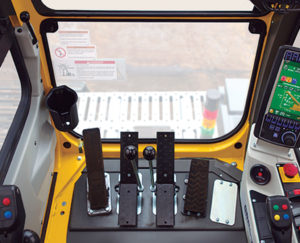
Control cabin

All this equipment is controlled by the operator inside the cabin, which is located at the top of the deck.

Crane operators use various control mechanisms to raise and lower the boom, turn the boom and boom, wind and roll the winch and control other peripheral equipment.

Stabilizers

Hydraulic truck cranes are used to lift heavy loads at high altitudes, and it is important that the truck is completely stable during the lifting operation.

The tires do not offer the necessary stability, so the truck uses stabilizers that act as scales to prevent the crane from leaning too far to one side or the other.

The stabilizers use the hydraulic system to lift the entire truck, the tires and everything from the ground.

The stabilizers are formed by the beam, which is the leg of the stabilizer, and the pad, which is the foot.

Sometimes, “floats” are placed under the platform to dissipate the strength of the crane and the load on the concrete or pavement. Floats are usually wooden boards that line up to create a base that is larger than the pad.

It consists of four extensible feet with its respective hydraulic system. The stabilizers are only one mechanism used to balance the crane during lifting operations.

Counterweights

There are also removable counterweights that can be placed on the back of the crane at the bottom of the cab.

These counterweights prevent the crane from tilting forward during the operation.

The amount of counterweight needed for a particular lift is determined by the weight of the load, the radius of the boom and the angle of the boom during the operation.

Counterweights are only used during lifts; They have to be removed before the truck can be driven.

Steel cable lines

Reinforced steel cable lines run from a winch just behind the operator’s cab, extending up and over the boom and arm.

The lines go up the boom telescopic and adhere to a goalball; It keeps the lines taut when there is no load on the hook.

crane parts

Crane lift

The hydraulic crane has two basic types of controls to maneuver a load:

Joysticks: There are two joysticks in the cabin. One controls the movement from left to right of the arm and the other controls the movement back and forth.

Pedals: These pedals are responsible for retracting and extending the telescopic sections of the boom. They also control the amount of pressure generated by the pump.

Lifting equipment

The joysticks and pedals are connected to hydraulic hoses that connect several hydraulic cylinders to the spool valves.

The spool valve is connected to the hydraulic pump through a third hose that is placed between the two hoses that go from the spool valve to the hydraulic piston.

When a joystick is pushed in one direction, the valve closes one of the hydraulic hoses that lead to the ram and opens the other.

The way the joystick is pushed determines whether the piston in the hydraulic ram slides in or out.

The reel valve system allows the crane operator to control the hydraulic pistons.

Operator crane

Before any survey, the operator enters the data into a computer inside the booth, including the weight of the object to be lifted and the height at which it must be lifted.

This computer serves as a backup for the operator, warning the operator if the crane is being pushed beyond its capacity.

Using a graphics folder in the cabin, the operator also determines the elevation angle and the radius of the boom.

Once all of this is entered, the computer can track the progress of the elevator and warn the driver if the crane is close to its limitations.

If the boom is raised too high for the load amount, a series of lights just above the interior of the front window will begin to light. These lights are the warning lights of the LMI charging moment indicator.

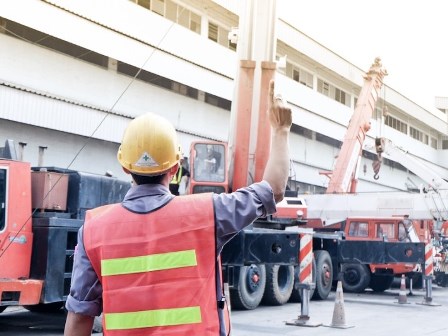
There are at least two other people needed to perform a survey correctly, including the greaser and the signalman.

The oiler is responsible for making sure that all parts of the crane are in place and secured before any lifting.

He or she also acts as an observer during a survey to ensure that the survey is done correctly.

The signalman, as the name implies, gives the operator manual signals during the survey to make sure that the load is being maneuvered correctly.

cockpit

Hydraulic crane

How a hydraulic system works: If you have read How hydraulic machines work, know that the hydraulic crane is based on a simple concept: the transmission of forces from one point to another through a fluid.

Most hydraulic machines use some type of incompressible fluid, a fluid that is at its maximum density.

Oil is the most commonly used incompressible fluid for hydraulic machines, including hydraulic cranes.

In a simple hydraulic system, when a piston pushes down the oil, the oil transmits all the original force to another piston, which is pushed upwards.

A hydraulic pump creates the pressure that moves the pistons. The pressure in a hydraulic system is created by one of two types of hydraulic pumps:

  • Variable displacement pump
  • Gear pump

Hydraulic system

Most hydraulic truck cranes use two-gear pumps that have a pair of interconnected gears to pressurize the hydraulic oil.

When it is necessary to increase the pressure, the operator presses the accelerator of the foot to make the pump work faster.

In a gear pump, the only way to get high pressure is to run the engine at full power.

For example, A 70-ton hydraulic crane uses a 12.7-liter diesel engine that generates up to 365 horsepower. The motor is connected to three two-gear pumps, which include:

Main pump: this pump drives the piston rod that raises and lowers the boom, as well as the hydraulic telescopic sections that extend the boom. The main pump can generate 3,500 pounds per square inch (psi) of pressure. It generates more pressure than the other two pumps because it is responsible for moving much more weight.

Pilot pressure counterbalance pump: a hydraulic crane uses counterweights at the rear of the cab to prevent it from tipping over. These are added and eliminated by a hydraulic lift that has its own pump. The counterweight gear pump can generate 1,400 psi.

Steering pump/stabilizer: a pump controls the steering and stabilizers. The stabilizers are used to stabilize the truck during lifting operations. Because the direction and operation of the stabilizer are not performed simultaneously, they work with the same pump. This pump generates 1,600 psi.

telescopic crane

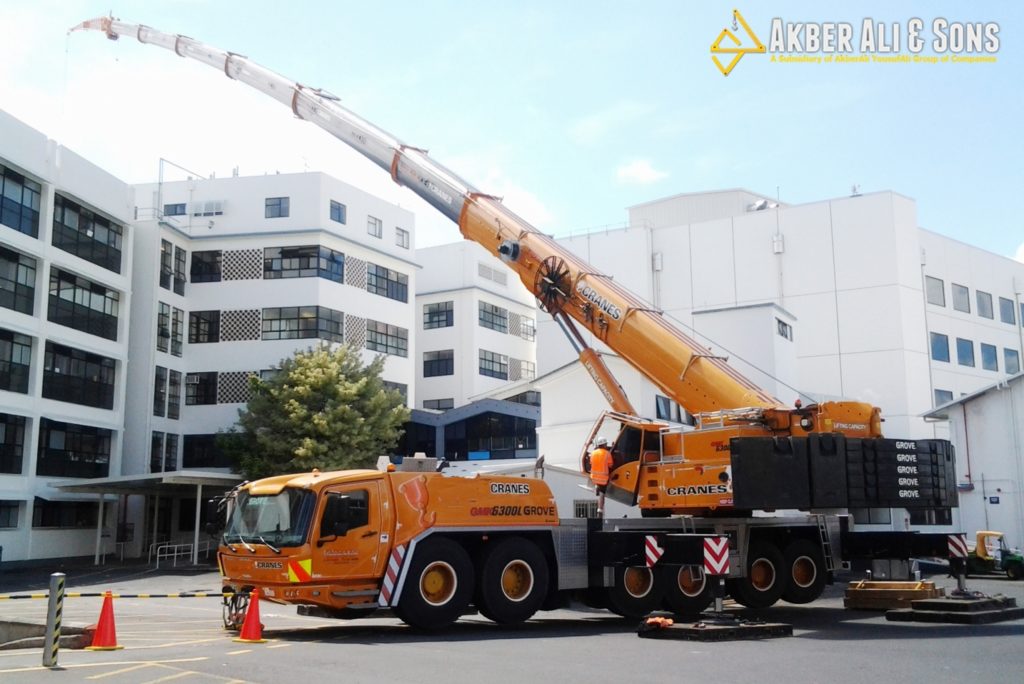
Grove telescopic crane

Hydraulic truck cranes provide a raw force to move objects, machines and even large animals that would otherwise be very difficult to move.

With a very simple hydraulic principle, these machines move thousands of pounds with relative ease, which makes them an essential component of most construction projects and a great example of the power of basic physics.

There are hybrid telescopic cranes, combining articulated arms and metallic lattice boom; to reach unsuspected heights.

Hydraulic cranes can be simple in design but can perform herculean tasks that would otherwise seem impossible.

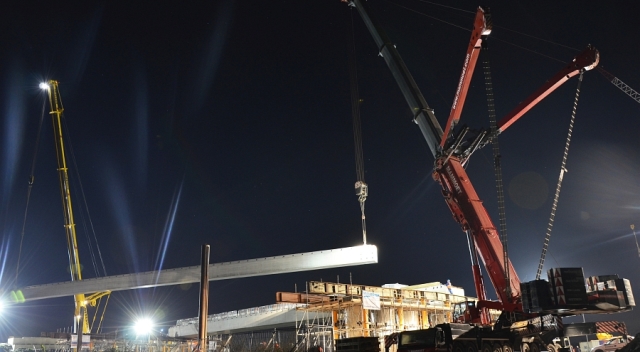
In a matter of minutes, these machines are capable of lifting multiton bridge beams on highways and heavy equipment in factories and even building houses on the beach on piles.

Hydraulic truck cranes are also used to remove killer whales like Shamu from water tanks when places like SeaWorld send whales to new destinations.

Mobile cranes manufacturers

Directory provides a list of mobile crane manufacturers and suppliers. Utilize our website to review and source mobile crane manufactures.

  • Grove
  • Altec
  • Mamut
  • Liebherr
  • Terex
  • Pfeifer
  • Tadano
  • JCB
  • Sennebogen
  • Manitou

What is a mobile crane used for?

What is a mobile crane used for?

A crane is a type of machine, generally equipped with a hoist rope, wire ropes or chains, and sheaves, that can be used both to lift and lower materials and to move them horizontally. It is mainly used for lifting heavy things and transporting them to other places.

What does mobile crane do?

A mobile crane is a cable-controlled crane mounted on crawlers or rubber-tired carriers or a hydraulic-powered crane with a telescoping boom mounted on truck-type carriers or as self-propelled models.

Which type of crane is known as a conventional crane?

Mobile Cranes are the most standard and versatile type of crane used in construction today. The mobile hydraulic crane consists of a steel truss or telescopic boom mounted on a mobile platform, which could be a rail, wheeled, or even on a cat truck.

What is the difference between Hydra and Crane?

Hydra and crane, both are used for material handling. But in Hydra, you can lift and carry the load. Hydra can not rotate (swing) 360 degrees, while crane can. Generally, hydras are having less capacity (say 12 ton, or a bit more) while cranes can have very high capacities even 1200 ton also.

More on this story

The most read

Mobile Crane Load Chart

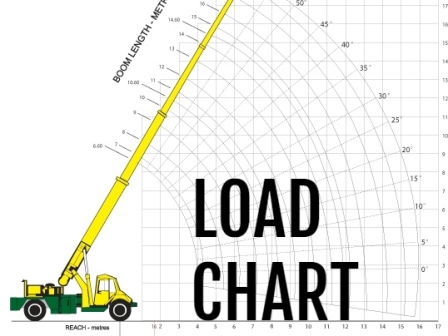
Simply put, the only way to know if the load you are lifting with a mobile crane is within the limitations of the crane is to relate the lift to the manufacturer’s load chart and notes.

Mobile Crane Hand Signals

All mobile crane operators must have experience and education on all aspects of material handling and mobile crane procedures, including all common manual signals for mobile crane operators.

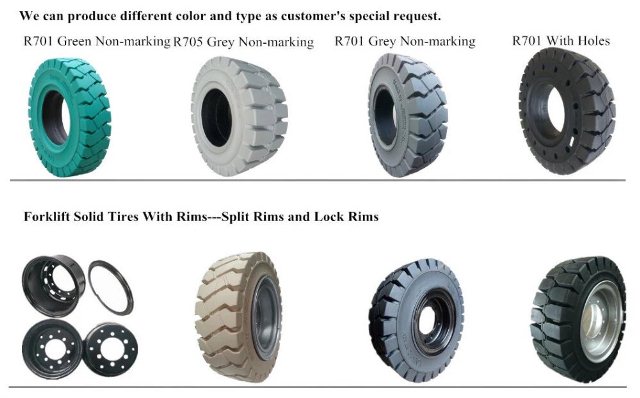
Types of forklift tires

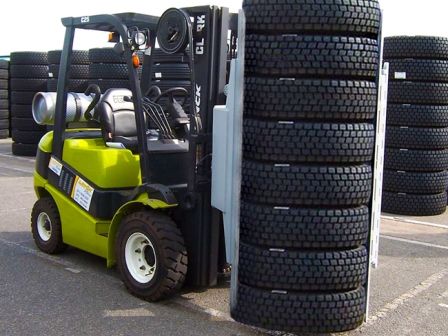
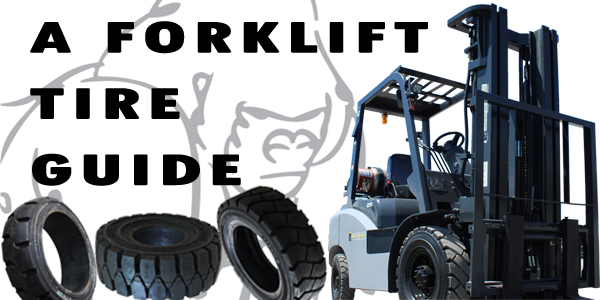
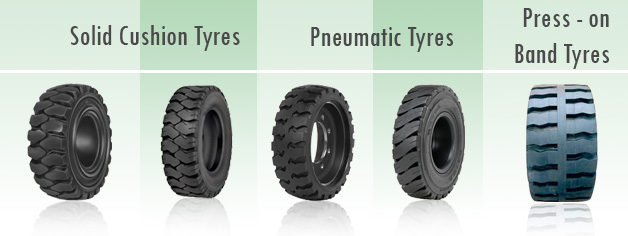
Overall, there are three basic types of forklift tires: cushion, pneumatic air, and solid pneumatic. Since each type of forklift tire is designed for specific usages and applications, there is a direct correlation between tire type and the overall design and dimensions of a forklift.

The by-product of this relationship is a categorization system that identifies forklifts by tire type above other – seemingly more important – considerations. In accordance with this correlation, it is essential that potential buyers consider both their operating conditions and work environment during the purchasing process.

Types of forklift tires

Forklift tyre types

The forklift tire is the most integral part in determining on what surface a forklift is meant to work (smooth, flat factory floor, rough outdoor yard, etc.). There are three basic types of forklift tires: Pneumatic Forklift Tires, Cushion tire forklift, and Solid pneumatic tires.

What are the 3 types of forklift tyres?

  • Pneumatic forklift tires
  • Cushion tire forklift
  • Solid pneumatic tires

Pneumatic forklift tires

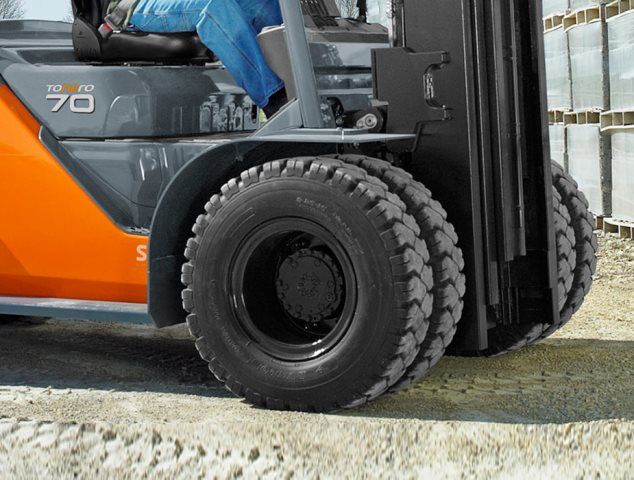
Pneumatic tires are similar to a car or truck tire and offer high performance and versatility. Pneumatic tires provide a strong grip on uneven surfaces and tough terrain and are popular on construction sites, in lumber yards and indoor/outdoor warehouses. There are two types of pneumatic tires: Solid Pneumatics, which are made of solid rubber and are more puncture-proof, and Air Pneumatics, which are air-filled.

Cushion tire forklift

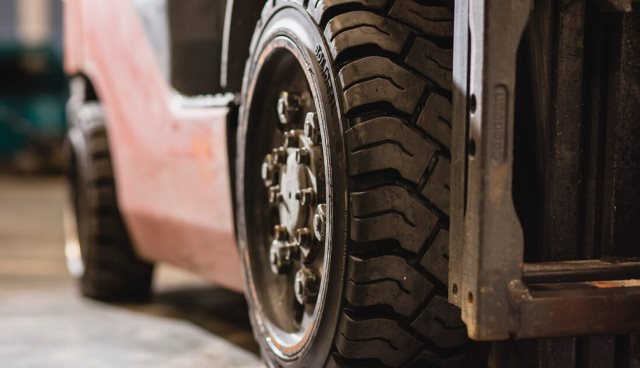
Cushion tires are made of smooth solid rubber and are fitted around a metal band. They are cheaper to manufacture and easier to maintain, but cushion tires do not get the same level of traction as a pneumatic tire, particularly outdoors. Cushion tires are best for smooth surface applications, primarily indoors or on loading docks. They also help with handling in smaller spaces, as they facilitate a smaller turning radius.

Solid pneumatic tires

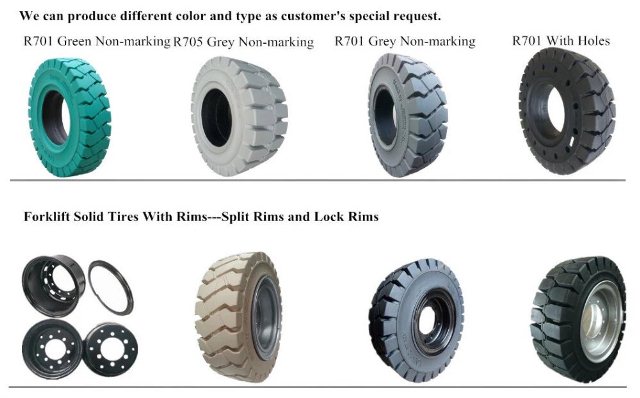
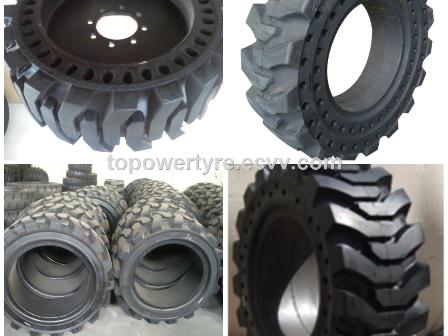
Similar to pneumatic air tires, solid pneumatic tires are constructed of aggressively layered rubber with one distinct difference – the absence of a hollow internal cavity. Solid pneumatic tires are best viewed as a mix between the solid construction of a cushion tire and the durability of a pneumatic tire.

The net effect of this combination is a forklift tire that is less susceptible to punctures or damage from sharp, irregular objects or debris typically found in storage facilities, lumber mills and scrap metal yards. This dynamic construction also ensures that solid pneumatic tires are more versatile than the other two tire types, enabling owners to utilize them in small to mid-sized operations with both indoor and outdoor applications.

Specialty Forklift Tires

Fiberglass forklift tires

Fiberglass: Friction causes tires to heat up when used for long periods or over long distances. Since tires are fundamentally made of rubber, heat is not a good thing. It can cause forklift tires to start to lose integrity. Fiberglass-impregnated tires have a higher resistance to the effects of heat. These tires last longer and match the use and demand for better.

Polyurethane forklift tires

Polyurethane: When a forklift moves extremely heavy loads only short distances, polyurethane tires are a better choice than rubber. These tires hold their integrity extremely well, and they tend to be chemical-resistant, which is good for a forklift that will be working in an area where chemicals hit the floor on a regular basis.

Anti-static forklift tires

Static-resistant: Some manufacturing facilities deal with materials that are highly combustive or explosive. As a result, static electricity has to be reduced or avoided as much as possible, particularly around materials that give off fumes that flammable as well. Static-resistant tires are available and are specifically designed to prevent static discharge for such environments.

walnut winter tires

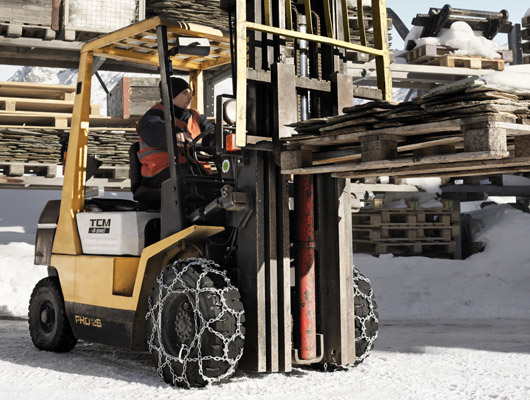
Cold-prepped: Temperature has a huge impact on the performance and life of forklift tires, and the cold is no exception. Cement and flat surfaces can easily build up ice causing slippage. Cold-prepped tires with a “walnut” surfacing provide the necessary traction for such environments, ensuring forklifts can work as needed when carrying loads without risk.

Cheap forklift tyres

Avoid cheap tires: Lower-quality tires break down far faster than higher-quality products. The inevitable skid marks when making turns or moving heavy loads in multiple directions will be far more apparent with lower-quality tires, making quite a mess on a facility floor over time. Non-marking tires prevent this problem and keep your facility looking professional and clean.

Did you know: after a tire has worn 40%, the forklift and the driver will absorb over 84% of the shock if it’s being run over a rough surface.

When to replace solid forklift tires?

Signs it’s time to replace your tires:

Because tires that need to be replaced can become a hazard, it’s important to know how to tell when it’s time to change yours.

During your inspection, make sure to look for these warning signs that your tires may need to be replaced, and contact your local authorized dealer for assistance if any of them are detected.

  • Tires are worn over the wear line: Many forklift tires have a wear line, often called the 50% wear line. When the wear of your tires reaches that line, it’s time to replace it.
  • Chunking: If pieces, or chunks, of your forklift tires, are falling off, that’s a good sign you need to replace them.
  • Tearing on the tires: Similar to chunking, if your tires are tearing off in spots, they need to be replaced.
  • Flat Spots: Your tires should be round, if they’re flat in any place, it’s time to replace them.

Are forklift tires solid?

Are forklift tires solid?

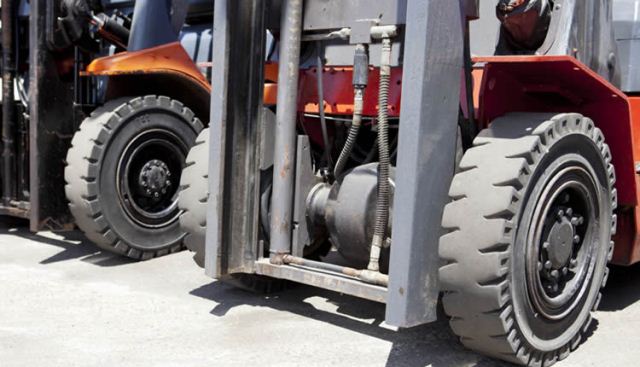
Cushion Tires are composed of solid rubber and are directly pressed onto the wheel. They have a deep tread and are made of strong, long-lasting rubber material. These tires are better for rough, outdoor terrain.

Can you put pneumatic tires on a cushion tire forklift?

To combat this dilemma, many cushion tire forklift users put traction tires on the front of their forklifts. Solid pneumatic tires are made of solid rubber. These are more expensive than air pneumatic tires because you can’t pop, puncture or gouge them as they are 100% rubber.

When should I replace my forklift solid tires?

As a general rule, when there is less than one inch from the lettering on the tires to the top of the tires, it is time to change the tires.

How are forklift tires measured?

Usually, the tire size is printed on the sidewall. However, if it isn’t printed on the tire or it has worn off then you’ll need three measurements to determine the correct size tire for your machine. You’ll need to measure: Outside Diameter, Width Of The Steel Band, and Inside Diameter.

What is a pneumatic forklift?

Pneumatic tires provide a strong grip on uneven surfaces and rough terrain and are popular on construction sites, in lumber yards and indoor/outdoor warehouses. There are two types of pneumatic tires: Solid Pneumatics, which are made of solid rubber and are more puncture-proof, and Air Pneumatics, which are air-filled.

More on this story

Forklift Tires for Sale

Forklift Tires are one of the decisions that affect the budget of a company, so you have to find out and compare what models exist in distributors.

Solid Pneumatic Forklift Tires

Before you make your initial forklift purchase, decide whether a pneumatic or cushion tire forklift is best for you. Start by determining how the forklift will be used. Consider your capacity and any multi-use functions.

Solid Pneumatic Forklift Tires

Solid Pneumatic Forklift Tires: Before you make your initial forklift purchase, decide whether a pneumatic or cushion tire forklift is best for you. Start by determining how the forklift will be used. Consider your capacity and any multi-use functions. Then, consider space constraints and application; will it be used inside or out, or both? Will it be used on smooth or rough terrain?

Solid pneumatic tires

Remember that most forklifts require specific tires so do some research before you make your initial forklift purchase to be sure it will work for you.

Solid pneumatic forklift tires are similar to a car or truck tire and offer high performance and versatility. Pneumatic tires provide a strong grip on uneven surfaces and rough terrain and are popular on construction sites, in lumber yards and indoor/outdoor warehouses. There are two types of pneumatic tires: Solid Pneumatics, which are made of solid rubber and are more puncture-proof, and Air Pneumatics, which are air-filled.

Solid Pneumatic Forklift Tires

Solid cushion forklift tires

Forklift cushion tireCushion tires are made of smooth solid rubber and are fitted around a metal band. They are cheaper to manufacture and easier to maintain, but cushion tires do not get the same level of traction as a pneumatic tire, particularly outdoors. Cushion tires are best for smooth surface applications, primarily indoors or on loading docks. They also help with handling in smaller spaces, as they facilitate a smaller turning radius.

Solid Pneumatic Forklift Tires

Cushion tires vs pneumatic tire

Difference Between Pneumatic and Cushion tires: Solid Pneumatic Forklift Tires

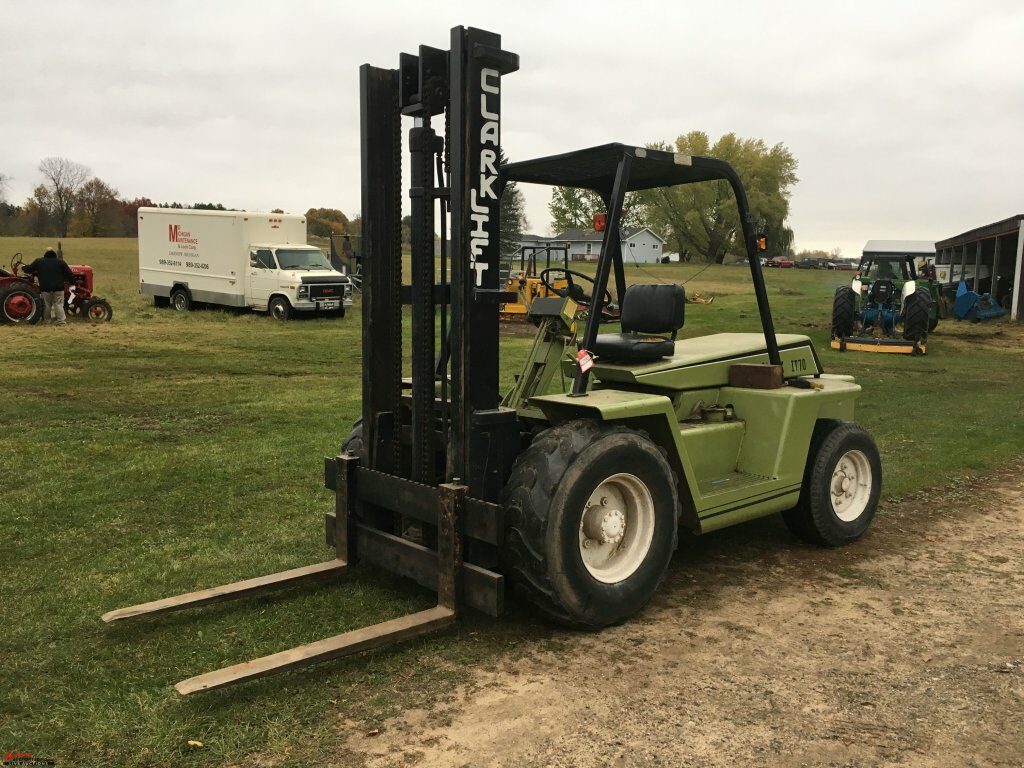
People refer to forklifts as either pneumatic tire, cushion tire or rough terrain forklifts because forklifts are categorized by tire type. While it is commonly understood that rough terrain forklifts are generally used outdoors in rougher terrain as its name implies, there is still some confusion about the differences between pneumatic and cushion tires and which tires would be most useful on your forklift.

Choosing the right tires significantly impacts forklift handling and safety characteristics. But before you start searching for tires, see if your forklift gives you the option to choose different tires.

The majority of forklifts have frames that will only accept a specific tire type. This is why choosing the right tire really means choosing the right machine for the work you plan to do.

Solid Pneumatic Forklift Tires

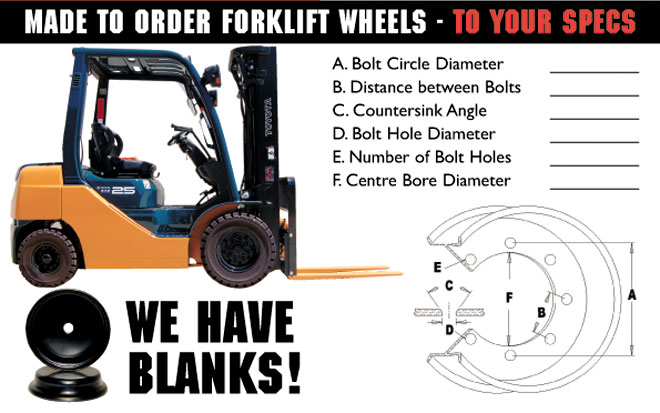
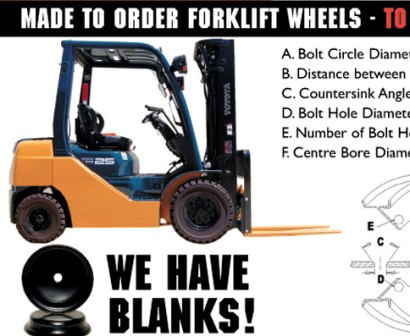
Forklift truck wheels

Solid Pneumatic Forklift Tires:

If most of your lifting will take place indoors or with light outdoor usage on asphalt, then cushion tires will do the job. Cushion tire forklifts have a smaller chassis and sit much lower to the ground than pneumatic forklifts. Cushion generally provide great traction on smooth surfaces and have along life.

However, with little ground clearance, it’s easy to see why cushion tire forklifts can get hung up easily outdoors. To combat this dilemma, many cushion tire forklift users put traction tires on the front of their forklifts.

Traction style tires will give better traction on rough terrains like asphalt or packed gravel. That said, it is still not recommended to drive on dirt or grass. A big advantage to using cushion tire forklifts is their smaller turning radius, making them ideal for manufacturing facilities that have less space than a warehouse. Forklifts with cushion style tires are less expensive and are much easier to come by than pneumatic lifts.

Solid Pneumatic Forklift Tires

Pneumatic forklift tires

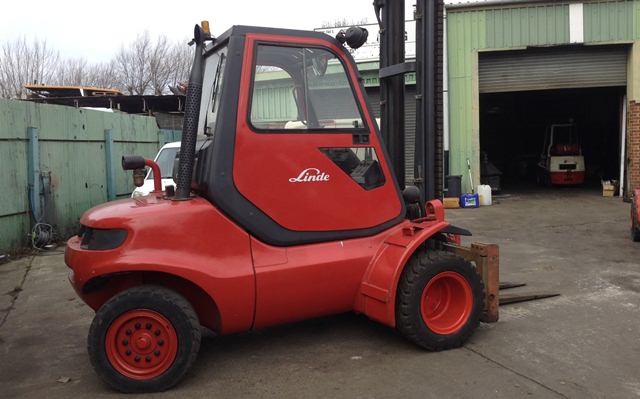
Similar to the tires on a car, pneumatic tires have air in them, and are most useful outdoors on gravel or in yard work, though they can be used inside as well. Pneumatic tires are longer and wider than cushion tire lifts which is why they are primarily used outdoors.

There are two types of pneumatic tires – solid and air. Solid pneumatic tires are made of solid rubber. Solid Pneumatic Forklift Tires. These are more expensive than air pneumatic tires because you can’t pop, puncture or gouge them as they are 100% rubber. They’re ideal for lumber yards and scrap yards where there is a lot of sharp metal scrap debris and nails.

Like solid pneumatics, air pneumatics work well outdoors on asphalt, in gravel, and in yards, but they can be punctured so you’ll want to make sure your work area is free of any sharp objects before you begin making your lifts. Air tires also tend to give a bouncy ride and thus, air pneumatic users foam fill their tires, giving themselves a smoother ride than the one experienced on solid pneumatic tires yet a less bouncy ride than pure air-filled.

Solid Pneumatic Forklift Tires

Forklift load capacity

Both cushion and pneumatic tire forklifts can be obtained with almost any load capacity (from less than 2,000 pounds to more than 200,000 pounds). But pneumatic Tire Forklifts are in high demand. Brand new Pneumatic Tire Forklifts pricing ranges between $20,000 and $25,000.

For this reason, pneumatic tire forklifts sell quickly in the used market. Forklift America’s pre-owned forklifts are dependable, good running, quality machines, so you really do get what you pay for.

Before you decide on cushion or pneumatic tires for your forklift, determine the type of work you plan to do. While cushion tire forklifts are ideal for indoor lifting, pneumatic forklifts are better suited for outdoor lifting. But both offer almost any load capacity

Solid Pneumatic Forklift Tires

Forklift dock ramp

Be advised: ramps with metal teeth can damage traction tread tires. With the traction tread, the teeth grab more and rip the lugs off. Do not drive a traction tire truck up a ramp with metal teeth. The damage will not be covered by any manufacturer’s warranty.

Forklift industrial Tyres

Solid Pneumatic Forklift Tires: Selection the right forklift tire

When choosing the right tire for your forklift, the most common options are pneumatic forklift tires or cushion forklift tires. These two types of tires have significant differences between them that should be considered when evaluating which works best for your application.

Choosing the right tire impacts the handling and safety of your forklift. The majority of forklifts are specifically designed for a particular tire and tires are designed for specific applications or industries.

Before you make your initial forklift purchase, decide whether a pneumatic or cushion tire forklift is best for you. Start by determining how the forklift will be used. Consider your capacity and any multi-use functions. Then, consider space constraints and application; will it be used inside or out, or both? Will it be used on smooth or uneven terrain?

What is a solid pneumatic forklift tire?

What is a solid pneumatic forklift tire?

Solid pneumatic forklift tires are similar to a car or truck tire and offer high performance and versatility. Pneumatic tires provide a strong grip on uneven surfaces and rough terrain and are popular on construction sites, in lumber yards and indoor/outdoor warehouses. There are two types of pneumatic tires: Solid Pneumatics, which are made of solid rubber and are more puncture-proof, and Air Pneumatics, which are air-filled.

Should I Use Smooth or Traction Tires?

In general, smooth tires give better traction on dry surfaces and can give you more rubber for the dollar spent. If your working environment has exposure to moisture, a traction tire is usually a better option.
If you use a cushion tire forklift outside, traction tires can give better grip and help reduce the chance of the tire “Chunking.”

Can I put pneumatic tires on a cushion truck?

In general, the answer is no. Axles and tires are specific to a forklift frame and lifting capacity. Forklift manufacturers build forklifts build them to operate safely with specific wheels and tires.

What about foam filling?

“Foam Filling” is an alternative to solid tires and is generally used to help prevent flat tires when using air tires in an environment where your equipment is exposed to nails or other sharp objects. Foam filling can also be used where there is no solid tire available.
Foam filling usually takes 2 to 3 days to fill and cure. Foam-fill and solid tires can usually be used with your existing wheels. Always follow manufactures specs and the professional recommendation from your local dealer.

Can I use solid and air tires on the same forklift?

You can use solid tires on the front of the lift and air on the back, or vice versa. You must run the same type of tire on the opposite sides, drive and steer axles.

When to Replace Forklift Tires?

As a general rule, when there is less than one inch from the lettering on the tires to the top of the tires, it is time to change the tires.

Did you know: after a tire has worn 40%, the forklift and the driver will absorb over 84% of the shock if it’s being run over a rough surface?

The transmission has to work much harder to turn the tires the same amount of rotation, which can result in a breakdown. Changing tires is an inexpensive way to keep your forklift and operator in good condition!

The most read

Forklift Tires for Sale

Forklift Tires are one of the decisions that affect the budget of a company, so you have to find out and compare what models exist in distributors.

Types of forklift tires

Overall, there are three basic types of forklift tires: cushion, pneumatic air, and solid pneumatic.

More on this story

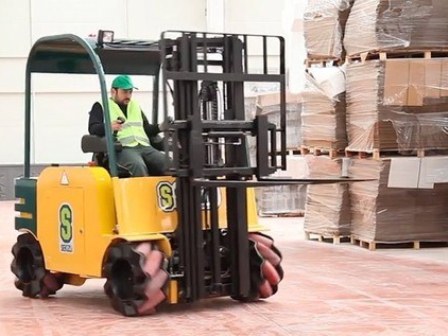
Mecanum Wheels Forklift

The fork truck mecanum utilizes uniquely designed wheels for omnidirectional movement.