Professional Web Writer | Motor Enthusiast | Content Creator | Logan is a dedicated and skilled web writer, passionate about engines and machines and with a talent for creating engaging and informative content.
She specializes in writing about a diverse range of topics including construction, forklifts, heavy equipment, excavators, etc. SEO Optimization: Proficient in SEO best practices, ensuring high visibility and engagement for all published content.
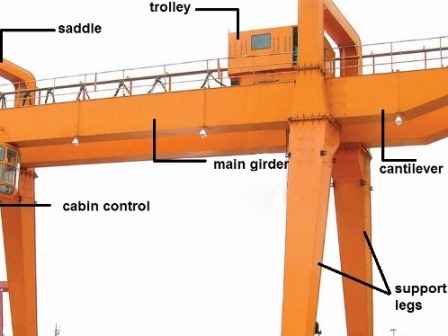
In a manufacturing plant, it is essential to provide an overhead travelling crane to transport heavy components of machines from one place to another. The movement of the load is of three-dimensional nature.
The crane is required to lift heavy mass vertically and horizontally, also the crane with load is required to move along the length of the shed.
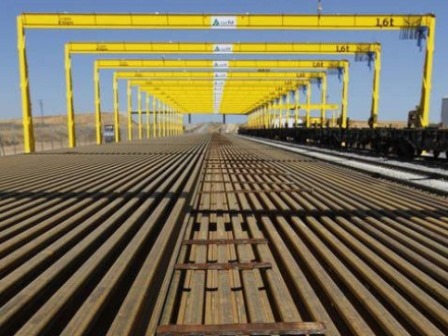
The cranes are either hand-or-electrically operated. The crane moves on rails which are at its ends. The rails are provided on a girder known as a gantry girder. The gantry girder spans over gantry columns.
If the capacity of the crane is moderate, the gantry girders rest on brackets connected to the roof column of an industrial shed.
Characteristics
The design of the gantry girder is a classic example of a laterally unsupported beam
It is subjected to in addition to vertical loads and horizontal loads along and perpendicular to its axis
Loads are of dynamic nature and produce vibration
Compression flange requires critical attention
Components of plate girder:
The plate girder consists of the following components:
The web plate
Flange plate (addition of cover plate curtailed at proper sections)
Stiffeners like bearing stiffeners, longitudinal stiffeners, and intermediate stiffeners
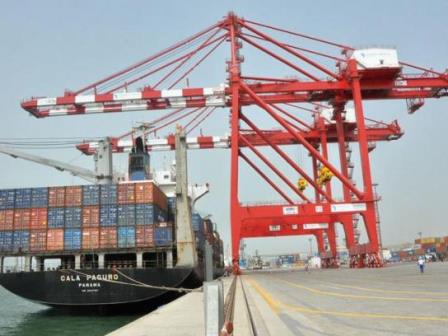
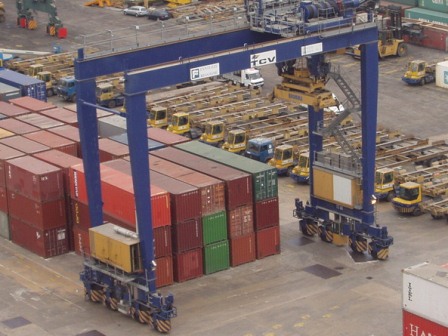
Gantry cranes are among the most widely used industrial crane varieties. They are very similar in nature to bridge cranes; the only substantial difference between the two configurations is gantry cranes’ mobility compared to bridge cranes.
As a special series of lifting equipment, there are different types of gantry cranes. The classification of the gantry cranes can be listed according to several factors.
The capacity rating plate on the forklift truck must be corrected when attachments are installed. This is called derating the lifting capacity. This is a rules and regulations mandate.
Looking for the Formula to rate the capacity on Forklifts.
Looking for the Formula to rate the capacity on Forklifts
Forklift lifting capacity
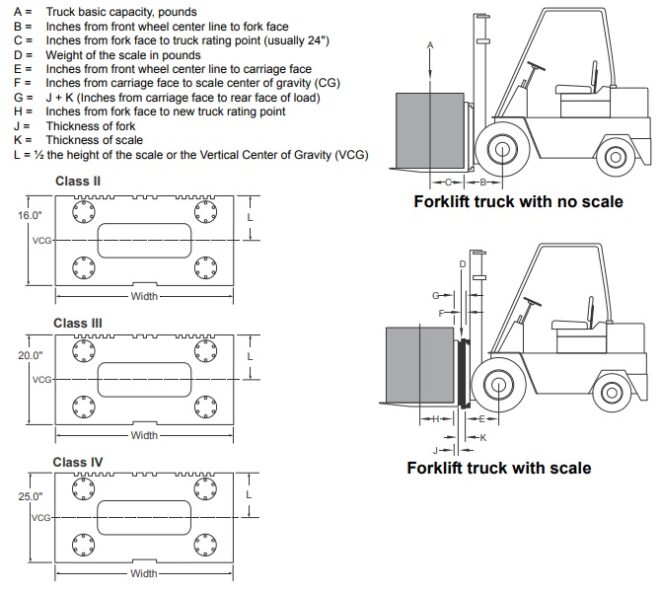
The calculation formula is provided below. It is the forklift owner’s responsibility to contact their forklift truck manufacturer/distributor with this information to obtain a new capacity rating on the forklift’s nameplate.
The FLSC forklift scale comes in an ITA Class II (16” high, 5,000 lb/2,500 kg) model.
The QTLTSC forklift truck scale comes in ITA Class II (16” high, 5,000 lb/2,500 kg) and
ITA Class III (20” high, 5,000 lb/2,500 kg and 10,000 lb/5,000 kg) and
Class IV (25” high, 10,000 lb and 16,000 lb) models.
Each class comes in several widths for cleat type carriages. Measure the height and width of the forklift truck carriage. Select from the tables in this document, the appropriate width that best meets the dimensions of the forklift truck carriage.
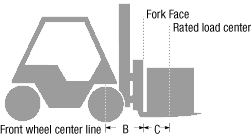
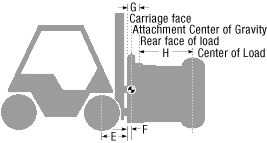
Use the weights, dimensions and the following formula to calculate the net lifting capacity of your forklift truck with a scale attached. Refer to the illustrations.
formula to rate the capacity on forkliftsformula to rate the capacity on forklifts
Forklift lifting capacity calculator
The calculator that is used to decide on forklift load capacity was designed with the average individual in mind. The reason for this is easy and this is because the addition of attachments to a forklift carriage creates an entirely new dynamic to the stability of the lift and will change the carrying capacity. There is actually a very complicated interrelationship going on with a multitude of forklift parameters which is often too detailed for the average person to comprehend.
Deciding on forklift load capacity is critical because there are several issues that can impact residual capacity. Included among these are forklift model, tires, mast, carriage, side-shift distance, rotational torque, horizontal load center, vertical load center, attachment specifications, fork specifications, many others, which the calculator takes into deliberation.
Rated capacity forklift
Specifications are affected by the condition of the vehicle and how it is equipped, as well as the nature and condition of the operating area. Inform your dealer of the nature and condition of the intended operating area when purchasing your Truck.
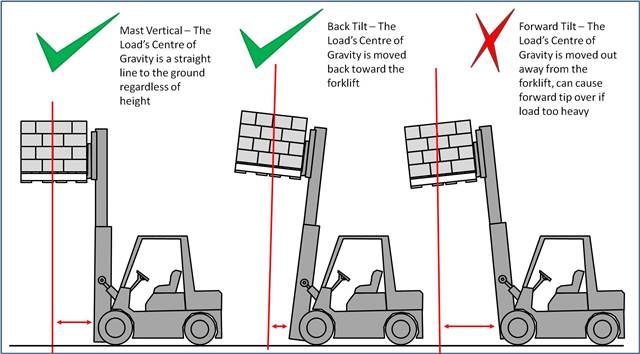
Care must be exercised when handling elevated loads. When the carriage and/or load is elevated, truck stability is reduced. It is
important that the mast tilt in either direction is kept to a minimum when loads are elevated.
Operators must be trained and must read, understand and follow the instructions contained in the Operating Manual. All values are nominal values and they are subject to tolerances. For further information, please contact the manufacturer.
Weights are based on the following specifications: Complete truck with cab, pneumatic tires, mast, carriage, and forks.
Unladen with new tires
Bottom of forks n +/- 3% tolerance depend on tire inflated pressure or tire brand.
Full suspension seat in the depressed position.
Add 50 mm with load backrest
Optional equipment
Stacking aisle width is based on the VDI standard calculation as shown on the illustration. The British Industrial Truck Association recommends the addition of 100 mm to the total clearance (dimension a) for extra operating margin at the rear of the truck.
Distance center truck to the centre of the internal turning radius.
Travel speed laden/unladen limited at 25 km/h as factory default.
Gradeability figures are provided for comparison of tractive performance but are not intended to endorse the operation of the vehicle on the stated inclines. Follow instructions in the operating manual regarding the operation on inclines.
Engine data based on low mount exhaust.
Data available on request, as values are dependent on application.
Forklift load centre calculator
Safely operating a powered industrial truck, or forklift requires the driver to be cognizant of how much weight is loaded on the forks.
Each machine has a load capacity rating that limits the amount of weight the forklift can carry, which often changes depending on the size, shape, and position of the load on the forks. However, these measurements can be made in the field through simple calculations.
Calculate forklift capacity height
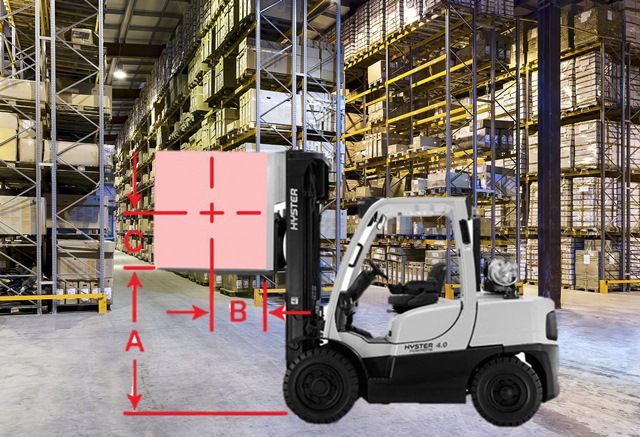
Consider the size, shape, position and weight distribution of the load to determine if the machine can make the lift. Forklift manufacturers frequently calculate load capacity by measuring with an evenly distributed, square object at a 24-inch horizontal distance from the mast.
However, the majority of loads are not palletized squares or cubes, and the size or shape of the load may reduce the capacity. If the machine becomes overloaded, it could tip over, raise the rear wheels and affect steering control or cause the load to fall off the forks, resulting in property damage, injury or even death.
Prevent exceeding the machine’s load capacity by always reading the instructions on the forklift data plate or nameplate. Minimize the load distance from the front wheels to the load center by placing the load close to the front wheels.
The U.S. Department of Labor’s Occupational Safety and Health Administration (OSHA) also recommends arranging the heaviest part of the load closest to the mast.
How do you calculate the load capacity of a forklift?
It is easily calculated by measuring the load to be carried, and dividing by two (providing the load is evenly distributed, and positioned to butt up to the forklift backrest). You will often see a forklift truck’s nominal capacity quoted in a form such as 2,000kg @ 500mm load center.
What is the load center of a forklift?
The load center is the distance from the face of the forks to the load’s center of gravity. Many forklifts are rated using a 24-inch load center, which means that the load’s center of gravity must be 24 inches or less from the face of the forks.
Forklifts are extremely useful workplace vehicles, as long as they are used safely and appropriately by operators who are appropriately trained and competent to use them.
The lift capacity factor of the forklift is important in your equipment selection regardless of whether you are buying the truck with the attachment or are adding the attachment to a truck yourself.
In addition to the safety aspect, stability, and avoidance of damage to the truck, you should assure yourself that the forklift truck can do the work you need to be done.
Forklift Operator Certification and Recertification: All you need to meet forklift operator compliance.
An effective and efficient forklift operator certification packaged kit for individuals and employers seeking operator certification for themselves or personnel for the operation of various types of forklifts.
Normally, an attachment tends to move the center of gravity of the combined truck and load forward. It does this by adding its own weight to the load side of the fulcrum, and by moving the truck’s load center forward. The farther forward the center of gravity moves, the smaller the load weight must be and the more likely the truck is to tip forward.
Truck manufacturers generally calculate the net capacity of a truck, with an attachment, using simple formulas. The formula used in the illustration is typical.
Lift truck capacity calculator
Looking for the formula to rate the capacity on forklifts – Lift truck capacity calculator:
Many truck manufacturers prefer not to rely on arithmetic alone, but use test methods, such as the tilt-table test.
The formula used here helps you find the net capacity which is, in effect, your load-weight limit, and can be substantially lower than the truck’s original rated capacity.
If the load-weight limit is too restricting for your job, you will probably need a truck with a higher original capacity rating. Thus the selection of an attachment can also involve the selection of a truck.
It may be wise not to regard arithmetic formulas as anything more than rules of thumb. They provide a good basis for discussion with your supplier and give you an idea of your ballpark limits.
For the exact determination of the attachment/truck capacity, you should contact your truck manufacturer. Customer Service will supply your weight, lost load, and center of gravity figures for the truck manufacturer’s calculations.
If the data plate on your forklift says its rated capacity is 10,000 lbs, that doesn’t necessarily mean you can lift any load weighing less than 10,000 lbs. The load dimensions, placement, weight distribution of the load and any forklift attachments affect your lift truck’s true maximum capacity.
forklift capacity calculator: blog post will answer the questions:
What is rated capacity vs. net/payload capacity
How much can a forklift actually lift?
What is the load center?
How to choose a forklift with the right capacity
forklift lifting attachment
Forklift attachments and capacity: forklift capacity calculator
Adding a forklift attachment reduces the lifting capacity of the truck due to the additional weight of the attachment itself and because an attachment typically moves the truck’s load center farther forward. As the center of gravity moves forward, the maximum load weight must decrease to prevent tip-overs.
Fork truck capacity calculator
Correctly establishing forklift load capacity is critical. This is because not getting it right can result in numerous problems. Included among these are injuries to employees that can be major.
It can also lead to significant financial troubles. Included among these are any benefits that have to be paid to workers who have been hurt, in addition to delays in the delivery of services. You also have to think about fines that could result from unfavorable ergonomic conditions.
Lift Truck Capacity Calculator knows how important ascertaining forklift load capacity is, but do you?
You can depend on the lift truck capacity calculator for details about forklift load capacity because it was created by engineers with many years of practical experience in offering forklift capacity ratings for some of the world’s largest forklift manufacturers. These are professionals who know what they are doing and they have imparted their wisdom in developing the calculator.
forklift capacity calculator
Forklift Capacity Calculator
You will also be optimistic when you learn that it is the world’s first professional forklift load capacity rating system for forklift capacity that is available to all manufacturers, dealers, brokers or customers that focuses on the need for fast and accurate capacity information that is required to properly and safely specify a forklift configuration for a material handling application.
What is the fulcrum point?
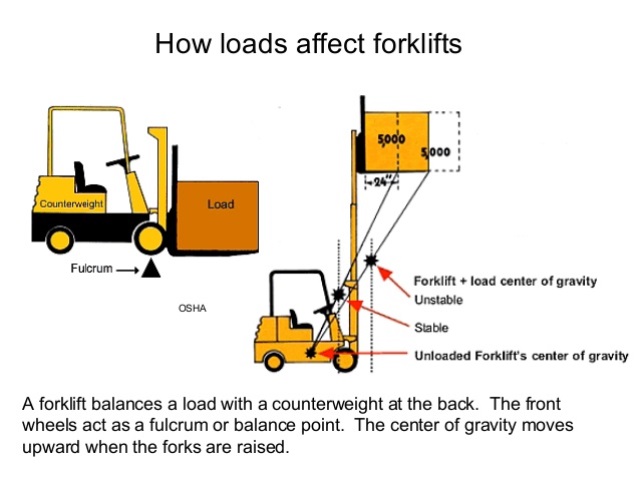
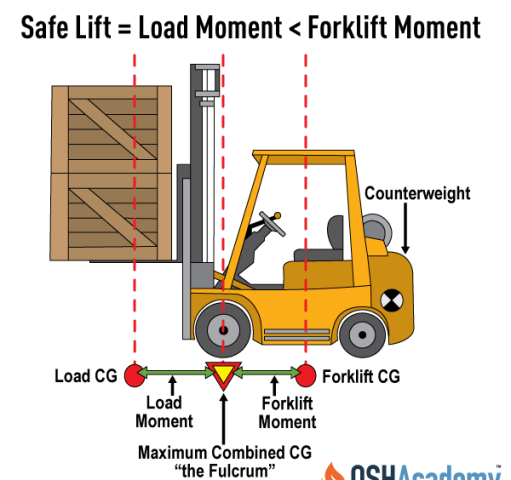
The fulcrum is the central pivot point of a seesaw. The front axle is the fulcrum of the forklift where the counterweight and the load find balance.
One of the hardest things for lift truck operators to learn during training is how to maintain their center of gravity within their stability triangle. A forklift has a three-point suspension system. The points are found over both of the two load (front) wheels and midway between the rear wheels.
Forklift Load Capacity
Deciding on forklift load capacity is critical because there are several issues that can impact residual capacity. Included among these are forklift model, tires, mast, carriage, side-shift distance, rotational torque, horizontal load center, vertical load center, attachment specifications, fork specifications, many others, which the calculator takes into deliberation.
Forklift Driver Safety Handbook
A practical guide to preventing powered industrial truck incidents and injuries
The forklift handbook provides reminders and best practices to help you avoid accidents and injuries while operating forklifts, order pickers, motorized hand carts, and similar equipment.
Handy forklift driving reference helps you recognize and identify potential hazards, follow safe operating practices and protect yourself and your coworkers
“The Guide to Forklift Training” is an essential resource for anyone who operates or manages a forklift. This book covers everything from the basics of forklift operation to advanced safety techniques, providing readers with the knowledge and skills they need to operate forklifts safely and efficiently.
With practical tips and real-world examples, this book is an invaluable resource for anyone who works with forklifts.
What is the capacity of a forklift?
Forklift capacities range from about 3,000 lbs up to more than 70,000+ lbs. You can find the rated capacity of a forklift on its data plate. OSHA requires “only loads within the rated capacity of a truck shall be handled.” It’s easy to think the rated capacity is the same as a maximum capacity, but it’s not that simple.
How do you find the load center of a forklift?
It is easily calculated by measuring the load to be carried, and dividing by two (providing the load is evenly distributed, and positioned to butt up to the forklift backrest). You will often see a forklift truck’s nominal capacity quoted in a form such as 2,000kg @ 500mm load center.
How much can a 5000 lb forklift lift?
A 5,000-lb. a capacity forklift will lift that much weight up to 48-inch forks (with a 24-inch load center) but going out to 60 inches (with a 30-inch load center), for example, drops the capacity to 4,000 pounds.
What is the center of gravity on a forklift?
When at rest, on level ground, the forklift’s center of gravity is within the stability triangle. But if the forklift is put in motion, or sits on a sloping surface, it’s center of gravity shifts.
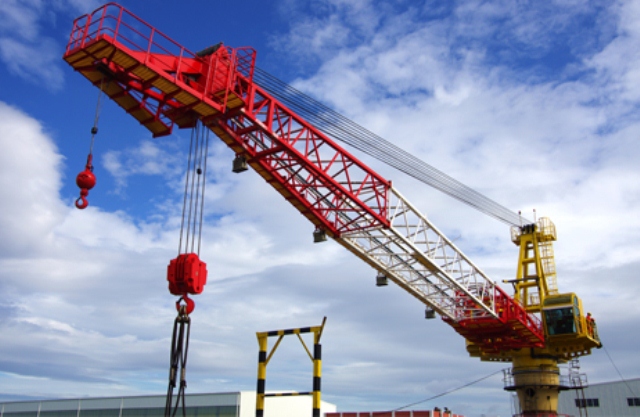
An offshore crane is defined as a pedestal-mounted elevating and rotating lifting device used to transfer materials and personnel to or from marine vessels, barges, and structures, a standard used to design and manufacture offshore cranes.
These offshore applications include bottom-supported, floating platform and ship-hulled vessels used in production and drilling operations, shipboard applications and heavy-lift applications.
Acquaints offshore personnel with the parts and functions of pedestal cranes, including prime movers and transmissions.
Discusses wire rope and slings, safe load rigging and handling, safe hoisting procedures, and hand signals.
The offshore oil and gas industry was established in 1954 with the first fixed platform installed near Morgan City, Louisiana in the Gulf of Mexico.
The only cranes available for use on these early platforms were existing land-based construction machines with a tonnage naming convention based on maximum structural capacity, i.e. “100-ton crane.
Unlike land-based cranes, offshore cranes are fixed structures incapable of moving with their loads. However, customers often make inquiries along the lines of, “We need a 100-ton crane”. The next question becomes, “What is the definition of a 100-ton offshore crane?”
Because the offshore crane is a fixed structure, the distance from the crane at which the load is lifted is just as important as the magnitude of the load.
In addition, lifting a load off a supply boat pitching in waves has the potential to subject the offshore crane to impact loads that would not be present when lifting off of the deck of the crane’s host facility.
Consequently, the load capacity for supply boat lifts (offboard) is generally lower than those associated with lifting off the deck of the facility (onboard).
An offshore crane’s capacity also depends on factors the purchaser must supply to the crane manufacturer. These include the type of structure upon which the crane is mounted (i.e. bottom-supported, semi-submersible, ship-hulled, etc.), the environmental conditions in the platform’s location, and the load’s location in relation to the crane.
Offshore crane types
Offshore cranes can also be classified by the duty cycle or the frequency of their use. The duty cycles include:
Production Duty: annual operating time of 200 hours, typically on bottom-supported production platforms
Intermediate Duty: annual operating time of 2,000 hours, typically on bottom-supported or floating platforms with temporary rigs
Drilling Duty: annual operating time of 5,000 hours, typically on MODUs or floating structures that operate full time
Board offshore cranes
The Board offshore crane is a conventional slew bearing crane with a cable luffing mechanism and can be powered electro-hydraulically or diesel-hydraulically.
Compact Board Offshore Crane
It is an ideal solution for maintenance and supply work wherever the operating radius and space on deck is restricted. In general, the crane can be used for multipurpose applications on platforms such as fixed platforms, jack-ups, and tension leg installations. Crane replacement supplements this scope. The series includes up to three system sizes.
Offshore heavy lift crane
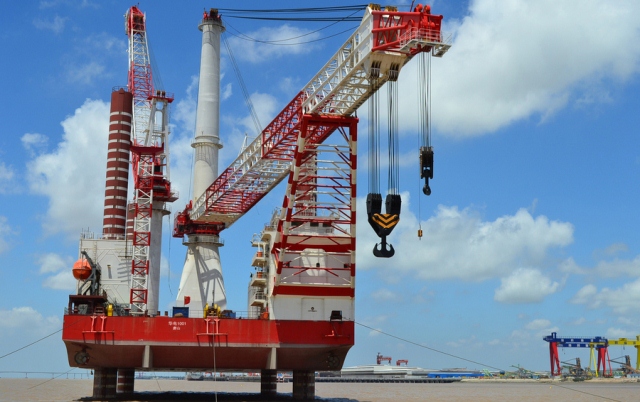
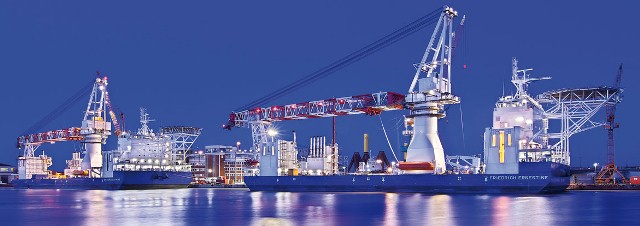
The heavy-lift crane is designed especially for the installation of wind farms and for the oil and gas as well as the decommissioning sector. The main characteristic of the HLC is its compact design. The HLC 295000 has a pedestal diameter of only 17 meters, and so does not require much space on deck. Despite this small footprint, it packs a punch and can lift up to 5,000 tonnes at more than 30 meters of outreach. This combination of compact design, high power, and very low weight.
Crane around the leg
Specially designed as a crane around the leg, it facilitates space-saving positioning on the ship despite the size of the crane. The parallel jib makes it possible to park the jib over one of the ship’s front legs. Positioning the crane in this way prevents blocking of the free area on deck, which can be used to load the ship.
Mast type crane
The classic principle of the slewing bearing, otherwise known as the king post, is suitable primarily for customers who prefer solutions for non-metallic slewing bearings. The possibility of providing different sized versions and certification for explosive areas enhances the deployment spectrum of the mast-type crane (MTC). The crane can be driven electro-hydraulically or diesel-hydraulically and is used chiefly in the area of oil and gas extraction.
Luffing crane
A weight-optimized and compact design with a load-bearing capacity of up to 100 tonnes makes the ram luffing crane an ideal piece of equipment for small and unmanned platforms or floating storage vessels. The ram luffing crane RL can be powered electro-hydraulically or diesel-hydraulically and is available for explosive areas in accordance with the requisite classification.
knuckle boom crane offshore
The luffing knuckle boom crane was developed especially for the oil and gas industry. Applications include supply and maintenance work as well as pipe handling. The unique design of the knuckle boom optimizes the working radius and increases the flexibility of the crane.
Offshore pedestal cranes
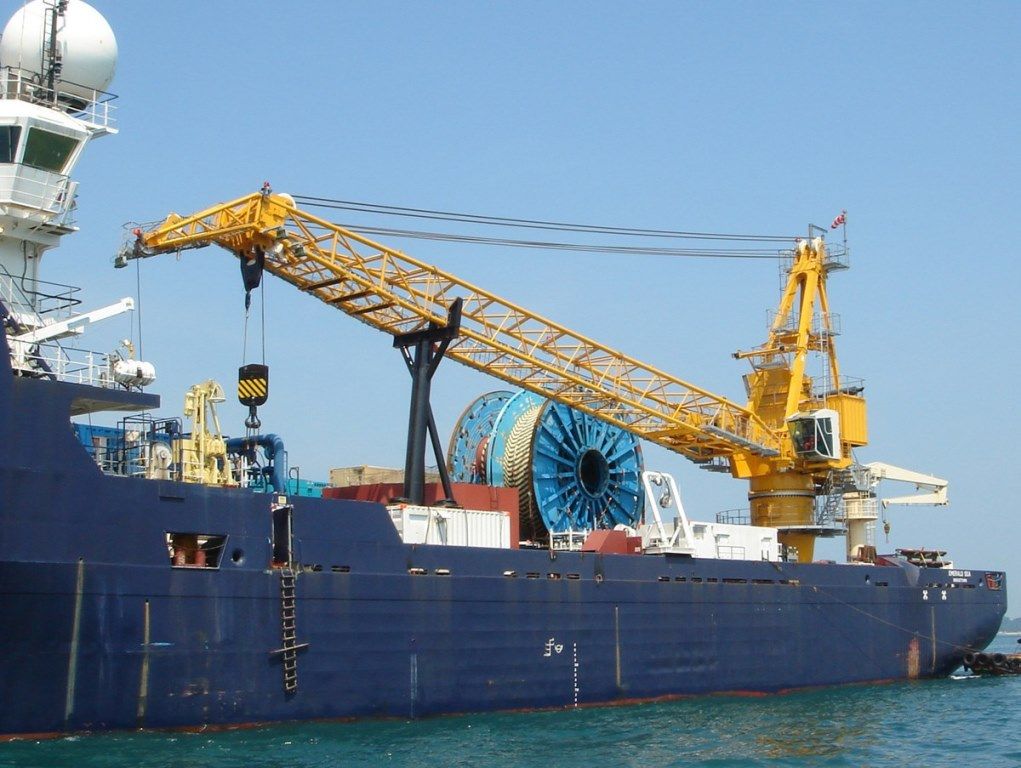
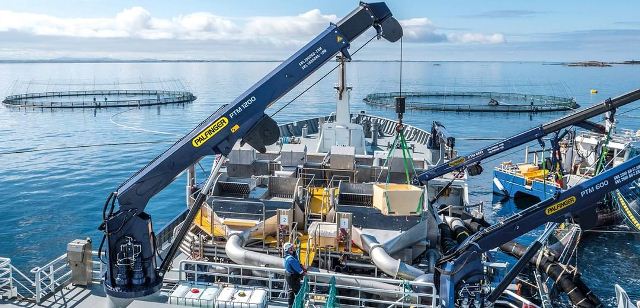
Pedestal Mounted Cranes can be used for various tasks including unloading of supply vessels, offshore installation work, pipe transfer, deck handling, and subsea installation. Pedestal Mounted Cranes are characterized by their small tail swing (optimizing free deck space), and the fact that all drivers are installed inside the enclosed crane house.
The pedestal Mounted Crane comprises a steel crane house, bolted to the pedestal via the slew bearing, a lattice or box girder type boom, and various hoist tackles to control the boom and the lower blocks.
All main equipment – winches, electrical cabinets, and/or hydraulic power units – is located inside the crane house to protect it from the harsh marine environment, increase reliability, and reduce required maintenance. The boom hoist runs from the top of the crane house to the boom tip and controls the radius of the lower blocks.
Offshore crane manufacturers
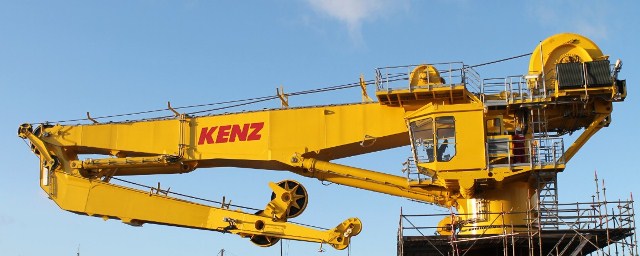
Kenz Figee
With over 300 offshore cranes and hoisting systems installed on various types of offshore installations, Kenz Cranes can be considered one of the leading suppliers in the industry. From the Gulf of Mexico to the Asia Pacific region, our ram luffing, lattice boom, and knuckle boom cranes operate in some of the harshest environments.
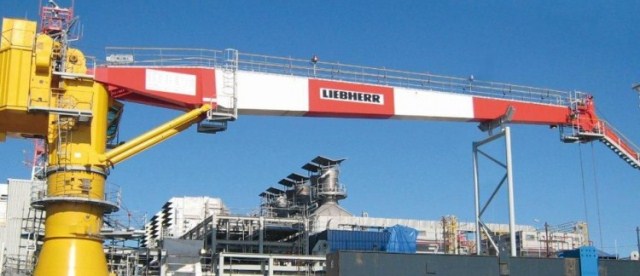
Liebherr offshore cranes
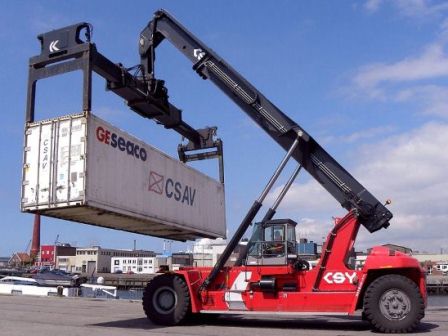
Liebherr Maritime Cranes is a division of the Liebherr Group which specializes in cargo handling solutions for ports as well as for the shipping and offshore industry. Products include ship-to-shore cranes, mobile harbor cranes, offshore cranes, ship cranes, rubber tire and rail-mounted gantry cranes, reach stackers and straddle carriers.
Liebherr offshore cranes are modern, sophisticated machines that benefit from the experience gained during many years of design development and operation in the most severe environmental conditions. They offer a wide variety of applications including heavy load lifting and cargo handling.
Palfinger offshore cranes
As a global partner for innovative and reliable deck equipment and lifesaving appliances, PALFINGER MARINE supplies high-quality products to fulfill standardized and customized demands.
Supported worldwide by a network of experienced and skilled specialists, we provide flexible and efficient service solutions. Our portfolio gives a competitive edge to customers in the maritime and offshore industry.
Offshore crane specifications
Areas of application of offshore cranes
Deep-sea oil & gas company
Setting-up oil and gas extraction systems underwater require the use of specially equipped cranes. For this area, the luffing knuckle boom crane with deep-sea equipment.
Precision through active heave compensation: During deep-sea deployment, the movements of the ship during the positioning of the loads by the crane must be compensated for.
Use in explosive areas: All relevant components of the crane can be reached by means of a catwalk which, aside from safety, assures the highest level of maintenance-friendliness.
Offshore oil and gas production
Offshore cranes are deployed for the assembly, repair, and supply of oil and gas extraction systems. The performance capacity, size, and also the way the cranes are constructed vary according to the respective requirements profile.
Use in explosive areas: For use in explosive areas, the relevant customer requirements for various design solutions are available not just for the boom area but also for the whole crane.
All relevant components of the crane can be reached by means of a catwalk which ensures the highest level of safety during the maintenance of the crane.
In accordance with the requisite construction regulations, opportunities exist to install emergency assemblies as well as software-related equipment for the crane with safety-supporting systems.
Wind turbine park
Heavy-duty offshore deployment: Heavy-duty deployments, such as operations involving the erection of wind parks or the assembly of oil rigs, require the highest level of precision and safety.
These ships can drive to their deployment site with their own propulsion system and rest there on the seabed with the help of four collapsible struts.
Crane support
Methods Of Crane Support
For many years, cranes were supported on their foundations by roller bearings at their bases and are still commonly used on production duty applications.
However, the kingpost design is the modern method for supporting high-use cranes and/or those on floating installations and is the preferred arrangement for drilling duty and floating applications.
Roller Bearing Type Cranes
The revolving superstructure bolts on top of the roller bearing
Roller bearing subject to full overturning moment from the weight of the load, the crane itself, and boom
Failure of bolts or the slew roller bearing can and has led to the loss of operator, crane from its mount
In floating applications, the bearing is subjected to load cycles from the crane’s self-weight and installation motions even when the crane isn’t in use
Replacement is costly and difficult to accomplish offshore
Kingpost-Type Cranes
Revolving superstructure fits over and revolves around the kingpost
Crane cannot separate from mount because of slew bearing failure
No bolts = no bolt failure
Bearings are easily replaced in the field using simple hand tools
Offshore oil and gas
In the mid-1940s, important changes in the oil industry were made as the United States was making its transition from wartime to a peacetime economy. Government controls on crude oil prices finished and began disputes over offshore water bottom proprietorship.
The increasing demand for gas and oil encouraged offshore activities, which encountered many difficult and challenging problems, such as tidal, current, and weather prediction, underwater exploration, drilling location, and offshore communications
By 1.949, there were 11 oil fields in the Gulf of Mexico and another 44 exploratory wells in process. Since then, around 16.000 wells have been drilled in the continental shelf in deeper and deeper waters very far from the coast. Offshore rigs have drilled in waters over 2.200 meters deep and as far as 200 miles from shore.
What is the offshore crane?
What is the offshore crane?
An offshore crane is defined as a pedestal-mounted elevating and rotating lifting device used to transfer materials and personnel to or from marine vessels, barges, and structures, a standard used to design and manufacture offshore cranes.
How much do crane operators make on oil rigs?
Half of all crane operators reported annual salaries ranging from $37,410 to $63,260. However, offshore oil rig crane operators tend to make a bit more. According to statistics released by the salary website Indeed, the national average salary for an offshore crane operator was $65,000 per year as of May 2014.
What is offshore in the oil and gas industry?
In oil and gas extraction, “offshore” refers to the development of oil fields and natural gas deposits under the ocean. In the wind energy sector, “offshore wind farms” generate energy with windmills installed in coastal waters.
How far are oil rigs offshore?
Depending on the rig type, offshore rigs are rated to drill in water depths as shallow as 80 feet to as great as 12,000 feet. The greatest water depth a jackup can drill in is 550 feet, and many newer units have a rated drilling depth of 35,000 feet.
If you’ve decided to power your off-grid homestead with solar power, you may be considering using rechargeable forklift batteries to store the power from the sun. Here are a few important things to understand about using forklift batteries for solar off-grid power.
Forklift Battery for Solar
Used forklift batteries for solar
The Benefits Of Using A Forklift Battery for Solar Power
Living off-grid is a very interesting lifestyle that catches a lot of attention nowadays. It is a sustainable way of life that has a huge positive impact on our environment. But it also presents a fair share of challenges. Power is one of the main concerns that you have to address when deciding to live off-grid.
Since you won’t have any support from an electrical grid, you have to rely on stand-alone power systems for electricity. One of the most popular options that you have is a solar panel system. Some off-grid experts recommend using a forklift battery for solar panel power systems.
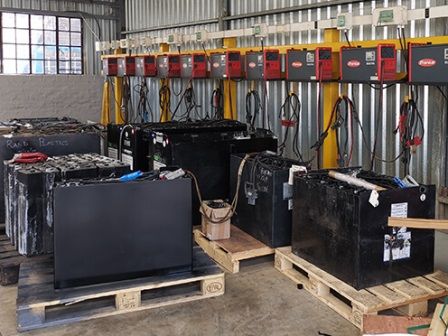
recharging electrical for forklift, battery charger.
Forklift battery for solar system
The Top Choices Of Batteries For Off-Grid Systems
When it comes to choosing the battery that you will use for an off-grid or renewable power system there are several aspects that you have to consider. If you want a stable power grid that can handle a lot of electrical loads and last for years.
You have to use a battery that can keep up or better yet exceed your demands. Power cells that can store massive amounts of energy and have toughness and durability withstand the test of time. Just to give you an idea, the idea is to look for a lead-acid battery that has deep cycle capabilities, is extremely durable, and as much as possible a flooded type of battery.
Like the three types of batteries listed below.
Golf cart batteries
These power cells are deep cycle batteries and are considered to be one of the most manufactured types of batteries. Golf cart batteries are also the most commonly used battery for various renewable energy power systems worldwide.
These batteries are also available everywhere, and they are easy to find, making them very convenient for a user to replace. Although they can only offer a maximum of six years of life expectancy, golf cart batteries are cheap and very reliable.
L16 battery
The L16 Power Cells – An L16 power cell is a type of battery specially designed to offer more power storage. Compared to golf cart batteries, they have a higher amp rating and last longer than can reach up to eight years. However, these batteries are more pricey, and most of their 6V units are a lot heavier compared to their golf cart battery counterparts.
forklift battery
Forklift or Industrial Batteries – Finally, the most recommended by off-grid experts, are industrial batteries or forklift batteries. This type of battery features a hefty and bulky build that makes it heavy.
However, a single forklift battery can be equivalent to a string of multiple golf cart batteries when it comes to electrical storage capacity.
These batteries also offer extreme toughness and exceptional durability that can offer a service life of up to two decades. However, a new battery unit of this kind is really expensive, but there are a lot of ways of getting an old one for a cheap price.
Forklift Battery for Solar
Forklift battery for home solar
You may be thinking of new technologies involving sealed batteries of different materials. However, from what I have seen, the prices are still too high for these units. What I would call your attention to is still the standard lead-acid deep cycle battery, but one of a different variety.
They are sometimes right under our nose and for some reason, we don’t even think of them as an option. What could this possibly be?
Industrial forklift batteries
The lowly forklift or industrial battery is used in electric forklifts or pallet jacks. It is simply an incredibly heavy-duty, incredibly large, and surprisingly cost-effective lead-acid deep cycle battery.
Forklift batteries come in a variety of voltages (12, 24, 36, or 48) and sizes (from 1,000 pounds to several thousand pounds). They are available at local industrial battery suppliers or in at least one situation, from the manufacturer.
The lead plates on a forklift battery are far thicker and should last much longer than any L-16 battery made for renewable energy. The battery is composed of 2-volt cells, all packed in a heavy-duty metal case and tied together with metal bars in the proper configuration to add up to the labeled voltage.
When used with a forklift every day, these batteries typically last no more than seven or eight years but the expected lifespan is up to 15 or 20+ years when used with a renewable energy system, properly maintained, and not deeply discharged.
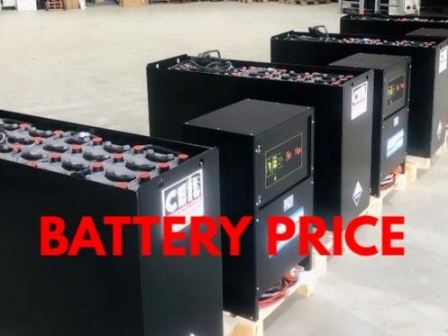
Forklift battery price
Where to Buy?
Forklift batteries are readily available from industrial battery dealers in most large cities. And while it is certainly worth checking those local sources, it is very possible that your best deal may come from an out-of-town source.
In addition, anytime you buy a battery for off-grid purposes from a forklift dealer, you have to expect that the dealer won’t be much help.
They may be very well versed in forklift batteries for use in forklifts, but we have found them to not only be clueless about off-grid usage but to actually give information that is just plain inaccurate. You see, what may be good advice for a forklift user could be positively bad advice for an off-grid user. We use our batteries VERY differently.
How much does a forklift battery cost?
How much does a forklift battery cost?
Used forklift batteries usually cost around $1,500 to $3,500. You can buy used industrial batteries through a local material handling or battery dealer.
How many hours does a forklift battery last?
Most modern forklift batteries are designed to last a minimum of 1,500 charge cycles. If a battery is under heavy use and requires daily charging, the 1,500 charge cycles would represent approximately five years of service.
How often should you equalize a forklift battery?
How often you should give your battery an equalized charge depends on the age of the battery. Newer batteries should have an equalizing charge every 10 charging cycles while older batteries need an equalizing charge every fifth charging cycle
What kind of batteries do forklifts use?
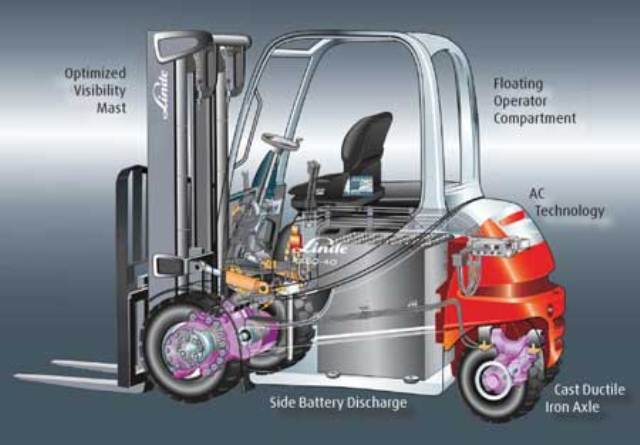
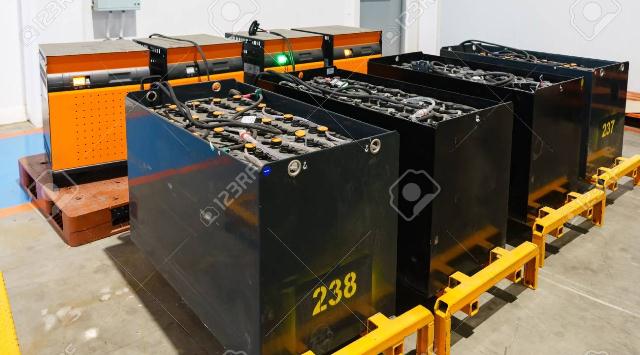
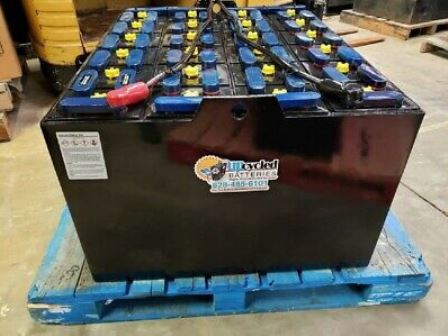
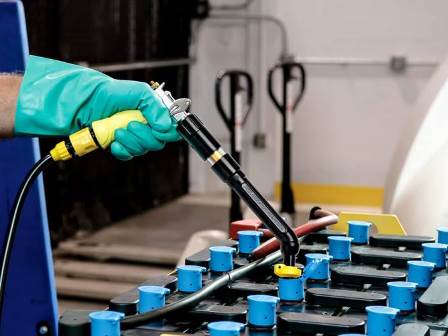
Lead-acid forklift batteries provide a power source and act as a counterweight to a lift truck. A typical lead-acid battery is made up of a battery case, battery cells, and battery cables that come together to house a liquid electrolyte mixture of sulfuric acid and water.
How to buy the right forklift battery? Before you spend hundreds of dollars on a battery, take a moment to learn how to choose the battery for your forklift.
Your forklift truck will run on its own battery if it’s an electric vehicle. The battery is a vital piece of equipment and must be cared for and kept charged in order for your truck to work properly.
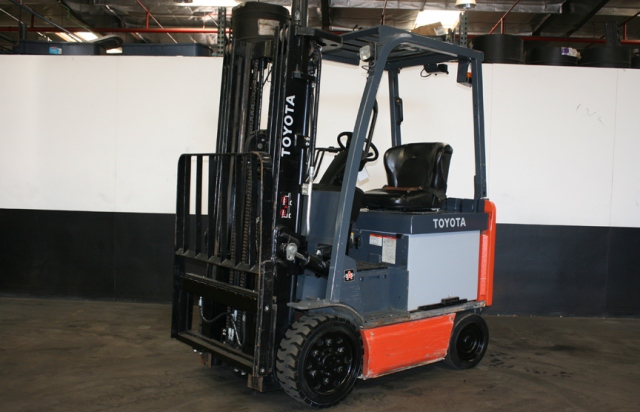
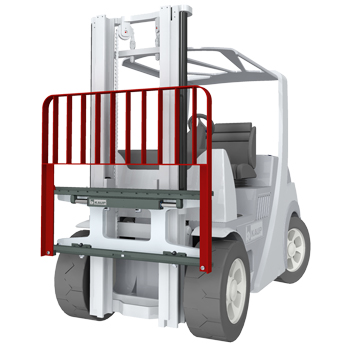
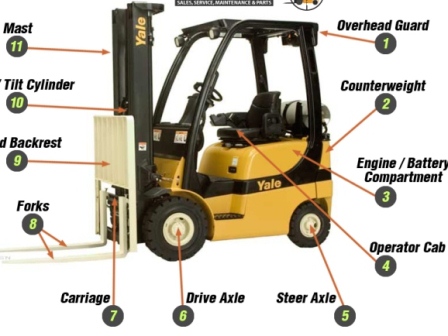
Forklift Load Backrest: Steel Load backrests are designed to prevent the load from falling toward the equipment driver. This allows product to rest against a square, flat surface that makes loading/unloading safe.
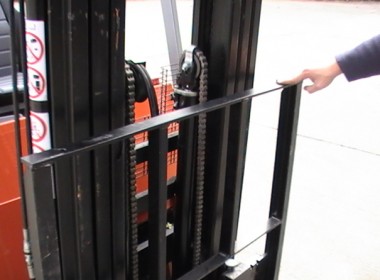
These OSHA required backrests to feature a steel grid area above the forks. Heavy-duty steel framing secures the attachment to sides of forklift carriage.
All load backrests are either bolt-on or slip-on style. Special backrests, such as notched center and electric pallet truck backrests are available upon request.
Load backrests are manufactured to order based on certain specifications.
Forklift Load Backrest
Forklift backrest
Forklift manufacturers offer various heights for the load backrest. When selecting a forklift, research the warehouse application and the heights of loads to purchase load backrests that meet rather than exceed the requirements. The proper load backrest will provide protection for the forklift operator while reducing the possibility of product and facility damage.
Other solutions include shrink wrapping or banding the loads and restricting a forklift with a removed load backrest to specific areas (i.e. the dock for loading and unloading trailers).
Forklift Load Backrest
Backrest extension forklift
Universal Backrests
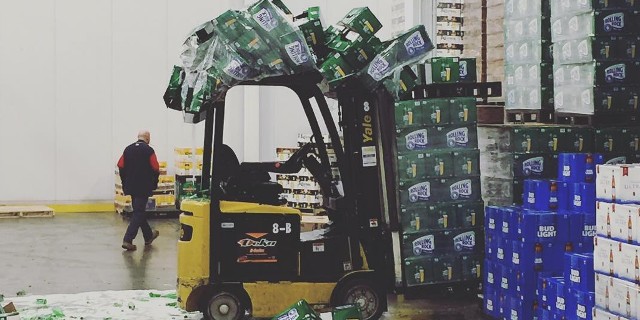
A forklift load backrest is designed to ensure a forklift’s load doesn’t suddenly – or ever – fall on your driver.
They can come in many shapes and sizes and it can be difficult – or at least somewhat annoying to find one that fits your forklift.
But the Universal Load Backrest pretty much fits most forklifts. Using the Universal Load Backrest means you can reduce – if not eliminate – the need for service calls for measurements. You’ll also cut way back on returning load backrests because they don’t fit.
The packaging and universal design of these backrests make them ideal for dealers to stock them, as well.
Once you start using the Universal Load Backrests, be sure your technicians perform the following regular inspection tasks regularly:
Look out for cracking, missing vertical bars and bends.
Make sure the backrests aren’t in contact with any other part of the pallet truck, forklift truck during operation of the mast.
Be sure to look for missing or loose mounting bolts.
Universal Load Backrests aren’t inexpensive to replace or even repair, so it’s a good idea to train your workers to make sure they don’t use it as an anchor when they’re pulling things with the lift.
Load backrests support loads that extend over the height of the carriage
Protects the forklift operator by preventing loads from falling onto the cab while tilting
Backrest mounting is manufacturer specific
Aftermarket backrests available for a fraction of the OEM cost
From forklifts to telehandlers, the load backrests guarantee your productivity and safety.
Forklift load backrests extend the height of the carriage to support taller loads and protect the operator by preventing loads from falling while tilting.
Forklift Load Backrest
OSHA forklift regulations
Removing the load backrest and reminding your forklift operators to be careful is not an accurate solution based on OSHA’s code of federal regulations.
OSHA CFR1910.178(e)(2) Safety Guards: If the type of load presents a hazard, the user shall equip fork trucks with a vertical load backrest extension.
OSHA CFR1910.178(m)(10) Truck Operations: A load backrest extension shall be used whenever necessary to minimize the possibility of the load or part of it from falling rearward.
OSHA CFR1910.178(q)(6) Maintenance of Industrial Trucks: Industrial trucks shall not be altered – either by the addition of extra parts – or by the elimination of any parts.
All loads handled by the forklift and the facility it operates within must meet one of the requirements below:
All loads do not go higher than the top of the forks.
All loads are one-piece, shrink wrapped, banded or crated.
No loads in the facility are stacked or racked higher than the operator’s head that does not meet the load requirements above.
Forklifts with the load backrest removed must be restricted to handling only loads meeting the requirements above or is restricted to a specific area of the facility that does not contain any loads presenting a hazard.
Forklift Load Backrest
Removing the forklift load backrest
can you remove the forklift load backrest?
If an object above the forklift gets hit, do you blame the load backrest – or the operator? To put another spin on this question, if a co-worker said “I keep backing into things with the bumper on my pick-up truck”, would you suggest removing the bumper? Or would you mention to your co-worker that he or she needs to be more alert to hazards near the pick-up truck?
What is the purpose of a load backrest on a forklift?
forklift backrest pads: What is a Forklift Load Backrest?
What is a Forklift Load Backrest? What is the purpose of a load backrest?
Steel Load backrests are designed to prevent the load from falling toward the equipment driver. This allows product to rest against a square, flat surface that makes loading/unloading safe. These OSHA required backrests to feature a steel grid area above the forks.
Do we need written approval from the manufacturer to remove the backrest extension?
OSHA does not consider the removal of the backrest extension a modification of the forklift.
Is a load backrest required on a forklift?
OSHA standard requires that if a load can fall back onto the operator; the employer must equip the forklift with a vertical load backrest extension. As long as the forklift’s load does not present a hazard to the operator, the forklift is not required to be equipped with a backrest extension.
What is the carriage on a forklift?
The carriage is a platform located in front of the forklift mast that is used to mount objects to be controlled by the mast. This includes the forks of the forklift, the load backrest and other features of a forklift truck that come in direct contact with the loads.
Also referred to as an ‘Upright’, the mast is the vertical assembly on the front of the forklift that does the work of raising, lowering, and tilting the load.