All posts by Loganx

Professional Web Writer | Motor Enthusiast | Content Creator | Logan is a dedicated and skilled web writer, passionate about engines and machines and with a talent for creating engaging and informative content. She specializes in writing about a diverse range of topics including construction, forklifts, heavy equipment, excavators, etc. SEO Optimization: Proficient in SEO best practices, ensuring high visibility and engagement for all published content.

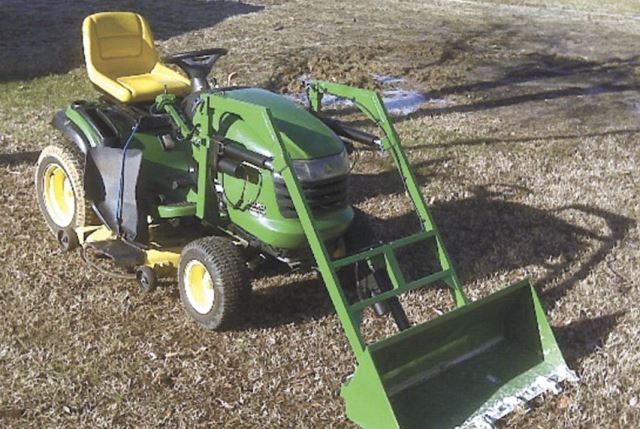
Lawn Mower Front end Loader Kit

Lawn Mower Front end Loader Kit: Looking for a durable front-end loader attachment for a lawnmower?

Whether you call it a bucket, a scoop, a shovel, or a front loader, the solution for handling materials with a lawnmower is through a kit, which you must install in your equipment

A durable, utility front loader built for lawn tractors, it connects seamlessly with your mower, allowing you to conquer projects like snow removal, brush clearing, and landscaping with fun and ease.

Lawn Mower Front end Loader Kit

How to make a front-end loader for a Lawn Mower?

Front-end loader Specs for lawn mower: DIY front end loader kit

  • Attachments: There are no brackets to pre-attach, and your loader will arrive ready to use immediately. The mowing deck can remain mounted and function on every tractor model.
  • High-quality steel: High-quality steel construction and updated welding equipment provide superior rigidity and strength.

What can I use my loader to do?

Loaders are material movers. They’re designed to move loose dirt, mulch, gravel, and snow; loaders are not designed to excavate.

Front end loader kit for sale

The great thing about building equipment or accessories yourself is that you can build them exactly the way you want. Solving your mower need is relatively simple, but you need blueprints and technical help.

How much does a little loader cost?

Little buck loaders are priced at $2000 approx, before shipping or taxes. This price excludes several models.

Front end loader for lawn tractor

Before starting the engine of your lawnmower, make sure all operating controls are in park lock or neutral position.

  • Operate controls only when seated in the operator’s seat.
  • See your lawn mower operator’s manual for correct seat belt usage.
  • Do not permit others to ride on your lawn mower. Only one person, the operator, should be on the machine when it is in operation.
  • Observe the bucket movement and maintain control with the control levers.
  • Stop the loader arms gradually when lowering or lifting loads.
  • Stay off of slopes too steep for safe operation.
  • Shift down before you start up or down a hill with a heavy load.
  • Avoid “freewheeling”
  • Travel speed should be such that complete control and machine stability are maintained at all times.
  • Where possible, avoid operation near ditches, embankments, and holes.
  • Reduce speed when turning, crossing slopes, and on rough, slick, or muddy surfaces.
  • Never use your hand to check for suspected leaks under pressure.
  • Use a piece of cardboard or wood for this purpose. Escaping hydraulic oil or diesel fuel leaking under pressure can have sufficient force to penetrate the skin and cause infection or other injured by leaking fluid, seek medical attention immediately.
  • To prevent personal injury, relieve all pressure before disconnecting fluid lines.
  • Before applying hydraulic pressure, make sure all hydraulic connections are tight and components are in good condition

Lawn mower safety tips

  • Understand that your safety and the safety of other persons are measured by how you service and operate this loader.
  • Know the position and operations of all controls before you operate.
  • Make sure you check all controls in all safe areas before starting.
  • The safety information given in this manual does not replace any safety Codes, insurance needs, federal, state, and local laws.
  • Make sure your Machine has the correct equipment required by your local laws and regulations
  • Read this manual completely and thoroughly and make sure you understand all controls.
  • All equipment has a limit.
  • Make sure you are aware of the stability and load characteristics of this loader before you begin operation.

Difference between a lawnmower and a lawn tractor

While lawn tractors are primarily used for mowing grass, garden tractors can not only mow, but also clear snow, tow heavy equipment, till gardens, grade driveways, and do pretty much any job you might need to be done. Garden Tractors have a more heavy-duty build, which makes them a more versatile machine.

More on this story

Lawn Mower Bucket Attachment

This attachment is typically a bucket or a collection bag that mounts onto the back or side of the mower.

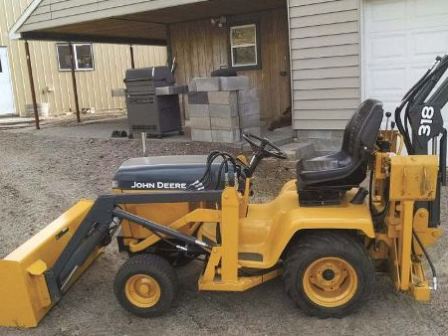
Garden Tractor Backhoe

The loaders and backhoes illustrated here are the perfect tools for the care and maintenance of your property and landscaping.
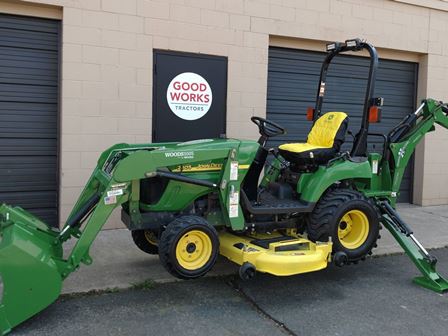
Riding Lawn Mower with Backhoe Attachment

Whether you work in the construction or landscaping business or own a home with acreage, purchasing versatile equipment will increase productivity.
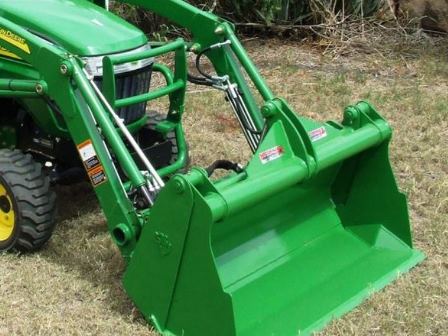
Garden Tractor Loader Kits for Sale

For those unfamiliar with garden tractors, a front loader doesn’t seem like a useful tool. The truth is that garden tractors can be fitted with a front loader kit.
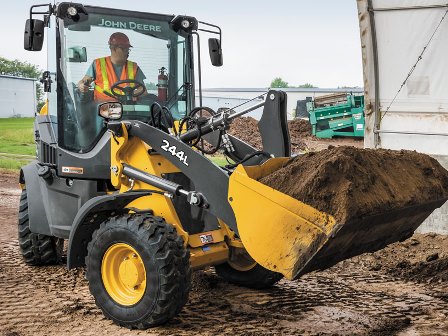
Front end Loader for Sale

Buying a front loader can be a big investment, so if you don’t need a front loader repeatedly for different types of jobs, renting may be the best way to go.

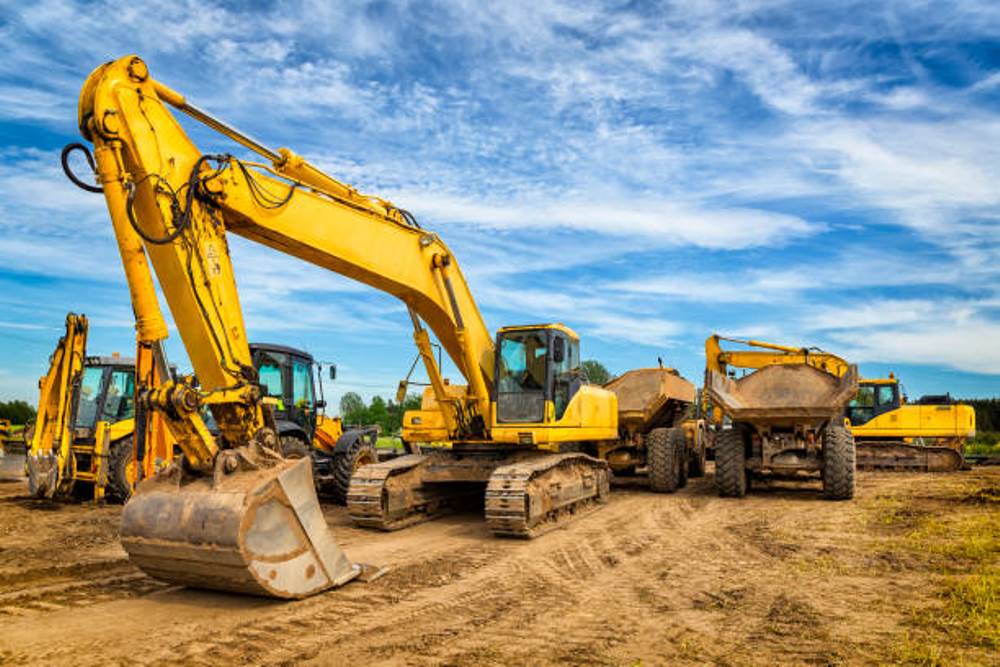
Construction Equipment Supplier

The right construction equipment can further improve work productivity, processes, development capabilities, and much more.

Selecting the best equipment to add to the fleet for construction and maintenance operations can be too overwhelming.

However, it is a crucial task to undertake. Project leaders, contractors, subcontractors, and other construction teams rely heavily on construction tools and equipment. That is why it is vital to know the best providers to deal with today.

We have prepared this guide for anyone navigating a highway when it comes to selecting the right construction equipment.

Construction Equipment Supplier

How to know which is the best Construction Equipment Supplier?

To find out, we’ll ask some key questions and explore concepts that every buyer should consider. Also, this guide will give you an idea of why it is important to partner with the right provider.

What are the costs involved?

Cost is the primary aspect of every equipment purchase decision. However, the cost of capital acquisition is only one factor combined with the costs of operation, ownership and maintenance.

While several organizations focus only on capital costs, it makes sense to consider a lifetime approach with their cost analysis.

Capital costs are the initial purchase costs of the construction equipment you are purchasing.

Always remember that the cost of capital represents 50% of the total cost that the buyer will incur in owning equipment or machinery.

In addition, the base price of the equipment itself, in addition to capital costs, may include:

  • Taxes and their direct effects on potential cash flow
  • Shipping, installation, and transportation costs. Are these separate expenses clearly included and explained?
  • Fees for extras and additional modifications. Are additional costs hidden within operating expenses versus capital expenditures?

How to provide support?

How would you provide excellent customer service?

Construction companies, contractors or project leaders are the ones who usually decide on this matter.

Buyers like them should first find out the type of support available immediately after purchasing the equipment.

In some cases, the team inevitably needs services at some point. Depending on needs, support for newly purchased equipment includes spare parts and maintenance services.

Make sure both the benefits and features are convenient and available for any future repairs and maintenance needed.

Also be sure to determine if the support provided by the providers is local.

  • Will the supplier repair the machine and equipment on site within a practical time frame?
  • Will the equipment need to be shipped immediately while working on it?

Purchasing function and procedure

what is the role of purchasing in business?

It’s critical to look at the big picture first when considering buying a new piece of machinery or equipment. Be smart enough to determine if the equipment itself will suit your business for years to come.

  • Is it functional and durable enough for long time use?
  • Is the equipment designed to meet your current needs?
  • How does machinery and equipment impact the cost of labor and available skills?

Even if the new machines require additional personnel or operator training, it can ultimately increase productivity and reduce expenses in the long run.

Other factors to consider are the importance and relevance of construction equipment to the business. Therefore, the answers to the following questions below will help you to identify the best and most correct option when using the equipment:

  • Will you buy new, used or reconditioned?
  • Are you a subcontractor that depends on this equipment or the other way around?
  • What does the acquisition bring to the market?
  • Are you involved in the long-term business?
  • Is this equipment being used for your own good to give you flexibility?
  • What models and sizes should I use for the equipment?

Construction equipment financing companies

Several financial factors must be considered when purchasing new machinery and equipment. Deciding whether to buy or rent is one thing you should think about first as a prospective buyer. If the machinery you need is an integral and vital piece to be used for the business, buying frequently makes more sense.

Plus, it gives operators flexibility and enough time to familiarize themselves with the equipment, learn the ins and outs of it, and more.

By doing so, they can maximize the performance of the equipment, providing a considerable amount of control whenever and wherever they use it. that.

When the acquisition of any equipment is required, the lease is a particular topic to discuss. Take a look below:

  • The landlord may be responsible for maintenance.
  • It depends on the terms and conditions of the lease.
  • The lease may involve less money up front because the down payments are not necessary.
  • Leases will make it easy to regularly upgrade to the latest models.
  • Terms can generally be flexible, but rates can be more favorable compared to a long-term rental.
  • There will be tax implications involved when considering a lease. It is important to seek financial advice even before proceeding.

Construction equipment for rental

One challenge that every buyer can choose to consider is insurance and interest rates for leases.

Fees tend to increase over the years, and if buyers need to return equipment, there will be financial penalties associated with it.

Any potential buyer should understand the whole process in advance. Also, another option is the rental of construction equipment.

Equipment rental can offer several benefits and depends on the type of equipment the buyer needs for the intended use.

There may be no significant changes to the top listed construction equipment vendors in recent years, but dominance is clearly still being challenged.

It will be exciting and interesting to see these manufacturing companies expand globally and continually develop their respective products as time passes in the face of the downfall of the competitive global brand.

Construction equipment manufacturers in the world

The global construction machinery market has been ruled for decades by several of the largest construction machinery manufacturers in the world.

These reputable heavy machinery and construction equipment suppliers offer different construction machinery that are used for various purposes during construction projects.

Led by the world’s largest construction machinery companies such as Caterpillar of the United States and Hitachi and Komatsu of Japan.

These top 10 largest construction machinery manufacturers in the world are expected to continue to dominate the global construction machinery market in the near future, primarily attributed to strong sales growth generated by the rapid development of the construction and infrastructure sectors across the world.

More on this story

Heavy Equipment Manufacturers

There are times when making a decision for construction equipment rental makes more sense than tying up cash in buying the same item.

Construction Equipment Manufacturers

While there are reasons for cautious optimism, sales still have a long way to go before they can rely on an uptrend.

Crane lifting capacity calculation

Traditionally, when considering taking on an assignment, the operations planning team uses load charts and manual calculations to determine if the operation can be executed.

It is not easy to take into account all the joints of the crane, the reach and the lift height, while checking that the capacity of the crane is not exceeded.

Also, for crane lifts, the object and weight of the rope have a large impact on the lifting capacity of the crane and must be calculated manually.

Crane lifting capacity calculation

The application of a load table allows planning crane operations. Provides a visualization of the crane’s position and center of gravity, taking into account the crane mode, load, and length of extended cable. The analyzes are delivered with the relevant attributes and predefined load calculation parameters.

There are applications that can be installed on any PC. Parameters can then be entered for any operation, and you will get the corresponding load curves and crane view to enter your lifting procedures. Results can be printed out to be used on the job site.

Crane ground Bearing pressure calculator

Crane Stability and Ground Pressure

Many factors need to be considered when safely setting up mobile cranes on site. Crane stability often depends on the integrity of the ground on which it stands.

Effective assessment of ground conditions is essential to assist with the safe setup and operation of cranes. To reduce the risk of crane accidents as a result of improper crane set-up, planning activities shall be carried out by a competent person(s) to assess the capability of the ground to withstand the loads and pressures imposed by the lifting equipment.

All parties who are involved in the planning, set up and use of cranes on site must be aware of the fundamental criteria, planning issues, and risk assessments that are needed to ensure lifting operations proceed in a safe and stable manner.

Crane stability calculations

This Guidance Note provides general guidance to assist on:

  • determining the load exerted by mobile crane outriggers or crawler crane tracks
  • determining the suitability of the crane mats, and
  • bearing capacity of different types of soil.

As with all activities on construction sites, the effective management of the safety of lifting operations can only succeed if all parties involved are clear about their roles and responsibilities. It is essential for all persons undertaking these roles to be competent, having relevant up-to-date training and the qualifications and experience appropriate to the operations for which they are responsible.

How to calculate crane load capacity?

The responsibilities for undertaking the various activities involved in the ground assessment are set out below:

  • A person conducting a business or undertaking that includes the carrying out of construction work (i.e. the principle contractor in control of the project site) has overall responsibility for the safety of all personnel on-site.

They should ensure that where a crane is being used to carry out a task, adequate steps have been taken to ensure the stability of the crane during transport onto the site, set up, use, movement, maintenance, dismantling, and removal from the site.

The engineers should provide an accurate geotechnical report for the site ground condition or other relevant information for crane stability to the worker responsible for the lifting operations if this is necessary for the safe operation of the lifting activity.

It is generally the responsibility of the crane operator to ensure that the terrain is safe to work with.

  • A worker who carries out work, i.e. the person or company in control of a lifting operation, is responsible for all aspects of planning, supervision, and execution of the lifting operation, including ensuring that the ground or structure on which equipment stands will take the loads imposed by the plant.

This does not mean that the worker has to be an expert in ground assessment, they must however take reasonable steps to satisfy themselves that the information provided by the person in control of the site is relevant and appropriate.

The worker should have the necessary confidence and authority to carry out their duties effectively and safely.

Where doubt exists as to the accuracy or sufficiency of the information provided it is the responsibility of the worker to ensure that

More on this story

Mobile Crane Load Chart

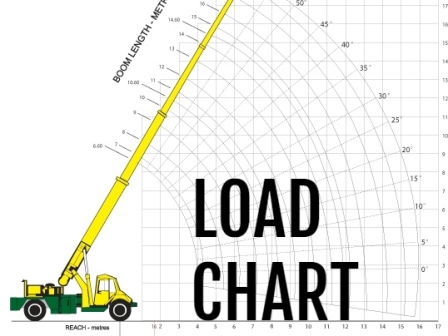
Simply put, the only way to know if the load you are lifting with a mobile crane is within the limitations of the crane is to relate the lift to the manufacturer’s load chart and notes.

Electric Overhead Crane

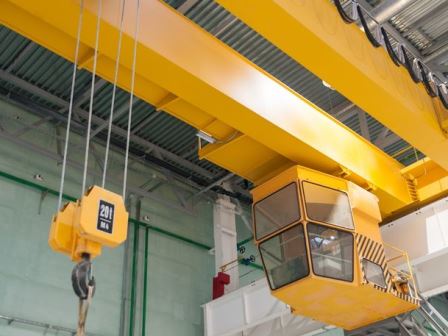
These cranes are electrically operated by a control pendant, radio, or infrared remote pendant, or from an operator cabin attached to the crane.

EOT Crane stands for Electric Overhead traveling cranes. This is the most commonly preferred EOT crane that is usually used in load lifting and shifting.

They have parallel runways and the gap is spanned by a traveling bridge. The hoist is mounted on this bridge. These cranes can be operated electrically.

What does an electric overhead crane do?

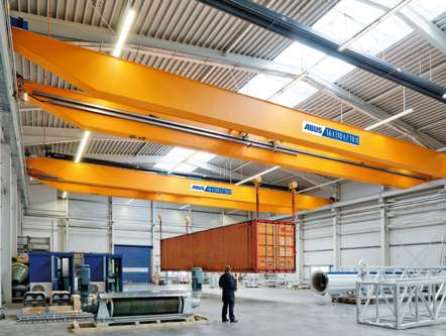
To move extremely heavy or bulky loads through the overhead space in a facility, instead of through aisles or on the floor, an electric overhead crane, also called an industrial crane, crane, or an overhead traveling crane is a machine that lifts, lowers, and moves a load horizontally.

Types of electric overhead crane

There are various types of overhead cranes with many being highly specialized, but the great majority of installations fall into one of three categories:

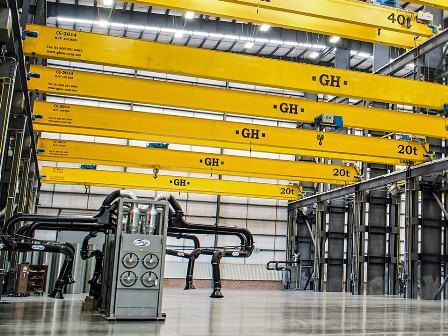
  • Top running single girder bridge cranes
  • Top running double girder bridge cranes
  • Under-running single girder bridge cranes.

Single girder cranes

The crane consists of a single bridge girder supported on two end trucks. It has a trolley hoist mechanism that runs on the bottom flange of the bridge girder.

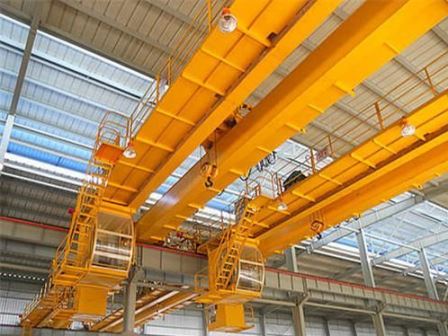
Double Girder Bridge Cranes

The crane consists of two bridge girders supported on two end trucks. The trolley runs on rails on the top of the bridge girders.

Gantry Cranes

These cranes are essentially the same as the regular overhead cranes except that the bridge for carrying the trolley or trolleys is rigidly supported on two or more legs running on fixed rails or other runways. These “legs” eliminate the supporting runway and column system and connect to end trucks which run on a rail either embedded in or laid on top of, the floor.

Monorail Crane

For some applications such as production assembly line or service line, only a trolley hoist is required. The hoisting mechanism is similar to a single girder crane with the difference that the crane doesn’t have a movable bridge and the hoisting trolley runs on a fixed girder. Monorail beams are usually I-beams (tapered beam flanges).

More on this story

Overhead Cranes

  • What are the parts of an overhead crane?
  • What is the purpose of an overhead crane?
  • How much does an overhead crane cost?

Overhead Crane Types

Overhead Crane Parts: components, parts, technical specifications, maintenance of traveling industrial cranes, aircraft, hoists, winches, etc.

Overhead Crane Test Questions and Answers

  • Crane operator interview questions and answers
  • Rigging test questions and answers

Overhead crane manufacturers in the USA

Some have wondered if in the United States they fix, manufacture, elaborate parts, and components of overhead cranes.

Pneumatic Forklift for Sale

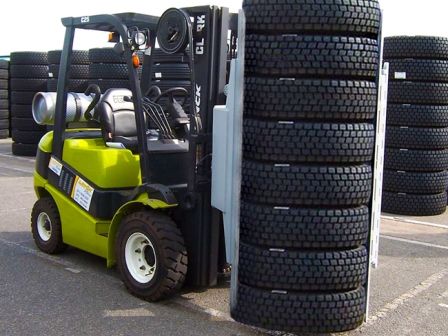
Preferred for outdoor operations, pneumatic forklift for sale are perfect for a wide range of applications, from a warehouse, lumberyard to the loading dock.

They are a solution for standard warehouse aisles and outdoor applications.

Pneumatic forklift tires for sale

Can you put pneumatic tires on a forklift?
Forklift tire types and uses

These are just some of the possible benefits of using pneumatic forklifts in your workplace:

Superior Traction

Pneumatic tire forklifts provide excellent traction on rough terrain and challenging surfaces and are generally the equipment of choice for outdoor jobs, including warehouses and construction sites.

Increased Headroom

Forklifts built for outdoor use with pneumatic tires generally have a larger chassis and more headroom than indoor shock-absorbing tire models, which means they provide superior maneuverability and greater clearance on road surfaces. gravel and other rough terrain.

More efficient refueling

Since most pneumatic forklifts are powered by an internal combustion engine, refueling is as simple as pumping in some diesel or changing a propane tank; This is an advantage over battery powered lifts that require significant downtime to recharge.

Smoother Ride

Forklifts with damping tires can be operated outdoors in certain conditions. However, since forklifts are not equipped with a suspension system, those that travel with air tires offer more comfort to the operator.

Forklift tire replacement cost

Forklift tires are a large part of operating costs – 20% to 30% of a forklift’s total lifetime operating expense goes to tires.

Worn tires reduce productivity and take up to 10% longer to cover the same distance.

Operator comfort, and therefore productivity, is also closely related to the condition of the tires.

Tires are the only shock absorber on a forklift. Comfortable operators do more work.

When you want to replace your forklift tires look for these signs that you need new tires:

  • Chunking (missing sections of tread from a tire as though  sliced or torn off)
  • Gouging (pieces missing from tire)
  • Flat spots
  • Separation of rubber from the wheel.
  • Tire volume loss

More on this story

Forklift Tires for Sale

Forklift Tires are one of the decisions that affect the budget of a company, so you have to find out and compare what models exist in distributors.

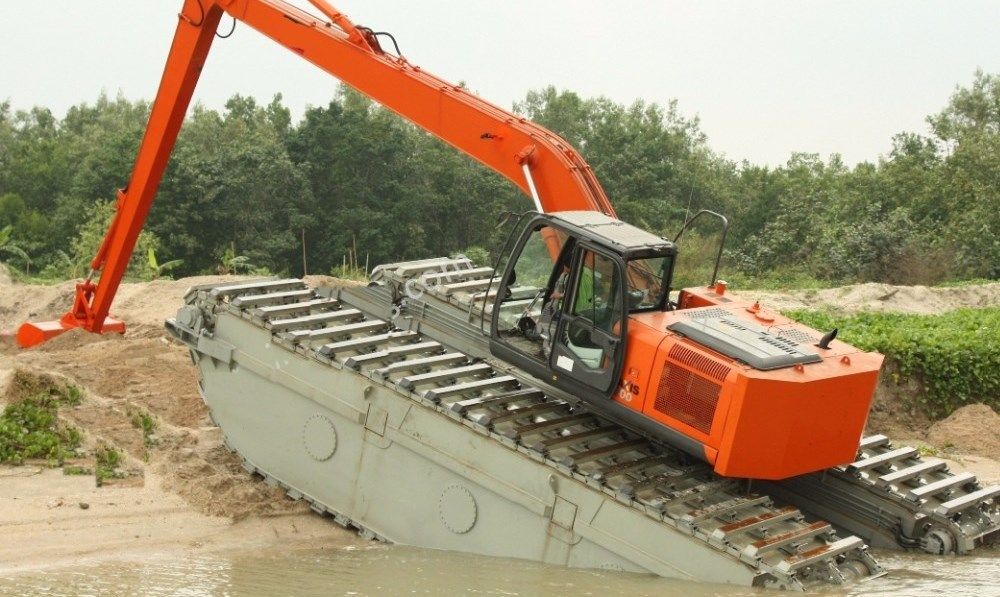
Swamp Buggy Excavator

Amphibious Excavators are hard to find, if you are a contractor, you may be wondering why you should consider buying a swamp buggy excavator.

Some locations, such as bay habitats, wetlands, remote islands, coastlines, and submerged aquatic vegetation, require specialized machinery.

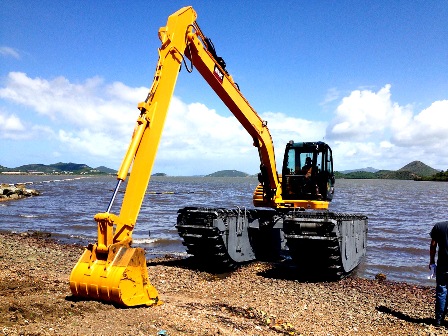
The amphibious undercarriage is specially designed to maneuver in difficult conditions, such as swamps, inland lakes, rivers, and shallow waters, where it is difficult to carry a standard excavator.

An amphibious excavator is a type of excavator that features sealed pontoon gear that allows it to perform dredging work while floating in shallow water.

Here are three reasons why you should consider buying one.

Swamp Buggy Excavator

Is it better to rent or buy

Amphibious excavator rental

You don’t have to BUY. The idea is that you have to secure a large amount of capital and buy one. There are lease options and in some cases, they can act as contractors for any project you are bidding on or considering. Buying is never the only option.

Amphibious excavator for sale

However, purchasing may be your best option. While there is no need to purchase, if you frequently work in challenging wet environments or have a long-term project, purchasing may be your best option. In most cases, for these types of projects, the equipment can pay for itself.

Amphibious excavator manufacturers

Manufacturers can adopt a model for each situation. Swamp Buggy Excavators go where regular excavators can’t.

Moving heavy equipment in wet and swampy environments can be quite a task. Using barges, tugboats, and tail lifts to move equipment can be very costly.

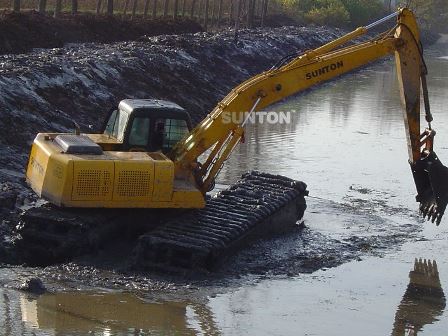
Amphibious excavators float and can propel themselves through canals, rivers, and small lakes. Whether your project is in wetlands, river deltas, or an artificial island project, if you have to work in a wet, marshy environment, the excavator is the obvious choice.

Amphibious excavator uses

If you are still looking for an amphibious excavator in the market, check out the services to see which of the machines would be the best fit for your next project.

The services that this type of excavator can provide are different for each use.

The pontoons are built with high tensile strength steel, due to the working conditions in which they find themselves, they are resistant to corrosion and capable of working in conditions of high salinity as in the case of working with seawater.

This ensures that the excavator can operate even in extreme conditions. It is a piece of equipment that is specifically designed to maneuver in swampy areas such as wetlands and soft ground, as well as to float on water. These excavators are fully self-propelled using a hydraulic direct drive guide system.

The physical principle that makes the amphibious excavator possible lies in hermetically sealed pontoons.

Coupled with its large size, this creates really low ground pressure. The machine is capable of operating in dry, soft, and swampy areas with little or no risk of getting caught in the mud.

Undercarriages are considered one of the main innovations in the area of ​​the construction industry.

These excavators are capable of operating in the harsh wetlands that are common throughout the world, especially in North America and Europe.

Engineers were generally limited to operations on dry land, so under these conditions, they would have to figure out how to make dry land for these machines by building roads or running barges through canals.

Because these overall wetland-related costs needed to be reduced, engineers developed amphibious landing gear.

The amphibious landing gear could be installed on excavators and other heavy-duty equipment, attaching the landing gear gives it buoyancy and the ability to work in wet environments without the need to build a solid foundation to transport it.

More on this story

Amphibious Excavator

Dredging is the removal of sediment and debris from the bottom of lakes, rivers, harbors, and other bodies of water, which can be done by an amphibious excavator.

Floating Excavator

A floating excavator also called a swamp buggy, or amphibious excavator is an excavator equipped with a sealed floating pontoon.

Hydraulic Excavator – how it works?

Essential in the mining sector, over time they incorporated hydraulics, automation, electronics, information technology, etc. Developed for engineering and heavy-duty.

What is a Dragline in Mining?

Draglines are an expensive and essential part of open-cut coal mining.

Heavy Equipment Rental

Rental is a prominent and growing model in the construction business. The development of the rental industry in new markets requires a certain level of trust in a country and in society.