All posts by Loganx

Professional Web Writer | Motor Enthusiast | Content Creator | Logan is a dedicated and skilled web writer, passionate about engines and machines and with a talent for creating engaging and informative content. She specializes in writing about a diverse range of topics including construction, forklifts, heavy equipment, excavators, etc. SEO Optimization: Proficient in SEO best practices, ensuring high visibility and engagement for all published content.

Single Girder Overhead Crane

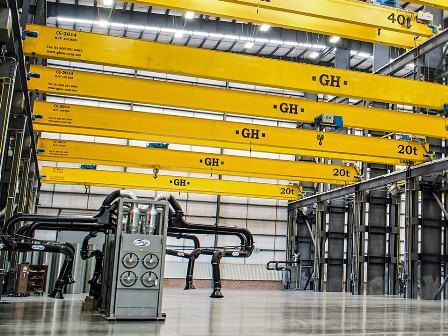
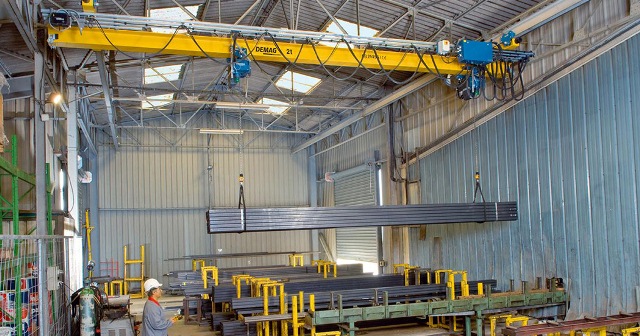
The single girder travelling crane is our flexible crane for almost any application. Even in buildings with low ceilings effective material flow solutions can be achieved for loads of up to 16 t and spans of up to 39 m.

Normally safety clearances below ceilings are not required for single girder cranes within this load range. This allows the optimal use of existing space or can save additional building height costs.

The single girder traveling cranes adapt to different building applications due to their various main girder connection variants. Favorable crane dimensions help to reach optimal highest hook positions.

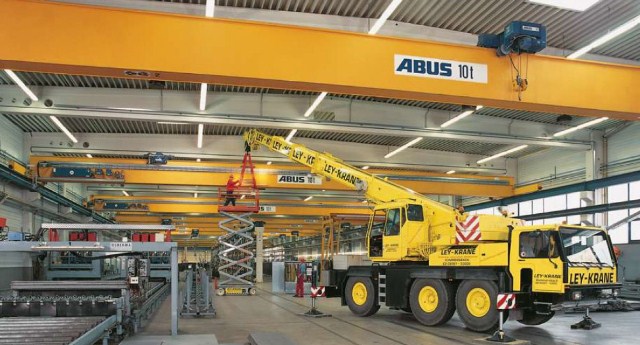
Overhead bridge crane

The main girder connection ‘version 3’ is the optimal solution for new factory buildings as this version offers the best side approach dimensions. If lifting height is the decisive factor then a single girder crane ELS with a side-running trolley is the right choice.

The single-girder traveling crane is also a good choice for special solutions: The accessories and components offer specialized additional equipment to satisfy your requirements.

Robust rolled section girders form the crane girder of the single girder traveling crane ELV whereas, traveling cranes ELK and ELS consist of torsion-resistant welded box girders.

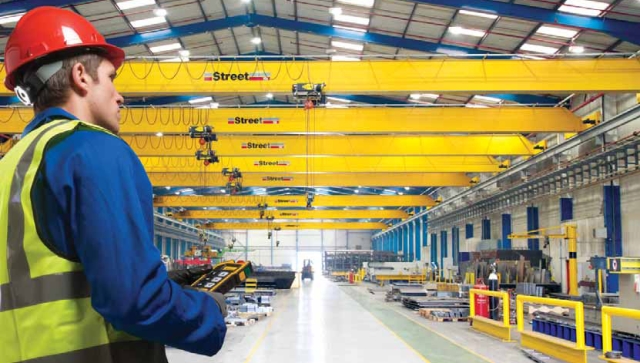
Overhead crane design

Single Girder vs. Double Girder Design

A single girder or double girder design will be one of the largest contributors to the complexity and overall cost of a new overhead crane system.

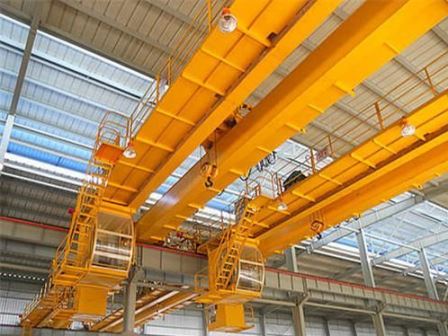
A bridge crane is a type of overhead crane that includes two or more overhead runways built into the building’s support structure. Bridge cranes have different configurations and can be comprised of one or two beams—more often referred to as a single girder or double girder design. Girders can be made of rolled steel or can be fabricated by welding the beams into a steel box design for added strength and rigidity.

Overhead travelling crane design

The bridge is a load-bearing beam that runs the width of the crane bay and is the primary structural component that connects the runways and moves the hoist forward and backward using a trolley.

The trolley and hoist can be designed to be top running or under running depending on the design of the building structure and the requirements needed to make the lift.

A single girder or double girder design will be one of the largest contributors to the complexity and overall cost of a new overhead crane system. In this article, we’ll discuss the advantages, disadvantages, and differences between single girder and double girder bridge crane systems.

You’ll want to give careful consideration to the bridge design of your overhead crane system to make sure that you understand the requirements of the lifting task and the environment where the crane will be operating.

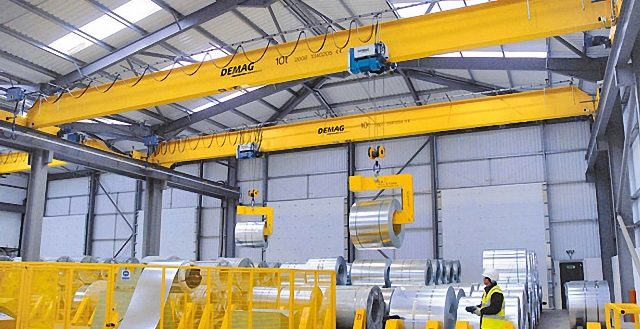
Single girder overhead travelling crane

On a single girder crane, the bridge consists of one girder beam supported on each side by an end truck. The trolley and hoist are most commonly underhung—meaning they run on the bottom flange of the bridge. The bridge itself can either be top running or under running in design.

One of the most common misconceptions about single girder cranes is that they are not as durable or of the same high quality as double girder cranes. If properly designed, a single girder crane can be the perfect solution for a business that needs a light to medium duty crane, or for a facility where headroom and/or floor space is limited.

  • Single girder bridge cranes are often the most cost-effective lifting solution for various applications and industries.
  • Single girder cranes use less material and are more compact and lightweight than a double girder crane, which results in a significant cost-savings in material, freight, and installation.
  • Also, because they only require one bridge beam, these systems typically have less dead weight, meaning they can utilize lighter runway systems and tie into the existing building support structure.

The major disadvantage of a single girder crane system is that they do have a limit in terms of capacity, span, and hook height. A double girder crane may be the better solution for overhead cranes that require capacities over 15 tons and spans over 65 feet.

In addition, service walkways, enclosed or exposed operator cabs, magnet cable reels, or other specialized features can be difficult or expensive to incorporate into the crane’s design.

Single Girder Crane Design

Advantages of a Single Girder Design:

  • Less expensive due to a simpler trolley design, reduced freight costs, simplified and faster installation, and less material for the bridge and runway beams
  • A most economical option for light to medium-duty cranes
  • Lower loads on the building structure or foundations due to a reduced deadweight. In many cases, it can be supported by the existing roof structure without the use of additional support columns.
  • Better hook approach for both trolley travel and bridge travel
  • Easier to install, service, and maintain
  • Ideal for workshops, warehouses, material yards, and manufacturing and production facilities
  • Lighter load on runway rails or beams means less wear on the beams and end truck wheels over time
  • Great for facilities with low headroom

Disadvantages of a Single Girder Design:

  • The hoist is placed under the cross girder and cannot provide as much hook height as a double girder crane
  • On a standard rolled steel bridge beam, the under running hoist trolley may cause premature wear to the bottom flange of the beam
  • Special features like service walks, lights, and heavy service components can be expensive or difficult to incorporate
  • Lower capacity rating

Double girder overhead crane

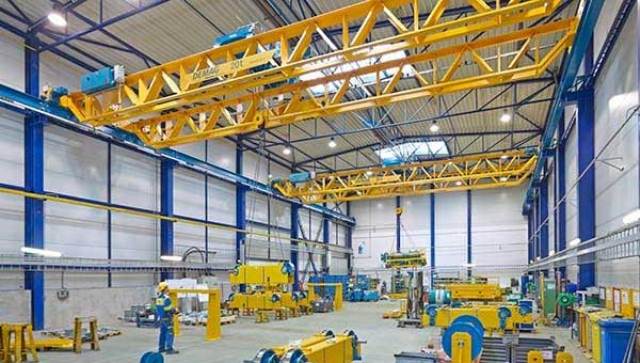
On a double girder crane, there are two girder beams that make up the bridge and they’re supported by an end truck on each side. In most instances, the trolley and hoist run on a rail installed on top of the bridge girders. With a double girder design, you gain the depth of the cross girder if the hoist is placed between or on top of the cross girders—providing an extra 18”-36” of hook height in most cases.

Double girder cranes can be either top running or under running in design. A top running double girder bridge crane will provide the most overhead room, as well as the greatest hook height.
Double girder overhead crane specification

Double girder cranes are recommended for heavy-duty applications where the crane has to handle heavier capacities and longer spans. Because of this, the components of the crane system, including the hoist and trolley, are more complex in design—making double girder cranes more expensive than a single girder crane.

They also require more material for the bridge beams and the runway system, so extra consideration should be given to the building’s support structure. Additional tie-backs or support columns may need to be added to handle the additional deadweight on the supports or building foundation.

Double girder bridge cranes are ideal for lifting heavy loads and can be used in more frequent operation than a single girder crane. They can also be used both indoors and outdoors, in a bridge or gantry set up, and are frequently used in mining, iron and steel production, railyards, and shipping ports.

Double girder overhead crane design

Advantages of a Double Girder Design:

  • Greater hook height – how far above the floor the hoist will lift (typically 18-36” more than single girder)
  • No limits to maximum span or capacity
  • Ideal for production and transportation of heavy equipment
  • Ideal for the frequent lifting of heavy loads
  • Added features like walkways and maintenance platforms, cabs, magnetic reels, and lights can be added and supported by a double girder design
  • Can be used in indoor and outdoor applications, including mining, iron and steel, railyards, and ports

Disadvantages of a Double Girder Design:

  • More expensive because of added material costs, additional structural support, and more complex crane components
  • Additional costs related to freight and the installation of the crane versus a single girder crane
  • Hook approach is lessened for both trolley travel and bridge travel especially on double girder top running cranes

Overhead crane components

Bridge crane

The main traveling structure of the crane which spans the width of the bay. The bridge consists of two end trucks and one or two bridge girders depending on the equipment type.

End trucks

Located on either side of the span, the end trucks house the wheels on which the entire crane travels. These wheels ride on the runway beam allowing access to the entire length of the bay.

Bridge Girder

The principal horizontal beam of the crane bridge which supports the trolley and is supported by the end trucks.

Trolley Hoist

The unit consisting of both the hoist and the trolley frame. In situations where more than one hoist is required on one crane, both hoists can be supplied on a single trolley or on separate trolleys.

Trolley

The trolley carries the hoist across the bay along the bridge girder(s) traversing the span.

Hoist

The hoist is mounted to the trolley and performs the actual lifting function via a hook or lifting attachment. There are two basic types of hoist. The Munck brand is a Wire Rope Hoist which is very durable and will provide long term, reliable usage. The other type of hoist is Chain Hoist.

Why buy an overhead crane?

Why buy an overhead crane?

When you purchase an overhead crane, you also benefit from our complete project management experience. This not only covers design and manufacture, but also delivery, installation, load testing, and final commissioning.

What is the difference between a gantry crane and overhead crane?

A gantry crane is slightly different from a bridge crane. The general premise is the same, but the operation is different. Some gantry cranes ride along a track installed on the floor or use a V-groove caster to keep moving in a straight line. Gantry cranes are usually less expensive than an overhead bridge crane.

How much do overhead crane operators make?

The average pay for an Overhead Crane Operator is $59,000 a year and $28 an hour in the United States. The average salary range for an Overhead Crane Operator is between $42,500 and $72,250.

How much do gantry crane operators make?

The Bureau of Labor Statistics reports that the average annual income of crane and tower crane operators was $50,000 on May 2012. This annual income figure is based on an average wage of $24.00 an hour and 2,050 hours of work per year.

Is crane operator a dangerous job?

While workers face many dangers on construction sites, crane operators are often at risk for catastrophic injuries. While crane accidents aren’t always caused by negligence, more often than not, they are preventable.

The most read

More on this story

Overhead Cranes

  • What are the parts of an overhead crane?
  • What is the purpose of an overhead crane?
  • How much does an overhead crane cost?
Overhead Crane Test Questions and Answers

  • Crane operator interview questions and answers
  • Rigging test questions and answers

Overhead crane manufacturers in the USA

Some have wondered if in the United States they fix, manufacture, elaborate parts, and components of overhead cranes.

Slewing Mobile Crane

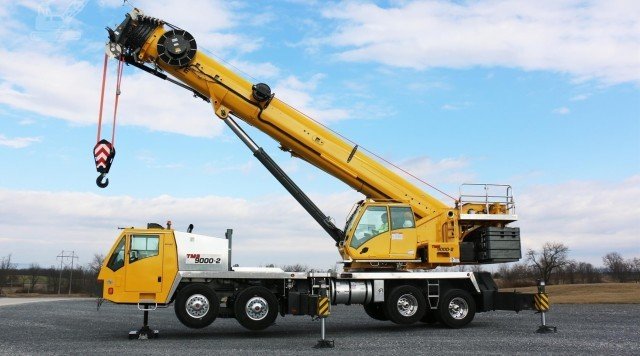
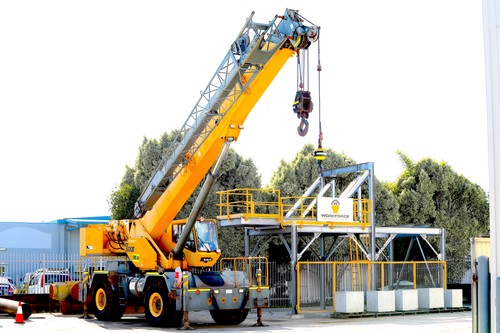
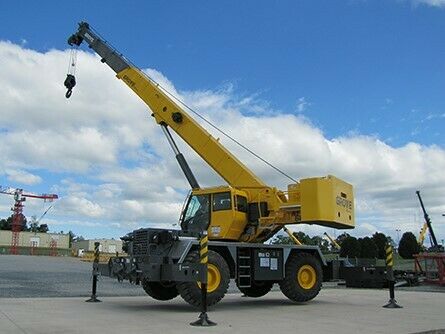
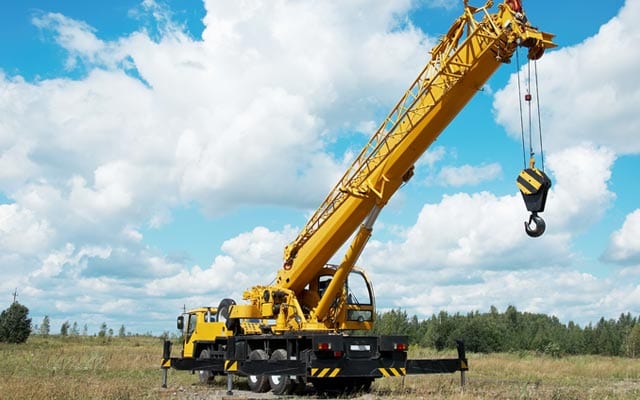
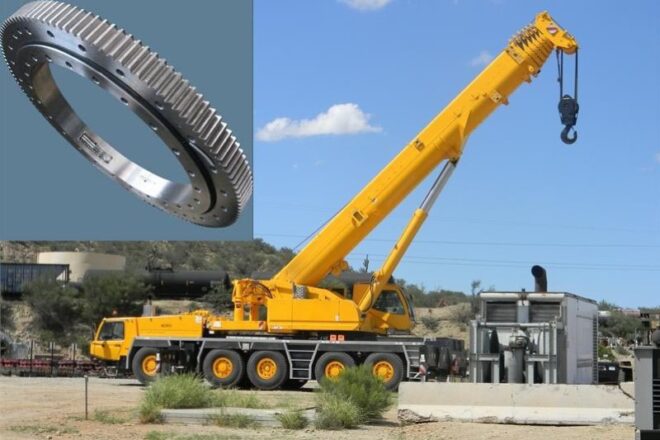
Slewing mobile cranes incorporate a boom or jib that can be rotated. This unit requires a person operating a non-slewing mobile crane to plan the work, conduct routine checks, set up the crane, transfer load, and mobile load, and shut down and secure the crane.

Slewing Mobile Crane

Slewing mobile crane definition

Any type of mobile crane includes truck loader, crawler, and non-slewing articulated cranes.

Mobile crane definition: A mobile mechanical plant that is able to be configured to lift or carry a suspended load. This definition includes “Fully”, “Semi”, “Portable” “Articulated” and “Truck” mobile cranes. For the purposes of the Approved Code of Practice, this definition also includes:
– Construction equipment, such as excavators configured with hooks or other lifting devices and used for purposes other than duties associated with the primary function of the machine (e.g. other than placing of pipes in a trench).

Slewing Mobile Crane

Non-slewing mobile crane

In crane movement terms, a slewing crane lifts its load, suspends that load in mid-air, and then rotates it via a boom rotating mechanism. Non-slewing cranes, on the other hand, lack a rotating base section. Hold that major difference in mind as we see how it affects slewing and non-slewing mobile cranes, for their compact outlines must adjust to accommodate these differences.

Mobile Non-Slewing Cranes Don’t Incorporate Rotating Joints:

This primary difference complements a typically mobile profile. The permanent articulation joint raises a load and repositions the load elsewhere, but only when the mobile truck employs its drive section. Slew incapable, the mobile lifter is highly maneuverable due to its four-wheeled chassis, with its crane section assuming a more solid build as it chiefly lifts and lowers its payloads.

Difference between slewing and non-slewing cranes

What Type Of Mobile Crane Should I Hire?

Every business is different, with an assortment of day-to-day requirements – from lifting goods to transporting them across the state.

So when it comes to hiring equipment for your business, particularly cranes, it is important to remember that there is no one size fits all approach to follow.

Before you splash out to hire equipment you may not really need, it is worthwhile sitting down as a team to brainstorm how your workplace could benefit from hiring new equipment, such as a mobile crane.

A little planning will go a long way to ensuring the crane you hire is best suited for your business’ day-to-day workload.

The Basics to Consider

  • Are there safe access points, such as ladders and footholds?
  • How is the seat designed, is it comfortable and does it provide support?
  • What visibility does the crane provide?
  • How are the mirror, windows, and windscreen designed?
  • Does it come with environmental controls such as air conditioning to avoid heat exhaustion?
Slewing Mobile Crane

Different types of mobile cranes

Mobile cranes can generally be categorized into three types:

  • hydraulic boom cranes
  • lattice boom cranes and
  • non-slewing boom cranes.

Hydraulic Boom Cranes

For companies that need a mobile crane with some oomph, a hydraulic crane may be your best choice!

Hydraulic cranes use an internal hydraulic system, rather than a standard diesel motor, which gives the crane more power to lift those heavy loads and smooth handling.

Lattice Boom Cranes

Thanks to their structure, these cranes have many configurations that can sustain long boom lengths. This makes lattice boom cranes a great choice for businesses needing to access new heights!

Lattice boom cranes incorporate crawler cranes and are self-propelled on tracks; they are generally transported to the site and set up on-site to suit the project-specific needs.

Non-Slewing Cranes

The big difference between slewing and non-slewing cranes lies in the ability to rotate the boom or jib. Non-slewing cranes have a fixed base and are sometimes referred to as pick and carry cranes, as they can easily transport loads across your worksite.

Slewing mobile crane training

Courses to learn the necessary skills, to safely operate a mobile crane, include the following topics:

  • Assess ground conditions
  • Understand crane characteristics
  • Read and interpret crane specifications including load charts to enable the crane to be configured for loads
  • Select the appropriate slewing mobile crane in accordance with load and workplace conditions
  • Operate crane including all functions to their maximum extension, lifting and moving of loads with maximum safe working load
  • Accurately record and maintain information relating to crane operation
  • Use communication techniques including whistles, hand signals and use of two-way radios
  • Identify hazards and assess risks associated with the operation
  • Conduct pre-operational checks and identify faults
Slewing Mobile Crane

Crane slewing system

A non-slewing machine mounts sensibly on the rear of a flatbed truck. Evolved versions of this configuration travel on highways and dirt tracks, with the wheels of the vehicle acting as the boom conveyance mechanism. Conversely, slewing turntables add flexibility to the operation.

They’re versatile, plus they can hunker down in place thanks to a series of extending outriggers. Meanwhile, the smaller non-slewing crane finishes its workload, moves to another site, and then uses its compact outlines to conduct another lift operation. Consequently, both crane types are invaluable, but they’re designed for slightly different applications.

Slewing crane meaning

A jib crane works in such a way that it can rotate its load while the load is suspended from the boom or jib. There is a boom rotation mechanism inside the jib cranes that allows the machine to maneuver the load during the lift.

For example, a jib crane might pick up a load, rotate 90 degrees clockwise, and then lower the load. On the other hand, non-rotating cranes can pick up a load and raise it higher or lower, but cannot easily change the location of the load, since the boom and arm are not equipped with a rotating mechanism.

Jib cranes are very versatile and can do many jobs that a non-rotating crane could not.

The jib crane must be planted on the ground to ensure its stability, which means that while the crane can rotate, the base of the crane is fixed.

However, due to the rotational capabilities of a jib crane, a position on-site that allows the crane to do the job with minimal disturbance is advisable.

Jib cranes are best suited to large sites, where the crane has enough room to turn.

It is also worth considering the use of a mobile jib crane, in which the boom and arm are mounted on a turntable at the rear of a vehicle.

Mobile jib cranes are very versatile but are limited to smaller loads as they are not on land.

Slewing Mobile Crane
What is slewing in Crane?

In crane terminology, slewing is the angular movement of a crane boom or crane jib in a horizontal plane. Any type of mobile crane includes truck loader, crawler, and non-slewing articulated cranes.

What are the different types of mobile cranes?

.-Hydraulic Boom Cranes
.- Lattice Boom Cranes
.- Non-Slewing Cranes

More on this story

The most read

Mobile Crane Safety

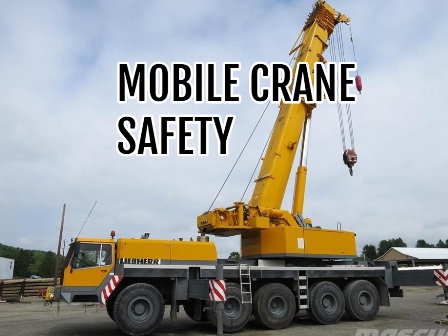
This article focuses on hazards, including where they might be found in different workplaces. We also provide you with a range of further resources to make your risk assessment process as smooth as possible.
Mobile Crane Hand Signals

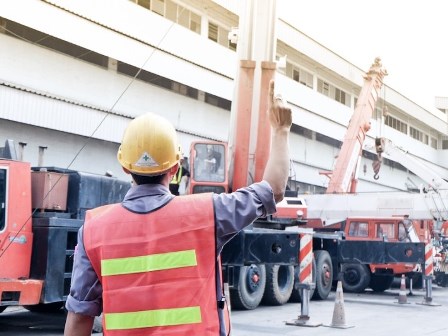
All mobile crane operators must have experience and education on all aspects of material handling and mobile crane procedures, including all common manual signals for mobile crane operators.
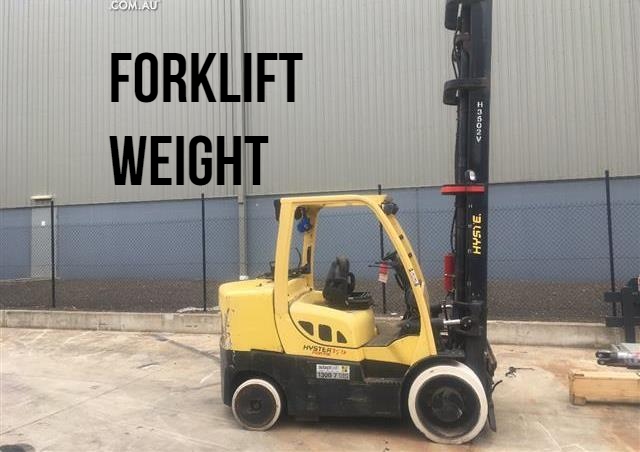
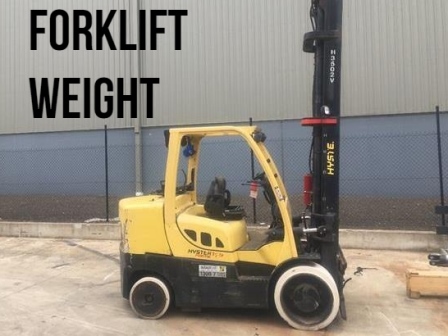
Forklift Weight

Forklift Weight: How much does a forklift weigh? It’s important to know the weight of your forklift when transporting it, driving it on trailers, moving it in an elevator, or using it in multi-story buildings. You don’t want your forklift to drop through the floor, causing thousands of dollars of damage and injuring workers!

forklift weight

The average weight of a forklift

Forklift weight capacity, Size, and Position: Forklift Weight

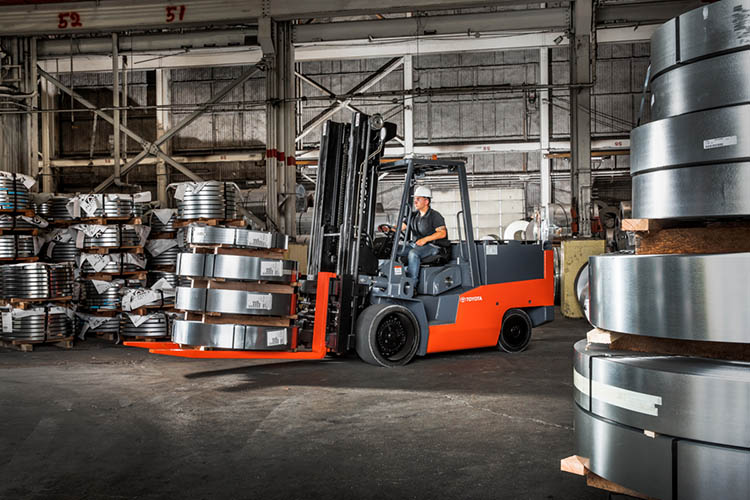
The load weight, weight distribution, size, shape, and position are key factors affecting the stability of the forklift.

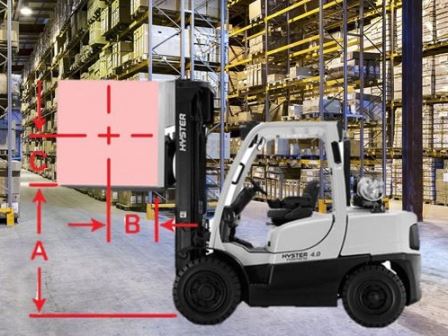
Forklifts are designed to carry a capacity load at a standard load center, commonly 24 inches.

This means that the forklift’s capacity was determined as if the load were a cube whose weight is evenly distributed (i.e., whose center of gravity is exactly in the center of the cube) and which is resting on a standard pallet having dimensions of 48 inches by 48 inches.

With such a load, the horizontal distance from the center of the load to the vertical part of the forks would be 24 inches.

Of course, most loads are not perfectly shaped cubes having their center of gravity exactly in the middle of the cube. To the extent that the load differs from this theoretical load — such as if it is irregularly shaped, has unbalanced weight distribution, or is not centered on the forks — the capacity may be reduced.

Forklift Weight

Forklift weight calculation

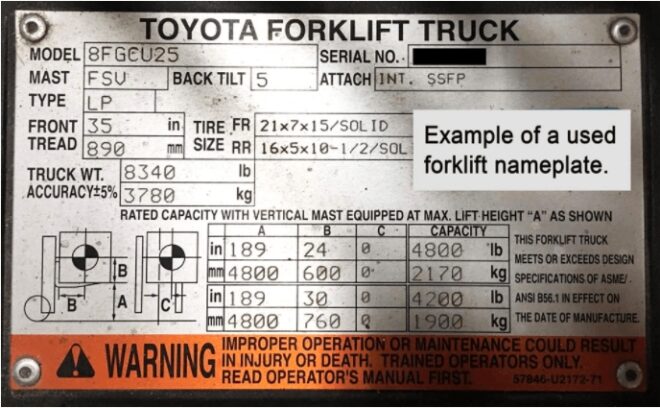
The service weight of a forklift is different than its lift capacity. Service weight refers to the actual weight of the forklift, including its battery and any attachments it has.

The best place to find the service weight of a forklift is on the forklift’s data tag. Alternatively, you can search forklift manufacturer websites for product specification pages, but the truck’s data tag is typically preferred over this option.

In addition, an industry rule of thumb is that the service weight of the forklift will generally be 1.5 to 2 times the lifting capacity of the forklift.

For example, if your forklift can lift 5,000 pounds, generally the weight of the forklift will be somewhere between 7,500 and 10,000 pounds. But remember, this is simply a rough standard, and manufacturer information or the forklift’s data tag should always be emphasized.

Forklift Weight

Forklift load capacity

Field Calculation of Safe Load Capacity

Assume a situation where a forklift truck that has a 5,000-pound capacity at a 24-inch load center needs to handle a load whose center is 28 inches from the front face of the forks in the horizontal direction. The first thing to recognize is that the actual load center distance of 28 inches exceeds the standard load center distance of 24 inches on which the 5000-pound capacity is based, so the safe load capacity is actually less than 5000 pounds.

Forklift load center

Shifting Center of Gravity: Forklift load center

All objects have a specific center of gravity. Gravity is a force that always pulls objects toward the earth’s core. Center of gravity means the point on an object at which all of the object’s weight is concentrated and all of the parts balance each other.

For symmetrical loads, the center of gravity is in the middle of the load in terms of the load’s length, width and height. Since the capacity of the forklift is based on the assumption of a cube having the center of gravity in the middle, the shape and position of the actual load are key factors when determining whether a load can be carried safely.

When a load is placed on a forklift, the key concept is the combined center of gravity of the forklift and the load.

For example, a typical unloaded forklift weighing 4000 pounds may have its center of gravity about 10 inches (25.4 cm) above and two feet (0.6 m) behind the front axle, about halfway up the truck body.

Forklift Weight

Forklift counterweight

The heavy counterweight located toward the rear of the forklift places the center of gravity toward the rear, which keeps the forklift from tipping forward. In the meantime, a 4,000-pound load consisting of a cube with even weight distribution has a CG in its center.

When the load is placed on the forklift, the combined center of gravity of the forklift and the load will move forward, but the forklift will not tip over so long as the weight of the load is centered and does not exceed the capacity stated on the data plate.

But if the load is too heavy, or if it is placed at the end of the forks so that the load center distance is increased, the excessive load moment will cause the forklift to tip forward. Remember, when the forklift engages a load, the combined center of gravity of both the load and the truck system shift forward from the center of gravity of the unloaded forklift.

Forklift Weight

How much does a forklift weigh?

How much does the average forklift weigh?

How much does the average forklift weigh?

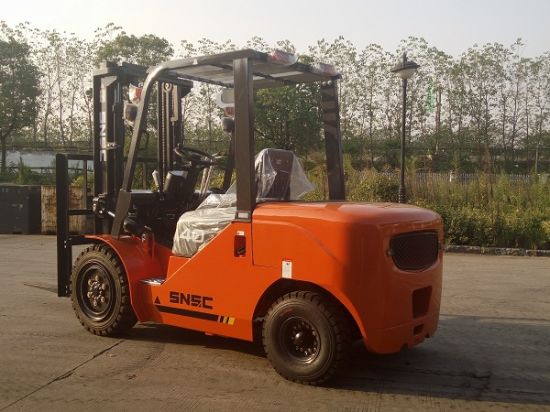
The average automobile weighs approximately 3,000 lbs and the average forklift weighs close to 9,000 lbs. Also, forklifts are heavier in the rear to counter the weight of items being carried in the forks.

What information is on a forklift data plate?

Forklifts are equipped with a nameplate, also called the data plate or forklift capacity plate. The data plate includes vital information about the forklift, such as its fuel type, weight, and forklift load capacity.

What does the nameplate on a forklift tell you?

The nameplate provides important information for the forklift operator, including the fuel type, forklift weight, and capacity. Operators should read the nameplate to know the forklift’s capabilities and limitations.

how much does a 5000 lb capacity forklift weight?

if your forklift can lift 5,000 pounds, generally the weight of the forklift will be somewhere between 7,500 and 10,000 pounds.

The most read

More on this story

How heavy is a forklift?

While the average automobile weighs around 4,000 pounds, the average forklift weighs around 10,000 pounds.

Forklift Safety Procedures

Forklifts can be dangerous and account for 25% of on-the-job injuries.

Forklift Capacity Calculator

The lift truck’s lifting capacity factor is important in selecting your equipment.

Forklift Lifting Capacity

What useful load can forklifts transport? What requirements are necessary for a forklift?

Forklift Truck Batteries

Forklift Truck Batteries: Currently, within the industry can find different types of batteries for forklifts, which are differentiated by their uses and applications.

Its main function is based on storing enough energy to start the forklift engine. Its secondary function is to store the remaining energy for later use in equipment for extended periods.

In the same sense, forklifts that are used with different uses also require care, especially with regard to the maintenance of forklift batteries.

Do you know the different types of batteries for forklifts truck?
What are the main characteristics of forklift truck batteries?

Forklift Truck Batteries

Lift truck battery

The most common forklift battery is one that contains lead-acid and includes a lead plate (negative electrode), an electrolyte solution of sulfuric acid and another lead peroxide plate (positive electrode). Every time you operate a forklift or other motorized vehicle, inspect it to verify that it is working properly.

It is worth mentioning that the best way to preserve the batteries, whatever they may be, is through a daily control of their condition and a good use of them, but to do this, make a good maintenance of forklift batteries, you need to incorporate a vital information series otherwise you can not do it efficiently.

  • First of all, keep in mind that a battery and a battery are electrochemical devices that have the capacity to store energy in a completely chemical way.
  • Once the battery is fully or partially charged, this chemical energy is transformed into electrical energy that is subsequently transmitted via a circuit to a motor that transforms it once again, this time into mechanical energy that enables the movement of the vehicle.
Forklift Truck Batteries

Forklift battery types

The vast majority of modern batteries are manufactured following a similar pattern, in this case, a series of internal cells that mark the voltage that the battery will have, plus cells plus voltage. The batteries provide power and counterbalance to the forklifts. Batteries can weigh up to 1,000k.

Voltage: It is worth adding that the voltage of each of the cells is two volts. But in spite of this common characteristic, in the modern market, several types of batteries can be found.

Rechargeable batteries: The second variant within the types of forklift batteries most widespread in the world are rechargeable batteries or accumulators that comes in different sizes and at different voltages.

The internal composition of the battery: A difference that is important to take into account among all rechargeable variants when carrying out the maintenance of forklift batteries is to know exactly what the internal composition of the battery is.

The primary batteries: they use their stored chemical energy once in a single discharge and then they are discarded.

The secondary batteries: on the contrary, they can be brought to their initial state (charged) after the discharge, bypassing an alternating current AC through them in the reverse direction to the discharge and are usually called “rechargeable batteries” “

Nowadays the vast majority of them internally is composed of acid lead because they are economically more viable than other combinations such as lithium-polymer, nickel-cadmium, nickel-zinc, zinc-air, sodium-sulfur, lithium metal hydride, lithium-ion (used cell phones and similar devices), etc.

Industrial forklift batteries

Forklift batteries are generally lead-acid or nickel-iron. These are recharged by connecting the forklift to a fixed station or with a charger “on board” inside the forklift.

Because batteries contain corrosive chemicals that can cause burns to the eyes and skin, use personal protective equipment to prevent contact and splash, and such equipment should include:

  • Rubber gloves
  • Safety glasses and protective masks
  • An apron
  • Boots with a steel toe for protection against crushing risks

Once all this information is assimilated, what must be done, to begin with, the maintenance of forklift batteries proper is a visual check of the state of the battery in question, emphasizing the following points or possible inconveniences:

  • check connections and charger status
  • check the battery status looking for the existence of some type of leak
  • check the internal acid level of the battery
  • check the electrolyte density, emphasizing analysis of the cells
  • search for dirt particles in the battery
Forklift Truck Batteries

Forklift battery maintenance

The continuous maintenance of the batteries is essential for the forklift to work safely at all times and be ready to carry out its work.

  • Industrial batteries, like all pieces of industrial equipment, require proper maintenance to prolong their useful life.
  • Battery life always extends when the proper maintenance regimes are observed.
  • On the other hand, in bad conditions, industrial batteries used improperly cannot realize their full potential for the duration of the warranty period.
  • This is what should and should not be done in battery care for users of motive power batteries.

An efficient way to check if the battery works properly is to make a small voltage discharge. If the verification of all these issues is successful, it means that the battery is in good condition. However, to maximize the maintenance of forklift batteries, these recommendations should be taken into account:

  • keep batteries between 15 and 25 degrees centigrade
  • keep the batteries fixed
  • avoid partial recharges or that the battery is completely discharged
  • do not use them too much

That is why the maintenance of forklift batteries is so important to give more life to it.

Forklift Truck Batteries

Forklift battery charger

During the recharging of the batteries, potentially flammable gases such as oxygen and hydrogen can be produced. Choose and carefully maintain the location of the battery recharging station to avoid injury.

  • Choose a ventilated room to avoid the accumulation of gases
  • Label the area with signs and stripes on the floor that delimit the area of ​​the battery recharging station
  • Install eyewash stations and emergency showers near the recharge area in the event of splashes and exposures to acid and other corrosive materials.
  • Place a spill kit that includes acid neutralization materials near the location.
  • Provide visible instructions in addition to equipment for combat and/or suppression of fires.

Forklift battery repair

Obtain training in inspection, maintenance, and battery recharging procedures. Checkpoints during battery inspection should include:

  • Correct levels of fluid
  • Verify that the cables are intact, insulated and connected
  • The contact terminals must be clean and show no signs of crystallization or corrosion
  • Check that there are no cracks in the housing

Other useful general maintenance and safety tips for batteries include:

  • Before recharging the batteries, make sure that the forklift is off and with the emergency brake activated
  • Make sure the charger is in the OFF position before connecting it or disconnecting it from the battery
  • Add the acid slowly to the water, never add water to acid solutions
  • Keep the battery vent caps firmly in place so that the emitted gas is vented outside the forklift
  • Avoid flames, electric arcs, and sparks near the forklift’s battery
  • Never smoke near a battery recharge station
  • To avoid electric shocks and burns, remove all metal jewelry and keep metal objects away from the battery, including funnels and containers

Forklift safety

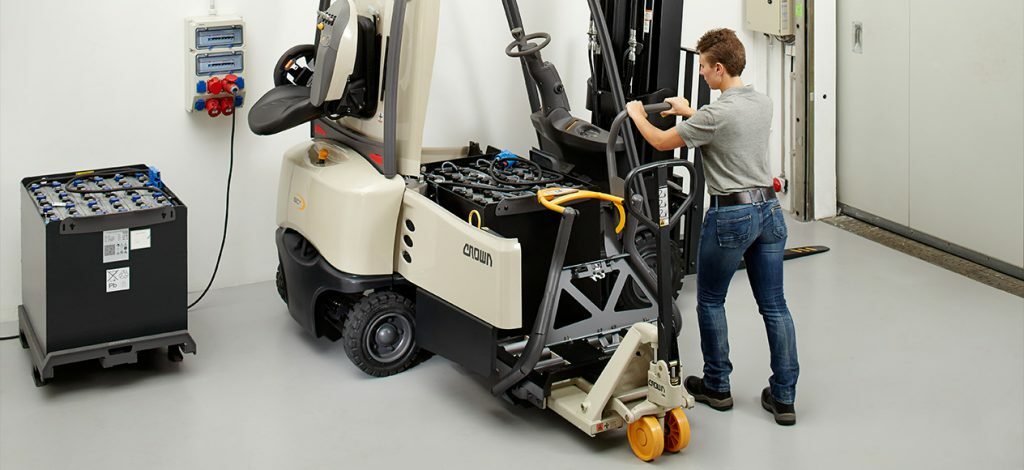
The batteries provide power and counterbalance to the forklifts. Batteries can weigh up to 2,000 pounds so apply best practices and precautions to avoid crush accidents when moving, changing and handling batteries and remember:

  • Move the battery only if you have a properly equipped cart and forklift with the necessary capacity
  • Securely attach the battery to the transfer equipment and the destination forklift

The recharging of forklift batteries is not a difficult procedure; however, it must be done with great care.

Compliance with workplace safety practices to properly recharge and maintain forklift batteries can prolong the life of the battery and ensure there is always enough charge to complete the work task.

Electric forklift battery

Is it necessary to use electric forklifts and battery recharging operations?

The operation of recharging electric forklift batteries is widely used in the industry but exposes buildings, equipment, stored materials and personnel to losses, including the continuity of operation of the company. Battery recharging operations are particularly common in warehouses where the fuel load is generally high.

The presence of battery recharging operations in proximity with combustible products can generate fire with a high velocity of propagation; therefore, it is advisable to have a robust fire prevention program and control measures that include:

… the relocation outside of buildings of this type of battery recharging operations or the protection with automatic sprinklers both in storage areas and operations with battery recharging.

Forklift Truck Batteries

Forklift battery charging station

What is a forklift battery charger?

The industrial charger is responsible for charging the forklift battery as quickly as possible without shortening the battery’s lifespan due to overheating and overcharging. Before the advent of the current generation of forklift battery chargers, the operator was responsible for setting the desired voltage and amperage for charging the battery, thus opening the door for human error and damage.

Today’s industrial charger contains a complex network of cards and sensors that effectively remove the human from the equation. Today, chargers have preset parameters that protect the battery from overcharging and damage.

These preset parameters will actually stop charging and display error codes if there is a problem with the battery instead of pumping the battery full of power until it either boils over or in a worst-case scenario, catches fire.

There are myriad choices as for industrial chargers from small portable chargers that plug into any wall socket, to large wall mounted units that require large amperage capacities with dedicated wiring.

Current chargers allow the user to custom-tune a specific charge cycle. This customization allows you to control everything from the amount of voltage, amperage, charging time, and even the fill rate over a given time span. These controls allow you greater flexibility in charging, as well as longer battery life and performance.

Used forklift batteries

Used forklift batteries are a fraction of the cost of new, and will keep your forklift running.

Used forklift batteries are extremely heavy-duty and can be recharged a number of times. By following these basic tips, you will extend the useful life of your forklift battery significantly, saving you money and reducing forklift downtime.

  • Replacing the water in the battery will help keep the interior from corroding, and distilled or deionized water is preferred.
  • The fluid level should typically be about ¼’’ below the vent wall neck after the battery is charged, and fluid should not be added before charging the used battery.
  • When using a forklift battery, do not discharge more than 80%.
  • An average life cycle that helps ensure a longer-lasting forklift battery is around a 50% discharge.
  • The reconditioned, used battery should also be equalized every 5 to ten charge cycles, and this is basically a controlled overcharging that adjusts the voltage difference between the cells.
  • It also helps get rid of the sulfate particles that build upon the plates.

If your used forklift’s battery ever overspills, make sure to wash it immediately with water and baking soda to stop corrosion from forming on top of or underneath the battery.

If this isn’t done quickly the battery can be completely ruined. It is a good idea to wash the outside of the battery twice a year because acid vapors escape during recharge. These vapors cause residue to build up around the vent cap area, which will eventually corrode and damage the outside of the battery.

How long do forklift batteries last?

How long do forklift batteries last?

5 years. Most new batteries start with 1500 cycles prior to the end of its usable battery life. A battery charged once each working day (300 per year) will last 5 years (1500 cycles). Opportunity charging (mentioned below) can reduce the life by over half. “Remember, the battery is the fuel tank of the forklift.

How much does a forklift battery cost?

Used forklift batteries usually cost around $1,500 to $3,500. You can buy used industrial batteries through a local material handling or battery dealer.

What kind of battery does a forklift use?

Lead-acid forklift batteries have two main functions. They provide a power source and act as a counterweight to a lift truck. A typical lead-acid battery is made up of a battery case, battery cells, and battery cables that come together to house a liquid electrolyte mixture of sulfuric acid and water.

When should you put water in a forklift battery?

You should add water to the forklift battery after its charge. Typically, batteries need watering 1x / weekly.

How much do forklift batteries weigh?

The weight of these heavy batteries can crush hands and feet if care is not taken when charging and handling them. Adequate and proper handling of equipment should be provided. The average lift truck battery weighs over 2000 pounds.

The most read

Reconditioned Forklift Battery

Sulfation is crystallization that forms a hard shell surrounding the lead plates within the battery cell, this shell prevents efficient charging and discharging of the battery.

More on this story

Forklift Battery Charger

Your forklift truck will run on its own battery if it’s an electric vehicle. The battery is a vital piece of equipment and must be cared for and kept charged in order for your truck to work properly.

How heavy is a forklift?

Compare a forklift to a car and you’ll see that forklifts are unique vehicles with special challenges.

While the average automobile weighs around 3,000 pounds, the average forklift weighs around 9,000 pounds.

Also, forklifts are heavier in the rear to counter the weight of items being carried in the forks.

And, while cars have brakes on all four wheels, most forklifts only have stopping power in their front drive wheels.

Those factors combine to make forklifts harder to stop, so they should be driven slowly.

How heavy is a forklift?

More on this story

Forklift Safety Procedures

Forklifts are extremely useful workplace vehicles, as long as they are used safely and appropriately by operators who are appropriately trained and competent to use them. Learn about the rules for driving forklifts.

How much does a forklift weigh?

It’s important to know the weight of your forklift when transporting it, driving it on trailers, moving it in an elevator, or using it in multi-story buildings.

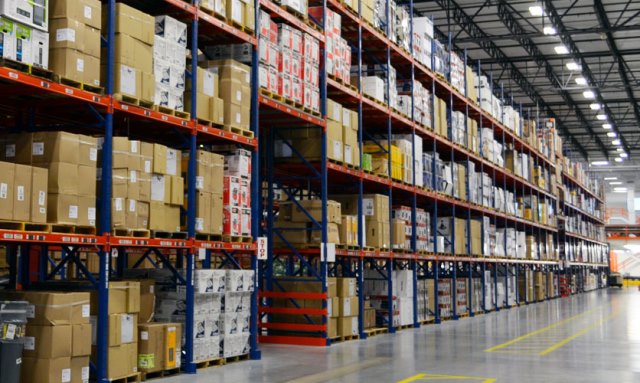
Pallet Racking Inspection Requirements

Do you know pallet racking inspection requirements?

  • Are racking inspections a legal requirement?
  • When do warehouse storage racks need an inspection?
  • When was the last time you had your warehouse and storage racks independently inspected for integrity and safety?
  • Would any of your supervisors or line managers respond, “What do I mean “independent” inspections?

Or — of greater concern — would they scratch their heads and ask “What do you mean rack inspection?”

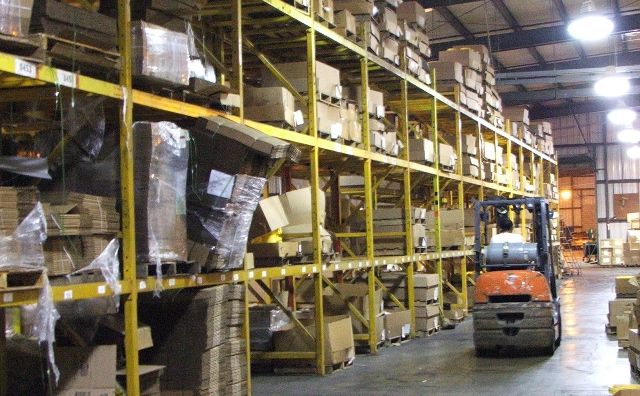
Few warehouse operators have aggressive in-house rack inspection programs in place. Forklift accidents, collisions, dropped or misplaced loads, and other incidents that result in rack damage may or may not get promptly reported.

But even when a forklift hitting the front end corner of a rack gets reported, a typical management response never goes beyond “let’s go take a look,” as if a quick visual inspection alone will confirm that load limits and structural integrity of the rack have not been affected by the accident.

It’s as if, while other hazards “stand out” to otherwise reasonable and prudent supervisors, there often is an absolute lapse in concern for 100,000 pounds of rack and product collapsing in a pile across the tight confines of a busy warehouse.

Pallet Racking Inspection Requirements

Warehouse racking inspection requirements

Why do i need a racking inspection for pallet racking?

Racking is often installed based on its versatility, reliability, and capability to support large loads – making it easy to fall into the trap of thinking that it requires minimal maintenance.

While racking should certainly last for a long time and be resistant to damage, it’s also important to keep assessing its condition so that you know when something is amiss.

While you shouldn’t leave all of your safety oversight to racking inspectors, regular inspections are an important element of health & safety compliance, as well as a means to protect people in the workplace.

Industrial storage racks manufacturers

Manufacturing and warehousing racking environments create severity exposures that are typically overlooked or not considered by material handlers and employees working around storage racking systems.

With forklifts maneuvering back and forth and constantly lifting and lowering heavy loads co-workers don’t realize that pallets do fail and quite often operators make judgment errors that result in falling materials.

When that happens, it is conceivable that racks will fall over crushing workers and materials do fall from forklift forks striking and seriously injuring workers.

Pallet Racking Inspection Requirements

OSHA storage rack anchor requirements

To avoid these pitfalls, racking systems should be inspected at least monthly to make sure the racks are in compliance with OSHA standards and they have been safely and properly installed, loaded, and without damage.

While OSHA does not have a standard racking guideline, they do site the general clause which states employers shall provide a workplace that is free from recognized hazards.

Whether your racks are damaged or installed improperly they can create a workplace hazard that can be found in violation of the regulation and result in a fine/citation.

Fines typically result from damaged or smashed racking, non-engineered repairs or modifications, unposted weight capacities, and racks not being anchored to the floor.

Storage rack solutions

  • What does it mean if my rack is ‘out-of-plumb’?
  • How about ‘out-of-straight’?
  • ‘Out-of-plumb’ means your rack is not exactly vertical – it’s leaning forwards, backward, to one side, or the weight of its contents is causing it to buckle in or out.
  • ‘Out-of-straight’ means your rack is not level from side to side – one side is higher than the other. If you place a marble on an out-of-straight shelf, it’ll roll to one side. A rack that is out-of-plumb is frequently also out-of-straight.

The out-of-plumb and out-of-straight limits for a loaded rack are the same: 0.5 inches per 10 feet of height. If your rack exceeds these limits, the rack should be safely unloaded and re-plumbed.

I have a sprinkler system installed in my warehouse. Will racking interfere with my fire protection?

OSHA mandates a minimum vertical clearance of 18 inches be maintained between sprinklers and any material below. You must also ensure that sprinkler spacing provides a maximum area of protection per sprinkler and that interference of the water discharge pattern due to structural components and building contents is minimized.

If you have already installed a sprinkler system, you’ll need to add your racks in such a manner that they don’t block the sprinklers. Other fire hazards may come into being with a new racking installation, including new fire exit strategies, reduced exit visibility, and increased proximity of racked material to lights and heating elements on the ceiling. Be sure to retrain employees as needed, especially if you are installing multiple new racks.

More on this story

Warehouse Racking Design

The efficient, safe design and use of pallet racking storage systems, pallets and materials handling equipment depend on a number of factors. This guide is intended to give an indication of best practice and advice to anyone involved in the planning of a new warehouse or storage facility.

Pallet Rack Inspection checklist

Few warehouse operators have aggressive in-house rack inspection programs in place. Forklift accidents, collisions, dropped or misplaced loads, and other incidents that result in rack damage may or may not get promptly reported.