All posts by Loganx

Professional Web Writer | Motor Enthusiast | Content Creator | Logan is a dedicated and skilled web writer, passionate about engines and machines and with a talent for creating engaging and informative content. She specializes in writing about a diverse range of topics including construction, forklifts, heavy equipment, excavators, etc. SEO Optimization: Proficient in SEO best practices, ensuring high visibility and engagement for all published content.

Mining Equipment Names

List of mining equipment: Mining is the extraction of valuable minerals or other geological materials from the land of a deposit.

For this extraction to be done efficiently, we need machinery specialized in mining. These mining equipment have reinforced chassis and more powerful engines so that they can transport all the material.

Some mining machines are used to transport mining or workers (miners), you can also use machinery to introduce explosives with a longitudinal arm making the explosion more effective.

Other types of mining machinery are used to introduce the concrete into the wall of the rock making it more consistent and safer.

For anyone who ever stood in awe of a three-story-high dump truck or marveled at the engineering revolution propelling mechanical vehicles into the robotic age.

Ultra Haulers presents the past, present, and future of the world’s greatest haul trucks.

Ultra Haulers: Global Giants of the Mining Industry

Mining equipment list

Mining equipment list

Mining Machine List:

  1. Open-pit mining equipment
    • Dragline excavator
    • Excavator shovel
    • Bucket-wheel excavator
    • Wheel tractor scrapers
    • Bulldozer
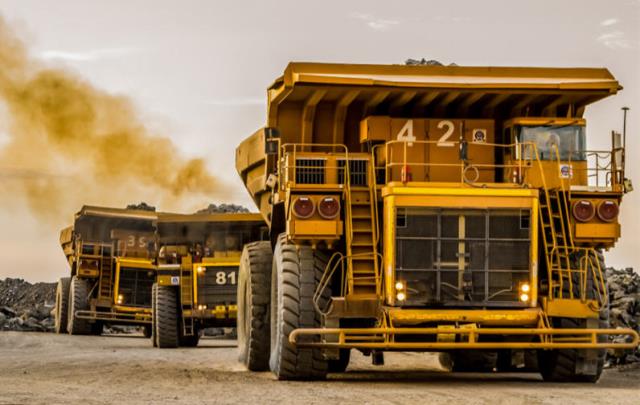
    • Mining Truck
  2. Underground Mining equipment
    • Mining drill
    • Underground Loader
    • Crane lift
    • Shotcrete machine
    • Longwall Mining

Within the mining operations, the activity of management and management of machinery for minerals, affects the cost of operation in general, mainly due to the large amount and variability of resources involved in it.

A large part of the technological innovations points to this activity, both because of its importance in the cost of operation and in the number of stages involved.

The management in the handling of minerals, or materials in general, seeks to optimize resources to achieve a simple but complex objective that is the transfer of material from one point to another fulfilling certain quality and quantity requirements in a defined period of time and at minimum cost.

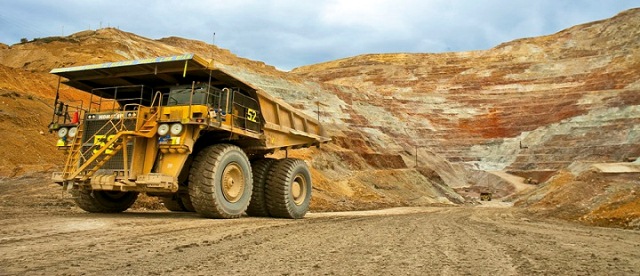
open pit mine

Open-pit mining equipment

Open pit mining is an industrial activity that involves the removal of large quantities of soil and subsoil, which is then processed to extract the mineral. This mineral may be present in very low concentrations, in relation to the amount of material removed.

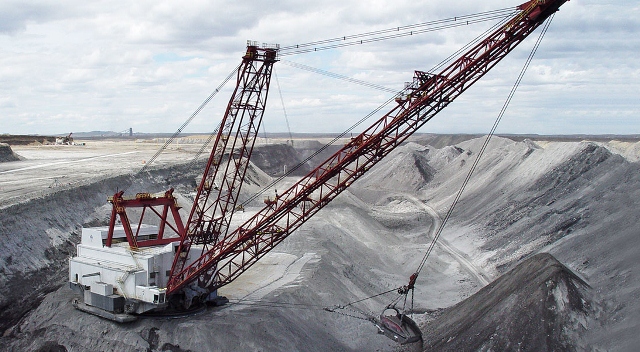
Dragline excavator

It is a large excavation machine, so they build it in the place where it will be used, in mining and in civil engineering to move large amounts of material. It is especially useful in places flooded for example for the construction of ports. Its weight easily exceeds 2,000 tons to reach in some cases at 13,000 tons. 
The dragline is formed by the following parts:

  • The main structure, in the form of a box, which has rotary movement. Here resides the engine, diesel or electric, and the cockpit.
  • The mobile arm or mast that supports the loader.
  • The loader that is held vertically to the main arm and horizontally to the main structure through cables and ropes
  • Cables, ropes and chains that allow the maneuvering of the excavation process.
  • It has metal feet because the wheels or caterpillars of the tanks will sink.
list of mining equipment

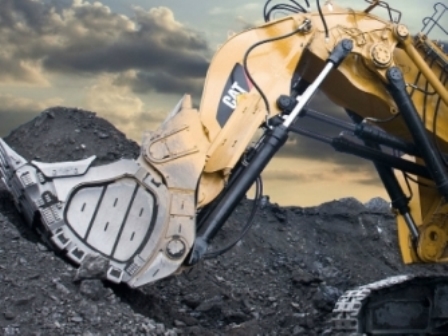
Excavator shovel

Excavator shovel or mechanical shovel is a self-propelled machine, on tires or tracks, with a structure capable of rotating at least 360 ° (in one direction and in another, and without interruption) that excavates land, or load, lift, rotate and unloads materials by the action of the spoon, fixed to a set formed by boom and arm or rocker arm, without the supporting structure or chassis moving.

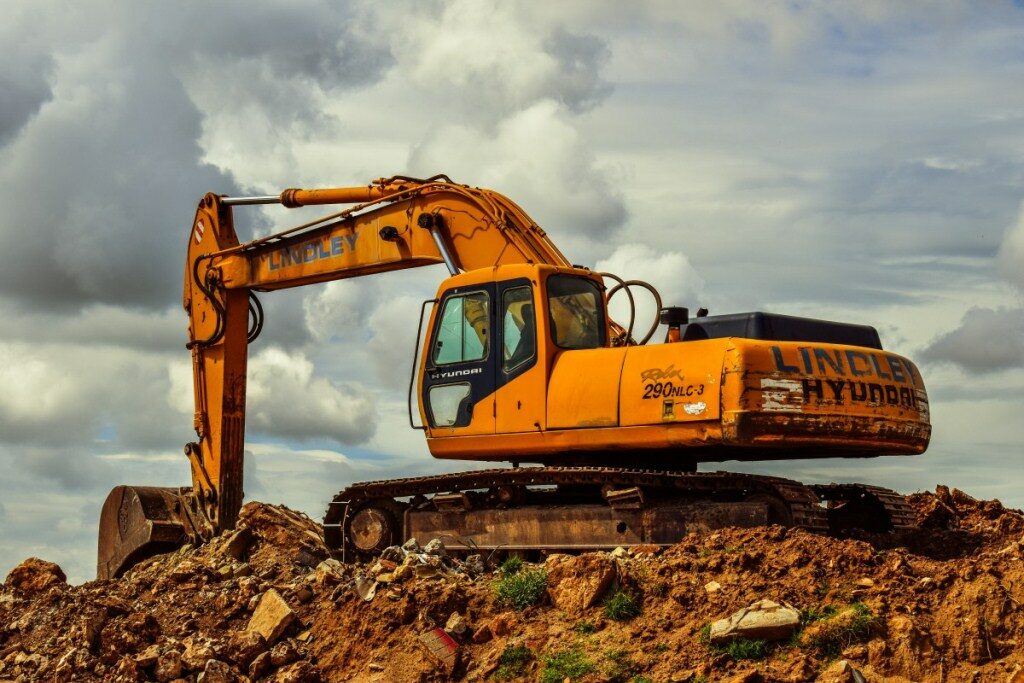
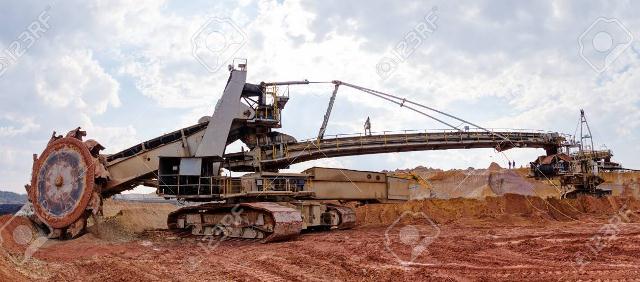
Bucket-wheel excavator

It is a continuous production machine in which the functions of starting, loading and transport, within it are separated, the first two being made by the impeller and the last by a system of conveyor belts.

It can excavate 240,000 tons of coal or 240,000 cubic meters of wastewater per day, the equivalent of a 30-meter-deep soccer field. The coal produced in a day filled 2,400 coal cars.

Wheel tractor scrapers

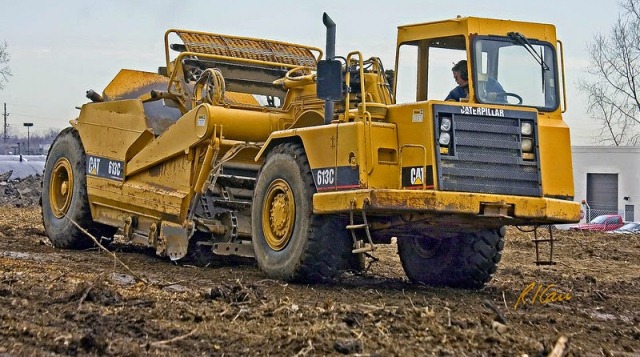
This machine is for transporting earth from one direction to another where it can be seen in the image is not to transport a large amount of land is to carry the specific where it is released by the earth when moving.

Bulldozer

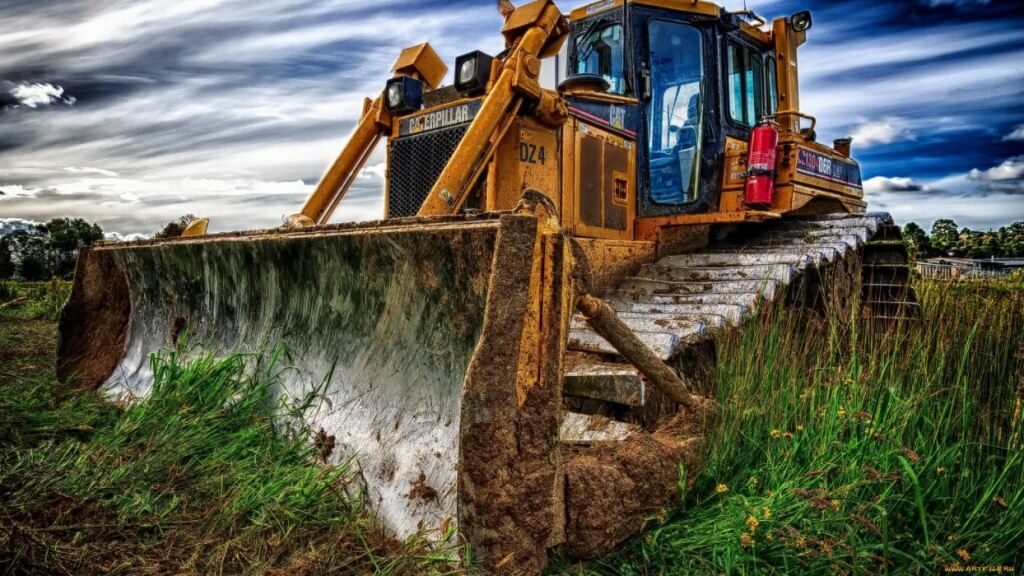
It is a type of bulldozer that is mainly used for earthmoving, digging and pushing other machines. Although the blade allows a vertical movement of elevation, with this machine it is not possible to load materials on trucks or hoppers, so the movement of the earth is done by dragging.

Mining Truck

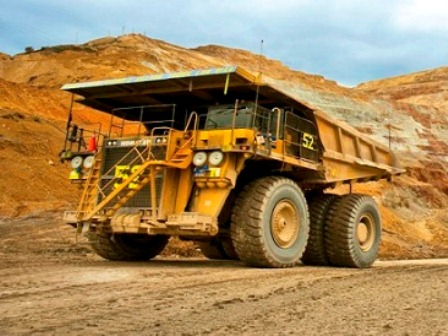
The trucks have been specializing and adopting a series of characteristics of the work to which they are destined in the mines and are responsible for transporting the ore and sterile to the dump. In the majority the structure is integrated by a supporting chassis, generally a structural frame, a cabin, and a structure to transport the load.

Underground Mining equipment list

Soft rock mines, such as coal, do not require the use of explosives for extraction. These rocks can be cut with the mining tools provided by modern technology. Soft rocks are also salt, potash, and bauxite.

In hard rock mines, extraction is carried out by drilling and blasting. The first holes are made with compressed air or hydraulic drills. Then holes are inserted into the holes and an explosion is caused to fracture the rock. The blasted rock is loaded into steeply inclined galleries, through which the rock falls into an access shaft. It is loaded into containers called ladles and removed from the mine.

Mining drill

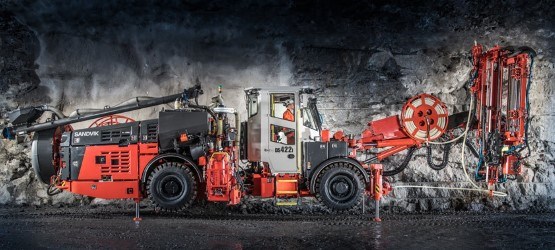
Its technical name is jumbo drilling and the main function of this machine is the drilling of work fronts to subsequently perform the corresponding trimming. This equipment is very effective and reliable and it’s working time is much lower than how it was done in the past, which is why it is of great help for bigger and safer productivity.

Underground Loader

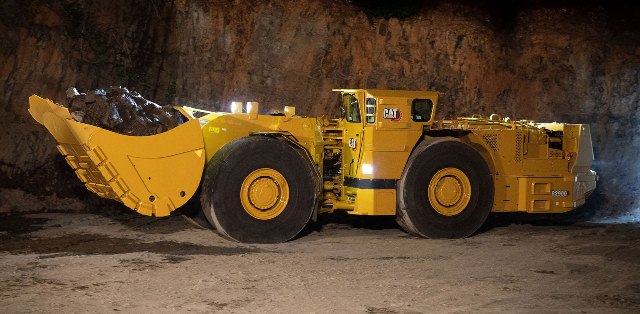
The image clearly represents the work of this team called a scoop, which is used once the blast has been made on the work front. The work of this team consists of the removal of this material from the forehead to a marine collection point or to emptying pits.

Crane lift

Equipment used to meet the needs of workers in the work fronts, either to perform the loading of explosives as well as the fortification respectively that is carried out at the work front is very useful for the progress of the work that must be done in height

Shotcrete machine

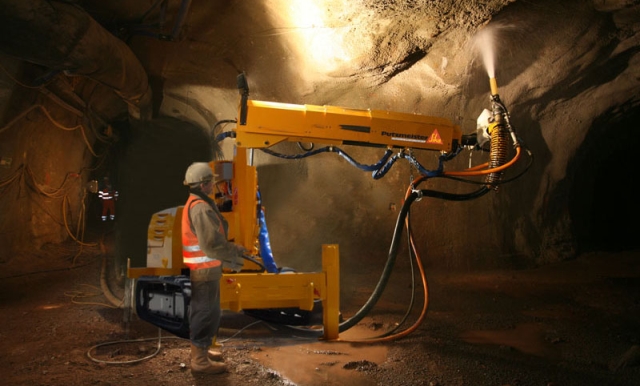
Mechanical equipment used for the projection of shotcrete either wet or dry facilitates too much of the work of the projection of this material giving greater progress and quality to the work to be done

Longwall Mining

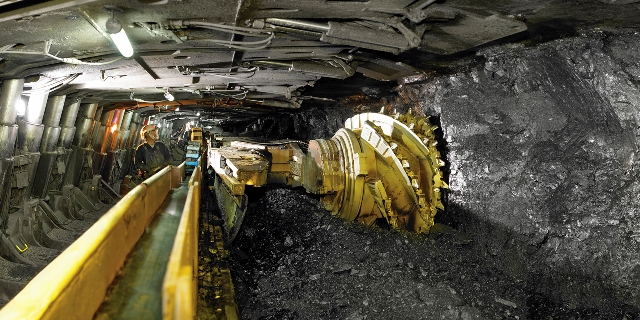
The shearing machine is the most used equipment in the construction of tunnels and underground galleries where her head has tips to break the hardest places

Heavy mining machinery list

Technology advances at an impressive speed and, as such, it expands to different markets. The mining sector is not the exception and the suppliers of the sector are not left behind. The market for heavy mining machinery offers cranes, excavators, and trucks, among others. Next, is off-road mining.

An essential indicator in heavy equipment for mining is that they can generate the lowest cost per ton moved, following high safety standards. That is why various manufacturers have been developing continuous improvements in their equipment to provide more and more productivity and efficiency in operating costs.

In the same way, it seeks to have superior control capabilities and comfort for the operator, with high safety standards, attributes highly valued by mining clients.

In this sense, technology has been evolving over the years, gradually, positively impacting the productivity and safety of heavy machinery.

Underground mining equipment

Caterpillar mining equipment

Another piece of equipment that we can mention is Caterpillar underground mining equipment, which stands out for its information systems, which allow access in real-time, via the Internet or through a cellular signal, to reports on the health of the blades and how they are being used. Operated.

“These systems even make it possible to observe them in motion through a 3D model. Thanks to these analysis and monitoring capabilities, it is possible to maximize the performance of the equipment, “says the company.

“The production levels help us define the amount of equipment and the combination in the operational cycle (match shovel truck, drill angles, etc.) are important details that must be analyzed,” he says.

It indicates that the aspects that are most valued in the selection are the performance of the equipment, the cost (of investment and of maintenance), and the ergonomics (cabin, seats, visualization, and operation of the equipment).

“Prior to the purchase decision, a benchmarking of the brands that already exist in the market and comply with our standards is made, in addition to taking into account the requirements and observations of the operational areas (mine and maintenance), and the opinions of the operators,” he says.

Mining machinery names

Working in the mining industry can be a dangerous place if you don’t know what you’re doing. Regular training is essential and understanding the machines you’re working near or operating plays an important role in all aspects of the industry.

Each type of mining equipment comes with its own set of mining activities. The most common types of mining equipment vary depending on whether the work is being carried out above or below ground or mining for gold, metals, coal or crude oil.

From drilling machines to excavators, crushing, and grinding equipment, the industry comes complete with all the right mining tools. New to the job and want to find out what it all means? Here are a few of the industry’s most common types of equipment and why they’re important for the job.

Mining Drills

Probably one of the most common pieces of mining equipment, drills are an important part of underground mining operation. Underground mining is carried out when rocks or minerals are located at a fair distance beneath the ground.

Blasting Tools: Blasting tools are an essential part of the mining industry and are used to break down and fracture materials (usually rocks) by use of a calculated amount of explosive to liberate the sought-after product from the waste material.

Earth Movers

For above-ground mining, earthmovers are utilized regularly to carry loose soil and earth from one location to another. Earthmovers play an important role in the mining industry because the equipment is specifically designed to work on large earth-moving and mining projects for a faster and more practical process.

Crushing Equipment

As its name suggests, crushing equipment is used to crush rock and stone. Designed to achieve maximum productivity and a high reduction rate, mining crushing equipment can come in a variety of different types for a range of jobs.

Underground and open pit mining

What equipment is used for mining?

In traditional surface and underground mining, hammers and chisels with pickaxes and shovels are used. Minecarts are used to move ore and other materials in the process of mining. Pans are used for placer mining operations, such as gold panning.

What types of mining are there?

There are four main mining methods:
-underground,
-open surface (pit),
-placer mining, and
-in-situ mining.
Underground mines are more expensive and are often used to reach deeper deposits.

What is the global trend in mining equipment?

Every time you work, with trucks and large machines. Before they were trucks of less than: 100 or 150 tons. Then, with trucks of 240 tons or more, that was the biggest thing. In 2011 we entered the category of 400 tons, it was 14 meters high. Today that is the current trend. (Managers of mining companies)

What is open pit mining?

Open pit mining is the most common mining technology when it comes to new mines. In this technique, the soil is excavated and the mineral separation and the remaining soil material occurs on the surface. The first step in this process is the extraction of the ore (beta with high mineral grade).

How does an underground mine work?

All underground mines have some crucial components in common: ventilation shafts to clear toxic fumes from drilling and blasting; escape routes; access shafts to lower workers and equipment; ore-transport tunnels; recovery shafts to carry excavated ore to the surface; and communication systems to send information back.

Why mining is done so deep in the ground?

Underground mining is used for ores that are deep in Earth’s surface. For deep ore deposits, it can be too expensive to remove all of the rocks above the ore. These methods are more expensive than surface mining because tunnels are made in the rock so that miners and equipment can get to the ore.

The most read

Mining equipment manufacturers

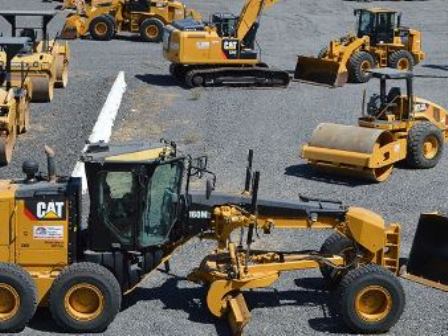
Construction and mining equipment cover a variety of machinery such as hydraulic excavators, wheel loaders, backhoe loaders, etc.
More on this story

Types of Construction Equipments

Proper tools and equipment are essential for the effective operation of any civil works site. Equipping the construction site with the correct tools and equipment plays an essential role in achieving timely and good quality results.

SANY Construction Equipment

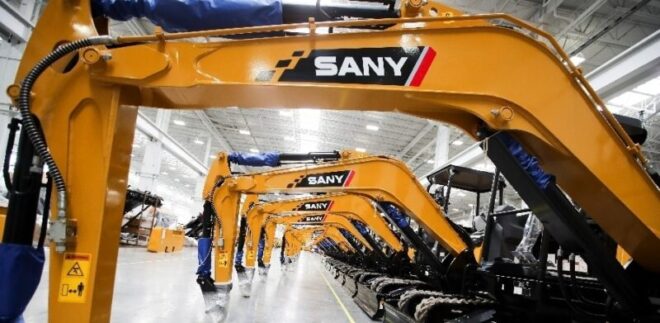
The SANY Group was established in 1989 as a small welding materials factory. Today, it is the largest manufacturer of construction machinery in China and No. 5 in the world. The two of its member companies are listed on the stock exchanges separately: SANY Heavy Industry Co., Ltd. on the Shanghai Stock Exchange and SANY Heavy Equipment International Holdings Co., Ltd. on the Hong Kong Stock Exchange.

SANY has 20 industrial parks in China and 5 industrial parks outside of China, respectively in the US, Germany, India, Brazil, and Indonesia.

SANY Heavy Equipment

Currently, SANY is a leading brand in China in terms of concrete pumping machinery, excavators, crawler cranes, truck cranes, road and port machinery, rotary drills, and coal mining machinery. Above all, SANY’s concrete pumping machinery is the No.1 worldwide. SANY has businesses in more than 150 countries.

Each year SANY reinvests approximately 5% -7% of its total sales revenue in Research and Development, with the goal of providing more world-class products to customers around the world.

Among the 35,000 global employees, SANY has more than 7,000 engineers dedicated exclusively to Research and Development, a fact that has helped SANY obtain and maintain a particular competitive advantage in the sector worldwide that is the only price-quality ratio and incomparable of all the lines of its products compared to other Chinese and international brands.

Sany logo

This innovative capacity as a result of the constant investment for decades in research and development, to SANY’s belief, is the only driving force for the long-term sustainable development of an emerging brand seeking to be a leader of global importance.

At this time, SANY has 20 state-of-the-art development centers and 2 postdoctoral research centers. Until June 30, 2016, the SANY Group requested more than 8,000 patents, with more than 7,000 patents already authorized, the SANY Group ranks No. 1 in the industry.

While constantly working to improve the quality of its products, SANY is also committed to providing a comprehensive and world-class service to customers with 15 logistics and parts distribution centers around the world.

Thanks to these unique competitive advantages, SANY is definitely contributing to providing a better world.

Sany construction machinery

Sany is one of the largest equipment manufacturers in the world and mainly focuses on concreting and construction machines.

Sany manufactures concreting machinery, road machinery, hydraulic excavators, piling machinery, hoisting machinery, wind turbines, port machinery, oil equipment, and precision digital controls. Sany hydraulic excavators, piling machinery, crawler cranes, mobile port machinery, and road machinery are the best in China, and concrete machinery ranks first in the world.

Through independent innovations, Sany has developed a 66-meter pump truck, a 72-meter pump truck, and an 86-meter pump truck. They each broke the World Record for height in succession.

Sany also developed the World’s first full hydraulic motor grader, the world’s first pump that delivered concrete with Graduation III, the world’s first non-bubble bituminous mortar vehicle, the world’s largest 3,600-ton crawler crane, the world’s first whole-set mortar application unit, Asia’s first 1,000 ton all terrain crane and many more.

Sany heavy equipment international

2018 will be another record-breaker for Sany Heavy Industry Company as it is expected to surpass Caterpillar in global sales for all-important excavators for the first time. The forecasted revenue growth in 2018 is 50 percent, and by the end of this year, Sany will overtake Caterpillar in excavator sales for the first time.

You may have never heard of Sany, one of China’s most important homegrown success stories, but the name is as big as Caterpillar in China, where it has rocketed from a company making welding materials in 1989 to become the biggest construction equipment, manufacturer.

Sany’s rise benefited from the hundreds of billions of dollars the government poured into the enormous infrastructure projects in 2008. But as the construction boom slows, it started to hunt for sales elsewhere and has moved beyond the country’s borders to cultivate markets in the US, Europe, Latin America, and India.

Sany corporation

The Belt and Road Initiative is becoming a very important driver for Sany’s international development. Sany has done a better job than its competitors in India, where the sales are predicted to reach three billion yuan this year.

As Sany strove to gain a foothold overseas, it has made a series of brash moves, and it has both grown and stumbled, especially in the US, Caterpillar’s home turf.

Its biggest hurdle starting off was finding experienced US dealers to sell and service the equipment, while the most seasoned ones have long been allied with Caterpillar and Japan’s Komatsu.

Sany also struggled with the view that Chinese products are of bad quality. It lacked the core skill or technology to make many of its components, which it buys from companies like Cummins and Bosch Rexroth.

But today Sany is narrowing the quality gap and winning customers in developed countries and among quality-conscious equipment buyers, including top mining companies.

As Sany has grown fast and generated economies of scale, it has ultimately allowed the company to invest vastly in Investigation and development.

It spends five percent of its sales revenue on Investigation and development., the highest in the industry, according to the company’s statement.

Sany construction

SANY builds some of the toughest equipment on the planet. Discover why our products have been recognized the world over for their legendary value and durability

  • Industry-Leading Warranty
    We back our equipment with the industry’s best warranty
  • Maximum Uptime Performance
    Better reliability means more profitability
  • More Standard Features
    Our equipment comes packed with everything you need
  • World Leading Components
    We take pride in our products and only choose the best materials

Sany Excavator

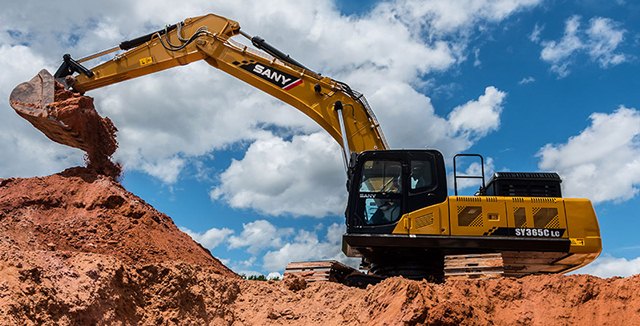
Sany hydraulic excavators are precision-engineered digging tools built with industry-leading technology and highest-grade components to offer you maximum job site productivity. Engines deliver top performance and tremendous power, with increased fuel efficiency and low emissions.

Multiple working modes, intelligent control systems, and a variety of attachments and parts allow versatile operation in all kinds of work environments. Whether it’s mining, road building, civil engineering, or general construction, Sany excavators are ready and able to get the job done. The models include:

  • MINI EXCAVATOR
  • SMALL EXCAVATOR
  • MEDIUM EXCAVATOR
  • LARGE EXCAVATORS

Sany concrete machinery

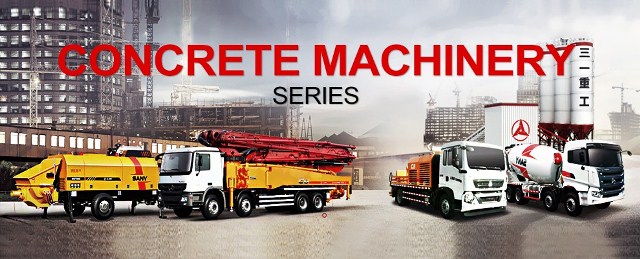
SANY is a globally accepted brand that develops, produces, and sells concreting equipment. Sany’s concreting equipment is highly efficient and designed to work at a very less operating cost.

Truck-mounted concrete pump

SANY truck-mounted concrete pumps adopt 8 core technologies of one button stabilization, boom anti-vibration, energy saving, anti-overswing, fault self-diagnosis, safety, smart boom system, and highly wear-resistant parts to ensure smooth pumping and safe operation. Fine production, rigorous tests, and reliable components of world-renown brands guarantee your concrete pumps with a reach of 30-66 meters and a long service life.

Sany pump

Concrete static pump, by virtue of its unrivaled technical strength in the trailer-mounted concrete pump sector, SANY continuously created the vertical concrete pumping record in China and even in the world.

SANY Electric/ Diesel powered Static Pumps are available with output discharge ranging from 50m³/h -120m³/h with delivery pressure ranging from 8MPa – 35MPa.

SANY static pumps are equipped with:

  • Advance hydraulic system
  • Intelligent control system
  • Efficient pumping system
  • Energy saving
  • Extreme wear-resistant technology.

Sany Placing boom

SANY is much preferred by construction units for its convenient and rapid installation and great free-standing eight so as to provide a great convenience for constructors. It is particularly applicable to use in high-rise buildings and large-scale shopping centers.

SANY offers you different types of placing booms such as climbing in elevator shaft type, climbing on the floor, Tower type, and mobile type ranging with max. placing radius 18m- 40.5m with 365deg rotation and up 32MPa system pressure.

Sany Batching plant

SANY Batching plants with an Intelligent control system are Energy efficient, Corrosion prevented, and Environmentally friendly.

Sany’s modular design makes it easy to Assemble, Transport, and for maintenance also.

Batching plants are available with Nominal Capacities ranging from 30Cubm/hr – 180 Cubm/hr

Sany crane

Sany offers a comprehensive range of high-quality, versatile hydraulic mobile cranes that are utilized across construction, infrastructure, oil & gas, industry, energy & others.

Sany Crawler crane

SANY can offer you crawler cranes with lifting capacities up to 3600T. Powerful lifting capacity, Outstanding operating performance, Reliable function controlling systems, and convenient maintenance technology make Sany crawler cranes peculiar.

Sany crane is designed and engineered with the best configuration of superstructure, undercarriage, and operation devices, equipped with a highly sensitive safety system.

Sany Tower crane

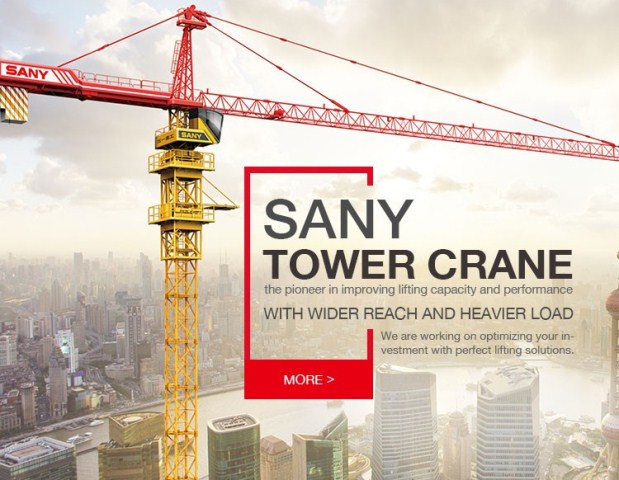
SANY Tower Cranes are designed and engineered with simple structure and high reliability which results in easy operation.

Sany can provide you Tower Cranes with rated weights up to 315T and max. weight up to 16T, ensuring the continuous performance of lifting, transport, loading, and unloading in three-dimensional space with a lifting height surely high enough to work for large workspaces.

Sany truck crane

SANY mobile cranes including truck cranes, boom trucks, rough terrain cranes, and all-terrain cranes are equipped with multiple intelligent functions, making operation easier, faster, and more efficient. Built with robust yet remarkably lightweight steel, SANY mobile cranes are highly maneuverable yet powerful enough to tackle the most demanding hoisting operations. The powerful lifting capacity greatly increases job-site productivity.

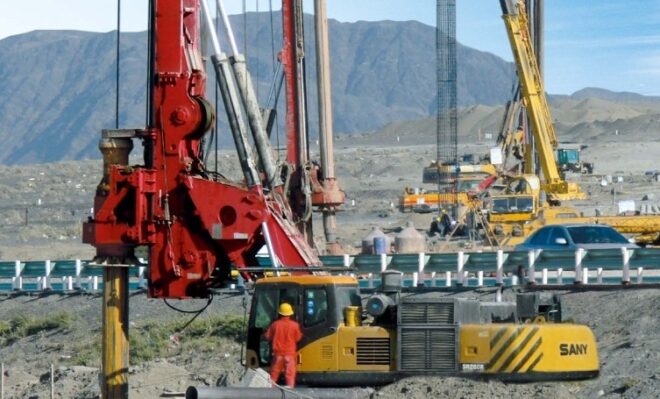
Sany piling machine

SANY used high-quality structural parts, and chassis that feature heavyweight, low gravity center, and extended width which ensure high stability and reliability for the piling machinery.

Sany piling machinery is equipped with a Strong rock drilling ability Kelly bar can realize the pile depth and a series of safety designs that can ensure the safety of the operator and other personnel, such as a 360° full vision monitoring system. Easy troubleshooting systems in the machine which facilitates servicing.

Sany road machinery

Sany motor grader

SANY Motor Grader is the grader with World’s First Hydraulic-Mechanical Transmission System. Sany offers an environmentally friendly and rapid road sweeping grader which is designed for heavy-duty work.

Sany roller

SANY can provide single drums (7T- 27T), tandem drums (3T- 13T ), and pneumatic rollers (20T- 30T) with Higher compaction efficiency; longer service life of the machine; versatile compacting capability; best for complex working conditions of all types.

Sany paver

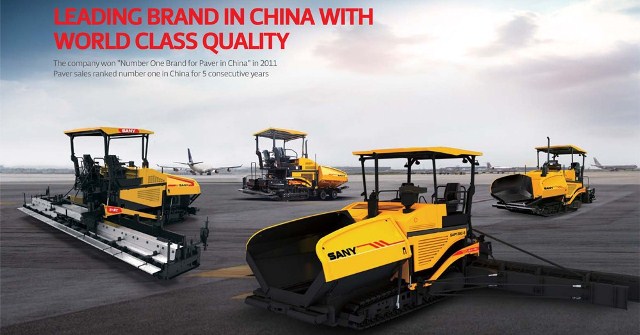
SANY offers Stable and Reliable Pavers with Excellent Performance and the strongest rigid design in the industry features a double-layered anti-twist beam design, producing consistently precise results.

Dynamic heating technology provides automatic and consistent heating, preventing issues. Sany paver is also equipped with remote updates and monitoring providing real-time technical support and technology updates.

Sany milling machine

SANY’s milling machines are available up to 2m milling width. Sany adopts World-class drive belts, a strong layer of body armor materials, high temperature, and impact resistance; key parts of high-strength steel or composite steel, ensure the machine’s high strength and long life.

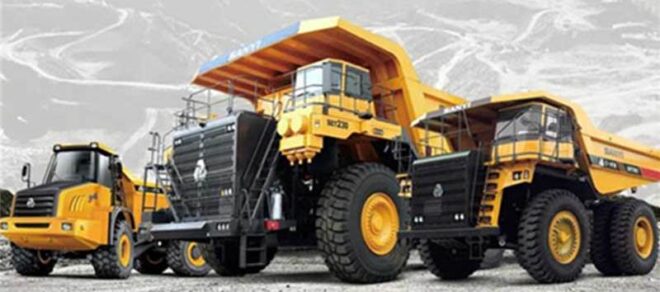
SANY rigid dump trucks

The SRT series mechanically driven mining dump truck is the star product of SANY Mining Machinery and its loading capacity ranges from 33t to 95t. It is equipped with genuine imported engine and gearbox, main pump and main valve hydraulics provided by world famous manufacturers. It has six major core advantages of safety, reliability, economy, efficiency, comfort, and intelligence, and is used widely and frequently. Its technology reaches the internationally first-class design level.

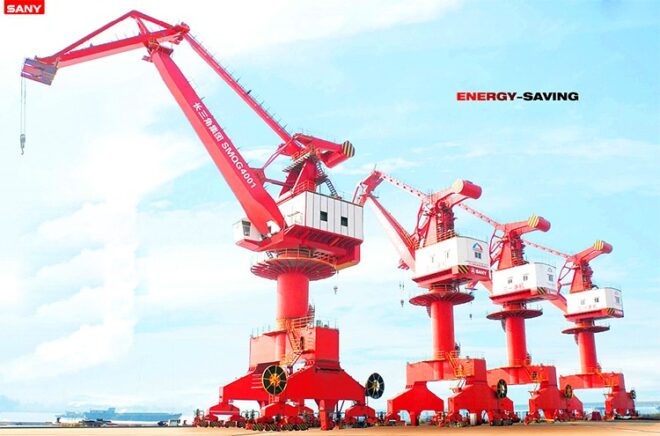
SANY port machinery

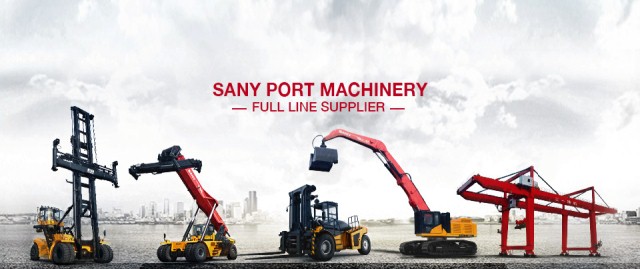
SANY port machinery develops a wide range of port equipment for your choice, e.g. reach stacker, container handler, forklift truck, material handler, and large port cranes like ship-to-shore container crane, portal jib crane, rail-mounted gantry crane, rubber tyred gantry crane can be customized. Joint design of China and Germany, our port equipment is the right choice for harbor applications.

  • Reachstacker
  • Forklift truck
  • Empty container handler
  • Ship to shore container crane
  • Port tyre crane
  • Material Handler
  • Portal Slewing Crane

What is SANY Heavy Industry?

What is SANY Heavy Industry?

Today, it is the largest manufacturer of construction machinery in China and No. 5 in the world. SANY has 20 industrial parks in China and 5 industrial parks outside of China, respectively in the US, Germany, India, Brazil, Indonesia.

What is considered heavy equipment?

Heavy equipment refers to heavy-duty vehicles, specially designed for executing construction tasks, most frequently ones involving earthwork operations. They are also known as heavy machines, heavy trucks, construction equipment, engineering equipment, heavy vehicles, or heavy hydraulics.

How large is SANY?

Currently, SANY is a leading brand in China in terms of concrete pumping machinery, excavators, crawler cranes, truck cranes, road and port machinery, rotary drills and coal mining machinery. Above all, SANY’s concrete pumping machinery is the No.1 worldwide. SANY has businesses in more than 150 countries.

How much does the heavy machinery training cost?

Typical costs: Heavy equipment training typically costs $4,000-$15,000 and lasts three-eight weeks.

More on this story

Mining equipment

Mining is the extraction of valuable minerals or other geological materials from the land of a deposit. For this extraction to be done efficiently, we need machinery specialized in mining.

Construction Equipment Manufacturers

Brands and models of construction equipment, top-selling brands such as Caterpillar, Komatsu, Volvo, Mitsui, Liebherr

Liebherr Crane Models

Liebherr Crane Models: Starting by building affordable tower cranes, Liebherr expanded into making aircraft parts – it is a significant supplier to European Airbus airplane manufacturer – and commercial chiller displays and freezers, as well as domestic refrigerators.

The group also produces some of the world’s biggest mining and digging machinery, including loaders, excavators and extreme-size dump trucks.

Over the years, the family business has grown into a group of varied companies and has locations in many countries, including Germany, Australia, Britain, Ireland, Turkey, and the United States.

Since 1958, its Irish factory in Killarney, Co. Kerry has built container cranes, exporting them worldwide through the port of Fenit.

Liebherr group

In Australia, the group in 2013 commenced an AU$65 million expansion of their local headquarters in Adelaide. The development includes adding a new three-story office, workshops, warehouse, component plant, and distribution center to the “Para Hills” facility.

In the U.S., the group in 2012 started spending US$45.4 million (about €34.1 million) on a three-year renovation and expansion of its Newport News, Virginia factory, offices and warehouse.

The company sought to increase its production there beyond 100 mining trucks a year. On 19 February 2013, representatives from the Commonwealth of Virginia and the cities of Newport News and Hampton announced that they would make grants and incentives available for transport improvement, training, and property investment.

Liebherr Tower Crane

In post-war Germany, many parts of the country need to be rebuilt. Hans Liebherr manages his parents’ building firm in South Germany. He recognizes the need for tools and machinery for the building industry and domestic construction. Together with design engineers and tradesmen, he develops the first mobile tower crane in 1949.

The TK 10 can be transported easily and is simple to set-up at the construction site. It is also the first product of the Hans Liebherr Maschinenfabrik (engineering works), founded in 1949 in Kirchdorf. As successor models follow, crane production at Liebherr picks up the pace and the construction company turns into a manufacturer of construction machines.

Liebherr mobile tower crane

The new L1 series combines innovative technology with a clear, modern design. The result is a powerful fast-erecting crane which delivers improved ergonomics, excellent access for erection and maintenance work and modern, attractive design.

The 2-channel sensors together with the intelligent control technology ensure that all crane functions have double safety systems. The Micromove fine positioning mode, load swing damping and operating range limiting system deliver enhanced safety on site.

Liebherr self erecting tower crane

The 53 K is extremely variable in terms of its radius and hooks height. Up to 3 tower sections can be installed using its fast climbing equipment. That means that this fast-erecting crane can easily be adjusted to various situations with seven different hook heights. The 53 K is ideal for building multi-occupancy houses with up to 8 storeys.
Liebherr gantry crane

A gantry crane is a crane built atop a gantry, which is a structure used to straddle an object or workspace. They can range from enormous “full” gantry cranes, capable of lifting some of the heaviest loads in the world, to small shop cranes, used for tasks such as lifting automobile engines out of vehicles.

Mobile gantry crane

Rail-mounted gantry cranes: Rail mounted gantry cranes (RMGs) are manufactured to individual customer needs in a variety of different stacking heights and spans. Supplied with Liebherr’s 8 rope reeving anti-sway and drive systems, the Liebherr rail mounted gantry crane delivers exceptional productivity and reliability.

Available with stacking heights of up to eight containers high, with custom spans in excess of 70 meters and outreaches up to 20 meters, each RMG features Liebherr’s crane management and reporting software and is designed for manual, semi-automatic or automatic operation.

The application of Liebherr’s eight rope reeving anti-sway system and simultaneous motion of all drives leads to increased productivity when compared with alternative designs.

Liebherr mobile crane

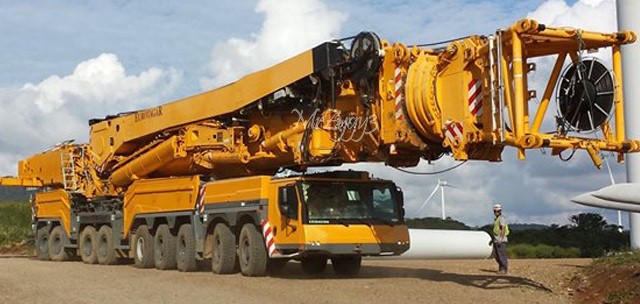
The range of Liebherr mobile cranes extends from 35-tonne models to a heavy-duty crane with a load capacity of 1,200 tonnes. High-speed all-terrain mobile cranes and telescopic truck-mounted cranes, compact cranes and heavy-duty lattice boom cranes are used all over the world.

Liebherr telescopic mobile crane

LTM cranes are also mobile off-road on their all-terrain chassis. Extremely compact dimensions are a feature of LTC compact cranes from Liebherr. With standard truck chassis, LTF truck-mounted cranes are a low-cost alternative for load capacities up to 60 tonnes. The LRT cranes feature excellent off-road capability. Our LG lattice boom cranes can handle very heavy loads as well as enormous working heights and radii.

Liebherr crawler crane

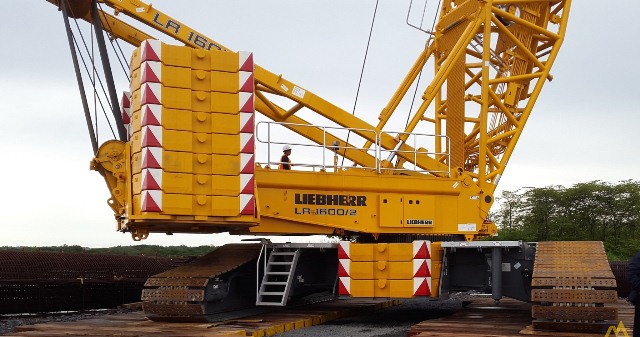
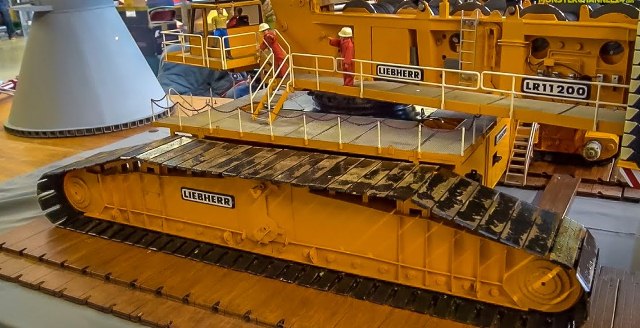
LR crawler cranes with lattice booms are used all over the world, wherever very heavy loads need to be moved safely and economically. Maximum mobility and economy are ensured by the compact dimensions and easy to transport weights of the crane components.

Liebherr telescopic crawler crane

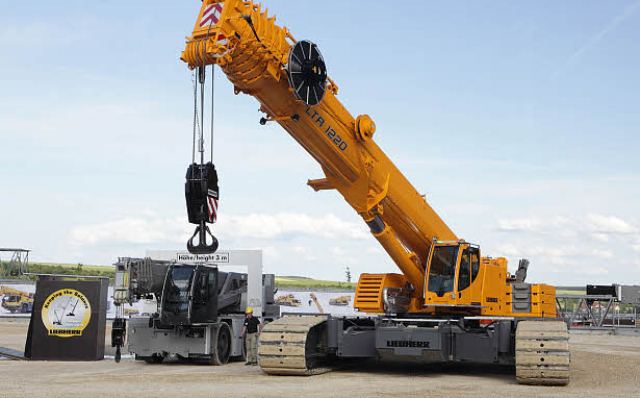
LTR cranes are crawler cranes with telescopic booms. They feature short set-up times and particularly high flexibility in use. Since crawler cranes are not supported, they can be fast relocated on the job site and are then immediately again ready for operation. Another benefit is the fact that they can be moved whilst holding a full load.
Liebherr biggest crane

If we want to judge cranes by power, we should look at how much weight they can lift. But even then, it’s not a simple contest. Different cranes do different jobs, from tower cranes to mobile cranes to crawler cranes, not to mention dockside gantry cranes that can lift entire ships. To find the cranes that really stand out, we should also consider the nature of the work the crane is built to do.

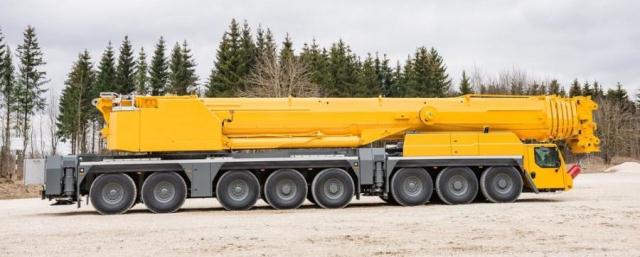
The Liebherr LTM 11200-9.1, built by the German company Liebherr Group, is the most powerful mobile crane ever built. It also has the longest telescopic boom in the world, which extends fully to 100 meters. It’s set on a double cab truck and can lift 1200 metric tons – that’s nearly 700 automobiles. That’s real pound-for-pound power for its category, but ultimately not the strongest crane in the world when compared to stationary cranes.

Liebherr crane lifting crane

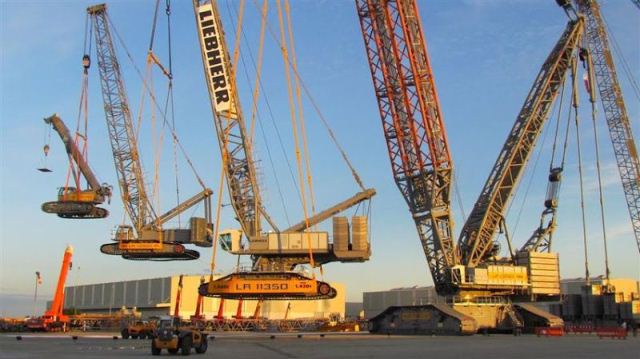
In this picture from 2012, the company demonstrates the raw power of its biggest beast, the LR 13000, by having it pick up three smaller cranes. The big boy, which has a max lifting capacity of 3,000 tons, lifts an LR 11350, which has a max of 1,080-tons. That crane is lifting an LR 1350 (max capacity 288 tons) which itself is lifting an LR 1100 (62 tons).

Liebherr scale model cranes

Liebherr is one of the largest construction equipment manufacturers in the world. Founded in 1949, it has expanded and is active in the aviation and refrigeration sectors. Much of the manufacturing capability is in Germany, but there are plants worldwide. The holding company is registered in Switzerland.

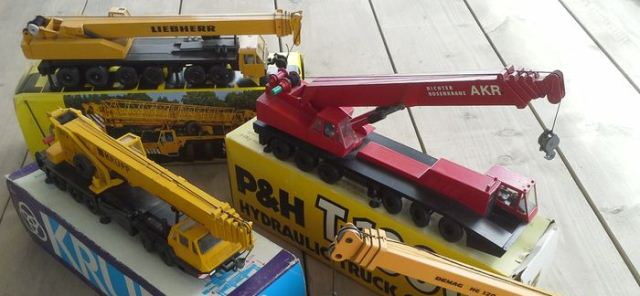
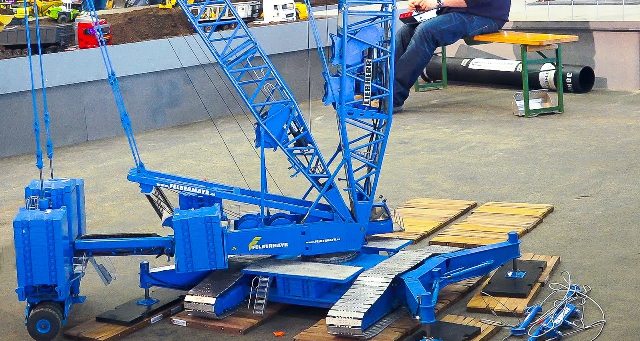
Liebherr have had an extensive scale model programme for many years with regular new releases. There is a focus on accurate high quality.

Liebherr crane toy

Lego Liebherr crane

Liebherr and Lego have several things in common: Both companies must work on their products with great precision, every single detail must complement each other. What else links these two big names? The passion for technology and the enthusiasm of the fans for the range of products.

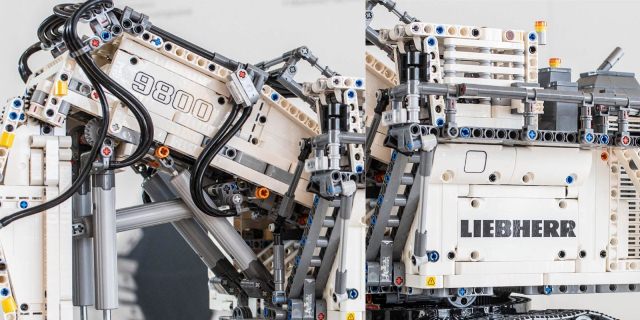
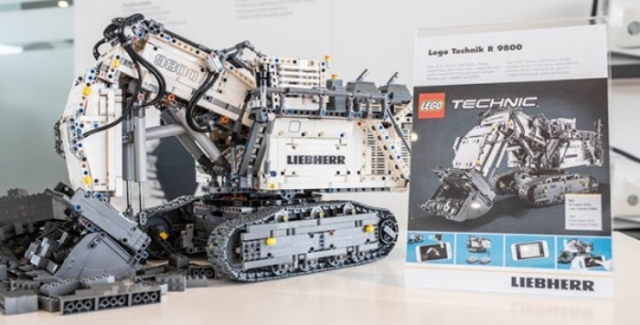
But it is not only the Liebherr tower cranes that impress Lego fans: From 1 August 2019, the R 9800 mining excavator is available in the Lego Shop to recreate with over 4,000 pieces.

In the original the gigantic crawler excavator is 16.2 metres high and has a bucket capacity of 42 m³ – this equates to roughly 400 bath tubs! An initial exhibit of the Liebherr excavator as a Lego model is currently on show at Bauma and is attracting many visitors:

“We are certain that we can impress not only Lego fans, but also many fans from our industry”

Marketing Manager at Liebherr-Mining Equipment.

Where is the Liebherr factory in Germany?

Where is the Liebherr factory in Germany?

The Liebherr Group is a large equipment manufacturer based in Switzerland with its main production facilities and origins in Germany.

What is the biggest crane in the world?

The Liebherr LTM 11200-9.1, built by the German company Liebherr Group, is the most powerful mobile crane ever built. It also has the longest telescopic boom in the world, which extends fully to 100 meters. It’s set on a double cab truck and can lift 1200 metric tons – that’s nearly 700 automobiles. That’s real pound-for-pound power for its category, but ultimately not the strongest crane in the world when compared to stationary cranes.

What is the most weight ever lifted by a crane?

Taisun holds the world record for “heaviest weight lifted by crane”, set in Yantai on April 18, 2008 and set at 20,133 metric tonnes (44,385,667.25 lb) by lifting a barge, ballasted with water.

What is the heaviest thing ever lifted?

The heaviest object lifted on land is a portion of the North Rankin B Platform which weighs 23,178 tonnes (51.1 million lb) and was lifted to a height of 26.5 m (86.9 ft) at the shipyard of Hyundai Heavy Industries in Ulsan, South Korea, on 17 October 2011.

The most read

More on this story

Mining equipment

Mining is the extraction of valuable minerals or other geological materials from the land of a deposit. For this extraction to be done efficiently, we need machinery specialized in mining.

Liebherr Clothing

Best construction clothing

Konecranes Locations

Konecranes Oyj is a Finnish company, headquartered in Helsinky, which specializes in the manufacture and service of cranes and lifting equipment. Konecranes products are made for industries handling heavy loads meaning ports, intermodal terminals, shipyards, and bulk material terminals.

Konecranes Inc

Konecranes’ history dates back to 1910 when the electrical motor repair shop KONE Corporation was founded. Konecranes was part of the international Finland-based KONE Corporation until April 15, 1994, when KONE as part of structural changes disposed of all operations, excluding its elevator business. The company sold the operations of its crane division to a group of institutional investors (Sweden-based Industri Kapital) and members of the crane division’s senior management.

Konecranes logo

ECONOMY TRADE

Konecranes Stock

Konecranes shares have been quoted on the Helsinki Stock Exchange since 1996. Konecranes has grown over the years mainly organically but has a strong acquisition track record as well.

Major acquisitions and joint ventures since 1973

  • 2017 – Acquisition of Terex Corporation’s MHPS business:
    • MHPS, a leading supplier of industrial cranes, crane components, and services under the Demag brand, as well as port technology with a broad range of the manual, semiautomated and automated solutions under several brands, such as Gottwald
  • 2010 – Kito (22%):
    • Japan, globally renowned hoist and material handling equipment company
  • 2009 – Knight Europe:
    • Germany, expansion to manipulators
  • 2006 – Morris Material Handling
    • The USA, well known for cranes and services under P&H brand, specialized in lifting equipment for the nuclear industry

Port cranes

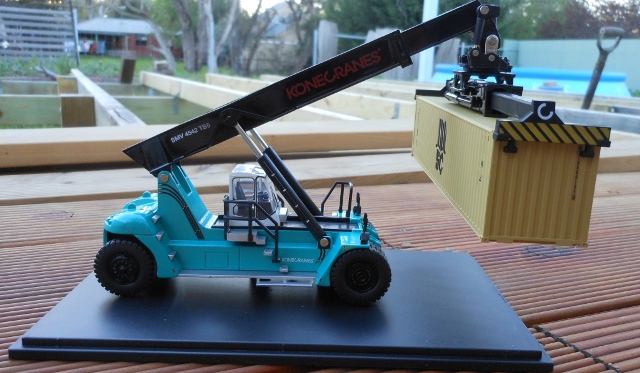
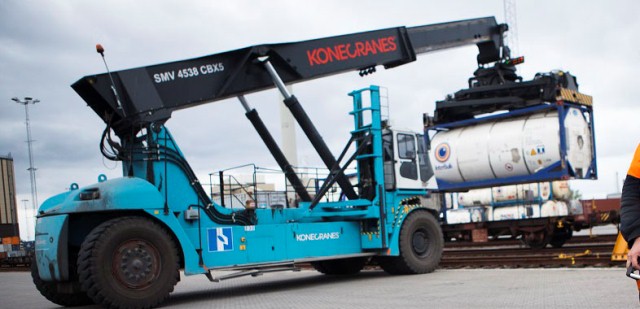
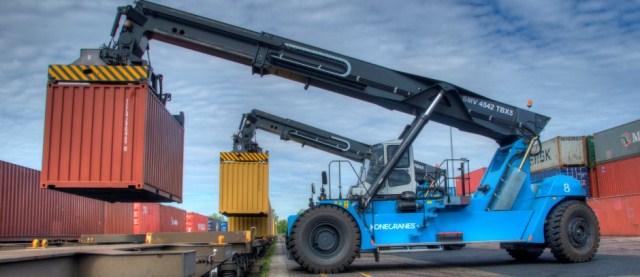
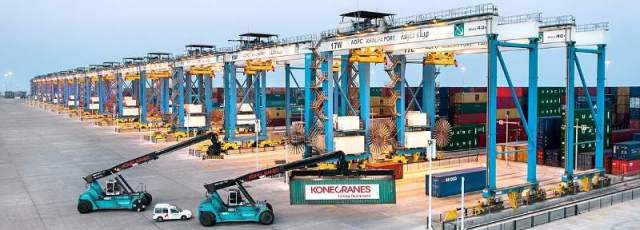
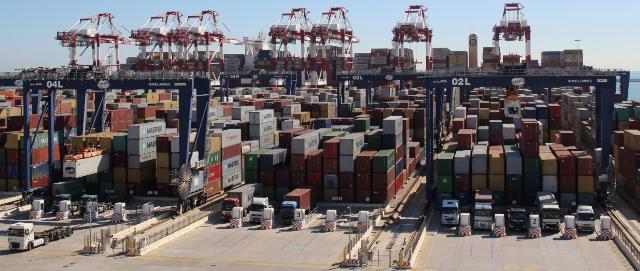
Port-based products include the massive Goliath shipyard cranes, ship-to-shore and bulk handling cranes for vessel loading & unloading, and all types of container handling cranes – ranging from rubber-tired gantry cranes (RTG’s) to lift trucks designed to handle full or empty containers and lift up to 80 tons.

Container crane

The modern container shipping industry is booming because of the provision for faster voyages and less port stays. The major factor for this “quick work” is the introduction of the new types of gantry cranes in the market which is quicker and more reliable. This provides a great turnaround time for cargo operation at ports.

A container gantry crane is the biggest crane which is used in the operation sector of the shipping industry. It is designed for loading and unloading the container cargo from a container vessel.

The crane is operated by a specially trained crane operator from within the cabin located on the top end of the crane and suspended from the trolley. It is the operator who lifts the container from the ship or dock for unloading or loading of cargo. It is very important for both the ship and the shore staff (gantry operator, stevedores and foremen) to be alert and to maintain proper communication between them to avoid any accidents.

Konecranes Terex

On the 4th of January, 2017 Konecranes announced that all material closing conditions have been met for the acquisition of Terex Material Handling & Port Solutions (MHPS). The acquisition of MHPS by Konecranes is complete.

Konecranes and MHPS, known for their state-of-the-art equipment, systems, and services, are now building a new technology-focused company. As one company we now offer you the industry’s broadest range of highly complementary products and stronger service presence on a global scale.

Konecranes and MHPS have a long, rich history and a similar culture: Engineering, knowledge of material handling, global business and a drive for technology leadership lie at the heart of both companies. Our combined entity will have a truly global presence with 18,000 employees in over 50 countries.

The goal of the acquisition is to create the basis for future growth. As a combined company we will have more resources for R&D, introduce new products and engineering solutions and further enhance our service offering.

Konecranes are fully committed to putting in place a seamless transition process whereby our working relationship will mutually benefit from the enhanced capabilities of the joint organization.

Konecranes Demag

Konecranes and Demag, two world-leading brands in the material handling industry will now be operating under one company name, Konecranes and Demag Private Limited. This name change follows the acquisition of the Material Handling & Port Solutions (MHPS) segment from Terex Corporation by Konecranes PLC in 2016.

The acquisition led to some of the leading global brands such as Demag, Gottwald, and Noell getting added to Konecranes product portfolio. This has enabled the company to consolidate its market leadership by providing a broader range of products, a greater focus on R&D and cover a greater number of markets worldwide.

Konecranes PLC

About Konecranes PLC

Konecranes is a world-leading group of Lifting Businesses™, serving a broad range of customers, including manufacturing and process industries, shipyards, ports, and terminals. The Group has 16,400 employees at 600 locations in 50 countries. Konecranes is listed on the NASDAQ, Helsinki. In the Standard Lifting Equipment group, main products include Industrial Cranes, Explosion Proof Cranes, Light Lifting Cranes, Electric Chain Hoists, Electric Wire Rope Hoists, and Crane Components.

Konecranes products

Konecranes has over 80 years of experience in manufacturing equipment and how to maintain them in good shape and condition designing for repeated use, repair, maintenance, and reassembly using standard parts. We focus on eco-efficiency, continuously improving the environmental performance of our products, processes, and services. We also offer advanced tools to improve the productivity, serviceability and lifetime of the equipment utilizing digitalization.

Konecranes R&D efforts focus on product design, developing and testing different materials, improving energy efficiency and smart features and applying remanufacturing processes into old product designs to decrease the environmental impact of our products’ lifecycles.

The environmental impact can also be reduced by applying improvements and retrofits to existing equipment. We support the circular economy by developing our service business to enhance its ability to maximize the lifecycle value of products.

Konecranes conjoined product offering we can provide innovative power options such as hybrid and battery technology and other energy-saving solutions such as regenerative braking.

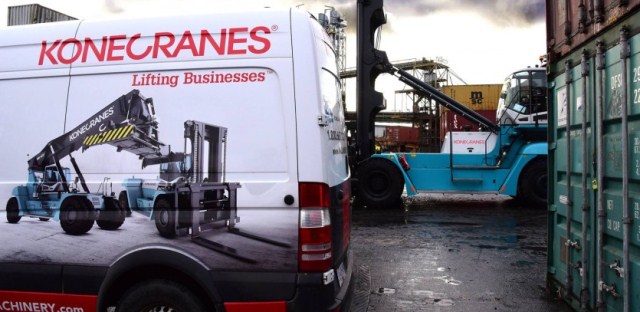
Konecranes lift trucks

What is your world like?
Your lifting loads?
Driver safety?
Climate challenges?
Productivity levels?

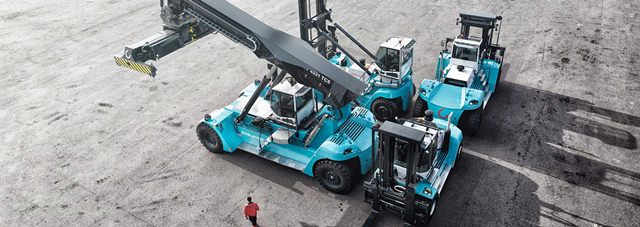
Konecranes lift trucks are made with care, craftsmanship, and the latest smart technologies. The strength, performance, and reliability of every Konecranes lift truck are based on three things that make up the heart of our technology: a strong box-type chassis, efficient load-sensing hydraulics and probably the best cabin on the market; OPTIMA cabin. And we are always pushing ahead with new services and technology.

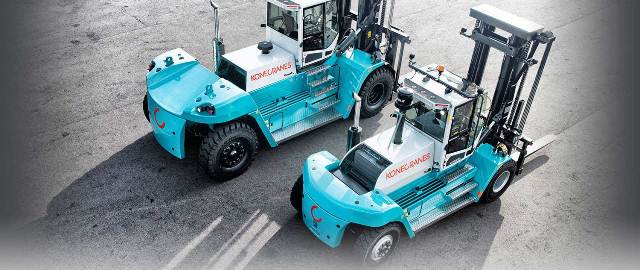
Konecranes forklift

Konecranes has been manufacturing, selling and supporting heavy-duty forklift trucks for some 60 years.

The first truck Konecranes ever made and delivered, back in the 1950s, was a forklift. Whatever the lifting capacity you need, 10-18 tons, 18-33 tons or 37-65 tons, Konecranes has the right forklift for you with the right package of options and attachments.

Konecranes forklift trucks are remarkably adaptable to specialized material handling. Konecranes have a long track record of fulfilling specialized industrial handling requirements like yours. And it is made with heart: with the new applicable technologies, fine craftsmanship and attention to detail.

Konecranes RTG

RUBBER TIRED GANTRY CRANES

The Konecranes Rubber Tired Gantry (RTG) crane is a great example of how intelligent design can make container handling safer, more productive and more reliable. The combination of our intelligent streel structure, Active Load Control (ALC) technology, and smarter cabin make this crane the most productive and reliable in the world.

When you choose the Konecranes RTG, you get a growth path to fully automated RTG operation. The Konecranes Automated RTG (ARTG) system is available for both greenfield and brownfield container terminals.

Overhead crane Konecranes

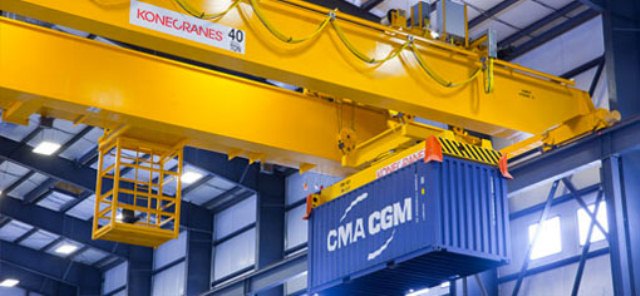
Konecranes overhead cranes utilize the latest technology to increase the safety and productivity of our customer’s business. We are working on the production frontline of industrial customers on every continent and our Smart Features represent the most advanced crane functionality on the market today. Our industrial overhead cranes represent high-level Konecranes quality starting from a single component all the way to an entire process.

Konecranes locations

The crane training institute

The Konecranes Training Institute is trusted and sought after by many world-class industrial companies. We provide crane training and hoist training at our Crane Training Institute, at regional locations, or on-site.

  • Los Angeles, California – Konecranes offer a number of our select crane courses at our Los Angeles Area Training Facility.
  • Houston, Texas – offer a number of our more popular courses in this area. Each class includes a plant tour of our Crane Manufacturing facilities.
  • Springfield, Ohio – offer a number of our more popular courses in this area. Each class includes a plant tour of our Crane Manufacturing facilities.
  • Burlington, Ontario – now offer training at our Konecranes Canadian headquarters in the Greater Toronto Area.
  • Mobile, Alabama – now offer several crane classes in this area throughout the year.
  • Philadelphia, Pennsylvania – now offers several crane classes in this area throughout the year.
  • Other Training Locations – offer regional crane courses, which are scheduled for over 40 cities per year, reducing your costs & travel time.
  • On-Site Crane Training – We can provide standard crane training or a customized course to meet your specific needs. Plus, you can eliminate additional travel time & expenses for your employees with our on-site crane training.

Konecranes USA

Konecranes is a world-leading group of Lifting Businesses™, serving a broad range of customers, including manufacturing and process industries, shipyards, ports, and terminals. Regardless of your lifting needs, Konecranes is committed to providing you with lifting equipment and services that increase the value and effectiveness of your business.

Konecranes Houston

Konecranes in Houston manufactures industrial crane parts and equipment employing the most modern technology in mechanical and electrical design. Our world-renowned lifting equipment provides innovative solutions to a wide range of industries: from the port and intermodal to energy and light manufacturing. Moreover, our equipment and parts are engineered to the highest performance and safety standards.

Konecranes Wisconsin

Located in Milwaukee and serving businesses located in Madison, Waukesha, Pewaukee, Brookfield, and West Allis, our staff of expert crane and hoist technicians can service any make or model of overhead lifting equipment. Providing quality parts & service to business in Ozaukee, Sheboygan, & Washington Counties every day, our team knows that you need to keep your business up and running with the best overhead lifting equipment and service.

Konecranes Springfield Ohio

Konecranes works hard to manufacture and deliver quality standard industrial cranes in our facility in Springfield, Ohio. Located beside our Regional Headquarters, this facility assembles, paints and sends out overhead cranes with a focus on speed, efficiency and attention to detail.

Konecranes Canada

In mid-October acquired the business of the Canadian crane and crane service company Provincial Services Crane Specialists, located in Allanburg, Ontario. Konecranes acquired the assets from the owner, who will remain with the company for a transitional period. The company has 20 employees and net sales of approx EUR 4 million.

Konecranes Canada inc

Provincial Services Crane Specialists was founded in 1980 and is today a recognized name in the Canadian lifting market. The company is specialized in overhead crane inspection, maintenance, repair, spare parts, modernization, and lifting equipment. The company sells its products and services directly to end-users in the steel, mining, power, and general manufacturing industries. Through the acquisition, Konecranes will be able to expand its Canadian operations in these industries.

Konecranes Canada, Inc., established in 1970 with branch offices across Canada, is one of Canada’s leading supplier of new cranes, modernizations, maintenance and inspection services for all makes and models of overhead cranes and hoists in all major industries

Kone crane Edmonton

Operating from and serving the greater Edmonton area, Konecranes is part of the largest network of overhead crane service providers. Whether you are in need of crane parts and part replacement, lifting equipment inspection, emergency repairs, or planned repairs, our team of specialists is available to offer around-the-clock support.

Konecranes Winnipeg

Based in Winnipeg, Konecranes offers comprehensive crane service throughout the Winnipeg Capital Region. We have a team of skilled overhead crane technicians that provide maintenance, repair, modernization programs, inspections, and parts for all of your lifting equipment. We are always available to respond to all of your crane and hoist needs, including emergency crane repair service.

Konecranes Germany

KCI Konecranes acquires the crane maintenance business of Noell Service und Maschinentechnik GmbH (Noell Service) in Germany.

Noell Service’s crane maintenance business is the largest independent crane maintenance operation in Germany. The acquisition is an asset deal and it requires the approval of the German antitrust authority. The deal will be completed in May 2000.

The Noell Service crane maintenance operations’ main locations are in Hanover, Hamburg, Halle, Frankfurt am Main and in Würzburg with further satellite offices. The acquired maintenance service activities will be consolidated into Konecranes’ Pro Kran Service- operations, headquartered in Feldkirchen near Munich.

The business will continue in a new company, Noell Konecranes. The employees will remain but the managing director will be appointed from the KCI Konecranes Group. In maintenance technology, the Group has identified a number of synergies that will be developed.

Konecranes Australia

The Australia and New Zealand overhead crane industry leader, with a complete range of lifting equipment, and the country’s largest team of industrial crane service professionals.

Konecranes Singapore

Leading the Singapore overhead crane industry with the largest service network and a complete range of lifting equipment.

Konecranes manufacturing locations

  • Konecranes Saudi Arabia
  • Konecranes South Africa
  • Konecranes India

Kona cranes

Konecranes’ history dates back to 1910 when the electrical motor repair shop KONE Corporation was founded. Konecranes was part of the international Finland-based KONE Corporation until April 15, 1994, when KONE as part of structural changes disposed of all operations, excluding its elevator business.

Konecranes competitors

  • Liebherr
  • Kalmar
  • Sany
what is Konecranes?

Konecranes is a world-leading group of Lifting Businesses™, serving a broad range of customers, including manufacturing and process industries, shipyards, ports, and terminals. Regardless of your lifting needs, Konecranes is committed to providing you with lifting equipment and services that increase the value and effectiveness of your business.

Is Konecranes part of Kone?

Konecranes’ history dates back to 1910 when the electrical motor repair shop KONE Corporation was founded. Konecranes was part of the international Finland-based KONE Corporation until April 15, 1994 when KONE as part of structural changes disposed of all operations, excluding its elevator business.

What does the crane do?

A crane is a type of machine, generally equipped with a hoist rope, wire ropes or chains, and sheaves, that can be used both to lift and lower materials and to move them horizontally.

How do shipping container cranes work?

The crane is operated by a specially trained crane operator from within the cabin located on the top end of the crane and suspended from the trolley. It is the operator who lifts the container from the ship or dock for unloading or loading of cargo. The modern built spreader can lift up to 4 containers together.

The most read

Liebherr Crane

Starting by building affordable tower cranes, Liebherr expanded into making aircraft parts and commercial chiller displays and freezers, as well as domestic refrigerators

More on this story

SANY Construction Equipment

Today, it is the largest manufacturer of construction machinery in China and No. 5 in the world. construction machinery, heavy equipment, construction crane.

EPC Company

EPC Company: EPC company means – What is EPC company?
Engineering, Procurement and Construction (EPC) is a particular form of contracting arrangement used in some industries where the EPC contractor is made responsible for all the activities from design, procurement, construction, commissioning and handover of the project to the end-user or owner.

EPC construction company

EPC stands for Engineering, Procurement, Construction and is a prominent form of contracting agreement in the construction industry.

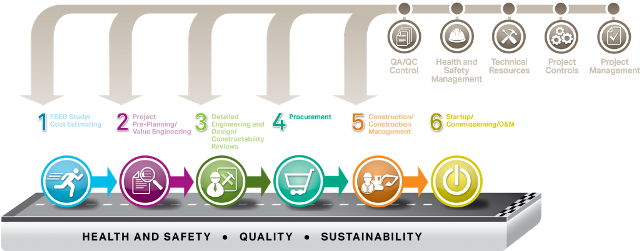
The engineering and construction contractor will carry out the detailed engineering design of the project, procure all the equipment and materials necessary, and then construct to deliver a functioning facility or asset to their clients. Companies that deliver EPC Projects are commonly referred to as EPC Contractors.

EPC services company

The EPC phase of the project is also known as the Execution phase which normally follows what is known as a FEED or Front End Engineering Design phase.

The FEED is a basic engineering design used as the basis for the EPC phase. The FEED can be divided into separate packages covering different portions of the project. The FEED packages are used as the basis for bidding on when the client offers the EPC work to the market.

Normally the EPC Contractor has to execute and deliver the project within an agreed time and budget, commonly known as a Lump Sum Turn Key (LSTK) Contract. An EPC LSTK Contract places the risk for schedule and budget on the EPC Contractor.

EPC contracting company

The Project Owner or client to the EPC Contractors will normally have a presence in the EPC Contractors offices during the execution of the EPC Contract. The Client places what can be termed as a Project Management Team or PMT to overlook the EPC Contractor.

The client PMT may require specialist help and bring onboard Project Management Consultants or PMC’s to assist. The PMT / PMC will ensure the EPC Contractor is carrying out the works in accordance with the agreed scope of works and in accordance with the Contract. It is quite common for the Engineering and Construction Contractor which delivered the FEED to be offered a Project Management Consultancy (PMC) Contract.

EPC company means

In some instances which can be related to the time, a project owner would like the project delivered, an engineering and construction company can be given work on a direct reimbursable basis to start with followed by conversion to LSTK once sufficient time and resources can be allocated to quantifying and pricing the scope of works.

One method to convert from a reimbursable to LSTK Contract is called an Open Book Estimate or OBE in which the Contractor will open all their working documentation or books for representatives of the client to assess what the total scope of works for delivering the project will be.

An agreed LSTK scope of works and price will be negotiated and agreed between EPC Contractor and Project Owner during the execution of EPC activities.

EPCM Contract

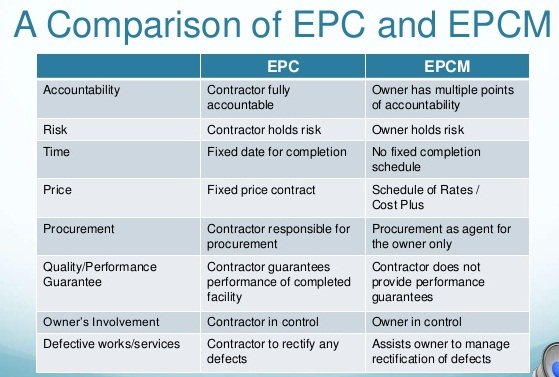
What is the difference between EPC and EPCM?

The fundamental difference is the role of the EPC or EPCM contractor. In an EPC contract, the EPC contractor develops the project from commencement to final completion. The owner or principal of the EPC project provides the EPC contractor with a detailed design including technical and functional specifications, in order for the EPC contractor to build and deliver the project to the “turn of the key”, within a specified time period.

This is why EPC contracts are often referred to as “turnkey” projects. The scope of work should be clearly defined in the contract documents; therefore, amendments to the scope of work should not be a common feature in EPC contracts. For this reason, an EPC contract is often a fixed price contract or an all-encompassing lump sum contract. Any shortfall of costs is a risk that rests with the EPC contractor, making cost control their number one priority.

Top EPC Companies in USA

Energy Renewables & Traditional

ProjectsCapacity (MW)
Mortenson Construction15320,246.21
Blattner Energy8013,912.25
RES Americas677,896.82
Sentry Electrical Group557,415.05
Rosendin Electric707,248.72
IEA Renewable Energy696,949.06
Quanta Power Generation736,064.99
EDF Renewable Energy 545,775.90
First Solar Inc575,705.96
Wanzek Construction465,667.46

Mortenson Construction

Mortenson has built a reputation for delivering complex projects on time and on a budget in some of the most geographically challenging locations throughout the United States and Canada.

Blattner Energy

For more than a century, the Blattner Family of Companies has delivered collaborative construction solutions to industry leaders throughout the United States and Canada.

RES Americas

RES Americas is one of the top renewable energy companies in the country. They have been developing, constructing, owning, and operating renewable energy projects since 1997.

Sentry Electrical Group

Sentry Electrical Group, Inc. is a Georgia based company that performs projects across the entire United States. They provide high and medium voltage electrical construction and maintenance services of electrical infrastructure for private owners and utilities.

Rosendin Electric

Rosendin Electric, Inc. provides contract electrical engineering, power, and communications services. It offers preconstruction services to general contractors and owners; prefabrication services; and network services for construction, design-build, system integration, and turnkey projects.

IEA Renewable Energy

IEA Renewable Energy Inc. provides experienced construction crews that are backed by in-house engineering and site development professionals. With 80% of their business coming from repeat blue-chip customers, this integrated network allows self-perform siting, permitting, engineering, and construction services on utility-scale wind and solar energy projects.

Quanta Power Generation

Quanta Power Generation was established with a core focus of providing engineering, procurement, and construction (EPC) services to the utility-scale power generation industry. Since its formation, Quanta Power Generation has established itself as a leading provider of utility-scale PV solutions with over 300 MWDC of generation capacity completed or currently under construction.

EDF Renewable Energy

EDF Renewables, a subsidiary of the EDF Group, operated in more than 20 countries covering the entire value chain from development to operation and maintenance of renewable energy projects. With a focus on wind, solar and storage, the company is also involved in marine and other emerging technologies.

First Solar Inc

First Solar is the global leader in photovoltaic (PV) solar energy solutions. With more than 8 gigawatts (GW) installed worldwide, they believe that clean affordable solar electricity is an essential part of the global energy mix.

Wanzek Construction

Wanzek offers a single source for wind site services including the management, monitoring, and maintenance of civil, crane, turbine, blade, substation and T-Line collection, as well as continuous improvement services. They specialize in comprehensive wind power maintenance services using a regional deployment strategy, helping their customers maximize their investment in renewable power generation.

Largest EPC companies

EPC companies generally deal with civil engineering and project management works in various sectors of Energy & Power, Chemicals, and Hydrocarbon, Human resources, etc., which in turn balance the demand for certain products and development of safest superstructure across the world. Check out this list of the top 10 largest and best EPC companies around the world in 2019.

  • Petrofac – London
  • Saipem – Nigerian
  • Hyundai Heavy Industries – South Korea
  • SAMSUNG Engineering – South Korea
  • Technip – France
  • WorleyParsons – Australia
  • CB&I – Chicago, Illinois, USA
  • SK Engineering & Construction – South Korea
  • NPCC – Abu Dhabi (UAE)
  • TATA Projects LTD – Ahmedabad, Gujarat

Petrofac

Petrofac – London

Petrofac is the largest provider of oilfield services to the international oil and gas industries. The company mainly deals with petrochemicals that have several operating locations across the globe such as in Saudi Arabia, Malaysia, and India. Their range of services are designed and builds new oil and gas facilities and maintain already existed one, Engineering, Construction, Operation and Maintenance of these facilities, Energy and power service, etc.

The company was established in 1981 by Rijnhard van Tets and has its HQ in London, United Kingdom.

Saipem

Saipem – Nigerian

Saipem is known for operating Nigerian Unit since 2010 and was also awarded another $3 billion contract for the subsea development and production and installation of oil production and water injection flowlines, Egina field offshore Nigeria. The project was worth $3.8 Billion US dollars.

Hyundai Heavy Industries

Hyundai Heavy Industries – South Korea

The second-largest south Korean EPC company after Samsung specialized in marine manufacturing and other engineering works. Hyundai heavy industries are the world’s largest shipbuilder and recently they have been awarded a project for the construction of fixed platforms in the Abu Dhabi Nasr field from Abu Dhabi Marine Operating Company (ADMA OPCO) which is worth of $1.2 billion USD.

SAMSUNG Engineering

SAMSUNG Engineering – South Korea

Generally known for their smartphone but many people are not aware of another side of the coin called Samsung engineering co.ltd. They are one of the largest weapon manufacturers and having a large share in the Construction and energy sector as well.

Samsung Engineering is currently offering products in environmental, industrial, Hydrocarbon, infrastructure-related plants, and facility sectors. Currently, the company houses 8,300 employees and annual revenue of the company is $8.4 billion USD.

Technip

Technip – France

A French Constriction project and Engineering company are known for providing the quality solution in Project management, engineering, and construction for the energy industry & Oil & Gas sectors. The company is housing 37,500 employees and annual revenue of the company is €10.7 billion Euros as per the report of 2014.

WorleyParsons

WorleyParsons – Australia

Worley Parsons was founded by Wholohan Grill and Partners in 1971 and has its HQ in North Sydney, NSW, Australia. The company is currently housing more than 24,500 employees across the globe and has revenue of A$5,892.9 million dollars as per the report of 2014. Currently, the company is working in construction and engineering, power & energy and Oil & Gas sectors.

Chicago Bridge & Iron Company

CB&I – Chicago, Illinois, USA

Chicago Bridge & Iron, The company is currently serving in sectors like Gas & oil, Constructions, energy, natural resource industries & Engineering housing 50,000 employees and an annual turnover of whopping $12 billion US dollars.

SK Engineering

SK Engineering & Construction – South Korea

SK Engineering and construction is South Korea’s third-largest civil engineering and construction company after Hyundai and Samsung engineering Ltd. According to the latest report by AFP, last year six EPC company won the bids by Iraq government to build an oil refinery in Iraq and the project worth of $6.4 Billion USD.

National Petroleum Construction Company

NPCC – Abu Dhabi (UAE)

Known for creating marvelous skyscraper across the UAE, NPCC is one of the leading engineering and construction company in the world. This Adu-Dhabi based company is currently active in the following sectors: chemical and Petrochemical, Transportation, Infrastructure and Civil Engineering & Oil, and Gas.

TATA Projects LTD

TATA PROJECTS LTD – Ahmedabad, Gujarat

TATA project Ltd is part of India’s largest business group ‘TATA’ which has revenues of over $100 billion, over 100 operating companies across the globe. Being in sectors of Information and Technology, consumer products, energy, materials, & engineering, telecommunications, TATA groups finally get their hands in the Construction sector with the name ‘TATA’ projects.

EPCM Companies

EPCM stands for Engineering, Procurement, Construction Management. This type of contract is different from an EPC Contract in that the Contractor is not directly involved in the construction but is responsible for administering the Construction Contracts

EPC company means

In contrast to the EPC model, the EPCM contractor is not directly involved in the building and construction of the project, but is rather responsible for the detailed design and overall management of the project, on behalf of the owner or principal.

While an EPC contract takes the form of a design and construction contract, the EPCM model can be regarded as a professional services contract.

What are the EPC companies?

What are EPC companies?

Engineering, Procurement and Construction (EPC) is a particular form of contracting arrangement used in some industries where the EPC contractor is made responsible for all the activities from design, procurement, construction, commissioning and handover of the project to the end-user or owner.

What is EPC in oil and gas?

EPC stands for Engineering, Procurement, and Construction. These companies are hired by Oil & Gas companies for long-term projects that need to be completed by skilled individuals.

How do EPC companies work?

The engineering and construction contractor will carry out the detailed engineering design of the project, procure all the equipment and materials necessary, and then construct to deliver a functioning facility or asset to their clients. Companies that deliver EPC Projects are commonly referred to as EPC Contractors.

What is the difference between EPC and EPCM?

The fundamental difference is the role of the EPC or EPCM contractor. In an EPC contract, the EPC contractor develops the project from commencement to final completion. This is why EPC contracts are often referred to as “turnkey” projects. For this reason, an EPC contract is often a fixed price contract or an all-encompassing lump sum contract. Any shortfall of costs is a risk that rests with the EPC contractor, making cost control their number one priority.
In contrast to the EPC model, the EPCM contractor is not directly involved in the building and construction of the project, but is rather responsible for the detailed design and overall management of the project, on behalf of the owner or principal.

The most read

Top EPC Companies

TOP EPC COMPANIES: EPC services company, EPC oil & gas multinational company, EPC company means, what is EPC company.

More on this story

Mining equipment manufacturers

Construction and mining equipment cover a variety of machinery such as hydraulic excavators, wheel loaders, backhoe loaders, etc.

EPCM Companies

EPCM stands for Engineering, Procurement, Construction Management. This type of contract is different from an EPC Contract in that the Contractor is not directly involved in the construction but is responsible for administering the Construction Contracts.

EPC and EPCM services

Although the engineering, procurement, and construction (EPC) contract and the engineering, procurement, and construction management (EPCM) contract have been present in the construction sector for many years, there remains confusion as to the fundamental differences between these contracts, the role each party is required to play, and when to use one contract over the other.

The fundamental difference is the role of the EPC or EPCM contractor. In an EPC contract, the EPC contractor develops the project from commencement to final completion.

The owner or principal of the EPC project provides the EPC contractor with a detailed design including technical and functional specifications, in order for the EPC contractor to build and deliver the project to the “turn of the key”, within a specified time period.

EPCM Contract

This is why EPC contracts are often referred to as “turnkey” projects. The scope of work should be clearly defined in the contract documents; therefore, amendments to the scope of work should not be a common feature in EPC contracts.

For this reason, an EPC contract is often a fixed price contract or an all-encompassing lump sum contract. Any shortfall of costs is a risk that rests with the EPC contractor, making cost control their number one priority.

EPCM services

A further identifying feature of the EPC contract is that the EPC contractor enters into separate agreements with the contractors, vendors, sub-contractors, sub-vendors and so on.

This is advantageous to the owner or principal of the project, as they will look to the EPC contractor to take full responsibility for the project and, in the event of a dispute between the EPC contractor and any party to the sub-agreements, to resolve the dispute without the owner or principal being required to be a party to the dispute.

The EPC contractor will, in most cases, have a right of recourse against a party to a sub-agreement who was responsible for causing the loss or damage. The EPC contractor must ensure that its contracts mirror those that it has with the owner of the principal.

EPC company means

In contrast to the EPC model, the EPCM contractor is not directly involved in the building and construction of the project, but is rather responsible for the detailed design and overall management of the project, on behalf of the owner or principal.

While an EPC contract takes the form of a design and construction contract, the EPCM model can be regarded as a professional services contract.

The EPCM contractor has a duty to ensure that the engineering and design of the project are in compliance with the project’s technical and functional specifications.

Supervising, management and co-ordinating construction interface in accordance with a detailed schedule is the key responsibility of the EPCM contractor.

EPCM contractor

The EPCM contractor is responsible for establishing contractual arrangements on behalf of the owner or principal with other contractors, vendors, sub-contractors and sub-vendors, through a tender process.

The EPCM contractor is contracted by the owner or principal for the construction management role, while the owner or principal is bound to various contractual relationships for construction-related works.

From an owner or principal’s perspective, there lies a disadvantage in being bound to various contractual relationships in the event of a dispute. Unlike the EPC model, the owner or principal will more often than not find itself involved in a dispute with one or more of the other parties relating to the construction of the project, to whom the EPCM contractor must offer assistance.

EPCM projects

In most instances, the EPCM model is structured on the basis of a cost-reimbursable fee structure or a unit rate fee structure.

The former allows the EPCM contractor to be paid an upfront sum of money with additional fixed monthly payments, while the latter allows for an upfront sum of money with further payments to be made on completion of specified phases within the construction process.

Both the EPC and EPCM contracts can be highly beneficial to a project. Choosing the incorrect form of contract can have a major effect on the cost and risk associated with the project.

The contract you choose to utilize requires a clear understanding of the objectives, scope of work, the role of each party and the contract structure as a whole.

Difference between EPC and EPCM

Comparing EPC and EPCM contracting

EPCM contracting contrasts with EPC (engineer, procure and construct) contracting because, in EPC contracting, the EPC contractor is responsible for the construction and it, rather than the employer, enters into direct contracts with the construction contractors.

EPC contracting appears to be more common that EPCM contracting. This is because employers often regard EPC contracting as favoring their interests over those of the contractor.

There are several reasons for this, including:

  • Cost certainty. EPC contracting shifts risk away from the employer and towards the EPC contractor, in theory giving the employer greater cost certainty than other forms of procurement. An EPC contract typically prevents the contractor from increasing the agreed price except in very limited circumstances.
  • Single point of responsibility. The EPC contractor is responsible to the employer for the entire project, so there is no confusion about who the employer should pursue in the event of a defect or other problem.
  • Turnkey nature. An EPC contract is a turnkey, meaning that, on completion, the employer will simply be able to “turn the key” and operate the finished facility. This is particularly attractive to an employer with little experience of running a construction project or with inadequate resources to oversee such a project.

EPCM contract template

Equally, there are several reasons why an employer may prefer EPCM contracting over EPC contracting:

Lower cost

  • EPCM contracting offers potential savings on project costs.
  • EPC contractors usually charge more because of the extra risk they take on from the employer.
  • In EPCM contracting more risk stays with the employer, so prices should be lower.
  • In addition, the employer has the benefit of negotiating each construction and supply contract itself, rather than relying on an EPC contractor to get the best price.

Construction flexibility

  • Compared with EPC contracting, the employer has greater freedom to change the project during the works.
  • Under an EPC contract, variations to the agreed specification can easily lead to large increases in project cost.
  • In EPCM contracting this may be avoided because the employer can negotiate directly with contractors and suppliers.

Speed construction

  • Compared with EPC contracting, the employer may be able to complete the project more quickly.
  • EPCM contracting allows the employer to engage the necessary contractors to begin work, without necessarily finalizing the detail of the project right away or entering into contracts for works or equipment that will be needed later.

Funding companies

  • EPC contracting usually requires the contractor to have all its funding arranged at the outset of the project, in order to secure a letter of credit in favor of the EPC contractor.
  • In contrast, EPCM contracting allows greater flexibility, so the employer does not necessarily need to have all funding in place before works begin.

Quality construction

  • EPCM contracting may offer a higher quality result than EPC contracting.
  • This is because EPC contracting (like design and build construction) leaves the EPC contractor to decide how it will meet the employer’s requirements for the agreed price.
  • It is in the EPC contractor’s interest to meet the employer’s requirements at the minimum cost, thereby maximizing its own profit.
  • In contrast, EPCM contracting allows the employer to take an active role throughout the project, advised by the EPCM contractor.
  • In theory, this allows the employer to control the quality of the project.
  • Even if there is no measurable qualitative advantage to EPCM contracting, the employer often feels a greater sense of satisfaction with the completed project because it has had “ownership” of the project throughout its course.

Overall, the employer’s role in negotiating contracts and funding burden it with greater responsibility in an EPCM project. However, this is tempered by the fact that the EPCM contractor is available to advise the employer throughout the project, together with the increased control the employer has over its project.

EPCM environment

Disadvantages of EPCM contracting

The advantages of EPCM contracting are balanced by some significant drawbacks. In general, these can be summarised as a transfer of risk and responsibility to the employer.

Two of these drawbacks are key to understanding EPCM contracting:

No single point of responsibility

  • EPCM contracting has no single point of responsibility, so in the event of a defect in construction, the employer may have to pursue several contractors and suppliers to recover its losses.
  • Whether these parties are jointly and severally liable will depend on the precise wording of their contracts and the jurisdiction governing them.

Management time and expense

  • Even with the EPCM contractor’s assistance, an EPCM project requires the employer to commit significant resources to it.
  • The employer should consider whether those resources could be better invested elsewhere in its business.

EPCM engineering

One other disadvantage of EPCM contracting is the absence, at the moment, of any standard form of an EPCM contract.

Many engineering contracts, even those that are bespoke, take a standard form contract as their starting point. For example, many bespoke EPC contracts are based on the FIDIC Silver Book.

The absence of a standard form deprives the parties of a point of reference as to the “normal” commercial and legal position, as well as increasing the legal costs of the project.

In any case, the employer is likely to incur higher legal costs on an EPCM project, simply because it has to negotiate multiple contracts, rather than a single EPC contract.

While this may be a minor inconvenience for a large and experienced employer, it is a significant drawback for a smaller and less experienced employer.

EPCM resource management solutions

A final word of caution

Parties should remember that procurement terminology is not subject to universal rules about its meaning (except, arguably, in the field of public procurement). One party’s understanding of EPCM contracting may differ from another’s and, in any case, employers often tailor a procurement mechanism to suit the needs of a particular project. Terms such as EPCM and EPC are a useful shorthand, but parties should clarify their precise meaning for each particular project.

What is EPCM contract

The EPCM contractor is not directly involved in the building and construction of the project, but is rather responsible for the detailed design and overall management of the project, on behalf of the owner or principal. While an EPC contract takes the form of a design and construction contract, the EPCM model can be regarded as a professional services contract.

What is an EPCM company?

What is an EPCM company?

EPCM stands for Engineering, Procurement, Construction Management. This type of contract is different from an EPC Contract in that the Contractor is not directly involved in the construction but is responsible for administering the Construction Contracts.

What is the difference between EPC and EPCM?

The fundamental difference is the role of the EPC or EPCM contractor. In an EPC contract, the EPC contractor develops the project from commencement to final completion. This is why EPC contracts are often referred to as “turnkey” projects. For this reason, an EPC contract is often a fixed price contract or an all-encompassing lump sum contract. Any shortfall of costs is a risk that rests with the EPC contractor, making cost control their number one priority.
In contrast to the EPC model, the EPCM contractor is not directly involved in the building and construction of the project, but is rather responsible for the detailed design and overall management of the project, on behalf of the owner or principal.

What is the difference between EPC and turnkey contracts?

Whereas, Turnkey is a contract comprising Engineering, Procurement, Construction, and commissioning; It is such a contract that under which a contractor agrees to complete full designing, constructing and equip a manufacturing/ business/ service facility and turn the project over to the Employer/Owner when it is ready.

How do EPC companies work?

The engineering and construction contractor will carry out the detailed engineering design of the project, procure all the equipment and materials necessary, and then construct to deliver a functioning facility or asset to their clients. Companies that deliver EPC Projects are commonly referred to as EPC Contractors.

What is a PMC contract?

PMC stands for Project Management Consultant or Project Management Contract. Under a project management contract, an engineering contractor will overlook the EPC Contractor’s work to ensure compliance with the client’s scope of works.

The most read

EPC Construction Company

What is EPC’s company? EPC services company, EPC construction company, EPCM Contract, Top EPC Companies in the USA

More on this story

Top EPC Companies

EPC services company, EPC oil & gas multinational company, EPC company means, what is EPC company.