Professional Web Writer | Motor Enthusiast | Content Creator | Logan is a dedicated and skilled web writer, passionate about engines and machines and with a talent for creating engaging and informative content.
She specializes in writing about a diverse range of topics including construction, forklifts, heavy equipment, excavators, etc. SEO Optimization: Proficient in SEO best practices, ensuring high visibility and engagement for all published content.
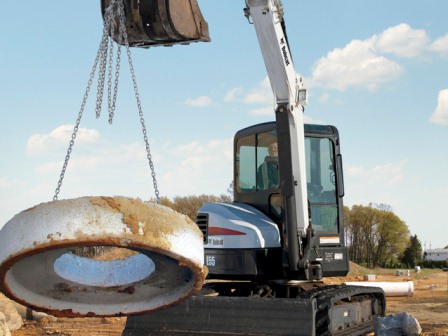
When it comes to moving heavy material quickly and efficiently, you need hydraulic horsepower, the type of ground-breaking power the excavator can deliver.
But did you know that one of the most frequent jobs performed by excavators is lifting?
On a typical job site, excavators may be used to lift, move and place a range of materials. Learning to lift safely is critical for anyone who owns or operates an excavator. Let’s begin with the basics.
How to read excavator lifting charts?
The versatility of hydraulic excavators is virtually unmatched in the world of construction equipment.
Whether it is compact, mid-range or large hydraulic excavators, these machines are ideal for lifting, moving and placing a wide range of materials.
As a result, it is important that hydraulic excavator operators are trained to properly lift loads or materials.
Excavator Lifting Capacity Chart
Learn the basics
The rated lifting capacity of any hydraulic excavator is determined by two factors: the hydraulic lifting capacity and the tipping load.
Hydraulic lift capacity is the point where the excavator is limited by its hydraulic power to lift a load. Tipping load is the point where the excavator begins to tilt or lift off the ground when lifting a load.
Manufacturers test according to standards to determine how much weight the excavator operator can lift and turn at various heights and distances from the machine’s centerline.
Based on these tests, manufacturers develop lift capacity or load rating tables, which are provided in the machine’s operation and maintenance manual or in the cab area for the operator’s reference.
How to calculate lifting capacity of a excavator?
Find your excavator configuration.
The lift chart on your excavator provides information that will keep you safe and get the job done right. At the top of the graph, you will find information indicating the configuration of the machine. For a compact excavator, this can include boom length, stick length, standard bucket weight, and quick coupler weight, if standard. The published lifting capacities assume the excavator is on a flat, level work surface.
Determine the height of the lift point.
Next, look at the left column on the lift chart to determine the lift point height, the distance from the ground to the bucket pivot pin, not from the ground to the object you are lifting.
When measuring the height of the lifting point, consider how high you will need to lift the item, including the height of the item itself, the length of the lifting device, and how high you want to position the item.
Find the elevation radius.
Now determine the elevation radius from the center line of the pivot point. This distance is shown in the top row of the elevation table.
Are you lifting on the front of the excavator or on the side?
If you are using an excavator with a dozer blade, determine if it will be in the raised position to allow travel or in the low position to optimize stability.
Calculate your lifting capacity.
Now you can find the cell in the elevation graph where the elevation point height and the elevation radius intersect. This number is the lifting capacity of the excavator. If there is no number listed, the excavator has no lifting capacity and lifting should not be attempted.
Generally speaking, as your lift radius increases, the lift capacity will decrease. Also, the side lift is generally more limited than the lift from the front of the excavator.
Operating manual for excavator
It is important to know how to read and understand the lifting table of an excavator, the tables for compact excavators contain information that indicates the standard configuration of the machine.
Operators must be aware of lifting considerations resulting from additional attachments or attachment variations, as these alternative items can reduce the effective lifting capacity of a machine.
For example, the weight of slings, any auxiliary lifting devices, and the difference in weight of any attachment heavier than the standard configuration must be subtracted from the rated lifting capacity to determine the correct net lifting capacity.
There may be multiple lift tables for a large or mid-range excavator, depending on the combinations of boom length, stick length, bucket size, counterweight size, and shoe width.
Operators should pay particular attention to whether the weight of the bucket is incorporated into the lift table.
This varies by manufacturer and can affect the operator’s ability to accurately determine the lift because the bucket in use may not match the weight of the bucket used for the lift table.
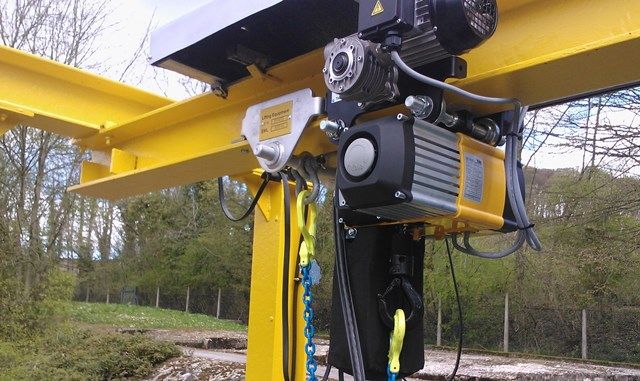
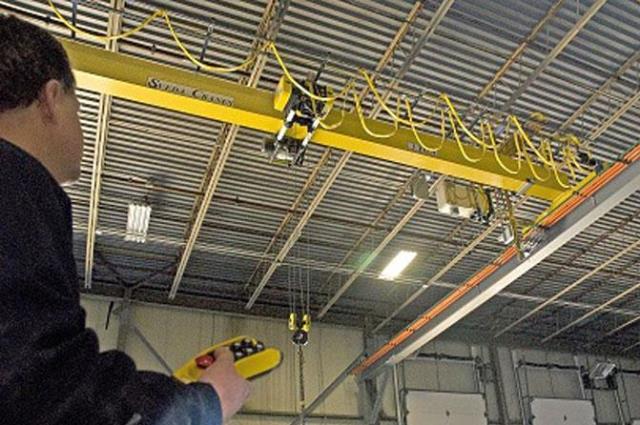
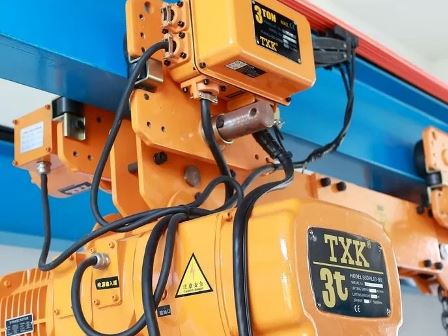
An I-beam trolley is a wheel mechanism from which a hoist is suspended to provide horizontal movement of the hoist along a beam or bridge rail.
Chain and lever hoists are most often used for applications that require a load to be lifted or suspended above the head.
However, when there are load bearing I-beams, securing the hoists to the beam can present a challenge, and that’s where clamps and trolleys come in.
I Beam Trolley Hoist
W beams vs I beams
Let’s start with the basics: the horizontal pieces are known as flanges and the vertical piece is called the net. The flanges resist bending while the web assumes the cutting force.
An I-beam has tapered flanges with a narrower flange than most wide flange beams, making it a lighter construction material. A wide flange beam, with wider flanges and web than the I-beam, can support more weight, but this makes it heavier overall.
I-beam sizes standard
The standard I-Beam is named for its distinctive shape, similar to the capital letter “I”. The horizontal pieces are known as flanges and the vertical piece is called the web. This shape is very effective for carrying heavy loads without bending over.
I-beams are structural support materials that are used primarily for construction. Able to withstand excessive amounts of pressure, I-beams ensure structural integrity and stability.
The thickness of the I-beam will determine the type of work it is best suited for. It is important to consider the applied force, the weight supported, and the tension and compression.
The smaller sizes are typically used for jobs where the amount of pressure and weight will be minimal, while the thicker sizes of steel I-beams are used to support structures that support greater amounts of weight.
I beam hoist system
Know Your Tracks: The roads of your lift system in terms of overhead crane system roads are the lift roads.
In a lifting solution, the road surface, the part where the cart wheels roll and move, determines the smoothness of the lateral movements.
There are many other factors to consider when choosing a track for a lift system and there are a variety of tracks available, each of which is tailored to your budget and elevator environment.
Choosing which one is right for your operation is critical to the long-term use of the lift system and balances it against the cost of the system.
To clarify, if any beam or enclosure is used as part of a lifting system with a rolling surface, then in our industry, it is called a rail (although beams can be used for this purpose).
This is one of the many aspects of a lift that Acculift, after consultation with you and after site inspections, considers when designing a lift system for you.
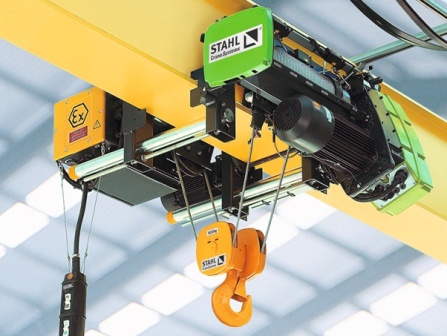
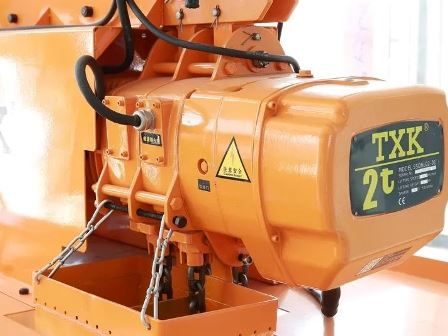
Electric Hoist trolley provides the ability for a simple hoist to become a laterally traversing versatile piece of equipment. Powered trolley hoists come in different types, including air and electric and capacities.
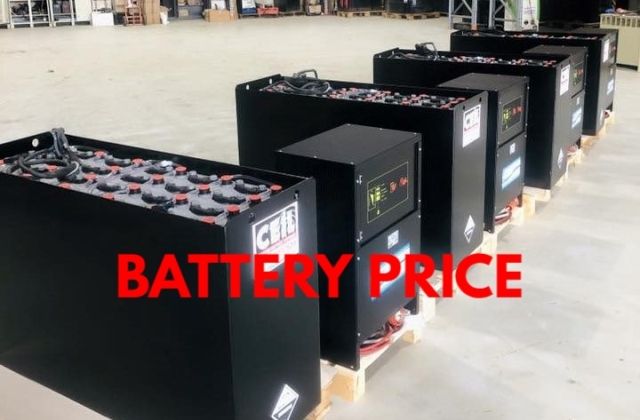
Forklift Battery Price: When it comes to buying a battery for your forklift, the true cost of a forklift battery involves much more than just the initial price.
Often times, what appears to be the cheapest option can end up being the most expensive option in the long run.
Someone who oversees operations in a warehouse or other facility that uses forklifts on a regular basis knows why that is not good for their business bottom line.
How do you know what the true cost of a forklift battery is?
Here’s what you need to know when calculating the true cost of a forklift battery to determine the best option for your fleet.
Forklift Battery Price
Forklift battery types
Electric commercial forklifts generally run on one of two types of batteries:
Forklift lead-acid battery
Forklift lithium-ion battery
Forklift lead-acid battery
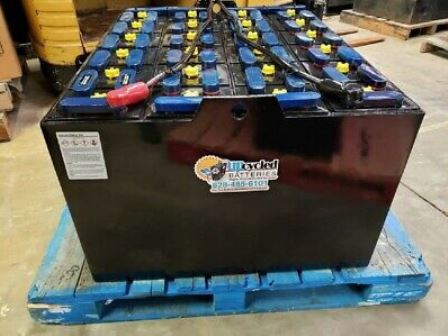
Lead-acid batteries are considered the traditional method of powering forklifts. With a removable top, lead-acid batteries generate electricity through a chemical reaction between lead plates and sulfuric acid. In order to work, workers must periodically refill the units with water, allowing the chemical process to begin.
Forklift lithium-ion battery
Lithium ion batteries are a newer technology that is catching the attention of more and more warehouse managers. Lithium-ion batteries are more energy-dense than lead-acid batteries and include several safety and convenience features. For example, lithium ion batteries do not require water maintenance because the cells are sealed.
Average price of a forklift battery
Initially, for a single battery, the lithium-ion is the more expensive option of the two. Prices vary, but when you simply compare the starting price of a single battery, a lithium-ion battery can cost about twice as much as a lead-acid battery.
If you have a warehouse, multi-shift or manufacturing, or if your business operates on low profit margins, this article is a must-read.
If you’ve never considered lithium-ion batteries due to cost, we’re going to share two statistics that might make you change your mind.
In the United States, an equipment manufacturer saves more than $ 1 million a year by switching to lithium-ion batteries. After looking at the numbers, the company found that it was spending $ 4,800 per day:
Pay employees to change batteries, twice per shift.
15 minutes of inactivity with each exchange (90 minutes per day)
Spending money on electricity (lithium-ion batteries are 40 percent more energy efficient)
Lithium ion forklift battery maintenance
Increase Productivity – Lead-acid batteries cause your forklift to lose power when discharged, but lithium forklift batteries don’t have this problem. In addition, the lithium-ion batteries do not require maintenance, watering or replacement.
Try this simple experiment: Ask your operators to keep track of how much time they spend changing, charging, and maintaining forklift batteries each week.
You can find out how the company is spending a good chunk of the profits on those “cheaper” forklift batteries.
lead acid vs. lithium-ion battery comparison
How To Choose The Right Forklift Battery?
When buying forklift batteries the decision depends on an economic factor, lead batteries are economical at first, but over time lithium batteries exceed the initial cost of the purchase with energy savings and maintenance
Two of the most common chemical types of batteries are lithium-ion and lead-acid. With these differences in chemistry come differences in performance and cost. While lithium-ion and lead-acid battery options can be effective storage solutions, here’s how they stack up in key categories:
FORKLIFT BATTERY
LEAD ACID
LITHIUM-ION
Battery Cost
x
Battery capacity
x
Battery efficiency over time
x
Battery lifespan
x
Battery depth of discharge
x
lead acid vs. lithium-ion battery comparison
Forklift battery specifications
These are averages and may vary based on how well the batteries are maintained. A lithium-ion forklift battery needs to be replaced less frequently, which is a major driver for business owners to prefer them to conventional lead-acid batteries, which need to be swapped out for new ones more often.
FORKLIFT BATTERY
LEAD ACID
LITHIUM-ION
Battery equalization
Every 5 to 10 charges
Automatically
Battery temperature
Time-controlled
Much higher temperature limit
Battery water level
Every 10 cycles
Never needs water
Battery lifespan
1000 and 1500 cycles
2,000 and 3,000 cycles
Forklift battery specifications
Forklift Battery Price
How much does a forklift battery cost?
Forklift batteries cost between $2,000 and $6,000 depending on specs and size.
How much does a forklift battery charger cost?
Forklift battery chargers range in cost from $ 500 for a portable charger that plugs into a standard 120-volt AC outlet, to $ 3,000 for a charger that must be plugged into the building’s electrical system by a licensed electrician. The price varies depending on the charger specifications.
Total cost of a forklift battery:
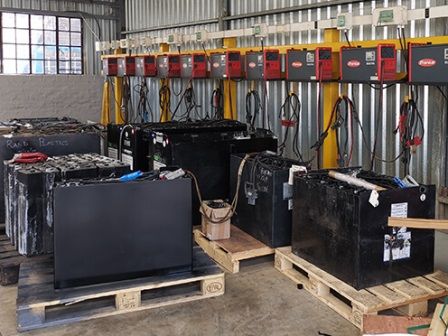
Lead-acid batteries are the lowest-cost alternative when it comes to purchase price, although there are significant drawbacks such as maintenance requirements, safety, inefficiency, and the need for a charging room.
Lithium-ion batteries are priced higher (perhaps two to four times higher than lead-acid). However, these batteries are more energy efficient, store more energy in a smaller unit, fast charge, are safer and last longer.
You may need to install charging stations. And if you want to replace lead-acid to Li-ion batteries, you will need a specialist to adapt the equipment. Take into account the difficulty of recycling.
Forklift battery voltage
For both lithium-ion and lead-acid batteries, it is important to match the size of the battery voltage to the charger voltage.
This will maintain the life of the charger and ensure proper charging and subsequent operation of your electric forklift.
If the battery doesn’t charge properly, or if it doesn’t have enough charge at the beginning of a shift to be productive until the end of the shift, it won’t be able to meet the demands of your production schedule.
To avoid headaches in the future, you should buy the forklift battery and its charger from the same manufacturer.
Your technical support will be much easier if the battery and charger are from the same manufacturer.
How to buy the right forklift battery? Before you spend hundreds of dollars on a battery, take a moment to learn how to choose the battery for your forklift.
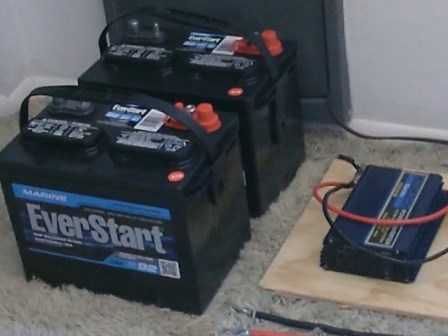
If you’ve decided to power your off-grid homestead with solar power, you may be considering using rechargeable forklift batteries to store the power from the sun.
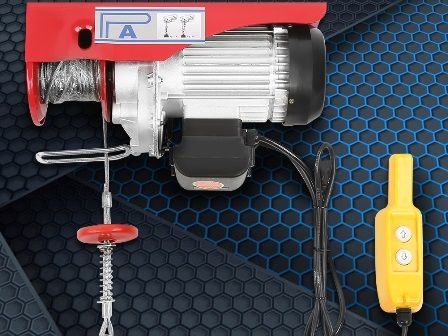
Wireless remote control switch: Electric hoists safety with Industrial wireless remote controls switch
Electric hoists are an invaluable and essential component to a variety of industries including construction, manufacturing, warehousing, steel production, grain, logging, ship loading, and rail yards.
The reliance on hoists in these industries for loading, unloading, and moving heavy materials will remain for the foreseeable future.
This necessitates a continued focus on maintaining or improving operational safety and having the proper safety protocols in place.
One safety measure that is now widely adopted is the use of a wireless remote control system with a switch to control the electric hoist rather than using pendant or cab controls.
Electric Hoist with Wireless Remote Control
While these systems achieve a variety of process improvement and efficiency outcomes, a major driver of the adoption of remote control technology is the improvement of operator safety.
There are three primary ways that wireless remote control systems accomplish this.
-Minimizing the risk to operators from falling material or dropped loads. -Reducing the risk of human error. -Enabling the operator to more easily identify tripping hazards and pinch points.
Wireless electric hoist control minimizes the risk to operators caused by falling material or dropped loads. .. An elevated risk of accidents due to falling materials is present unless the operator has the ability to be positioned at a safe distance from the load.
Reduced line of sight to the load, trip, slip hazards, mechanical failure, and operator competency are additional factors contributing to this risk.
With a wireless remote control switch, the operator is no longer tethered to the pendant and hence electric hoist, giving the flexibility to position themselves out of the danger zone, away from the hoist and its load.
As compared to the field of view when using a fixed pendant, wireless remote control with a switch also offers greater visibility and expanded line of sight to other operations and personnel on the ground.
This enables operators to avoid or alert other members of the work crew to an impending hazard and prevent it from happening.
Wireless Remote Control switch
Electric Hoist with remote control
Wireless controls are equipped to reduce human error.
One of the most important factors to minimize accidents is ensuring the electric hoist equipment is operated by qualified workers.
Having the proper certification and training on the equipment greatly improves the operator’s ability to prevent an accident.
Modern wireless remote controls come equipped with built-in safety features to supplement the operator’s own capability, adding another layer of prevention to the safety plan.
Examples of safety features in standard wireless remote control systems include:
Ergonomic design to prevent inadvertent operations
Easy to access and safe, machine stop switch
Prevention of unexpected motions by using ‘push to operate’ buttons and bars’ or ‘double jog enable’ features
Blocking of illogical combination and applying interlocks and restrictions on certain function combinations
Haptic (vibration)
LED and LCD indications and feedback
RF and Infra-Red Close Start, RF Range limiting, and Infra-Red zoning
Key Interlocks and Supervisory functions
Wireless controls enable the operator to identify tripping hazards.
Wireless controls provide electric hoists operators with free mobility and improved line of sight.
These two factors make it easier for operators to identify potential tripping hazards and pinch points.
Operators can move at their own pace rather than the pace of the crane since they are no longer tethered to it.
Small Electric Hoist with Remote Control
Additionally, operators are no longer restricted by the range of movement of the pendant which gives them the flexibility to position themselves at a better vantage point with an improved line of sight, enabling them to more efficiently plan their movements and reducing the likelihood of tripping, slipping and crush points during the operation of the hoist.
Businesses and operators have adopted a wide variety of safety measures to keep hoist operators safe and preserve the essential use of cranes in these industries.
The use of wireless controls adds another layer of protection and will continue to be used by crane operators for many years to follow.
When operating equipment and machinery, there is always a safety risk. Radio remote controls serve as a value-added solution to this underlying problem.
Whether you need to lift a load as light as 500 lb. or as heavy as 2 tons, you’ll find a manually operated chain hoist here that can help you handle it.
What do a pickup truck, a nail gun, a drill, a portable circular saw, a cement mixer truck, and a modern hydraulic excavator all have in common? They are modern construction tools.
The obvious answer is that they are all equipment commonly found on construction sites today. Another correct answer would be that they are all pieces of construction technology that did not exist 100 years ago.
Imagine what the workplace would be like today without construction technology. Without power tools, we would be cutting boards and drilling holes by hand. Without heavy equipment, workers would be digging trenches with shovels and pickaxes.
Without the elevator, buildings would only be a few stories high.
What technologies are transforming the construction industry?
Building Science: Concepts and Applications
With a logical and didactic approach, the author introduces the reader to the key concepts and principles of thermal, lighting, and acoustic aspects in construction.
The point is that advances in new construction technology have always driven construction, so it’s strange that so many companies are slow to adopt new construction technologies.
We are able to build stronger, taller and more energy efficient structures. Technology has made construction sites safer and workers more efficient.
It has allowed us to increase productivity, improve collaboration and tackle more complex projects.
Let’s take a look at how essential construction tools have changed and how modern technology is moving them into the next generation.
Modern technology in construction industry
Construction technology is defined as: the collection of tools, machinery, software, etc. Used during the construction phase of a project to advance field construction methods, including automated construction equipment.
Today, new technologies in construction are developing at a dizzying pace.
What seemed like future technology 20 years ago, such as connected equipment and tools, telematics, mobile apps, autonomous heavy equipment, drones, robots, augmented and virtual reality, and 3D printed buildings, are here and are being implemented and used in workplaces around the world.
Modern construction machines
Innovative construction technology enables massive improvements in the safety, efficiency, and productivity of large-scale construction projects.
Construction has a long history of innovation that has driven impressive advances in the types of buildings we can produce. Meanwhile, advances in tower crane technology pushed construction upwards, opening up the possibility of massive skyscrapers.
After a long construction boom, the year following the pandemic was a difficult one for the construction industry as it struggled to protect its workers and reopen workplaces.
The industry responded to this difficult period with an increased focus on innovation, and the year ahead is likely to see further development of automation and technologies that are reshaping construction as we know it.
New trends in construction technology
Technology is advancing rapidly in the construction industry, which is currently looking for ways to innovate and improve processes.
Today, technological innovations in construction affect every aspect of the industry, including project planning and worker safety. With the right equipment and technology, the construction industry is ready for its next leap forward.
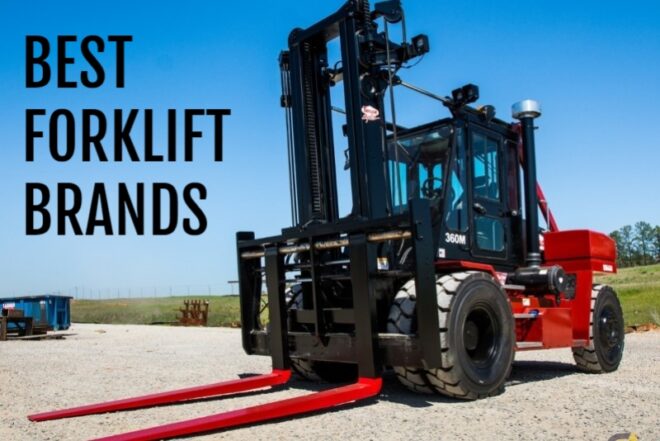
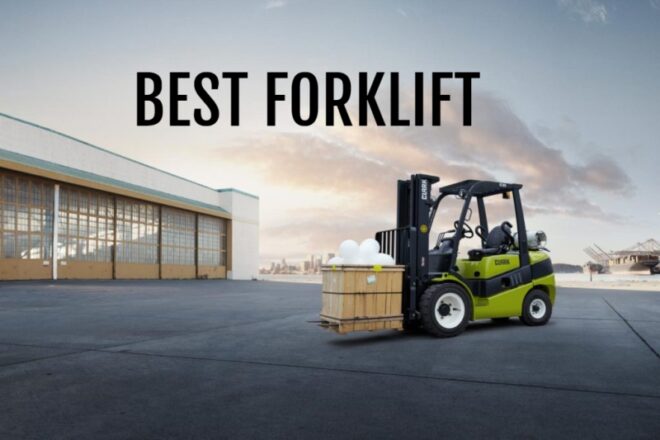
Forklift brands: ranking of manufacturers, world production, makes and models, Toyota, Mitsui, Yale, Caterpillar, Honda, Heli, Kion, Mitsubishi, Clark.
As we know, forklifts are machines that consist of a platform, which is where the loads are placed to move them and stack them on shelves and store shelves, so the quality of these machines depends on how much weight they can lift and how much high can stack it.
The use of forklift machines has been very popular in the environment of factories and warehouses, as it helps workers to have their goods ordered, thus allowing a stricter order in terms of the materials available to a company.
As in all products, also in the forklifts, we have brands that work better than others depending on the size of the load as well as the size and conditions of the place where they will work. Today we will talk a little about the best models of forklifts.
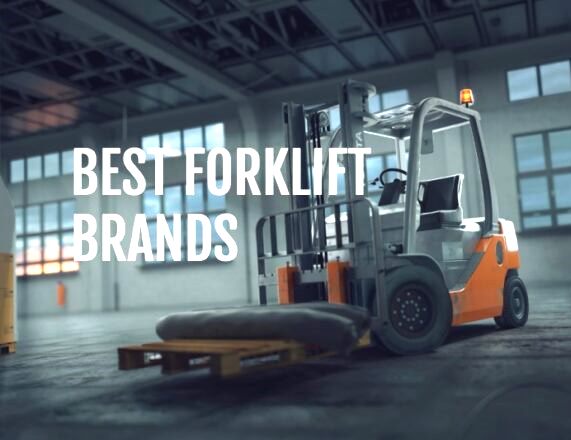
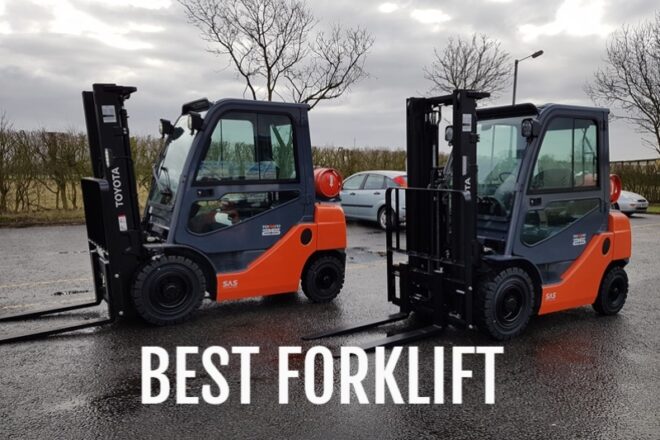
Best forklift brands
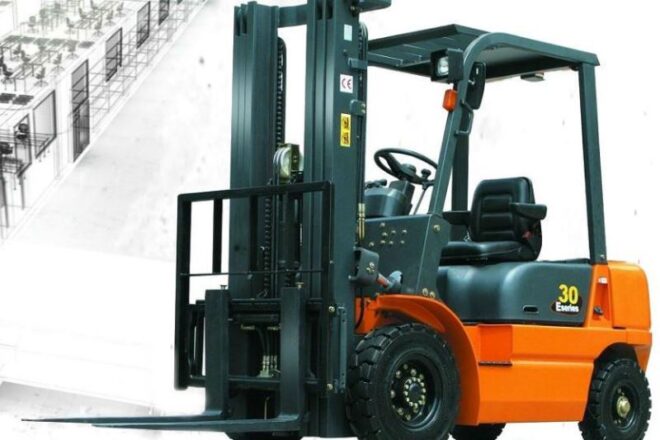
Forklift brands and models
The forklifts are a crucial element in any warehouse operation. These tools allow your team to move heavy loads quickly (and carefully) to and from the loading dock with relative ease.
However, one question that many store managers and supply chains have is the following:
Which forklift is the best for my warehouse?
Warehouse equipment can be expensive. Therefore, it is important to obtain a good and reliable forklift truck because defective or unreliable products can lead to delays in your distribution center or, what is worse, injuries.
But how can you identify a reliable manufacturer of forklifts?
One way is to observe how well a manufacturer is performing: reliable manufacturers tend to see many repeat business and growth.
Another is to see how they are qualified by the users of their products: manufacturers that manufacture poor quality products tend to receive many complaints online, while reliable ones tend to be highly qualified.
Another common question related to this is:
In which forklift manufacturers can I trust?
Best forklift brands
Forklift types
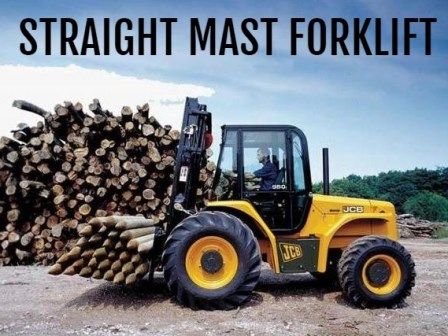
According to the categorization of forklifts, there are 6 different types, which denominated by numbers, range from the simplest forklift; that has a small counterweight and a cabin for a passenger to the all-terrain forklift, which has a closed cabin with capacity for two passengers, with pneumatic tires and with a large forks mast.
Best forklift brand
Special thanks to Material Handling & Logistics for its 10 main brands of forklift truck manufacturers from the list of 2018.
All of the following manufacturers appear in the list, from the most income in 2017 to the least:
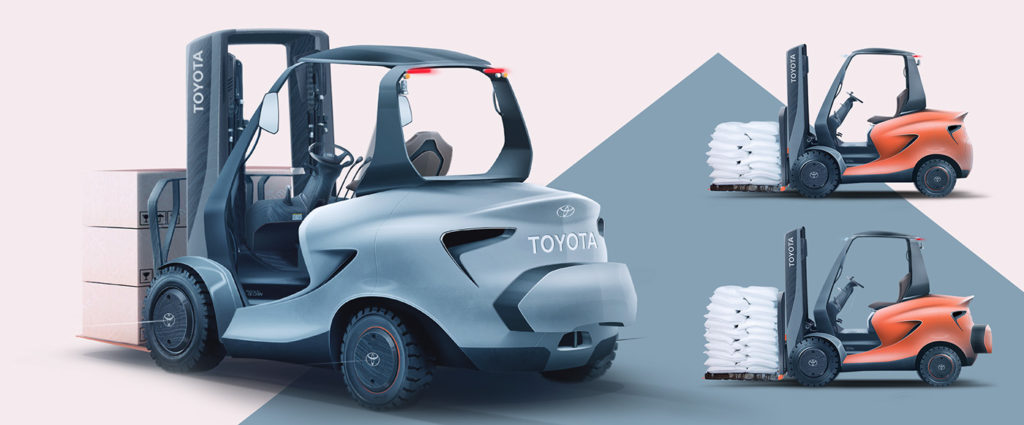
TOYOTA
Toyota Industries Corp. $ 8.78 billion. Leader for many years in the industry with numerous options for different transmissions and load capacities.
Best forklift brands
KION GROUP
The KION Group. $ 5.924 million. It has a variety of material handling solutions and forklifts under its umbrella (including Linde Material Handling, STILL and Fenwick).
JUNGHEINRICH
The Jungheinrich Group. $ 4.25 billion. It offers numerous electric forklifts for a variety of needs.
MITSUBISHI
Mitsubishi Logisnext Co., Ltd. $ 3.7 billion. It carries a variety of forklifts from its Mitsubishi, Unicarriers, and Nichiyu product lines.
CROW
Crown Equipment Corp. $ 2.9 billion (tied for fifth place). It offers different options for new, used, and rental forklifts.
HYSTER
Hyster-Yale Materials Handling Inc. $ 2.9 billion (tied for fifth place). It has an estimated 830,000 Hyster® and Yale® forklifts operating worldwide, according to its website.
HELI
Anhui Heli Co., Ltd. $ 1.28 billion. It offers a range of forklifts and other solutions for heavy work.
KOMATSU
Komatsu. $ 1.21 billion. It has a range of 36V and 48V electric forklifts.
HANGCHA
Hangcha Group. $ 1.07 billion. It has numerous electric forklifts in three and four-wheel varieties.
CLARK
Material handling Clark. $ 781 million (tied for 10th place). The notable forklifts include their forklifts of the S and GEX series.
DOOSAN
Doosan Industrial Vehicle Co. $ 781 million (tied for the tenth place). Notable products include their forklifts of the Pro-5 series.
Of the companies on the list, Clark Material Handling was a late addition, as it was discovered that it had the same reported income as Doosan to tie for the tenth place after taking into account the exchange rate between the two companies.
If these are the largest forklift manufacturers on the market, which are the most popular among your customers?
CATERPILLAR
As we know, forklifts are machines that consist of a platform, which is where the loads are placed to move them and stack them on shelves and store shelves, so the quality of these machines depends on how much weight they can lift and how much high can stack it.
We have all heard about the Caterpillar brand; a brand that has always been next to the people who work heavy, for this reason, a Caterpillar forklift could not be missing from the list of the best forklift models.
These forklifts are characterized by having great power and good load capacity, since depending on the type of forklifts, they can reach up to 5 tons. This brand is one of the best and most prestigious worldwide thanks to the quality of work they offer us and above all to their lifespan.
CLARK
Another brand that is very popular among companies and warehouses with large loads to accommodate is the Clark forklifts.
These forklifts may be less popular than Caterpillars, but they also offer great cargo quality and accommodation in all style stores, whether large spaces in industrial warehouses or small stores in supermarkets or grocery stores.
Both brands have different capacities, although it is true, as we mentioned earlier, that there are different types of forklifts that are used depending on the needs of the company or warehouse, it is also true that each of the categories has a different scope.
Forklift companies in China
There is a great prejudice installed on Chinese hoists, some claim that all “Chinese” (forklifts) are bad; It is true that historically many Chinese machines have disappointed, however, the Chinese industry has made great advances in this last decade and today it would be more accurate to say: “many Chinese are bad, but not all are equal”.
HC Hangcha: The No. 1 brand of Chinese forklifts in the world, has been consolidating not only as a leader in its sector (Chinese forklifts) but also in the global forklift market. In this way, HC Hangcha becomes the Chinese forklift with the highest demand in the world market.
LiuGong: It has a history of 57 years, today the company has more than 14,000 employees, including more than 1,000 engineers in three world-class research and development plants. The company supports its product lines through a global distribution network of sustained growth of more than 380 distributors in six continents and in more than 115 countries. The LiuGong dealer network offers 2,650 points of sale worldwide.
What is the best forklift brand?
Ranker surveyed more than 1,000 voters to rank the best forklift brands in the market.
According to the results of your survey (registered on July 16, 2018), the 10 most beloved forklift brands are:
Toyota
Linde Material Handling (part of the KION group)
Caterpillar (partnered with Mitsubishi to form Mitsubishi Caterpillar Forklift America)
Hyster-Yale Materials Handling Inc. (Yale also appears in number 10 separately)
Bobcat Company (Highly valued, but its products are designed for outdoor work)
CASE (forklifts for difficult terrain)
Material handling Clark
Nissan Motor Manufacturing UK
Komatsu
AB Volvo
It is important to keep in mind that many of the companies on this list are:
The same companies as in the list of the 10 largest companies; or
Subsidiaries of these companies.
These ratings help demonstrate the reliability of the final products and services offered by each of these manufacturers.
This allows you to get a rough idea of the overall quality you can expect when working with a particular manufacturer.
So, Who are the best qualified manufacturers?
Best forklift brands
Best forklift brand
By combining the two lists, it is possible to create a list of the largest and best-qualified forklift manufacturers to use for your distribution center/warehouse operations:
Toyota
KION group
Jungheinrich
Mitsubishi
Hyster-Yale
Komatsu
Clark
Of course, if you are looking for a high-quality forklift to use in your distribution center or warehouse, it never hurts to ask for the opinions or recommendations of others.
For example, the managers of distribution centers in your area will probably have extensive personal experience
Best forklift brands
Best Forklift Brands
What is the best forklift brand?
Top forklift manufacturers 2019
Top forklift manufacturers 2018
Forklift brands and models
Forklift companies
Best Forklift driver training
OSHA Compliant Forklift Operator COMPLETE Training Kit
Certificates Of Completion,
Operator Cards,
Student Hand Outs,
Hands-On Evaluation Checklist, & More!
New release limited-time special promotion pricing ends soon!
Buy once & get free templates for life to train all your employees!
English and Spanish versions both included!
Get your employees forklift certified in 1 hour!
Available on a flash drive for ease of use and re-use.
We have helped thousands stay OSHA compliant
The best part is that you can complete the training from anywhere at any time!
It comes with a 100% 30-day money-back guarantee so you can try it out completely risk-free!
What is the life expectancy of a forklift?
Forklift “age” is measured in hours. For a single-shift operation with an 8-hour workday, the average forklift runs 2,000 hours/ year. The average lifespan of a forklift is 10,000 hours, but this depends on the manufacturer. Above-average machines, such as Toyota forklifts, commonly last more than 20,000 hours.
What is the most common forklift accident?
In the U.S. the three most common types of injuries occur when: A forklift overturns; workers are struck, crushed, or pinned by a forklift; and workers fall from a forklift. According to OSHA, 70 percent of workplace accidents can be avoided with proper training and safety procedures.
The most common types of forklifts and what they are used for? -Counterbalance forklifts are best used for material handling. -Three-wheel counterbalance forklifts are perfect for narrow aisles. -Reach truck forklifts for high rise storage pallet racking. -Side loader forklifts for narrow isles.
What are the different classes of forklifts?
Forklift Classifications and Types -Class I: Electric Motor Rider Trucks. -Class II: Electric Motor Narrow Aisle Trucks. -Class III: Electric Motor Hand Trucks or Hand/Rider Trucks. -Class IV: Internal Combustion Engine (ICE) Trucks with Cushion Tires. -Class V: Internal Combustion Engine Trucks with Pneumatic Tires.