Category Archives: construction equipment

EPC Company

EPC Company: EPC company means – What is EPC company?
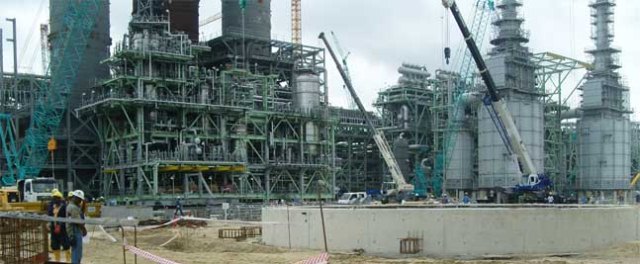
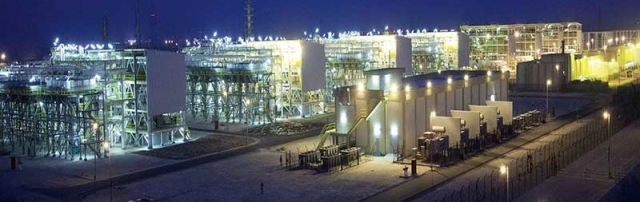
Engineering, Procurement and Construction (EPC) is a particular form of contracting arrangement used in some industries where the EPC contractor is made responsible for all the activities from design, procurement, construction, commissioning and handover of the project to the end-user or owner.


EPC construction company

EPC stands for Engineering, Procurement, Construction and is a prominent form of contracting agreement in the construction industry.

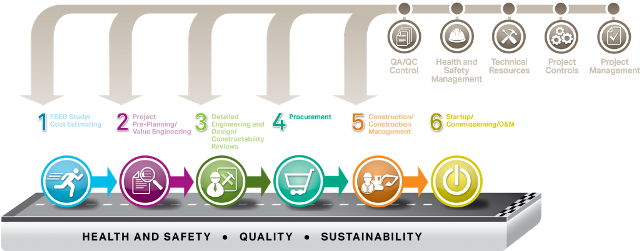
The engineering and construction contractor will carry out the detailed engineering design of the project, procure all the equipment and materials necessary, and then construct to deliver a functioning facility or asset to their clients. Companies that deliver EPC Projects are commonly referred to as EPC Contractors.

EPC services company

The EPC phase of the project is also known as the Execution phase which normally follows what is known as a FEED or Front End Engineering Design phase.

The FEED is a basic engineering design used as the basis for the EPC phase. The FEED can be divided into separate packages covering different portions of the project. The FEED packages are used as the basis for bidding on when the client offers the EPC work to the market.

Normally the EPC Contractor has to execute and deliver the project within an agreed time and budget, commonly known as a Lump Sum Turn Key (LSTK) Contract. An EPC LSTK Contract places the risk for schedule and budget on the EPC Contractor.

EPC contracting company

The Project Owner or client to the EPC Contractors will normally have a presence in the EPC Contractors offices during the execution of the EPC Contract. The Client places what can be termed as a Project Management Team or PMT to overlook the EPC Contractor.

The client PMT may require specialist help and bring onboard Project Management Consultants or PMC’s to assist. The PMT / PMC will ensure the EPC Contractor is carrying out the works in accordance with the agreed scope of works and in accordance with the Contract. It is quite common for the Engineering and Construction Contractor which delivered the FEED to be offered a Project Management Consultancy (PMC) Contract.


EPC company means

In some instances which can be related to the time, a project owner would like the project delivered, an engineering and construction company can be given work on a direct reimbursable basis to start with followed by conversion to LSTK once sufficient time and resources can be allocated to quantifying and pricing the scope of works.

One method to convert from a reimbursable to LSTK Contract is called an Open Book Estimate or OBE in which the Contractor will open all their working documentation or books for representatives of the client to assess what the total scope of works for delivering the project will be.

An agreed LSTK scope of works and price will be negotiated and agreed between EPC Contractor and Project Owner during the execution of EPC activities.

EPCM Contract

What is the difference between EPC and EPCM?

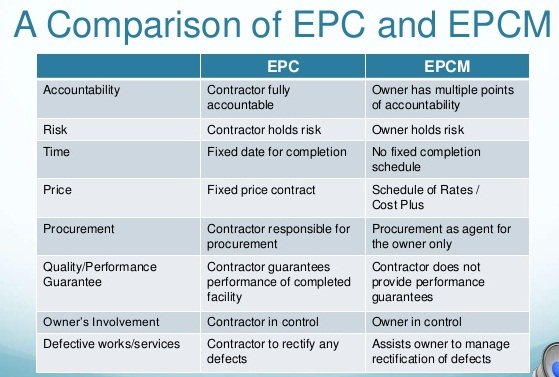
The fundamental difference is the role of the EPC or EPCM contractor. In an EPC contract, the EPC contractor develops the project from commencement to final completion. The owner or principal of the EPC project provides the EPC contractor with a detailed design including technical and functional specifications, in order for the EPC contractor to build and deliver the project to the “turn of the key”, within a specified time period.

This is why EPC contracts are often referred to as “turnkey” projects. The scope of work should be clearly defined in the contract documents; therefore, amendments to the scope of work should not be a common feature in EPC contracts. For this reason, an EPC contract is often a fixed price contract or an all-encompassing lump sum contract. Any shortfall of costs is a risk that rests with the EPC contractor, making cost control their number one priority.


Top EPC Companies in USA

Energy Renewables & Traditional

ProjectsCapacity (MW)
Mortenson Construction15320,246.21
Blattner Energy8013,912.25
RES Americas677,896.82
Sentry Electrical Group557,415.05
Rosendin Electric707,248.72
IEA Renewable Energy696,949.06
Quanta Power Generation736,064.99
EDF Renewable Energy 545,775.90
First Solar Inc575,705.96
Wanzek Construction465,667.46

Mortenson Construction

Mortenson has built a reputation for delivering complex projects on time and on a budget in some of the most geographically challenging locations throughout the United States and Canada.

Blattner Energy

For more than a century, the Blattner Family of Companies has delivered collaborative construction solutions to industry leaders throughout the United States and Canada.

RES Americas

RES Americas is one of the top renewable energy companies in the country. They have been developing, constructing, owning, and operating renewable energy projects since 1997.

Sentry Electrical Group

Sentry Electrical Group, Inc. is a Georgia based company that performs projects across the entire United States. They provide high and medium voltage electrical construction and maintenance services of electrical infrastructure for private owners and utilities.

Rosendin Electric

Rosendin Electric, Inc. provides contract electrical engineering, power, and communications services. It offers preconstruction services to general contractors and owners; prefabrication services; and network services for construction, design-build, system integration, and turnkey projects.

IEA Renewable Energy

IEA Renewable Energy Inc. provides experienced construction crews that are backed by in-house engineering and site development professionals. With 80% of their business coming from repeat blue-chip customers, this integrated network allows self-perform siting, permitting, engineering, and construction services on utility-scale wind and solar energy projects.

Quanta Power Generation

Quanta Power Generation was established with a core focus of providing engineering, procurement, and construction (EPC) services to the utility-scale power generation industry. Since its formation, Quanta Power Generation has established itself as a leading provider of utility-scale PV solutions with over 300 MWDC of generation capacity completed or currently under construction.

EDF Renewable Energy

EDF Renewables, a subsidiary of the EDF Group, operated in more than 20 countries covering the entire value chain from development to operation and maintenance of renewable energy projects. With a focus on wind, solar and storage, the company is also involved in marine and other emerging technologies.

First Solar Inc

First Solar is the global leader in photovoltaic (PV) solar energy solutions. With more than 8 gigawatts (GW) installed worldwide, they believe that clean affordable solar electricity is an essential part of the global energy mix.

Wanzek Construction

Wanzek offers a single source for wind site services including the management, monitoring, and maintenance of civil, crane, turbine, blade, substation and T-Line collection, as well as continuous improvement services. They specialize in comprehensive wind power maintenance services using a regional deployment strategy, helping their customers maximize their investment in renewable power generation.

Largest EPC companies

EPC companies generally deal with civil engineering and project management works in various sectors of Energy & Power, Chemicals, and Hydrocarbon, Human resources, etc., which in turn balance the demand for certain products and development of safest superstructure across the world. Check out this list of the top 10 largest and best EPC companies around the world in 2019.

  • Petrofac – London
  • Saipem – Nigerian
  • Hyundai Heavy Industries – South Korea
  • SAMSUNG Engineering – South Korea
  • Technip – France
  • WorleyParsons – Australia
  • CB&I – Chicago, Illinois, USA
  • SK Engineering & Construction – South Korea
  • NPCC – Abu Dhabi (UAE)
  • TATA Projects LTD – Ahmedabad, Gujarat

Petrofac

Petrofac – London

Petrofac is the largest provider of oilfield services to the international oil and gas industries. The company mainly deals with petrochemicals that have several operating locations across the globe such as in Saudi Arabia, Malaysia, and India. Their range of services are designed and builds new oil and gas facilities and maintain already existed one, Engineering, Construction, Operation and Maintenance of these facilities, Energy and power service, etc.

The company was established in 1981 by Rijnhard van Tets and has its HQ in London, United Kingdom.

Saipem

Saipem – Nigerian

Saipem is known for operating Nigerian Unit since 2010 and was also awarded another $3 billion contract for the subsea development and production and installation of oil production and water injection flowlines, Egina field offshore Nigeria. The project was worth $3.8 Billion US dollars.

Hyundai Heavy Industries

Hyundai Heavy Industries – South Korea

The second-largest south Korean EPC company after Samsung specialized in marine manufacturing and other engineering works. Hyundai heavy industries are the world’s largest shipbuilder and recently they have been awarded a project for the construction of fixed platforms in the Abu Dhabi Nasr field from Abu Dhabi Marine Operating Company (ADMA OPCO) which is worth of $1.2 billion USD.

SAMSUNG Engineering

SAMSUNG Engineering – South Korea

Generally known for their smartphone but many people are not aware of another side of the coin called Samsung engineering co.ltd. They are one of the largest weapon manufacturers and having a large share in the Construction and energy sector as well.

Samsung Engineering is currently offering products in environmental, industrial, Hydrocarbon, infrastructure-related plants, and facility sectors. Currently, the company houses 8,300 employees and annual revenue of the company is $8.4 billion USD.

Technip

Technip – France

A French Constriction project and Engineering company are known for providing the quality solution in Project management, engineering, and construction for the energy industry & Oil & Gas sectors. The company is housing 37,500 employees and annual revenue of the company is €10.7 billion Euros as per the report of 2014.

WorleyParsons

WorleyParsons – Australia

Worley Parsons was founded by Wholohan Grill and Partners in 1971 and has its HQ in North Sydney, NSW, Australia. The company is currently housing more than 24,500 employees across the globe and has revenue of A$5,892.9 million dollars as per the report of 2014. Currently, the company is working in construction and engineering, power & energy and Oil & Gas sectors.

Chicago Bridge & Iron Company

CB&I – Chicago, Illinois, USA

Chicago Bridge & Iron, The company is currently serving in sectors like Gas & oil, Constructions, energy, natural resource industries & Engineering housing 50,000 employees and an annual turnover of whopping $12 billion US dollars.

SK Engineering

SK Engineering & Construction – South Korea

SK Engineering and construction is South Korea’s third-largest civil engineering and construction company after Hyundai and Samsung engineering Ltd. According to the latest report by AFP, last year six EPC company won the bids by Iraq government to build an oil refinery in Iraq and the project worth of $6.4 Billion USD.

National Petroleum Construction Company

NPCC – Abu Dhabi (UAE)

Known for creating marvelous skyscraper across the UAE, NPCC is one of the leading engineering and construction company in the world. This Adu-Dhabi based company is currently active in the following sectors: chemical and Petrochemical, Transportation, Infrastructure and Civil Engineering & Oil, and Gas.

TATA Projects LTD

TATA PROJECTS LTD – Ahmedabad, Gujarat

TATA project Ltd is part of India’s largest business group ‘TATA’ which has revenues of over $100 billion, over 100 operating companies across the globe. Being in sectors of Information and Technology, consumer products, energy, materials, & engineering, telecommunications, TATA groups finally get their hands in the Construction sector with the name ‘TATA’ projects.

EPCM Companies

EPCM stands for Engineering, Procurement, Construction Management. This type of contract is different from an EPC Contract in that the Contractor is not directly involved in the construction but is responsible for administering the Construction Contracts

EPC company means

In contrast to the EPC model, the EPCM contractor is not directly involved in the building and construction of the project, but is rather responsible for the detailed design and overall management of the project, on behalf of the owner or principal.

While an EPC contract takes the form of a design and construction contract, the EPCM model can be regarded as a professional services contract.

What are the EPC companies?

What are EPC companies?

Engineering, Procurement and Construction (EPC) is a particular form of contracting arrangement used in some industries where the EPC contractor is made responsible for all the activities from design, procurement, construction, commissioning and handover of the project to the end-user or owner.

What is EPC in oil and gas?

EPC stands for Engineering, Procurement, and Construction. These companies are hired by Oil & Gas companies for long-term projects that need to be completed by skilled individuals.

How do EPC companies work?

The engineering and construction contractor will carry out the detailed engineering design of the project, procure all the equipment and materials necessary, and then construct to deliver a functioning facility or asset to their clients. Companies that deliver EPC Projects are commonly referred to as EPC Contractors.

What is the difference between EPC and EPCM?

The fundamental difference is the role of the EPC or EPCM contractor. In an EPC contract, the EPC contractor develops the project from commencement to final completion. This is why EPC contracts are often referred to as “turnkey” projects. For this reason, an EPC contract is often a fixed price contract or an all-encompassing lump sum contract. Any shortfall of costs is a risk that rests with the EPC contractor, making cost control their number one priority.
In contrast to the EPC model, the EPCM contractor is not directly involved in the building and construction of the project, but is rather responsible for the detailed design and overall management of the project, on behalf of the owner or principal.

The most read

Top EPC Companies

TOP EPC COMPANIES: EPC services company, EPC oil & gas multinational company, EPC company means, what is EPC company.

More on this story

Mining equipment manufacturers

Construction and mining equipment cover a variety of machinery such as hydraulic excavators, wheel loaders, backhoe loaders, etc.

EPCM Companies

EPCM stands for Engineering, Procurement, Construction Management. This type of contract is different from an EPC Contract in that the Contractor is not directly involved in the construction but is responsible for administering the Construction Contracts.

EPC and EPCM services

Although the engineering, procurement, and construction (EPC) contract and the engineering, procurement, and construction management (EPCM) contract have been present in the construction sector for many years, there remains confusion as to the fundamental differences between these contracts, the role each party is required to play, and when to use one contract over the other.

The fundamental difference is the role of the EPC or EPCM contractor. In an EPC contract, the EPC contractor develops the project from commencement to final completion.

The owner or principal of the EPC project provides the EPC contractor with a detailed design including technical and functional specifications, in order for the EPC contractor to build and deliver the project to the “turn of the key”, within a specified time period.

EPCM Contract

This is why EPC contracts are often referred to as “turnkey” projects. The scope of work should be clearly defined in the contract documents; therefore, amendments to the scope of work should not be a common feature in EPC contracts.

For this reason, an EPC contract is often a fixed price contract or an all-encompassing lump sum contract. Any shortfall of costs is a risk that rests with the EPC contractor, making cost control their number one priority.

EPCM services

A further identifying feature of the EPC contract is that the EPC contractor enters into separate agreements with the contractors, vendors, sub-contractors, sub-vendors and so on.

This is advantageous to the owner or principal of the project, as they will look to the EPC contractor to take full responsibility for the project and, in the event of a dispute between the EPC contractor and any party to the sub-agreements, to resolve the dispute without the owner or principal being required to be a party to the dispute.

The EPC contractor will, in most cases, have a right of recourse against a party to a sub-agreement who was responsible for causing the loss or damage. The EPC contractor must ensure that its contracts mirror those that it has with the owner of the principal.

EPC company means

In contrast to the EPC model, the EPCM contractor is not directly involved in the building and construction of the project, but is rather responsible for the detailed design and overall management of the project, on behalf of the owner or principal.

While an EPC contract takes the form of a design and construction contract, the EPCM model can be regarded as a professional services contract.

The EPCM contractor has a duty to ensure that the engineering and design of the project are in compliance with the project’s technical and functional specifications.

Supervising, management and co-ordinating construction interface in accordance with a detailed schedule is the key responsibility of the EPCM contractor.

EPCM contractor

The EPCM contractor is responsible for establishing contractual arrangements on behalf of the owner or principal with other contractors, vendors, sub-contractors and sub-vendors, through a tender process.

The EPCM contractor is contracted by the owner or principal for the construction management role, while the owner or principal is bound to various contractual relationships for construction-related works.

From an owner or principal’s perspective, there lies a disadvantage in being bound to various contractual relationships in the event of a dispute. Unlike the EPC model, the owner or principal will more often than not find itself involved in a dispute with one or more of the other parties relating to the construction of the project, to whom the EPCM contractor must offer assistance.

EPCM projects

In most instances, the EPCM model is structured on the basis of a cost-reimbursable fee structure or a unit rate fee structure.

The former allows the EPCM contractor to be paid an upfront sum of money with additional fixed monthly payments, while the latter allows for an upfront sum of money with further payments to be made on completion of specified phases within the construction process.

Both the EPC and EPCM contracts can be highly beneficial to a project. Choosing the incorrect form of contract can have a major effect on the cost and risk associated with the project.

The contract you choose to utilize requires a clear understanding of the objectives, scope of work, the role of each party and the contract structure as a whole.

Difference between EPC and EPCM

Comparing EPC and EPCM contracting

EPCM contracting contrasts with EPC (engineer, procure and construct) contracting because, in EPC contracting, the EPC contractor is responsible for the construction and it, rather than the employer, enters into direct contracts with the construction contractors.

EPC contracting appears to be more common that EPCM contracting. This is because employers often regard EPC contracting as favoring their interests over those of the contractor.

There are several reasons for this, including:

  • Cost certainty. EPC contracting shifts risk away from the employer and towards the EPC contractor, in theory giving the employer greater cost certainty than other forms of procurement. An EPC contract typically prevents the contractor from increasing the agreed price except in very limited circumstances.
  • Single point of responsibility. The EPC contractor is responsible to the employer for the entire project, so there is no confusion about who the employer should pursue in the event of a defect or other problem.
  • Turnkey nature. An EPC contract is a turnkey, meaning that, on completion, the employer will simply be able to “turn the key” and operate the finished facility. This is particularly attractive to an employer with little experience of running a construction project or with inadequate resources to oversee such a project.

EPCM contract template

Equally, there are several reasons why an employer may prefer EPCM contracting over EPC contracting:

Lower cost

  • EPCM contracting offers potential savings on project costs.
  • EPC contractors usually charge more because of the extra risk they take on from the employer.
  • In EPCM contracting more risk stays with the employer, so prices should be lower.
  • In addition, the employer has the benefit of negotiating each construction and supply contract itself, rather than relying on an EPC contractor to get the best price.

Construction flexibility

  • Compared with EPC contracting, the employer has greater freedom to change the project during the works.
  • Under an EPC contract, variations to the agreed specification can easily lead to large increases in project cost.
  • In EPCM contracting this may be avoided because the employer can negotiate directly with contractors and suppliers.

Speed construction

  • Compared with EPC contracting, the employer may be able to complete the project more quickly.
  • EPCM contracting allows the employer to engage the necessary contractors to begin work, without necessarily finalizing the detail of the project right away or entering into contracts for works or equipment that will be needed later.

Funding companies

  • EPC contracting usually requires the contractor to have all its funding arranged at the outset of the project, in order to secure a letter of credit in favor of the EPC contractor.
  • In contrast, EPCM contracting allows greater flexibility, so the employer does not necessarily need to have all funding in place before works begin.

Quality construction

  • EPCM contracting may offer a higher quality result than EPC contracting.
  • This is because EPC contracting (like design and build construction) leaves the EPC contractor to decide how it will meet the employer’s requirements for the agreed price.
  • It is in the EPC contractor’s interest to meet the employer’s requirements at the minimum cost, thereby maximizing its own profit.
  • In contrast, EPCM contracting allows the employer to take an active role throughout the project, advised by the EPCM contractor.
  • In theory, this allows the employer to control the quality of the project.
  • Even if there is no measurable qualitative advantage to EPCM contracting, the employer often feels a greater sense of satisfaction with the completed project because it has had “ownership” of the project throughout its course.

Overall, the employer’s role in negotiating contracts and funding burden it with greater responsibility in an EPCM project. However, this is tempered by the fact that the EPCM contractor is available to advise the employer throughout the project, together with the increased control the employer has over its project.

EPCM environment

Disadvantages of EPCM contracting

The advantages of EPCM contracting are balanced by some significant drawbacks. In general, these can be summarised as a transfer of risk and responsibility to the employer.

Two of these drawbacks are key to understanding EPCM contracting:

No single point of responsibility

  • EPCM contracting has no single point of responsibility, so in the event of a defect in construction, the employer may have to pursue several contractors and suppliers to recover its losses.
  • Whether these parties are jointly and severally liable will depend on the precise wording of their contracts and the jurisdiction governing them.

Management time and expense

  • Even with the EPCM contractor’s assistance, an EPCM project requires the employer to commit significant resources to it.
  • The employer should consider whether those resources could be better invested elsewhere in its business.

EPCM engineering

One other disadvantage of EPCM contracting is the absence, at the moment, of any standard form of an EPCM contract.

Many engineering contracts, even those that are bespoke, take a standard form contract as their starting point. For example, many bespoke EPC contracts are based on the FIDIC Silver Book.

The absence of a standard form deprives the parties of a point of reference as to the “normal” commercial and legal position, as well as increasing the legal costs of the project.

In any case, the employer is likely to incur higher legal costs on an EPCM project, simply because it has to negotiate multiple contracts, rather than a single EPC contract.

While this may be a minor inconvenience for a large and experienced employer, it is a significant drawback for a smaller and less experienced employer.

EPCM resource management solutions

A final word of caution

Parties should remember that procurement terminology is not subject to universal rules about its meaning (except, arguably, in the field of public procurement). One party’s understanding of EPCM contracting may differ from another’s and, in any case, employers often tailor a procurement mechanism to suit the needs of a particular project. Terms such as EPCM and EPC are a useful shorthand, but parties should clarify their precise meaning for each particular project.

What is EPCM contract

The EPCM contractor is not directly involved in the building and construction of the project, but is rather responsible for the detailed design and overall management of the project, on behalf of the owner or principal. While an EPC contract takes the form of a design and construction contract, the EPCM model can be regarded as a professional services contract.

What is an EPCM company?

What is an EPCM company?

EPCM stands for Engineering, Procurement, Construction Management. This type of contract is different from an EPC Contract in that the Contractor is not directly involved in the construction but is responsible for administering the Construction Contracts.

What is the difference between EPC and EPCM?

The fundamental difference is the role of the EPC or EPCM contractor. In an EPC contract, the EPC contractor develops the project from commencement to final completion. This is why EPC contracts are often referred to as “turnkey” projects. For this reason, an EPC contract is often a fixed price contract or an all-encompassing lump sum contract. Any shortfall of costs is a risk that rests with the EPC contractor, making cost control their number one priority.
In contrast to the EPC model, the EPCM contractor is not directly involved in the building and construction of the project, but is rather responsible for the detailed design and overall management of the project, on behalf of the owner or principal.

What is the difference between EPC and turnkey contracts?

Whereas, Turnkey is a contract comprising Engineering, Procurement, Construction, and commissioning; It is such a contract that under which a contractor agrees to complete full designing, constructing and equip a manufacturing/ business/ service facility and turn the project over to the Employer/Owner when it is ready.

How do EPC companies work?

The engineering and construction contractor will carry out the detailed engineering design of the project, procure all the equipment and materials necessary, and then construct to deliver a functioning facility or asset to their clients. Companies that deliver EPC Projects are commonly referred to as EPC Contractors.

What is a PMC contract?

PMC stands for Project Management Consultant or Project Management Contract. Under a project management contract, an engineering contractor will overlook the EPC Contractor’s work to ensure compliance with the client’s scope of works.

The most read

EPC Construction Company

What is EPC’s company? EPC services company, EPC construction company, EPCM Contract, Top EPC Companies in the USA

More on this story

Top EPC Companies

EPC services company, EPC oil & gas multinational company, EPC company means, what is EPC company.

Top EPC Companies

The EPC (Engineering, Procurement & Construction) set-up provides developers and owners with a single point of contact throughout the project execution phase and reduces financial risks. EPC projects are multidisciplinary in nature, and efficient construction management coupled with a continual focus on HSEQ are key success factors.

Largest EPC companies

World’s largest Engineering and Construction Companies:

EPC companies provide complete engineer-procure-construct (EPC) services through strategic alliances with leading engineering, materials management, and construction companies, and offers all aspects of turnkey construction including project management, engineering, materials procurement, construction, right-of-way acquisition, landowner management, permitting and environmental services.

Check out this list of the top 10 largest and best EPC companies around the world in 2019.

  • Petrofac – London
  • Saipem – Nigerian
  • Hyundai Heavy Industries – South Korea
  • SAMSUNG Engineering – South Korea
  • Technip – France
  • WorleyParsons – Australia
  • CB&I – Chicago, Illinois, USA
  • SK Engineering & Construction – South Korea
  • NPCC – Abu Dhabi (UAE)
  • TATA Projects LTD – Ahmedabad, Gujarat
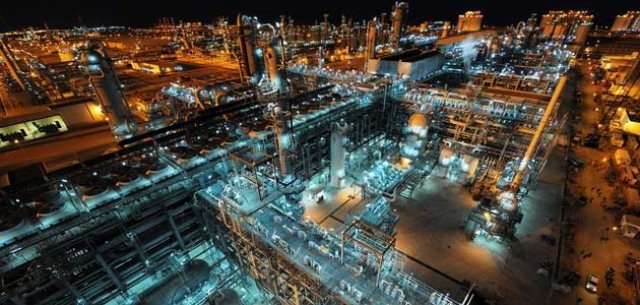
List of EPC companies in power sector

The oil and gas sector has seen some drastic changes in the past year, and so have engineering, procurement and construction (EPC) contractors followed suit to cater to an ever-changing industry. As the region’s national oil companies have moved to integrate vertically and boost their downstream portfolios, so, too have EPC contractors.

EPC contractors are shifting to adapt to an environment that requires they be more ambitious, and more versatile while maintaining the financial discipline to suit the changing needs of the region’s oil and gas companies.

Some of the region’s major deals this year have been in the downstream segment, but upstream has seen an incredible amount of traction as well, with giants like Saudi Aramco looking to invest billions of dollars into redeveloping aging assets. Its Long-Term Agreement program has kept some EPC companies busy and their project pipelines full.

There are some surprise movers among the list, but the top tier has kept many familiar faces among its ranks, all of whom will be recognizable from headlines announcing their major wins in the past year. Those that rose up to have generally seen more activity or investment in the region.

  • Larsen & Toubro Hydrocarbon Engineering
  • Petrofac
  • McDermott
  • Wood
  • SNC-Lavalin
  • National Petroleum Construction Company
  • Saipem
  • WorleyParsons
  • Technip FMC
  • Galfar Engineering & Contracting

Top EPC companies in oil and gas sector

For the last few years, the competition among the major engineering, procurement, and construction (EPC) companies related to the refining and petrochemicals manufacturing sector in the Middle East is at the top level since there are only a limited number of large-scale projects in the region and all the major global players are there from around the world.

As a result of the rebalanced low oil prices, the downstream EPC companies in the region are facing project complexity, escalating costs and enhanced risk. The real challenge for these EPC companies operating in the region is the cost competition among themselves. Operators are cutting down capital spending budgets and there are fewer contracts in the pipeline.

We have enlisted and ranked the 2019 list of Top 30 EPC Contractors primarily based on the value and volume of the projects that EPC companies have won in the Middle East region from the downstream industry.

In many cases, the project costs are undisclosed in the region. In those cases, we have considered the impact of the project on the region’s industry, people and economy. We have also considered other factors like 2017 and 2018 revenues, projects completed earlier, CSR initiatives, compliance with ethical business practices, etc. The rankings in this year’s list have changed considerably, compared to the last year.

  • Samsung engineering – South Korea
  • Technip – France
  • Petrofac – UK
  • Técnicas Reunidas
  • SNC Lavalin
  • SK Engineering & construction co
  • Saipem
  • Daewoo engineering & construction
  • Daelim industrial co
  • Maire Tecnimont

What is EPC company

EPC indicates a contractor is responsible for the Engineering, procurement, and construction of a particular facility/work awarded to him

Example: A hotel project awarded on a turnkey basis means the contractor is responsible to complete all activities leading to the final operation level (handing over to the operation team). You can’t divide this project into separate activities like Civil, MEP, etc. and award on a turnkey basis to different contractors. Whereas, on an EPC, you can award only MEP works on EPC or a Sewage Treatment Plant (STP) work on EPC.

EPC company means

An EPC Contract the Client / Employer has no responsibility to track the work of other Sub-contractors under the main Contractor; however, in Turnkey Contract the Contract is made in such a way that the Client / Employer makes provisions in the Contract with its main Contractor that in the event of non -performance of duties by the Main Contractor the Client / Employer can terminate the main Contractor’s Contract and give it to the Sub-contractor on the rates as applicable between the Contractor and Sub-contractor and these happen to any degree of level.

In other words, the rights of the Client / Employer in Turnkey are more than in EPC.

Turnkey Construction contract

A Turnkey Contract is one under which the contractor is responsible for both the design and construction of a facility. The basic concept is that in a Turnkey Contract the contractor shall provide the works ready for use at the agreed price and by a fixed date.

The reality is that the employer wants to be and should be actively involved in the project at all stages. The term is used more or less synonymously with expressions as “package contract”, “design and build” or “design constructor”.

Turnkey contracts often seek to regulate in great detail all issues which possibly might arise between the parties. The main clauses of a turnkey contract are the design of the project, the construction site, time for completion, price and payments, performance guarantees and the law governing the contract.

EPC Construction

The EPC industry is one that is multifaceted and so positively complex that it often keeps executives on their toes. For instance, when building, designing or financing a construction project, it is vital to maintain oversight and have cash flow audits throughout the process.

The acquisition of invoices at the correct time is an essential part of this process as it eases one’s need to meet pressing demands at a time when dealing with a multitude of issues simultaneously. EPC companies have since employed an array of project management techniques, but this is yet to prove valuable with regards to the way they run their business operations.

Engineering procurement construction

Effective Project management can be a make it or break it success factor for Engineering and Construction firms.

EPC companies are often running multi-disciplinary engineering issues such as hosting multiple employees, hundreds of different firms and a number of subcontractors simultaneously.

As such, EPC firms are dexterous entities that require proper time and budgetary allocations throughout the supply chain to seal all possible money-leaking loopholes.

EPC provider

Failure to keep such projects money tight would lead to dismal performances. Some of the ways such money-tightness can be achieved are through the tracking of staff certifications, complying with bank requirements, observing worker safety protocols, and keeping tabs on government regulations such as those governing Public-Private Partnerships.

Construction management books

International Construction Contract Law will be invaluable to those operating in the international construction market and undoubtedly will become a practitioner’s go-to guide on the subject.

“Dr Klee’s book should have broad appeal in the construction industry … The description of key concepts is thorough and the snapshots of relevant common law principles clearly articulated. Dr Klee cleverly connects the legal and the practical there by bringing the performance and administration of construction contracts out of the theoretical realm into the real world. … Dr Klee’s discussion, observations and inquiry into what the future holds for international construction contracts is thought provoking and, pleasingly, interesting and enjoyable reading”

“Given the increasing globalization of commerce it is essential that persons setting up the transactions understand the legal means at their disposal. … This work makes an important and original contribution to the knowledge of those dealing with these transactions. … It will be of immense use to consulting engineers, lawyers, clients, developers, contractors and construction managers worldwide and is highly recommended”

International Construction Contracts Law

International Construction Contracts

Delay Clauses in International Construction Contracts : Many large construction projects, such as those in the Middle East or Asia Pacific, are international in scope with a range of contractors and subcontractors signing contracts for delivery of specified work or services.

The contractual situation in these instances may be complex and potentially includes a range of standard and bespoke contractual arrangements. In addition, the parties to these contracts may be based in different parts of the world, and are often working to different legal systems and understandings. This can lead to confusion in the understanding, interpretation, and execution of a given contract.

International Construction Contracts provides concise and practical guidance to those involved in the negotiation and management of international construction and engineering contracts. It sets out in clear, straightforward language the main features of construction contracts and international dispute resolution procedures. It ensures the reader is aware of the issues that might arise on the contractual side of their project so that they may better protect their party’s interests.

Understanding and Negotiating EPC Contracts

In Understanding and Negotiating EPC Contracts, Volume 1, Howard M. Steinberg presents a practical and comprehensive guide to understanding virtually every aspect of engineering, procurement and construction (EPC) contracts for infrastructure projects.

The 25 chapters in Volume 1 are supplemented with real-life examples and court decisions and offer tactical advice for anyone who must negotiate or understand EPC contracts in connection with the implementation, financing or operation of infrastructure projects.

Emphasizing current market practices and strategic options for risk sharing, the book contains a narrative explanation of the underpinning of all of the issues involved in EPC contracting.

Exhaustive in scope, it clarifies the fundamental commercial principles and pitfalls of “turnkey” contracting for all types of capital investments ranging from electrical and thermal power generation (including combined heat and power, nuclear, wind, solar, natural gas and coal) to refining, to chemical processing to LNG liquefaction and re-gasification to high-speed rail, bridging, tunneling and road building. Providing clear and thorough analyses of the issues and challenges, this volume will be of great value to all those involved in complex construction projects.

What do you mean by EPC companies?

What do you mean by EPC companies?

EPC stands for Engineering, Procurement, Construction and is a prominent form of contracting agreement in the construction industry. Normally the EPC Contractor has to execute and deliver the project within an agreed time and budget, commonly known as a Lump Sum Turn Key (LSTK) Contract.

What is the difference between EPC and turnkey?

Essentially an EPC project is the same as a turnkey project. An EPC contract encompasses the E (Engineering/Design), P (Procurement) and the C (Construction) which is the entire project from concept to commissioning (turnkey). However, EPC is a very broad and sometimes wrongly used term.

What is the difference between EPC and EPCM?

The fundamental difference is the role of the EPC or EPCM contractor. In an EPC contract, the EPC contractor develops the project from commencement to final completion. This is why EPC contracts are often referred to as “turnkey” projects. For this reason, an EPC contract is often a fixed price contract or an all-encompassing lump sum contract. Any shortfall of costs is a risk that rests with the EPC contractor, making cost control their number one priority.
In contrast to the EPC model, the EPCM contractor is not directly involved in the building and construction of the project, but is rather responsible for the detailed design and overall management of the project, on behalf of the owner or principal.

What is EPC in oil and gas?

EPC stands for Engineering, Procurement, and Construction. These companies are hired by Oil & Gas companies for long-term projects that need to be completed by skilled individuals.

The most read

EPC Construction Company

EPC COMPANY: what is EPC company? EPC services company, EPC construction company, EPC company means, EPCM Contract, Top EPC Companies in USA

More on this story

Mining equipment manufacturers

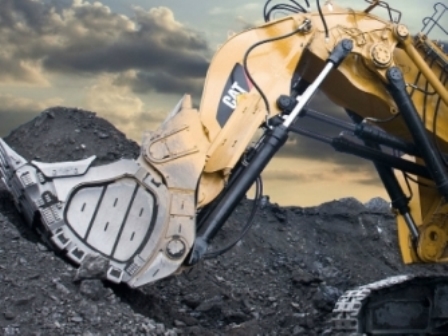
Construction and mining equipment cover a variety of machinery such as hydraulic excavators, wheel loaders, backhoe loaders, etc.

EPC Contract meaning

Large international construction projects often have a range of major contractors, subcontractors, and consultants based in different parts of the world and working to different legal theories and understandings. This can lead to confusion in the understanding, interpretation, and execution of the construction contract, which can result in significant disruption to the construction project.

EPC Contract meaning

EPC Company

In an EPC contract, the EPC contractor develops the project from commencement to final completion. The owner or principal of the EPC project provides the EPC contractor with a detailed design including technical and functional specifications, in order for the EPC contractor to build and deliver the project to the “turn of the key”, within a specified time period. This is why EPC contracts are often referred to as “turnkey” projects.

The scope of work should be clearly defined in the contract documents; therefore, amendments to the scope of work should not be a common feature in EPC contracts. For this reason, an EPC contract is often a fixed price contract or an all-encompassing lump sum contract. Any shortfall of costs is a risk that rests with the EPC contractor, making cost control their number one priority.

International Construction Law

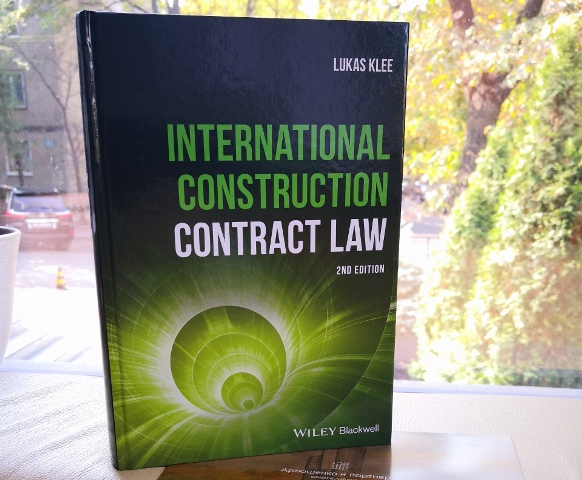
International Construction Contract Law is written for anyone who needs to understand the legal and managerial aspects of large international construction projects, including consulting engineers, lawyers, clients, developers, contractors and construction managers worldwide.

The revised second edition of International Construction Contract Law is a comprehensive book that offers an understanding of the legal and managerial aspects of large international construction projects.

This practical resource presents an introduction to the global construction industry, reviews the basics of construction projects and examines the common risks inherent in construction projects. The author — an expert in international construction contracts — puts the focus on FIDIC standard forms and describes their use within various legal systems.

EPC Contract meaning

Construction project management

This important text contains also a comparison of other common standard forms such as NEC, AIA, and VOB, and explains how they are used in a global context.

The revised edition of International Construction Contract Law offers additional vignettes on current subjects written by an international panel of numerous contributors.

Designed to be an accessible resource, the book includes a basic dictionary of construction contract terminology, many sample letters for Claim Management and a wealth of examples and case studies that offer helpful aids for construction practitioners.

International Construction Contracts

Lukas Klauss: EPC Contract meaning

Lukas Klee s International Construction Contract Law is a useful contribution to the doctrine of international construction law. The book is well written and contains a wealth of practically useful information, which will help in-house lawyers, external lawyers, engineers, project managers, and other professionals who are involved in the negotiation and/or management of major international construction contracts.

International Construction Contract Law will be invaluable to those operating in the international construction market and undoubtedly will become a practitioner s go-to guide on the subject.

The description of key concepts is thorough and the snapshots of relevant common law principles clearly articulated. Dr. Klee cleverly connects the legal and the practical thereby bringing the performance and administration of construction contracts out of the theoretical realm into the real world.

Given the increasing globalization of commerce, it is essential that persons setting up the transactions understand the legal means at their disposal.

The book investigates the possibilities of a future more coherent, standardized method of contracting construction projects, by comparing the pros and cons of various contract forms and legislations applied worldwide.

EPC Contract meaning

Engineering procurement construction

Many large construction projects, such as those in the Middle East or the Asia Pacific, are international in scope with a range of contractors and subcontractors signing contracts for the delivery of specified work or services.

The contractual situation in these instances may be complex and potentially includes a range of standard and bespoke contractual arrangements. In addition, the parties to these contracts may be based in different parts of the world, and are often working to different legal systems and understandings. This can lead to confusion in the understanding, interpretation, and execution of a given contract.

EPC Contract meaning

EPC Construction

International Construction Contracts provides concise and practical guidance to those involved in the negotiation and management of international construction and engineering contracts.

It sets out in clear, straightforward language the main features of construction contracts and international dispute resolution procedures. It ensures the reader is aware of the issues that might arise on the contractual side of their project so that they may better protect their party’s interests.

Large construction projects, especially those involving several countries, require massive human and material resources, complicated by the diverse mix of participants from differing cultural, linguistic and legal backgrounds. Construction lawyers in fact emerge as the key players in these massive endeavors.

EPC Contract meaning

Construction contract management

For anyone working in the oil and gas industry today, finding your way through the maze of contract management seems more cutthroat and challenging than ever before. In Construction Contracts, dispels the myth that “there has to be a winner and a loser in contractual management and dispute control”.

A construction contract provides a legal binding agreement, for both the owner and the builder, that the executed job will receive the specific amount of compensation or how the compensation will be distributed. There are several types of construction contracts used in the industry, but there are certain types of construction contracts preferred by construction professionals.

EPC company means

EPC Contract meaning: Types of construction contracts

Construction contract types are usually defined by the way, the disbursement is going to be made and details other specific terms, like duration, quality, specifications, and several other items. These major contract types can have many variations and can be customized to meet the specific needs of the product or the project.

Lump Sum Payment

Lump Sum or Fixed Price Contract Type: EPC Contract meaning

This type of contract involves a total fixed priced for all construction-related activities. Lump-sum contracts can include incentives or benefits for early termination, or can also have penalties, called liquidated damages, for a late termination. Lump-Sum contracts are preferred when a clear scope and a defined schedule has been reviewed and agreed upon.

This contract shall be used when the risk needs to be transferred to the builder and the owner wants to avoid change orders for unspecified work. However, a contractor must also include some percentage cost associated with carrying that risk. These costs will be hidden in the fixed price. On a lump sum contract, it is harder to get credit back for work not completed, so consider that when analyzing your options.

Cost Plus Contract

This type of contract involves payment of the actual costs, purchases or other expenses generated directly from the construction activity. Cost Plus contracts must contain specific information about a certain pre-negotiated amount (some percentage of the material and labor cost) covering contractor’s overhead and profit. Costs must be detailed and should be classified as direct or indirect costs. There are multiple variations of Cost Plus contracts and the most common are:

  • Cost Plus Fixed Percentage
  • Cost Plus Fixed Fee
  • Cost Plus with Guaranteed Maximum Price Contract
  • Cost Plus with Guaranteed Maximum Price and Bonus Contract

Cost-plus contracts are used when the scope has not been clearly defined and it is the owner responsibility to establish some limits on how much the contractor will be billed. When some of the aforementioned options are used, those incentives will serve to protect the owner’s interest and avoid being charged for unnecessary changes. Be aware that cost-plus contracts are difficult or harder to track and more supervision will be needed, normally do not put a lot of risk in the contractor.

Time and Materials Contract

Time and Material Contracts When Scope is Not Clear

Time and material contracts are usually preferred if the project scope is not clear, or has not been defined. The owner and the contractor must establish agreed hourly or daily rate, including additional expenses that could arise in the construction process.

The costs must be classified as direct, indirect, markup, and overhead and should be included in the contract. Sometimes the owner might want to establish a cap or specific project duration to the contractor that must be met, in order to have the owner’s risk minimized. These contracts are useful for small scopes or when you can make a realistic guess on how long it will take to complete the scope.

Construction Unit Price

Unit pricing contracts is probably another type of contract commonly used by builders and in federal agencies. Unit prices can also be set during the bidding process as the owner requests specific quantities and pricing for a pre-determined amount of unitized items.

By providing unit prices, the owner can easily verify that he’s being charged with un-inflated prices for goods or services being acquired. Unit price can easily be adjusted up and/or down during scope changes, making it easier for the owner and the builder to reach into agreements during change orders.

Construction management books

From amazon.com

What are the EPC contractors?

What are the EPC contractors?

Engineering, Procurement and Construction (EPC) is a particular form of contracting arrangement used in some industries where the EPC contractor is made responsible for all the activities from design, procurement, construction, commissioning and handover of the project to the end-user or owner.

What is the difference between EPC and EPCM?

The fundamental difference is the role of the EPC or EPCM contractor. In an EPC contract, the EPC contractor develops the project from commencement to final completion. This is why EPC contracts are often referred to as “turnkey” projects. For this reason, an EPC contract is often a fixed price contract or an all-encompassing lump sum contract. Any shortfall of costs is a risk that rests with the EPC contractor, making cost control their number one priority.
In contrast to the EPC model, the EPCM contractor is not directly involved in the building and construction of the project, but is rather responsible for the detailed design and overall management of the project, on behalf of the owner or principal.

What is EPC in the oil and gas industry?

EPC stands for Engineering, Procurement, and Construction. These companies are hired by Oil & Gas companies for long-term projects that need to be completed by skilled individuals.

What does Engineering Procurement Construction mean?

Engineering, Procurement and Construction (EPC) is a particular form of contracting arrangement used in some industries where the EPC contractor is made responsible for all the activities from design, procurement, construction, commissioning and handover of the project to the end-user or owner.

How does an EPC contract work?

Normally the EPC Contractor has to execute and deliver the project within an agreed time and budget, commonly known as a Lump Sum Turn Key (LSTK) Contract. An agreed LSTK scope of works and price will be negotiated and agreed between EPC Contractor and Project Owner during the execution of EPC activities.

The most read

Top EPC Companies

EPC services company, EPC oil & gas multinational company, EPC company means, what is EPC company.

More on this story

EPCM Companies

What is an EPCM company? EPC and EPCM services, EPCM contract template, the difference between EPC and EPCM, resource management solutions.

EPC Construction Company

What is EPC company? EPC services company, EPC construction company, EPC company means, EPCM Contract, Top EPC Companies in the USA

List of Construction Companies in Singapore

List of construction companies in Singapore: The accelerated change in nearly every aspect of the economy driven by technological developments in the manufacturing and service industries has fuelled several paradigm shifts in business management. However, construction is singled out as one that is still dominated by attitudes, technologies, processes, and more importantly, a culture that is at least half a century old.

This paper investigates the challenges and opportunities for Singapore’s construction industry as it strives to be a world-class quality provider. It has been recognized that if high quality is to provide a sustained competitive advantage, world-class organizations must go beyond the skilled application of tools and techniques to include a whole shift in culture, values, beliefs, and assumptions guiding the organizational activities.

list of construction companies in singapore

Building and construction authority Singapore

  • The Building and Construction Authority (BCA) projects the total construction demand (i.e. the value of construction contracts to be awarded) in 2019 to range between S$27 billion and S$32 billion, comparable to the S$30.5 billion (preliminary estimate) awarded in 2018.
  • The projected outlook is due to sustained public sector construction demand, which is expected to reach between S$16.5 billion and S$19.5 billion in 2019, contributing to about 60% of the projected demand for this year. Public construction demand is expected to be boosted by major infrastructure projects and a pipeline of major industrial building projects.
  • The private sector’s construction demand is expected to remain steady at between S$10.5 billion and S$12.5 billion in 2019, supported by projects including the redevelopment of past en-bloc sales sites concluded prior to the second half of 2018 and new industrial developments.
  • Last year’s total construction demand was within forecast due to strong demand from institutional building and civil engineering projects, continued positive growth in the manufacturing sector and more private residential redevelopment projects from en-bloc sales in 2017 and the first half of 2018. Total preliminary construction demand last year for the public and private sector was S$18.4 billion and S$12.1 billion respectively.
  • BCA expects a steady improvement in construction demand over the medium term. Demand is projected to reach between S$27 billion and S$34 billion per year for 2020 and 2021 and could increase to between S$28 billion and S$35 billion per year for 2022 and 2023.
  • The public sector is expected to contribute S$16 billion to S$20 billion per year from 2020 to 2023 with similar proportions of demand coming from building projects and civil engineering works. Besides public residential developments, public sector construction demand over the medium term will continue to be supported by big infrastructure projects such as the Cross Island Line, developments at Jurong Lake District and Changi Airport Terminal 5.

Construction business in Singapore

  • BCA also expects private sector construction demand to gradually increase in the medium term, boosted by further growth in the other economic sectors.
  • Based on the contracts awarded in the past few years and the construction demand forecast for 2019, total nominal construction output in 2019 is projected to increase to between S$28 billion and S$30 billion, compared to the estimated S$27 billion in 2018. This is supported by the improved construction demand in 2018 following the 2015-2017 slowdown.

Construction companies in Singapore

  • As we continue to push for the adoption of advanced construction methods in both public and private sector projects to improve productivity and enhance infrastructure sustainability and maintainability, firms are encouraged to invest in technology and innovation which will enable them to seize future opportunities.
  • To help firms do so, BCA will expand the Building Innovation Panel (BIP) – an inter-agency platform that accelerates the regulatory clearance of technologies that improve construction productivity to cover any type of innovation that can improve Singapore’s built environment. Such innovations can include advanced and sustainable building materials, technologies for green buildings and automation for construction.
  • The enhanced BIP will be implemented in February 2019 and benefit Singapore’s built environment by supporting the innovation efforts of our firms.

Construction firms in Singapore

In Singapore, the difference between the performance of the construction industry and the rest of the economy in terms of quality, productivity and safety performance, among other criteria, has been highlighted in many reports and speeches. The most recent study is the government-appointed investigation into the state of Singapore’s construction industry undertaken by the Construction 21 Steering Committee comprising eminent practitioners representing all sections of the industry.

Its report, titled “Re-inventing Construction”, best known as “Construction 21 (C21)” was published in October 1999. The performance of the construction industry in Singapore is seen to lag behind those in countries such as Hong Kong, Australia, Japan, and the US. The C21 blueprint is underpinned by the strategic vision of Singapore’ industry, which is “to be a world-class builder in the knowledge age”. Under this vision, several recommendations were offered, under six strategic thrusts, to enhance performance on construction projects in Singapore.

Offshore construction Singapore

The C21 report is seen as a key milestone in the development of Singapore’s construction industry. The report highlighted the main weaknesses and strengths of the industry and its recent historical development. More importantly, the report examines the main initiatives that have been established to drive the industry to further improve its performance and image. The report provides key recommendations and targets for policies, legislation and key changes to the procedures and practices of the local construction industry and its main stakeholders should aim to achieve in order to realize set levels of improvements.

This study builds on the works and conclusions of the C21 report. The main research question for this study was why the construction industry in Singapore is in such a state and how it can change and improve itself. The study also draws on the experience of two similar reviews that have been conducted in the United Kingdom and Australia. The aim is to learn from their experience in attempting to solve and address similar problems.

List of construction companies in Singapore

The top construction companies in Singapore are the core of the construction industry in Singapore and they feature on the list of top construction companies in Singapore. The construction industry in Singapore was valued at around $27 billion in 2018 and is forecasted to grow at a CAGR of over 4% for the next five years.

The growth of the top 10 construction companies in Singapore is driven by the increased rate of constructional development and rebuilding happening in the region. The list of construction companies in Singapore is thriving as there is a lack of space on the island of Singapore and to accommodate the increasing population, taller buildings are being developed in place of the existing smaller buildings in the country.

The comprehensive list of building construction companies in Singapore include global players who are renowned all over the world for their premium quality of infrastructure.

Paramount eco hub Pte Ltd

Paramount Eco Hub Pte Ltd is one of the top 10 construction companies in Singapore on this list of top construction companies in Singapore. Paramount Eco Hub Pte Ltd is headquartered at Dunearn Road, Singapore and is featured highly on the list of building construction companies in Singapore. This top construction company in Singapore specializes in reconstruction activities, landscaping, and waterproofing services.

KTC Group

KTC Group is one of the best construction companies in Singapore in the list of building construction companies in Singapore. KTC Group was founded in 1988 by Chua Lai-Sang and is headquartered at Pandan Crescent, Singapore. This 10 top construction company in Singapore has an annual revenue of around $100 million and has more than 700 professionals working for this top of the list of construction companies in Singapore.

Lum chang building contractors Pte ltd

Lum Chang Building Contractors Pte Ltd is one of the top 10 construction companies in Singapore and is headquartered at Kung Chong Road, Singapore in the Lum Chang building. This best construction company in Singapore on the list of building construction companies in Singapore was founded by Lum Chang in the 1940’s and has an annual revenue of more than $150 million.

Mcconnell Dowell south east Asia Pte ltd

McConnell Dowell South East Asia Pte Ltd is another top 10 construction company in Singapore with the headquarters located at Chai Chee Road, Singapore. This one of the best construction companies in Singapore on the list of top construction companies in Singapore was founded in 1961 and has more than 3,500 employees on its payrolls. McConnell Dowell South East Asia Pte Ltd has an annual revenue of more than $200 million and is considered a pioneer in the Singapore construction industry.

Hwa Seng builder Pte ltd

Hwa Seng Builder Pte Ltd (HSB) is a leading construction company in Singapore on the list of building construction companies in Singapore for 2018. HSB is one of the top 10 construction companies in Singapore and the head office of this best construction company in Singapore is at Joo Koon Circle. This leading company on the list of construction companies in Singapore was founded in 1992 and has an annual revenue of almost $150 million with around 150 employees.

Best construction management books

One of the keys to being successful in any career is to research as much as you can. This research includes everything from the basics to what it takes to make it in that field.

You can look almost anywhere for the information you’re looking for, but for most fields of study, books are still your best resource. This is true for construction management, and there is plenty of useful construction management material out there to choose from.

Contract Administration and Procurement in the Singapore Construction Industry

Written to educate and equip aspirant professionals, industry practitioners, and students in the knowledge and practice of contract administration and procurement in the Singapore Construction Industry, this book discusses the roles and relationship of the different parties (e.g. Owner, Architect, Quantity Surveyor), tendering procedures, project delivery methods, payments, variations, final account, and other aspects for the administration of construction contracts in Singapore.

Building a Successful Construction Company

How you can make your construction company more profitable. A ‘must-read’ before you price your next project. Many construction companies fail despite the hard work and knowledge of their managers and owners. Some companies even start well, earning good profits, building successful projects, and the company grows – only for it all to come crashing down, often leaving a mountain of debts behind.

So why do construction companies fail? Is it due to bad luck?This book explores important aspects of managing a construction company that impact its success and profitability.

Paul Netscher

Construction Management: From Project Concept to Completion

Essential reading for project owners and project managers. The author of several well-regarded construction management books once again shares useful practical construction management information. Filled with invaluable tips, insights, examples, and advice, this easy to read book takes you from project inception, where the project scope, size, and location are decided.

To planning, budgeting, appointing the project team, investigations, the design process, selecting the right contractor, dealing with project risks, preliminary work, dealing with project stakeholders, managing the construction process, and finally, commissioning and project completion.

How large is the Singapore economy?

How large is the Singapore economy?

Singapore is the 38th-largest economy in the world by GDP (346,621 million US$). The top 10 countries by GDP (nominal) are World, United States, China, Japan, Germany, United Kingdom, France, India, Italy, Brazil, Canada.

Is Singapore a rich country?

Singapore’s economy has been ranked as the most open in the world, 3rd least corrupt, most pro-business, with low tax rates (14.2% of Gross Domestic Product, GDP) and has the third-highest per-capita GDP in the world in terms of Purchasing Power Parity (PPP). APEC is headquartered in Singapore.

Is Singapore expensive to visit?

The Worldwide Holiday Costs Barometer by Post Office suggests that Singapore is the most expensive holiday destination worldwide, while in Asia, Tokyo is the cheapest. Something sounds wrong. According to them, this bundle of items totals up to £153.72 in Singapore’s district of Chinatown.

What does BCA Singapore do?

The Building and Construction Authority (BCA) is an agency under the Ministry of National Development, championing the development of an excellent built environment for Singapore.

The most read

Mining equipment manufacturers

Construction and mining equipment cover a variety of machinery such as hydraulic excavators, wheel loaders, backhoe loaders, etc.


More on this story

Top EPC Companies

EPC services company, EPC oil & gas multinational company, EPC company means, what is EPC company.

Magnetic Drum Separator

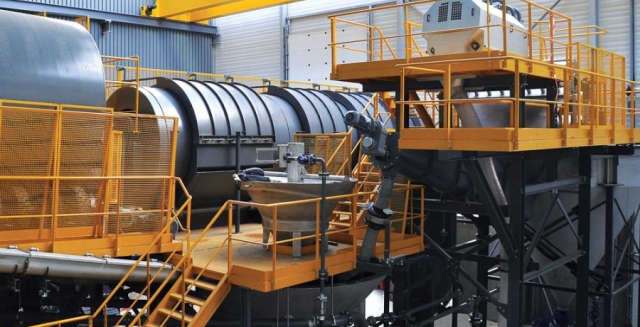
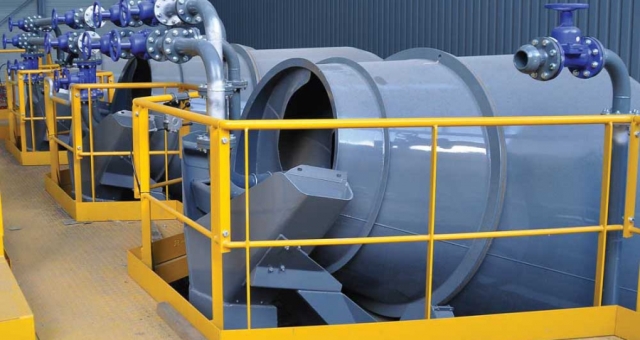
Magnetic Drum Separator: Dry drum separators have been developed mainly for dry separation of ferromagnetic ores with particle sizes finer than 20 mm. In addition to this conventional application, the dry drum separator has found a wide range of other applications such as:

  • Iron and steel slag treatment
  • Reduced pyrite ash separation
  • Calcined ilmenite production
  • Metal powder production
  • Supergrade magnetic concentrate production
  • Removal of ferromagnetic particles prior to high-intensity magnetic separation
  • Control of iron contamination in glass sand production.
Magnetic Drum Separator

Drum separator

Magnetic Drum Separator: Principle of operation

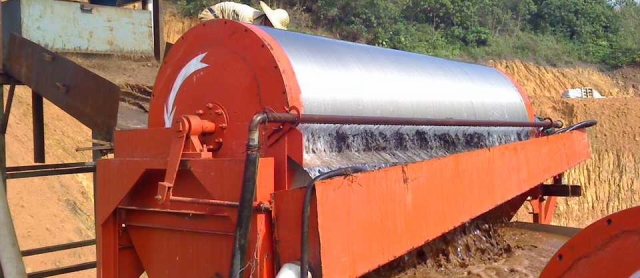
As material reaches the drum, the magnetic field attracts and holds ferrous particles to the drum shell. As the drum revolves, it carries the material through the stationary magnetic field.

The nonmagnetic material falls freely from the shell, while the magnetic particles are held firmly until they are carried out of the magnetic field.

Magnetic Drum Separator: Standard drum separator

For many years, Permanent Magnetic Drums have used ceramic or alnico magnet materials as their power source.

When built with designed circuits, these separators provide good magnetic fields for a nominal cost and effectively remove both tramp and fine iron contaminants in most applications.

They continue to be the magnets most frequently used to improve the product purity of dry bulk materials.

Magnetic Drum Separator

Drum type magnetic separator

Magnetic Drum Separator: Design magnetic Drum Separator

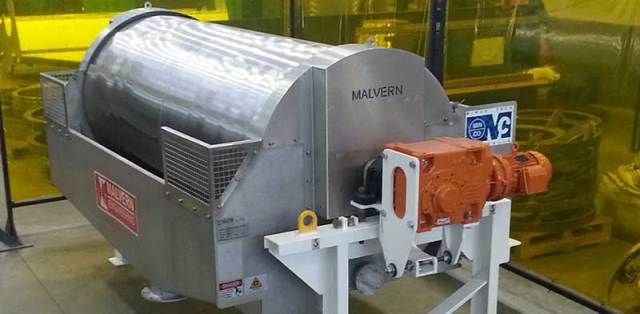
The dry drum separator consists of a stationary magnetic yoke with a number of permanent magnets placed inside a rotating drum of non-magnetic material.

The magnets have alternating polarity and are normally of strontium-ferrite. The revolving drum is made in two versions:

  • for low speed, stainless steel with a replaceable wear cover of rubber, polyurethane or stainless steel and,
  • for high speed, reinforced plastic with rubber or polyurethane wear protection.

The magnetic drum assembly is contained in a dustproof housing with an opening at the bottom for the discharge of both magnetic and non-magnetic products. These products are separated by means of a splitter placed under the drum inside of the housing. The whole unit can be dust vented by connecting the plant exhaust system to the outlet provided on the housing.

Parts of the housing exposed to wear are normally protected by replaceable rubber or steel wear plates. Inspection of the drum and housing is made through inspection hatches. The housing is easily dismantled for erection and maintenance.

The feed arrangement is dependant upon local conditions. For run-of-mine fines, a belt feeder is recommended. For other materials, a vibrating feeder, (or in the case of dusty material, completely covered drum feeders) can be used. The housing is equipped with a standard replaceable feed chute.

To meet the various requirements the separators are manufactured with two different drum diameters; i.e. 916 and 1200 mm and drum lengths from 300 mm to 3000 mm in. The separator design allows for an easy combination of drums into double- or triple- drum units.

Magnetic Drum Separator

Magnetic drum separator

Magnetic Drum Separator Application

Magnetic drum separators have a wide range of applications. They are used in free-fall chutes or after a vibratory chute for powders (even fine powders), granulates, fibers and coarser product streams (non-sticky). They continuously and fully automatically separate ferromagnetic (Fe) particles, such as iron and steel.

If the material is supplied via a vibratory chute, it is possible to separate weakly magnetic particles, such as particles from machined stainless steel, and even paramagnetic particles. Due to the continuous cleaning, the drum magnet is very suitable for product flows with heavy magnetic particle contamination.

Applications:

  • prevention of ferromagnetic or paramagnetic contamination in your finished product;
  • prevention of avoidable damage to machines (injection-molding machines, extruders, mixers, grinders, and other equipment).
Magnetic Drum Separator

Types of Magnetic drum separator

  • The standard magnetic drum separator is suitable for coarser raw materials in the plastics and ceramics industries.
  • The food/pharma drum magnets have been specifically developed for the food and pharma industries. They have a small capacity yet filter smaller Fe (and even weak magnetic) particles out of a product stream.
  • The LenaStar even filters out paramagnetic particles such as stones, mud, insect excrement, etc. from your dried raw materials (e.g. tea, spices).
Advantages of Magnetic Drum Separator

  • multiple designs, tailor-made to the application
  • high magnetic forces
  • high availability
  • low maintenance cost
  • various applications in recycling and scrap industry

Magnetic separator machine

Magnetic Drum Separator:Classification Schemes of Magnetic Separators

Various classification schemes exist by which magnetic separators can be subdivided into categories. The most illustrative classification is according to the magnitude of the magnetic field and its gradient.

  • Low-intensity magnetic separators (LIMS). They are used primarily for the manipulation of ferromagnetic materials or paramagnetic of high magnetic susceptibility and/or of large particle size. These separators can operate either in dry or wet modes. Suspended magnets, magnetic pulleys, and magnetic drums are examples of these separators.
  • High-intensity magnetic separators. They are used for the treatment of weakly magnetic materials, coarse or fine, in wet or dry modes. Induced magnetic rolls (IMR), permanent magnet rolls and drums, magnetic filters, open-gradient (OGMS) and wet high-intensity magnetic separators (WHIMS) are examples of this class of separators.
  • High-gradient magnetic separators (HGMS). These separators are used to treat very fine, feebly magnetic materials. A superconducting HGMS machine is shown in the next Figure:
Magnetic Drum Separator

Magnetic separation equipment

Magnetic Drum Separator: Magnets are also used in numerous special applications of material handling:

  • Separators with magnetic fluids, in which materials are separated mainly on the basis of their density.
  • Eddy-current separators for separation of nonferrous metals
  • Dense-medium separators, in which a magnet is used to control magnetic heavy medium.
  • Demagnetizing coils and magnetic flocculators.

Magnetic Drum Separator: Selection of Magnetic Separation Technique

As has been shown above, there are numerous types of magnetic separators, each one being suitable for only a limited range of applications. The choice is influenced by a variety of factors, and the successful operation of a separator depends, to a great extent, on practical experience. The particle size and magnetic properties of the material to be treated are the most important variables that determine the selection of the magnetic separation technique and the general guidelines of the process selection based on these properties are shown in Figure.

What is a magnetic drum separator?

What is a magnetic drum separator?

Magnetic drum separators have a wide range of applications. They are used in free-fall chutes or after a vibratory chute for powders (even fine powders), granulates, fibers and coarser product streams (non-sticky). They continuously and fully automatically separate ferromagnetic (Fe) particles, such as iron and steel.

What is the magnetic separation process?

Magnetic separation is a process in which magnetically susceptible material is extracted from a mixture using a magnetic force. This separation technique can be useful in mining iron as it is attracted to a magnet.

What is a magnetic filtration?

Magnetic filtration is the most effective means of removing problem ferrous particles from industrial fluids such as coolants, lubricants and wash solutions. All the benefits of Magnetic filters are based on their ability to remove 100% of ferrous particles including sub-micron particles from the process.

What is magnetic separation method for concentration of ore?

This method of separation is used when either the ore particles or the gangue associated with it possess magnetic properties. For example, chromite Fe(CrO2)2 being magnetic can be separated from the non-magnetic silicious gangue by magnetic separation.

The most read

More on this story

Forklift Magnet

Forklift magnetic sweepers, with releasable magnets, will make picking up metal debris a breeze.

Backhoe Bucket Attachment

The backhoe is the main tool of the backhoe loader. It’s used to dig up hard, compact material, usually earth, or to lift heavy loads, such as a sewer box.