Category Archives: construction equipment

Crane Simulator PC: Benefits and Advantages of Crane simulators

The fundamental objective in training is that its users learn to use real machines by minimizing the number of hours of practice in the real machinery, reducing labor costs and risks and that learning is done using a pedagogical plan for training.

The use of this technology is reflected in the results obtained, providing the following advantages:

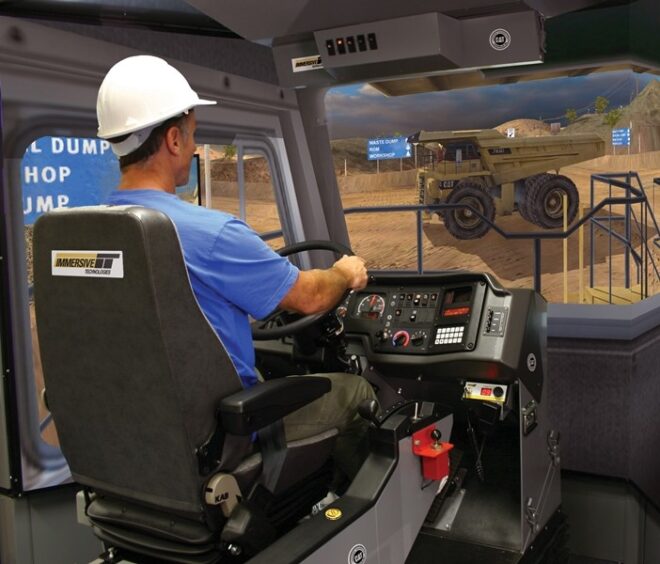
Crane Operator Training Simulator

Crane simulator

Computer simulation

Advantages of the Simulators: The simulation provides a practical alternative. With a computer simulation, you can study the impact of adding a new workstation to a production line without having to physically organize the workstation.

  • Low cost of training
  • I do not use diesel
  • No machine wear – Brakes, Clutch Wheels, etc.
  • Reduction of maintenance costs
  • Zero occupational risk index
  • Null indexes of damage to machinery
  • Availability of equipment for 7 × 24 training
  • Personalized individual training
  • Substantial increase in productivity.
  • Focus on specific areas of training, with the possibility of performing exercises repetitively.
  • Less time of use of the machinery outside of its productivity tasks.
  • Evaluation of operators, according to skills and learning curve.
Crane Operator Training Simulator

Crane training simulators

Training for experienced operators: The simulation allows you to analyze large complex problems for which analytical results are not available. In fact, most real-world problems fit into this category.

  • It helps to improve incorrect attitudes acquired with the daily routine.
  • Learning new maneuvers or new equipment.
  • Productivity increase.
  • Tool for certification.
  • Safety training:
    • Dangerous situations physically and mentally can be simulated
    • Undoubtedly, this experience will greatly contribute to the operator’s safety awareness.
    • Significant risk reduction.
Crane Operator Training Simulator

Heavy machinery training

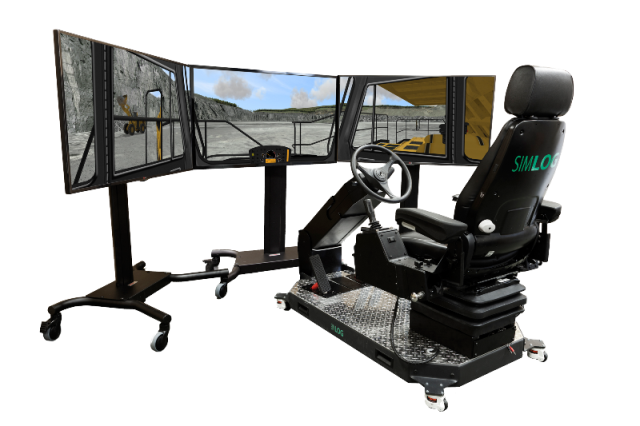
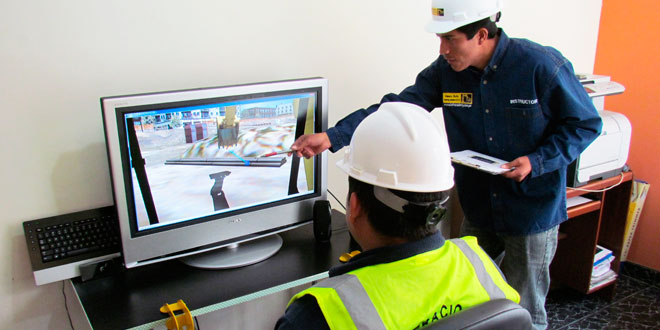
Instructor Station: The heavy machinery simulator course has a station for the instructor, from which the behavior of the student can be evaluated, identifying strengths and weaknesses. At the end of the practice, a report of the practice performed is generated. The instructor can create users to identify and store each of the reports of each operator. You can also organize users in different courses to have a greater organization of information.

Prevention of occupational hazards

Simulation As a Training Tool for the prevention of occupational risks. The training is, without a doubt, one of the prevention techniques of greater profitability in the prevention of occupational risks.

From the preventive point of view, training must be comprehensive, directed not only to achieve a change in attitude towards the prevention measures that must be adopted but also to achieve the desired change of aptitude to develop a certain job and carry it out safely.

The use of simulators in the training of workers is presented as a very useful tool when it comes to acquiring safe habits in the handling of the different equipment, at the same time as it supposes a reduction of costs in such training to enable the realization simultaneous internship by several workers and a greater time availability when performing them.

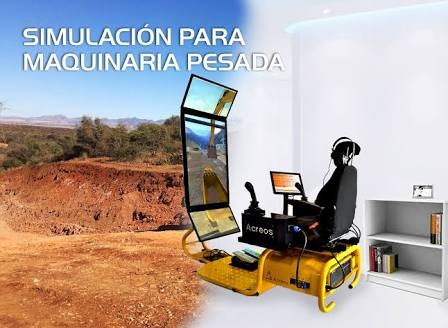
Crane Operator Training Simulator

Construction crane simulator

  • Heavy machinery courses
  • Construction crane simulator:

Always consider the possibility of accidents in the port maneuvers of loading and unloading merchandise, but a well-trained user can avoid accidents that can be fatal.

Wheel Loader simulator

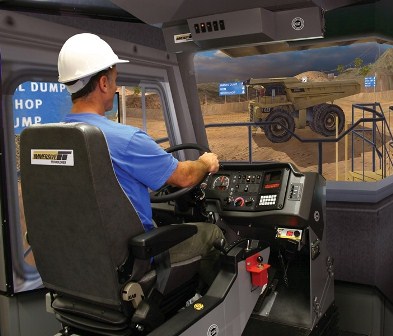
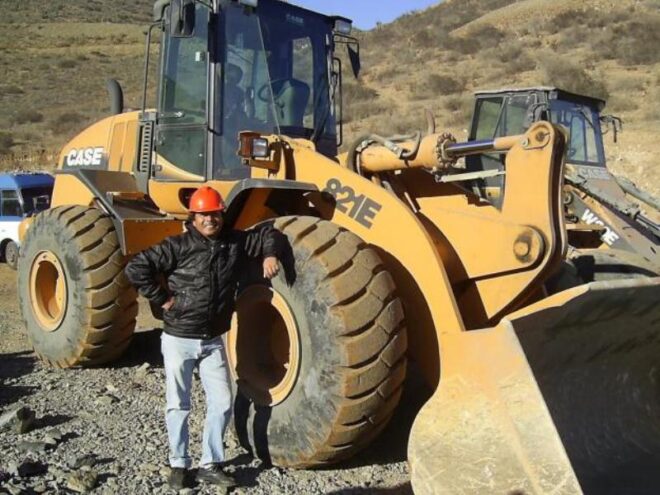
The Wheel Loader Simulator puts the students in charge of a wheel loader with a nominal capacity of 21.8 metric tons, operating together with a construction truck in a virtual quarry.

A total of eight simulation modules created under a pedagogical table of incremental difficulty are available, starting from the familiarization of controls to the truck loading with signage. For each simulation, key “performance indicators” are measured, which allow you to determine the productivity and quality of the simulated work.

Backhoe simulator

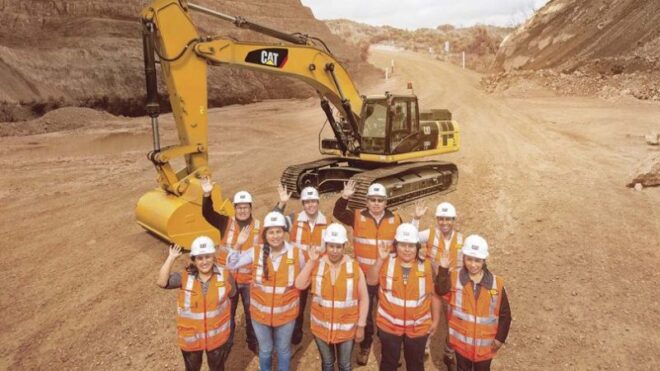
The Hydraulic Excavator Simulator puts students in control of a modern hydraulic excavator on a typical construction site. You can select either the SAE control configuration or the backhoe loader control configuration. A total of twelve simulation modules created under a pedagogical table of incremental difficulty are available, starting from how to position the bucket, to the practice of opening trenches and loading a truck.

For each simulation, key “performance indicators” are measured, which allow you to determine the productivity and quality of the simulated work.

Tower crane simulator

The tower crane simulator puts students in charge of a self-sustained tower crane. A total of six simulation modules created under a pedagogical table of incremental difficulty are available, starting from the roll control due to the turn, until the development of elevations in the presence of obstacles respecting the limits of the load tables.

For each simulation, key “performance indicators” are measured, which allow you to determine the productivity and quality of the simulated work.

Mobile Crane simulator

The Mobile Crane Simulator puts students in control of a typical hydraulic crane equipped with a telescopic boom, down, and a variety of hooks.

A total of six simulation modules created under a pedagogical table of incremental difficulty are available, starting from the roll control due to the turn, until the development of elevations in the presence of obstacles respecting the limits of the load tables.

For each simulation, key “performance indicators” are measured, which allow you to determine the productivity and quality of the simulated work.

Virtual reality

Virtual reality is generally used for young people’s bones, that is, in games. They are also applied in high complexity training, for example, training of pilots, paratroopers, etc.

Virtual reality leads us to create environments of any kind in a virtual way, which serves to investigate, observe and speculate on some issues, also creates test environments for example in the case of pilots of aircraft, machinery in situations of risk, etc.


Crane Operator Training Simulator

Crane operator training

Crane Simulators for Operator Training: crane simulators are ideal for organizations looking for a way to objectively assess crane operators and keep skills sharp.

Scalable to every training need and budget, crane training simulators provide the most thorough and realistic simulation-based training and assessment available today.

  • Practice exercises for accreditation testing are built into every crane simulator training pack.
  • practice testing allows trainees to go through the course and practice as much as they want without getting on a real crane.
  • This results in cost savings for organizations that have to pay every time one of their trainees takes the practical exam.

Heavy equipment simulator

Now is the perfect time to learn heavy equipment operations. Rising workforce shortages are creating strong demand for skilled heavy equipment operators. More and more students will be trained using the innovative technology of simulation!

Virtual reality is at the forefront of affordable PC-based simulation that takes students from the classroom to the virtual work-site as they develop real skills and valuable safety-conscious habits. There are many simulators for forestry, construction, mining, and material handling.

PC-based equipment simulators are a trusted and cost-effective way of improving traditional operator training programs in the mining, construction and forestry industries. They provide vital hands-on experience to trainees in a safe, instructional designed environment.

These simulators leverage the power of today’s PCs and laptops to help train new operators on common machine tasks. They have been proven to reduce training costs, increase operator productivity, and help minimize the safety risks associated with operator inexperience.

Crane simulator training

Adapting the training to the tech-savvy youth of today is an important key in recruiting the next generation of craft professionals. One tool that is becoming widely utilized in the construction industry is the use of simulators.

Simulators allow trainees to react to and learn from test conditions that are likely to occur in real-life, with the added benefits of increased safety while training and decreasing wear on equipment.

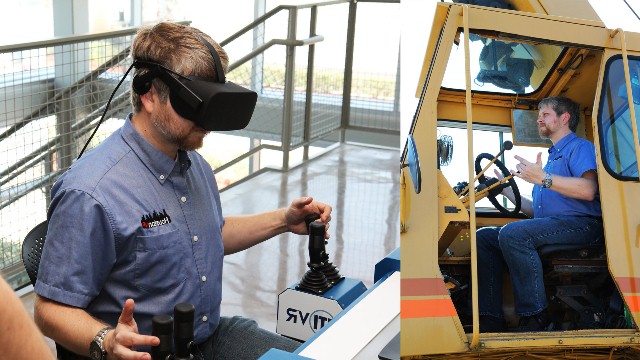
Crane Operator Training Simulator

Vortex crane simulator

The Vortex Advantage is an immersive training simulator with a plug-and-play training platform that is scalable to training needs and customizable to the crane fleet. CIS recently added a new portable crane training simulator to their toolkit. The Vortex Edge Plus, produced by CM Labs Simulations, is designed for simple transport and set-up.

“With a simulator, one person can be trained much faster and more economically than in the cab of a crane.” In fact, the simulator-based training reduces the man-hours to train to a 4:1 ratio and does not require job site supervisors or rigging crews for the training exercise or valuable equipment time.

“The desktop-style simulator is portable, making it easier for training organizations to bring simulator training to their clients’ locations,”

“It is equipped to run any CM Labs training module, which includes mobile cranes, tower cranes, forklifts and earthmoving equipment.”

The instructor handles the technical side of the machine and can simultaneously coach the trainees. The self-guided programs are progressive in nature and capture operator metrics, for valuable feedback.

Construction simulator

A crane operator would pick up skills more quickly with a simulator. “There are more things he can be aware of, and different skills that can be taught, in that situation,” he says, noting he’s spent 20 years in crane operations in the field and has worked around cranes of all types. “Your initial fears of being in a crane and the risks involved in operating heavy machinery — you take that risk factor out when you practice using a simulator, and you avoid the chance of damaging the equipment.”

Illustrating that point exactly, a customer utilized the cab-style simulator to prepare for a rough-terrain crane practical exam for crane operator certification. The operator had several months of job-related experience before starting the training. After spending about 40 hours on the Vortex simulator and 10 hours on an actual crane in the yard, the operator was able to pass the practical exam on the first try.

Port crane simulator

Training simulator offers a fast track to efficient and safe crane operations. It enables training of operators for both remote and cabin based crane operation in an authentic environment – as close to real crane operation and realistic conditions as it is possible with simulation.

Simulator based training has proven to be an efficient way of training personnel for various tasks.

With crane simulator, the port crane operators learn to operate container handling cranes efficiently, in a safe environment with no risk for accidents and damage to equipment or goods.

Using port crane simulator simplifies planning and scheduling of the training. For instance, in case of new cranes, the training of operators can be conducted already before the cranes at the site are commissioned, or even arrive at the terminal. The majority of the training can be done with the simulator, which significantly reduces the training needed with real cranes before the operator starts working in production. Thus the real cranes remain available for production while the operators perform their training.

In addition to training, the simulator provides efficient means for pre-assessment of operator candidates when recruiting new operators.

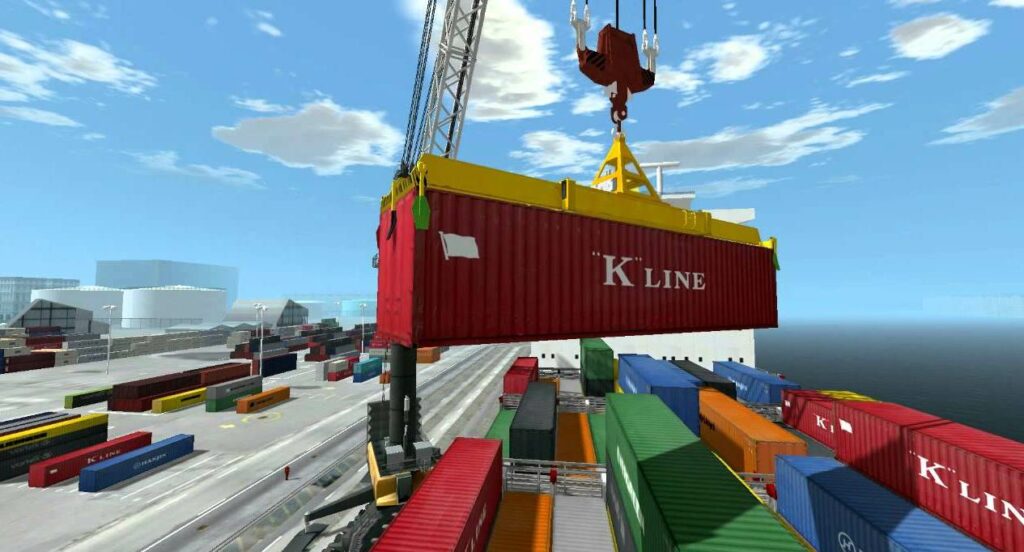
Crane Operator Training Simulator

Crane Operator Training Simulator

What is a crane simulator PC?

The Crane Simulator Training Course is a comprehensive training tool. It covers the entire process from lifting cargo to familiarizing yourself with complex controls and maneuvers, such as lifting steel structures, working on buildings, and working around power lines.

What is the use of simulator?

Simulator: Computer program (such as a game or animated flowchart) or a dedicated device that models (simulates) some aspects of a real life situation (such as flying an aircraft) and can be manipulated to observe the outcomes of different assumptions or actions, without exposing the experimenter to any danger or risk.

How Much Does Enrolling in a Crane Operator School Cost?

Well, there is no accurate answer to this question as the market is constantly changing. The tuition also varies depending on the comprehensiveness of the training course.
But to give you a rough estimate of crane training prices, many schools offer complete courses for the cost ranging from $1,500 to $2500, depending on the type of crane you want to get certified in. The school you’ve chosen may offer an additional cost for practical training with their instructor on standby at an hourly rate of $80 to $120.

Should I become a crane operator?

If you are considering getting a job as a crane operator and you don’t have prior education, where do you think the best way to take to get into this profession?
You might be thinking of going into enrollment with a crane operator school. And you’re absolutely correct and you’re taking the right path.
We strongly recommend everyone to get professional training from a school that is NCCCO-accredited.
Formal training is not required by NCCCO. But for you to have an edge passing the NCCCO certification, it is highly recommended to have such training by enrolling in a course offered by the school.

The most read

Mining equipment

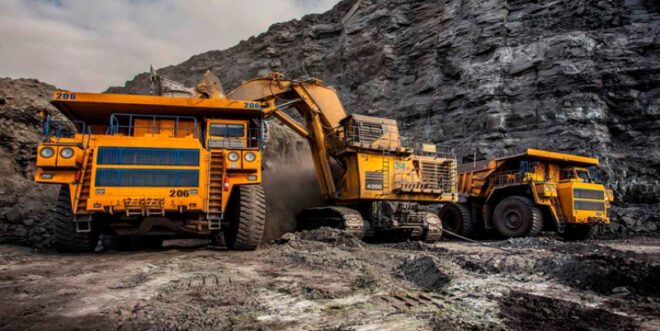
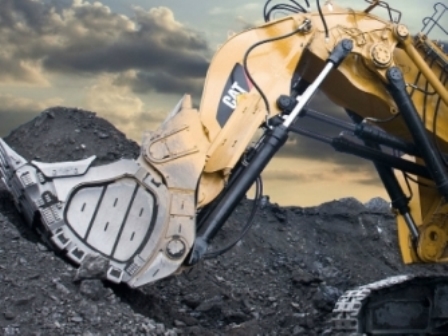
Mining is the extraction of valuable minerals or other geological materials from the land of a deposit. For this extraction to be done efficiently, we need machinery specialized in mining.
More on this story

Mining equipment manufacturers

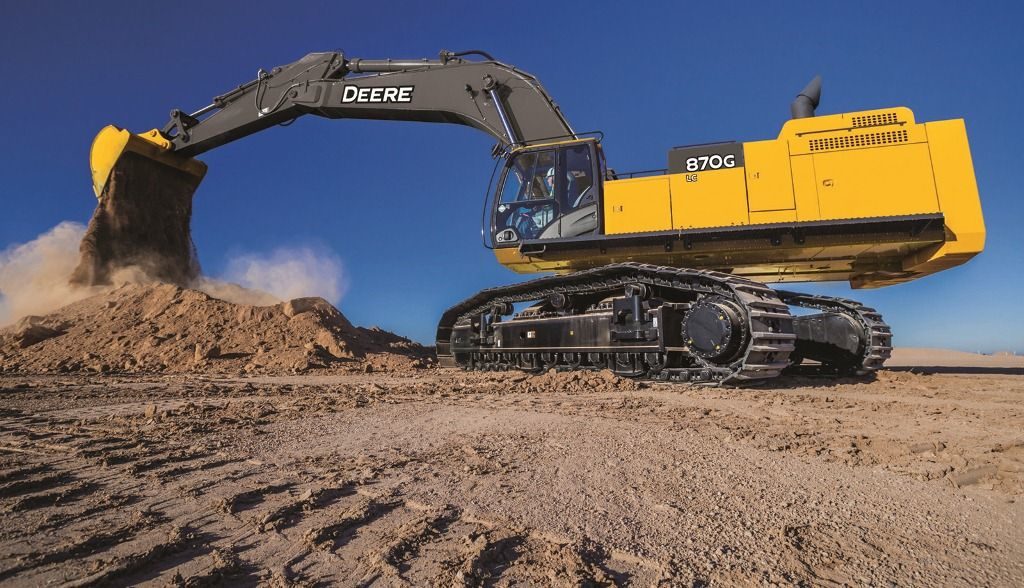
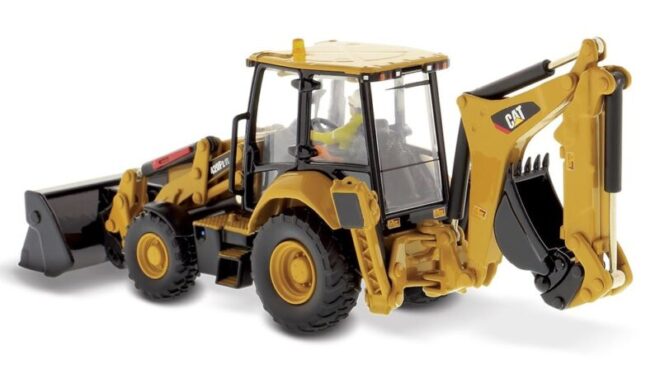
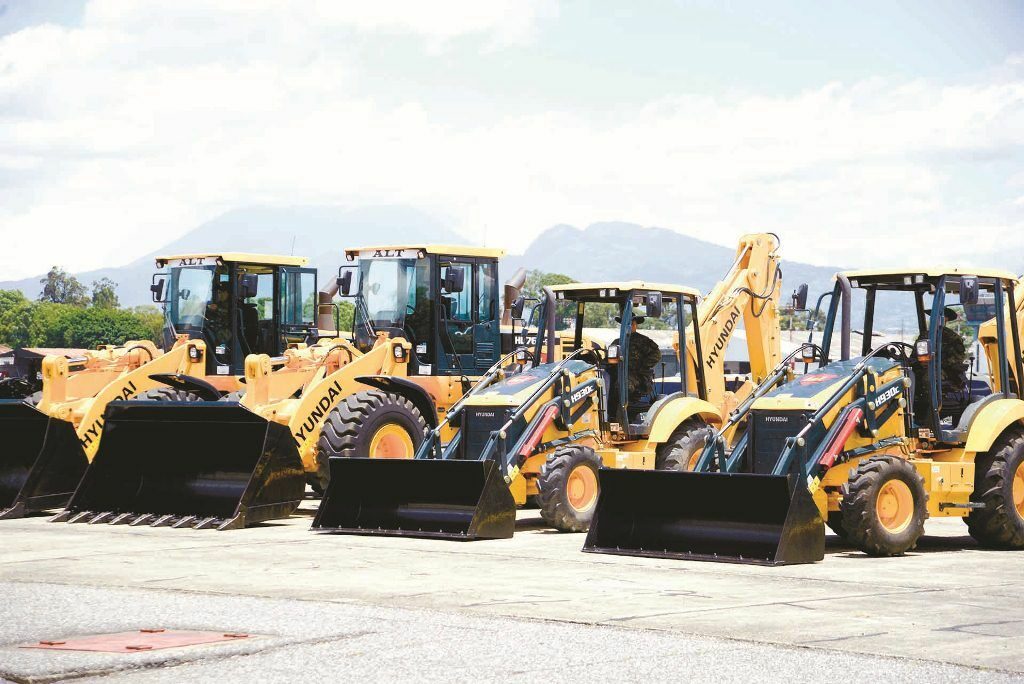
Construction and mining equipment cover a variety of machinery such as hydraulic excavators, wheel loaders, backhoe loaders, etc.

Crane Rental Prices per day and 6 Factors affect rental cost

Before we get to the heart of the data from the confidence survey on crane rental this year, we would first like to thank everyone who provided their comments.

With this confidence survey, we are using our resources to provide an image of the global crane market, as well as a glimpse of what the future may bring. No one knows your industry better than you.

Construction machines

This year the response was excellent, with the majority of respondents from the Middle East, Asia Pacific, Australia, New Zealand, and North America.

We also have representatives from South Asia, Europe, Turkey, the Commonwealth of Independent States (CIS) and Central and South America.

To the results; Compared to last year, it seems that very little has changed in terms of companies’ perceptions of current business conditions.

Most respondents still think that business conditions are improving, followed closely by those who think that conditions are stable.

Equipment rental

Conditions of business in construction:

  • Improving 44%
  • Stable 39%
  • Deteriorating 17%

The number of people who think that conditions are improving is 44%, only 1% more than last year. There was also a slight increase in the percentage of companies that reported that business conditions remained stable, by 4%, to a total of 39%, while the number that says that business conditions are deteriorating decreased compared to the figure last year, 5% less, to 17%.

What underlines this growing positivity in the general business environment is the results that directly compare the commercial activities of the companies in the last 12 months.

How does your business compare compared to last year?

  • Improving 58%
  • Stable 20%
  • Deteriorating 22%

Here, the majority of respondents, 58%, indicated that their business activities had improved. This is a huge increase of 28% on last year’s figure.

A fifth (20%) of the respondents reported that their business activity remained stable, a decrease of 29%, due to the increase in the numbers who believed that things had improved, and there was an increase of only 1% in the that reported a deterioration in business (a total of 22%).

Therefore, the scales seem to be tilting in the right direction, although complacency should be avoided since 22% is still a considerable percentage.

Construction companies

What are your expectations for business levels in the coming years?

  • Improving 58%
  • Stable 36%
  • Deteriorating 6%

Continuing with this vein of optimism, expectations for business levels in the coming years are high:

  • 58% of respondents believe that companies will continue to improve. This is 10% more than last year.
  • However, optimism compares closely with a considerable number of more cautious respondents where: 36% thought that business levels would remain stable (almost identical to last year’s figure of 35%);
  • Following this trend, only 6% expect business levels to deteriorate. This is much better than last year’s result, where 17% predicted a decrease.

What will be the level of capital expenditure in your fleet next year compared to this year?

  • Greater 43%
  • Same 46%
  • Lower 11%

Building Companies

In the next year, will your company increase or reduce the number of employees?

  • Increase 51%
  • There will be no changes 40%
  • Will reduce employees 9%
  • In line with this, 51% of companies plan to increase the number of employees,
  • with 40% without predicting any change, and the same number as last year,
  • only 9%, hoping that the number of employees in your company will be reduced in the next year.

This contrasts with last year when only 22% of respondents said they expected the number of employees to increase. However, despite the modest optimism, some family complaints emerged in the comments section of the survey.

Renting Construction Equipment

An anonymous respondent from a family-owned crane rental company stated that the greed of larger rental companies threatens to upset the balance. “In Ireland, the rental of mobile cranes is just a race to the bottom,” he wrote.

“And the contract lift is a joke, the larger companies are cutting rates, killing small businesses.”

The low rates also caused discontent for a respondent in Pakistan, but for a different reason. “Here in Pakistan, the rental market is very difficult,” he wrote. “Most of our customers prefer low prices instead of security.

This makes it difficult for us to compete as we try and maintain safety standards as our priority. “This preference for low price over security is one of the main reasons why rental companies prefer to buy old models instead of new models.”

Another respondent also from Pakistan added: “With the introduction of Chinese cranes in the market, the investment has gone from old used cranes, such as Kato and Tadano, to new ones, such as Sany.”

Equipment Leasing

Review of the rental rate

Given the improved optimism that was highlighted earlier, the increase in market confidence seems to have translated into higher rental rates for all types of cranes in the last 12 months.

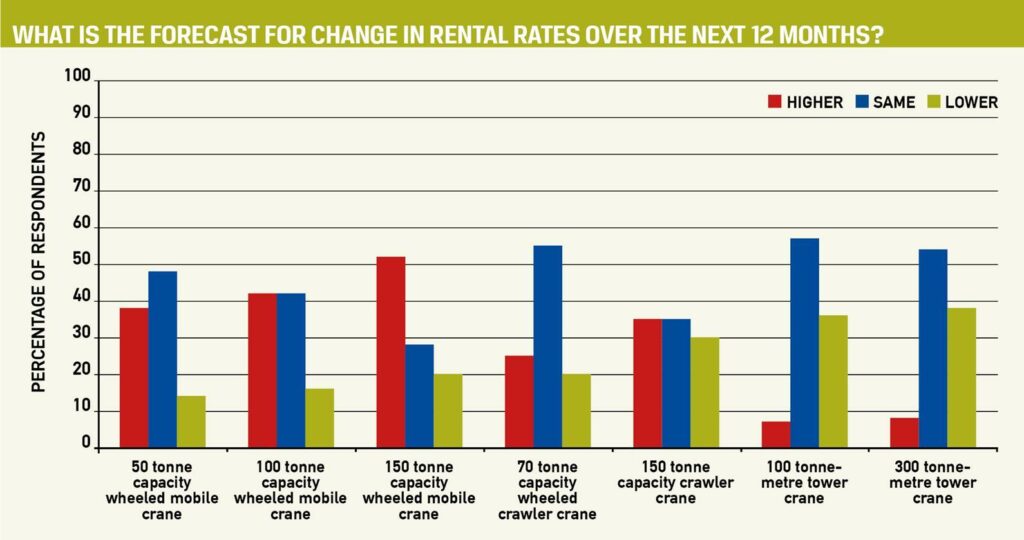
What is the forecast for the change in rental rates in the next 12 months?

In the sector of mobile cranes with wheels, the number of companies that said that the rates of cranes of 50 tons of capacity increased by 16%, from 22% to 38%.

There was also a 24% increase in the number of respondents who said rates were higher in the sector of mobile cranes with wheels of 100 tons capacity, from 18 to 42%, while in the capacity class of 150t, 33% more companies said they are now loading

Higher rates compared to last year’s figures. In the crawler cranes sector, we examined the capacity categories of 70 and 150 tons, where 16% and 26% of respondents said they had increased prices.

And in the rental of tower cranes, last year none of the companies operating in the 100-ton-meter sector said it had increased rental rates, while this year 7% said rates had increased.

The only category that opposed this trend was the tower crane segment of 300 tons per meter, where only 8% of respondents in this year’s survey received higher rates compared to 25% from last year’s survey.

Crane Rental

Forecast of the rental rate

Looking forward to the next 12 months, most rental companies said they plan to keep their rates the same. Among the companies that plan to increase or reduce rates, there are more plans to increase them than to lower them.

This was, in general, the trend also demonstrated last year. Looking more closely, we can see that in the category of mobile cranes with wheels only some small changes have been made compared to the figures of last year.

  • In the capacity category of 50 tons, 34% of companies forecast higher rental rates in the next 12 months, a decrease of 7% over last year.
  • In the 100-ton category, 38% forecast higher rental rates in the next 12 months, an increase of only half a percent from last year.
  • And in the sector of mobile cranes of 150 tons, 42% predicted higher rates compared to 40% last year.
  • In the crawler cranes sector of 70 tons, 33% of respondents forecast higher rates, the same number as last year,
  • While in the 150-ton category, 32% predicted higher rates compared to 33%.

In the tower crane sector, a smaller number of respondents said they planned to increase rates this year, since 8% of the two sectors surveyed predicted high prices, compared to:

  • 16% in the category of 100 tons per meter and
  • 28% in the category of 300 tons per meter.

Uses of crane

Utilization:

  • Stable 60%
  • Improving 31%
  • Deteriorating 9%

The answers to our usage questions showed that the

  • The majority (60%) of the owners consider that the use of fleet time is stable. This followed
  • one (31%) who thinks that the use is improving, and
  • the rest (9%) believe that it is deteriorating.

In general, this is a steep increase of 24% in those who think that utilization is stable compared to last year.

Mobile crane

When observing the changes in the utilization during the next 12 months, in the sector of mobile cranes with wheels, the respondents in all the categories think that the rates will be higher:

  • 57% in the 50-ton capacity sector
  • 52% in the sector of 100 tons and
  • 48% in the sector of 150 tons.

This is higher but not much, than last year’s figures (50%, 47%, and 43%, respectively).

Crawler crane

In the category of crawler cranes, the number of respondents who said utilization rates will improve in the next 12 months has also increased:

  • a capacity sector of 70 tons has increased by 7%, up to 47%; Y
  • a capacity sector of 150 tons has increased by 4%, up to 42%.

Tower crane

However, tower cranes are opposed to this trend, since there are fewer rental companies that expect higher utilization rates in the next 12 months compared to last year.

  • the sector of 100 tons-meter has decreased by 6%, to 27%,
  • the sector of 300 tons-meter has decreased by 14%, to 36%.

But this is not necessarily bad news since the change was offset by an increase in the responses indicating that the rates will remain the same instead of decreasing.

In fact, in general, the percentage of respondents who said utilization rates were lower decreased compared to last year.

World economy

When reviewing the results of this year’s rental confidence survey, it seems that the general trend of cautious optimism identified last year continues, perhaps tempered by recent negative economic experiences and uncertainty for the future.

It will be interesting to see how this develops during the year before the next survey.

Construction equipment rental prices

Benefits of Renting Construction Equipment

Renting construction equipment has increased in popularity for a variety of reasons. A few key contributors to the growth of equipment rentals include the rising cost of purchasing equipment, and an unpredictable market, which has forced construction companies to find ways to save money wherever they can.

In many instances, renting has become a viable option for many companies, and provides them the ability to cut costs and run a more financially stable construction business. Here are some benefits that your company will see if you decide to begin renting construction equipment.

Repairs and maintenance expense

Less Maintenance and Repair Costs: When you own equipment, you also have to consider the cost of maintenance and repair. Although maintenance and repair are still important for rental equipment, costs will be significantly lowered compared to purchased equipment.

Vehicles and heavy machinery still require significant upkeep and maintenance in order to operate safely and at an optimal level. When purchasing equipment, companies must consider the maintenance and repair costs as well. With rentals, the time and labor costs associated with maintenance and repairs are lower and more manageable.

Rather than worrying about maintaining a piece of equipment for its entire life-cycle, leasing removes this extra stress from your already busy schedule. Equipment rentals allow you to focus on the near future rather than taking the time to plan out a long-term maintenance plan.

Initial purchase price

Avoid the Initial Purchase Cost: Purchasing brand new construction equipment is extremely expensive and can make a huge impact on how your company’s budget. Moreover, purchasing equipment is a long term investment that ties you down to particular equipment items. Renting or leasing equipment avoids the upfront costs associated with purchasing and allows businesses to better allocate their financial resources.

Project specific vs wrap up

Project-Specific Rentals: Typically, construction companies are balancing a number of projects at once. Rather than incurring logistical costs of transferring equipment and sharing them among multiple jobs, consider renting specific pieces of equipment for particular projects. This eliminates any logistical delays that you may experience and provides each Jobsite with the appropriate resources to get the project finished in an efficient manner.

Market fluctuation

Shielding From Market Fluctuation: The construction sector is dynamic and many things may influence the market. Rising or sinking costs of equipment or the number of jobs available are all out of your control. Renting equipment is able to cushion your company from any unpredictable financial downturns that may arise. Rather than committing to a piece of equipment, leasing allows for a flexible option that makes it easier to handle the rise and fall of market forces.

Straight line depreciation

No Depreciation Costs: When you own machinery, you incur considerable depreciation costs. Reselling equipment, and maintaining it as long as possible, requires quite a large investment on top of your upfront purchase. As value continues to depreciate, it makes it more difficult to recover the cost of your initial investment. Although all companies operate differently, consider renting construction equipment to avoid losses associated with depreciation. To better manage depreciation and other issues that may arise, see how construction software can help maximize utilization.

Storage equipment

Solve Equipment Storage Issues: With owning equipment, companies must-have storage solutions in place to keep equipment when it is not in use. Equipment that is not stored properly or exposed to harsh weather condition may depreciate faster. Additionally, warehouse or storage space is an additional cost for construction companies. If you negotiate with vendors or suppliers regarding how long you need a rental, your company may not need to worry about long-term storage. This saves you the time needed to plan out the logistics, as well as the cost of storage. Furthermore, warehouse costs can be extremely high, especially if you have a fleet of machinery. In contrast, leasing has the ability to take this inconvenience away.

Transport logistics

Renting equipment saves you from having to transport machinery to project sites. Transportation can take a long time, affecting the productivity and efficiency of a project. Moreover, the time spent waiting for equipment can cause delays and impede the progress already made on job sites. Renting allows you to avoid this burden and provides a more reliable equipment option by keeping pieces onsite.

Heavy equipment rental

How much does it cost to rent an excavator?

The rental cost of an excavator is dependent on several factors including the location of the construction site, the make, model, and size of the excavator, and the length of time that the equipment is being rented for. Generally speaking, excavators can cost anywhere from $150 to $1500 a day.

How much does it cost to rent a backhoe for a day?

Renting a backhoe for do-it-yourself use typically costs $100-$200 for half-day or full day rental of a small or mini-backhoe; larger models typically rent for $200-$350 or more a day or $500-$1,500 or more for a week.

How do you calculate equipment rental rates?

To calculate a rental, you would multiply the total cost of a piece of equipment x 5%/month x 13 x 80% to arrive at the estimated annual rental dollars a rental company wants to achieve. By doing this, they would generate a 35% to 40% gross profit, which includes maintenance, insurance and the limited fuel they fund.

How much does it cost to rent a bulldozer?

If you need to rent an 80 hp bulldozer on a weekly basis, this will cost you around $1,540 and the monthly rate for the same bulldozer will be around $4,600. If you want an 80 hp bulldozer with wide tracks, this will cost you $630 for a daily rental, $1,700 for a weekly rental and $5,000 for a monthly rental.

The most read

Hydraulic Excavator

Hydraulic Excavator: brands and models, characteristics, the capacity of the bucket, how to operate a construction machine, types and models. Construction crane

More on this story

Crane Simulator

Heavy Machinery Simulator: What is the methodology, how a course for heavy machinery is developed. Programs and software for cranes and lifting.

Heavy Equipment Maintenance

The management of construction machinery and equipment is a difficult task. Those responsible for the mechanical equipment must make complex technical and economic decisions about the destination of the machines they are responsible for.

These decisions include issues related to acquisitions, maintenance, repairs, reconstructions, efficiencies, costs, forecasting internal lease rates, availability, reliability, replacements, and asset disposals.

The construction companies of the international level are immersed in what is called “World Class Maintenance”, which means having policies to perform daily work tasks with good practices both in the administrative field and in the technical field.

Within the maintenance of the equipment, there are two highly evaluated indicators, which are Mechanical Availability (DM) and Reliability (R).

In this paper, we deal with issues related to good practices of equipment maintenance, as well as the meaning and way of evaluating the aforementioned indicators.

Construction Equipment Maintenance

Theoretical bases on equipment management

There is enough documentation on theories of maintenance management, its procedures, objectives, and benefits.

We will present some of them, which are considered useful for the approach that is required for the present work.

“The maximum performance of a piece of mining equipment depends primarily on three critical factors: the design of the product, the application in which it is used, and the maintenance it receives during its service life. To some degree, these factors can be controlled, but some much more than others. “

This thought can also be applied to all construction equipment since the machines and the work done are very similar.

The demands in the mining field are greater due to the type of material and volumes that move, but the principles of caring for the machines and the results that this provides are the same.

Predictive Maintenance

We will begin by citing two definitions of maintenance, which I think bring together the essence of the same thought.

“Maintenance is a set of technical activities, direct application, structural and economic control that aims to make the useful life of facilities, machines and buildings as large as possible, which allows the value of investments to remain active during the amortization time and even after “

“When we talk about mobile equipment, preventive maintenance can be defined as an organized activity whose objective is to maximize the service and economic value of the machine. These activities begin with the acquisition of the machine and continue throughout his life… “

We see, then, that the main idea is to keep assets in productive condition, but at the same time, it tells us that the value of investments must have economic control, in order to maximize profits.

Project Methodology

This implies that maintenance systems must have a methodology and must use appropriate tools to achieve their objective. In this sense we can mention the following:

“The challenge of managing high costs, capital intensive, mobile equipment, is being achieved, incorporating new systems and emerging technologies. These technologies are contributing to better and direct use of each asset during its useful life and are placing emphasis on the management of operating costs and preventive maintenance “

“Without an adequate monitoring system, it is impossible to capture the necessary information to effectively manage it in a unit. According to the old axiom ‘If you can not measure it, you will not be able to handle it’, it is important to follow up and activities of the teams as well as to qualify and categorize their use “

Modern Industries

The constant search for efficiency and competitiveness confronts modern industry with new and greater challenges. Construction is not immune to this challenge and must constantly develop, refine and modernize its construction processes, involving these teams and personnel in these changes.

Currently, equipment is used in more severe applications, so equipment manufacturers respond to these changes, incorporating in their designs technological advances in the area of ​​productivity, operation, and control of this equipment.

The personnel (operators, technicians, engineers, administrative staff), face a constant update to work with advanced technology equipment in this environment of high demand.

Information systems

More efficient and larger equipment and capacity, as well as the incorporation of electronics and computing in their systems and mechanisms, are just some examples of these changes.

In this environment of high demand, team management plays a fundamental and increasingly important role in achieving the final objectives, which are low operating costs and high productivity.

Maintenance system

Experience indicates that there are fundamental functions to be considered in the structure of a Maintenance System. They are:

  • Preventive Maintenance
  • Monitoring of conditions
  • Pending repair management
  • Administration of components
  • Repair services in the workshop and in the field
  • Repair history record
  • Analysis of management results
  • Problem management

These eight functions support successful maintenance management.

Industrial maintenance engineering

The same point of view we have in the expressions of a company director:

In a competitive environment, with equipment of high technological level, it is necessary to perfect the methods of how to execute maintenance effectively.

Qualify within what is called WORLD CLASS MAINTENANCE, means being organized, to combat the costs of inefficiency, making us a valuable contribution to the production of the company.

The areas that constitute the basis of maintenance excellence are:

  • Organizational aspects
  • training
  • Work orders
  • Planning and programming
  • Preventive Maintenance
  • Purchases and stock Management information.
  • Maintenance automation

Planned Maintenance System

This will allow us to go from emergency maintenance to planned maintenance, it allows us to achieve:

  • Reductions in the cost of maintenance and unavailability,
  • Reduction of unexpected stops,
  • Reduction of the time of the repairs, increase of the useful life,
  • Increase in sale value, increase in production and increase in profits,
  • Effective support for the preparation of budgets.

Maintenance Manager

The characteristics of the team leader are clearly indicated in the following article:

“The efficiency and effectiveness of the fleet in your organization is the sole responsibility of one person: you. (referring to the equipment manager). Therefore the necessary skills for fleet management involve more than just oil change and engine repairs.

Today’s equipment manager must be competent in human resources, technology, life cycle costing, negotiation, spare parts and installations management, benchmarking and safety and environment, to mention a few. And all those skills contribute to the organization of your company, now more than ever. “

The foregoing, then, suggests that the profile of those responsible for the equipment of the construction companies be professionals in mechanical engineering and also have master’s degrees in business administration with knowledge of finance, as well as being a professional with a solid base technical, must have administrative basis with a different vision of maintenance management.

This implies having knowledge about personnel management, labor laws, procedures, organization, operations scheduling, etc.

Management results must be given and you must know how to perform an economic analysis of investment in equipment and machinery.

Heavy equipment maintenance checklist

Part of an effective PM program is identifying potential causes of machinery breakdown. By identifying potential causes of failure before they occur, you can save hundreds or thousands of dollars and maintain consistent workflows.

There are three types of machinery failure. Their causes and solutions are listed below.

  • Sudden failure is when machinery breaks without warning. Usually, the reason is obvious. The part is then fixed or replaced, and the equipment is returned to service.
  • Intermittent failure happens sporadically. This stoppage happens randomly, and it can be difficult to identify the cause. Intermittent failure is frustrating, costly in downtime and usually, can be prevented by anticipating the cause and addressing it during maintenance.
  • Gradual failure is entirely preventable by doing routine maintenance and inspections. Wearing parts and components are noted to be near the end of their lifespan and are replaced before the failure occurs.

Heavy equipment maintenance software

Types of mechanical failure

These three types of mechanical failure are almost always due to one of three main causes:

Thermally-induced failure is where extremes in temperature cause breakdowns in the equipment. This usually happens during large temperature fluctuations such as when a machine is being started in cold weather and is being warmed up. It also occurs when equipment is overheated. Extremely hot or cold periods can be prepared for during maintenance, and thermal failure can often be prevented.

Mechanically induced failure is easy to recognize. It’s also easy to prevent by making sure machinery components are maintained by replacing parts when needed, lubricating as required, and tightening fasteners, as well as ensuring moving parts are properly aligned. Mechanical failure often happens due to overexertion, vibration, shock, collision, and operator abuse.

Erratic failure is the most difficult to predict and detect. This occurs at random times and under varying conditions. Most erratic machinery failures are the result of sudden overloads on hydraulic or electrical systems. With electronic components, many erratic failures come from software or hardware malfunctions that are preventable by using diagnostic equipment during regular machinery maintenance.

Anticipating failure is at the heart of all preventive maintenance programs. Thorough knowledge of your machinery’s systems is the key to anticipating what’s likely to fail if proper maintenance is ignored. Preventive maintenance agreements help you anticipate and predict problems before they leave your equipment inoperable.

Heavy equipment inspection

We’ll go over the benefits of proper heavy equipment maintenance and inspections.

Pre-operation checklist for heavy equipment

By conducting thorough equipment inspections, your operators are ensuring that the necessary components are in working order. Malfunctions caused by manufacturer errors are sometimes unavoidable, but conducting inspections of heavy equipment on a regular basis is the best way to detect potential issues.

Some of the most important components and systems to check to include:

  • Oil level
  • Coolant level
  • Gauges and meters
  • Tires or tracks
  • Battery
  • Fuel

Try using equipment maintenance software that will enable your operators to log inspections electronically. This will allow you to easily track your records and assign tasks for heavy equipment maintenance repairs.

The heavy equipment maintenance schedule

Heavy equipment maintenance can limit safety issues: When focusing on daily objectives, risk management can be easily overlooked. However, being compliant with The Occupational Safety and Health Administration (OSHA) is only a partial reason for maintaining equipment and your work zone safety.

Employee safety is the premier concern for any business. Manufacturing and construction businesses are no different. After all, they are some of the most dangerous industries to work in.

Not all operators work entirely in a safe manner.

That’s why proper inspections and regular heavy equipment maintenance is so important. Through routine equipment maintenance, you exponentially limit the potential for a serious accident to occur.

Lifespan equipment

Increase the lifespan of your equipment: Heavy equipment for construction projects doesn’t come cheap. Even a used Caterpillar 924K wheel loader can cost over $100,000. Similar to vehicles, once you’ve purchased equipment, the value plummets from the moment you first use it.

Those purchases need to show a return on investment, and the more use you’re able to squeeze out of equipment, the higher the rate of return will be.

Routine maintenance is the best way to increase the longevity of your heavy equipment and keep your equipment running longer and more efficiently.

Equipment dealers

Minimize the need for a replacement: Equipment costs aren’t the only potential hindrance to your operation. Time is not on your side when it comes to purchasing new equipment. It isn’t as easy as picking up a few items from the hardware store.

Instead, you have to work with a local equipment dealer or find a reliable online marketplace that sells used equipment.

Local dealers might not have the same equipment specifications as your now broken-down equipment had. That could force you to order it from a dealer that isn’t nearby, thus adding costs and time to account for delivery.

The same issues could arise when ordering used the equipment, which is sourced from any number of locations. A matching piece of heavy equipment might be sourced from a different region of the country and force you to coordinate shipping, compounding downtime.

Not to mention, you’ll want to do your due diligence to ensure the used equipment is in good shape and won’t lead to future issues.

Construction Equipment maintenance plan

No matter how levelheaded you are, work-related stress is unavoidable. Trying to manage a worksite and a group of operators is no easy assignment. Add in the lingering concern about the health of your equipment and the burdens seem to compound.

If you haven’t developed a maintenance plan and do not utilize equipment maintenance software to assist, the gloom of potential issues should spark a sense of urgency.

Added stress worrying about your equipment is unnecessary and frankly, somewhat avoidable. At the end of the day, having peace of mind that your equipment is operating properly without fear an issue arising is nearly priceless. Risk aversion is a precious commodity and heavy equipment maintenance can be one of the most important rungs in the ladder of success for your operation.

How to prevent machine breakdown?

Prevent breakdowns and downtime: The underlying success of a manufacturing or construction business hinges on the reliability of its equipment. Undoubtedly, there are many more factors that comprise a successful operation, yet few can cripple productivity quite like equipment breakdowns.

Essentially, it becomes a trickle-down effect bottlenecking the entire chain. If your equipment isn’t functioning properly or forced out of service, then your operators are bottlenecked from completing tasks, thus lagging completion timelines and adding undesired pressure to meet deadlines.

The downtime then causes delays and can even compromise your perceived reliability for future projects. Without a plan for regularly scheduled heavy equipment maintenance, you could be setting yourself up for inevitable issues. It’s best to be proactive in your approach to equipment maintenance.

This includes having a plan for basic repairs and maintenance when certain milestones like operating hours or odometer readings pass certain levels.

Why is construction equipment maintenance important?

What is the difference between preventive and predictive maintenance?

Preventive Maintenance (PM)
Predictive Maintenance (PDM)
The difference between Preventive and Predictive Maintenance is that Preventive Maintenance tasks are completed when the machines are shut down and Predictive Maintenance activities are carried out as the machines are running in their normal production modes.
With PM and PDM systems – as in all systems and processes of work – there are the Who, What, When, Where and Why questions to answer before any actual work begins. With the above three guidelines, we have already defined the “Why” question. The “Who” question relates to several different types of members of the PM and PDM team.

What is the preventive maintenance checklist?

Someone who has an abundance of maintenance and plant engineering experience should write individual tasks. To receive the expected results from the investments made in the PM and PDM protocol, the person writing the details of what needs to be done must have a deep understanding of the many aspects of machines.
Aging, wear, component material fatigue patterns, effects of dirt and other contaminants, heat/cold, humidity, effects of chemical contact, vibration, lubrication practices, measurement processes, maximum safety methods, work efficiency standards, work schedules, people skills, and plant processes are all factors that must be carefully considered.

What is the maintenance equipment?

Regular maintenance of equipment is an important and necessary activity. The term ‘maintenance’ covers many activities, including inspection, testing, measurement, replacement and adjustment, and is carried out in all sectors and workplaces. Maintenance can be a high-risk activity.

What are the basic activities of preventive maintenance?

Preventive Maintenance or PM is a set of inspections and tasks that help prevent equipment from failing. Keeping equipment operating improves plant capacity and throughput. Avoiding unwanted downtime helps the plant avoid unnecessary expenses and lost productivity.

More on this story

Crane preventive maintenance checklist

Equipment management not only implies performing maintenance, supplies, oil changes, or repairs but also carrying out these activities from an economic and cost perspective.

Mining equipment manufacturers

Construction and mining equipment cover a variety of machinery such as hydraulic excavators, wheel loaders, backhoe loaders, etc.

Types of Construction Equipments

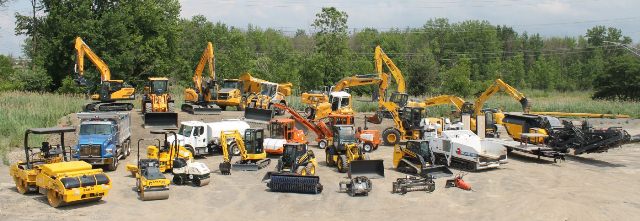
Equipping the construction site with the correct tools and equipment plays an essential role in achieving timely and good quality results.

Is a dump truck considered heavy equipment?

What does heavy equipment mean to you? Is there a clear definition?

Equipment Preventive Maintenance

Preventive Maintenance of Equipment: These definitions and thoughts of dedicated people to maintain, with years of professional experience, all agree that handling equipment, involves not only performing maintenance, supplies, fuel, oil changes, or repairs, but these activities with economic outlook and knowledge of the costs involved, not only to know them but to control and manage them.

Preventive Maintenance of Equipment

Preventive maintenance of crane

Maintenance manager

Managers of preventive maintenance of equipment who have precise control of the management of reports, follow-ups, and knowledge of the actual total costs of their operations are valuable people, in their company, or organization.

The power of this information, and of this knowledge, can be used for the financial planning not only of your section but of your organization.

  • These fleet costs are only part of the integral photo of the organization.
  • If a fleet manager does not know these costs, someone else will use some, part or maybe incorrect information, to make decisions for you.
  • Your job as a fleet or equipment manager is to generate the correct information, using consistent collection methods, defend them and make recommendations, based on the correct data.
  • This will help management not misinterpret operating costs and make decisions in the company.

“If the organization is structured in such a way that every problem that impacts the performance of the equipment is known, quantified, and communicated through the organization, the effort in maintenance (really maintenance management) can be extremely effective Manage your problems or better yet avoid them. “

crane preventive maintenance checklist

Situational leadership

The following is true for most activities including maintenance:

  • You can not handle what you can not control.
  • You can not control what can not be measured.
  • It can not be measured without a goal.
  • Without a goal, it can not be improved.

We see that in the modern vision of maintenance and its management, there is also an emphasis on planning, control, improvements, training, and procedures, as in the theory of management.

Managers’ preventive maintenance of equipment, in order to analyze and carry out the continuous improvement of any process, it is necessary to know the technical issue, the tasks performed in them, and the objectives that are pursued. A change in an administrative process can affect a technical parameter.

Preventive Maintenance of Equipment

Information flow in a company

An administrative system and an efficient flow of information, are not the solution per se of the problems that arise in the management of equipment maintenance.

An adequate organization and an adequate flow of information will allow us to know, through the data and information, in time, when a problem exists and will allow us to act more efficiently.

  • Many times the solution is completely technical.
  • Other times the solution can be administered.
  • It is for this reason that we consider that the person in charge of the management of equipment cannot be only an administrator.
  • It must have solid base in engineering and have a great perspective in administrative management.
  • It is for this reason that we will explain some engineering technical concepts, inherent in maintenance management.
  • In order to have a broader idea of ​​the context and the parameters to analyze in order to perform quality maintenance.
  • In this way, the need to have adequate maintenance management and the importance of having a policy of continuous improvement will be understood.
Preventive Maintenance of Equipment

Crane preventive maintenance checklist

Maintenance Mechanic

Technical concepts about mechanical maintenance: The maintenance tasks are divided into two main groups:

  • Scheduled maintenance
  • Unscheduled maintenance

Within scheduled maintenance, we have:

  • Preventive maintenance
  • Predictive maintenance
  • Planned corrective maintenance or backlogs

Within the unscheduled maintenance, we have:

  • Unanticipated corrective maintenance

The difference between the expected corrective maintenance and the unforeseen events is that the former is the result of an inspection or previous evaluation, carried out in any of the programmed maintenance.

The seconds occur unexpectedly and are much more expensive because they include pieces that are not normal change in addition to being accompanied by hidden costs because of production stoppages.

Preventive Maintenance of Equipment

Preventive Maintenance

It consists of carrying out the tasks of lubrication, lubrication, and minor or major repairs scheduled (before the failures occur), indicated in the guidelines and/or maintenance and lubrication manuals, delivered by the manufacturers when a machine is purchased.

Preventive Maintenance of Equipment

Predictive Maintenance

It consists of carrying out program evaluations, in order to obtain the operating parameters of the machines and compare them with the parameters given by the manufacturers. It includes visual and auditory inspections, in order to discover noises or signs outside of the expected.

Corrective maintenance

It consists of carrying out repairs after the failure has occurred. It is a type of activity that can be programmed (backlogs) or not scheduled.

If the maintenance is scheduled, it has come from an inspection of condition monitoring or preventive or predictive maintenance service, which means that there will be a programmed and coordinated paralysis with the works area.

It will not cause greater expense than the minimum necessary and foreseen, but if it is not programmed it will mean an unexpected stop of the machine, with the inherent consequences, such as the delay of the work, cost of replacement of more expensive machines, payment to the administrative staff with the paralyzed work, repercussion in other fronts of work, which will have to suffer also unexpected paralysis.

Scheduled corrective maintenance requires fewer parts than the unscheduled ones. Normally unscheduled repairs involve replacement parts that normally should never be changed, or very infrequently.

Software maintenance

Monitoring of machinery: Technology gives a boost to the evolution of the concept of maintenance since it allows to take advantage of information related to fault diagnosis.

Electronics and digital, radio, and satellite communications allow obtaining and knowing data of the most important parameters of the operation of the machines (with the help of sensors, transmitters, and receivers), which are sent to the manufacturers’ servers, so that, by means of software that serves as an inter-phase HMI (human-machine interface), this information can be accessed in order to be used to prevent magnitude failures.

The monitoring of conditions added to an evaluation of the planning of the production and of the work cycles of the machines, will lead to the maximum performance of these in work and therefore to the maximization of the good use of the resources, which it means maximization of productivity, with the economic benefits that this brings. (Preventive Maintenance of Equipment)

Pollution control

Due to the technological development and the demands and efforts to which the machines are subjected, the manufacturers design machines with more precise tolerances between the pieces.

The lights (spaces or clearances) between pieces that have relative movement with each other are very small.

As these parts have relative movements, there must be a lubricant between them, which avoids the direct contact between the parts and thus avoid wear due to friction or abrasion, among others.

What is equipment maintenance schedule?

Regular maintenance of equipment is an important and necessary activity. The term ‘maintenance’ covers many activities, including inspection, testing, measurement, replacement, and adjustment, and is carried out in all sectors and workplaces. Maintenance can be a high-risk activity.

Regular maintenance of equipment is an important and necessary activity. The term ‘maintenance’ covers many activities, including inspection, testing, measurement, replacement, and adjustment, and is carried out in all sectors and workplaces.

It has a vital role to play in reducing the risk associated with some workplace hazards and providing safer and healthier working conditions. Insufficient/inadequate maintenance can cause serious (and potentially deadly) accidents or health problems.

“all work equipment be maintained in an efficient state, in efficient order, and in good repair.”

Machinery that has a maintenance log needs to be kept up to date and maintenance operations need to be carried out safely

Preventive Maintenance of Equipment

What is good maintenance?

Establishing best practices in production maintenance is an achievable goal. The first step of any journey to best practices is to gather as much data as possible on machine downtime, meantime-between-failure, parts spend, tech utilization, technician response time, and percentage of deliveries made on time.

What are maintenance strategies?

Preventive maintenance is maintenance that takes place before something breaks down. It is a time-based or meter count-based approach that is carried out at predetermined intervals to reduce failure risk or performance degradation of assets.

What are preventive maintenance and its importance?

Preventive maintenance assures optimal working conditions and conserves the life span of the equipment. Time savings. Planned preventive maintenance may cause a small hindrance to production, but that is nothing compared to actual downtime caused by a breakdown.

What is the preventive maintenance checklist?

Preventive maintenance is defined as regularly scheduled inspections, tests, servicing, replacements, repairs, and other tasks intended to help reduce the impact and frequency of equipment failures. This includes scheduled preventive maintenance, predictive maintenance, and inspection activities.

The most read

Heavy Equipment Maintenance

Hydraulic Excavator: brands and models, characteristics, the capacity of the bucket, how to operate a construction machine, types and models. Construction crane

More on this story

Hydraulic Excavator – how does it work?

Hydraulic Excavator: brands and models, characteristics, the capacity of the bucket, how to operate a construction machine, types and models. Construction crane

Construction Equipment Rental

Cranes and construction machinery, annual report of rental prices of construction machines in the world.

Heavy Equipment Training

Heavy Equipment Training:
What does Heavy Machinery Operator do? 
What do you need to handle a crane? 
What is the job of a heavy machine operator? 

The Heavy Equipment Operator Training course well prepares students for professional construction work as Heavy Equipment Operators. Also, know as:

  • Heavy Machinery Conductor
  • Forklift Operator
  • Heavy Machinery Conductor Assistant
  • Hydraulic Excavator Operator
  • Backhoe Operator
  • Frontload Operator
  • Asphalt Extender Machine Operator
  • Operator of public works machinery
  • Asphalt Machine Operator
  • Roller Operator
  • Compactor operator
  • Crane operator
  • Mobile Crane Operator
  • Tower Crane Operator
  • Mixed Backhoe Operator
  • Operator Dumpers
  • Asphalt Cutting Operator
Heavy Equipment Training

Heavy equipment operator school

Heavy equipment training can introduce you to a big world of satisfying opportunities. Here’s why: The tradesmen and women who work with large mobile machinery contribute greatly to making the way we live possible.

Heavy-duty vehicles and machines play a huge role in creating, maintaining, and delivering almost every basic thing we rely on today. Without them, we’d have far fewer roads, bridges, buildings, and airports. We’d have a smaller selection of food in the grocery store. And we’d have a lot fewer stores, period. Even the energy we use to light our homes and drive our cars would be scant or non-existent.

Our modern lifestyle requires a staggering amount of heavy equipment. The mechanic school offers one way to begin working with such powerful technology. And machine operator training offers another. A lot of people even end up pursuing both areas since they go hand in hand

Can you picture having a job with major impact, excellent income potential, and plenty of engaging activity every day?

By being one of the tradespeople who specializes in machines that do the heavy lifting, you can attain exactly that.

Heavy machinery operator

Description A Heavy Machinery Operator: handles equipment used in the construction and maintenance of:

  • roads,
  • bridges
  • airports,
  • oil pipelines,
  • gas pipelines,
  • buildings and
  • other works that involve erecting structures.

Heavy machinery

By heavy machinery it should be understood:

  • excavators
  • bulldozers
  • loader blades
  • motor graders
  • cranes
  • welders
  • front dozer blades
  • profiling machines
  • pavers
  • service trucks and
  • basket trucks.

In general, Heavy Equipment Operators are hired by:

  • Construction Managers
  • Heavy Machinery Contractors
  • entities responsible for carrying out public works
  • as well as in the logging industry, mining
  • heavy load handling.

Heavy equipment operator jobs

Main functions: Below, the most common functions of a Heavy Machinery Operator:

  • Perform previous checks on the handling of the equipment and ensure that the corresponding maintenance is performed (cleaning, lubrication, filling of fuel, etc.)
  • Locate underground services, such as wiring or pipes, before beginning any construction work.
  • Install equipment or components of machinery or attached structures.
  • Communicate to the Site Managers about any maintenance or repair that may be necessary, preparing written reports for this purpose.
Heavy Equipment Training

Heavy machinery at work

Operate heavy motorized equipment safely and efficiently, in accordance with current legislation and procedures:

  • Excavate, move, load and flatten or level the earth, stones, gravel or any other material using bulldozers, excavators or any other type of heavy machinery that is required.
  • Insert foundations in the earth to use them as support for buildings, bridges and other structures making use of the required equipment.
  • Make the channels deeper or, on the contrary, proceed with filling them using the required equipment.
  • Extend, expand and compact concrete, asphalt and other materials for surfaces, making use of shovels, graders and other equipment.
  • Excavate rocks and other materials using shovels. Move, upload and download materials.

Heavy machinery maintenance

Every machine operator has to be involved with the maintenance and repair of the equipment:

  • Carry out maintenance and construction activities during times when heavy machinery is not operating.
  • Install and repair guide rails.
  • Ensure that the sites of the works have optimal maintenance and organization (remove excess sand or other materials, cut the grass and weeds).
  • Assist co-workers in different tasks, such as loading and unloading materials, cooperating, if necessary, operating any other type of equipment.

Daily task

  • Inspect the equipment doing check-ups before being operated,
  • check the operation of the brakes,
  • monitor the status of the equipment and report any failure or failure.
  • Perform preventive maintenance, that is, cleaning and degreasing, minor repairs and emergency adjustments in trucks and auxiliary equipment.
  • Perform the switching on and off of equipment safely and follow up on such procedures.
Heavy Equipment Training

Profile of a heavy machinery operator

To be an operator of construction machinery, it is necessary to be alert and be aware of the prevention of risks, because they are handling powerful and dangerous machinery equipment, not having vertigo, being in good physical shape; also:

Assertive communication

Communication skills and service vocation:

  • Communicate clearly, both verbally and in writing, with clients and co-workers.
  • Also, be in the ability to interpret and use signs.
  • Deal politely with the public.
  • Read and interpret technical documents, such as safety standards, operating and maintenance instructions, assembly specifications and procedure manuals.

Project management

Organized and able to manage your time effectively:

  • Being able to prioritize tasks and responsibilities
  • Use time efficiently in a high volume of work.
  • Be able to work on several projects at once in a dynamic environment.
  • Have the ability to keep detailed records.

Problem resolution

Analytical capacity for:

  • Address tasks in a reliable and skillful way.
  • ability to solve problems and make decisions
  • Identify faults and provide solutions once they are detected in the equipment.
  • Have good judgment.
Heavy Equipment Training

Construction site safety

Safety on site. Exceptional attention to detail and continuous focus on security:

  • Use anti-dust mask, safety boots, helmet, glasses, hearing protection, and other personal protective equipment.
  • Comply with established safety practices (closing the unit, parking properly, etc.)
  • Anticipate any circumstance in which failure may arise and anticipate potential problems.
  • Prevent potential threats and obstacles, such as public service lines, other equipment, workers, and objects on the road.
  • Not be willing to take shortcuts of any kind.

Health and safety in construction

Security and health at work. Manual dexterity, motor coordination, and physical strength:

  • Have good manual skills and the willingness to provide an optimal job.
  • To be able to mobilize and lift an approximate weight of 20 kilograms.
  • Be able to stand, kneel and bend for long periods of time.
  • Feel comfortable working from high heights.
Heavy Equipment Training

Heavy equipment operator training

Machine Operator Profile: In general, Heavy Machinery Operators are required to have a minimum of 6 months to 1 year of experience in the Construction industry, in addition to knowing about the handling of equipment used in the area.

  • In addition, it is essential that candidates who apply for this position are aware of current traffic laws.
  • As well as the legislation applicable to the field of construction, occupational health and safety standards, as well as licensing and procedures for making alterations to the land.
  • Finally, Heavy Equipment Operators must be willing to have flexible working hours and night shifts, in addition to working in all kinds of environmental conditions.
  • Similarly, it is essential that they have a driver’s license and, if possible, a vehicle of their own, in order to be able to mobilize along with their work tools to the designated area.

Heavy equipment operator training

How much does it cost to get heavy equipment operator training?

Heavy equipment operators are trained to drive and work with bulldozers, excavators, cranes, street sweepers, rollers and backhoes, according to the Bureau of Labor Statistics. In-person training programs and apprenticeships are the most common forms of training.

Typical costs:

Heavy equipment training typically costs $4,000-$15,000 and lasts three-eight weeks. The course allows students to practice operating backhoes, trackhoes, dozers, scrapers, graders and loaders.

Apprenticeships cost up to $5,000 and last three or four years. Heavy equipment apprenticeships are available through community colleges, technical schools, industry associations and trade unions. Apprentices may earn 50%-90% of a normal worker’s wages while learning on the job, with pay increasing as they gain experience.

Heavy equipment certification varies by state and costs $75-$200. The National Commission for the Certification of Crane Operators has a list of 18 states and six cities that license crane operators. In states that do not require a heavy equipment or crane operator’s license, workers may need to apply for a commercial driving license, which costs $50-$200.

Heavy equipment operator apprenticeship

Should I Become a Heavy Equipment Operator?

Heavy equipment operators maneuver heavy machinery safely, as well as calculate appropriate loads, follow blueprints and designs and ensure the proper running and maintenance of their machinery. Heavy equipment is a category of machinery that includes bulldozers, cranes, excavators, forklifts and other moving parts designed to transport earth or materials, erect and install construction materials, lay down roadbeds or paving materials.

Work is typically completed outdoors and can be seasonal, with long hours and in all kinds of weather. However, work is available full-time. Some operators work in remote locations, and care must be taken to follow all safety procedures in order to lower the chance of injury.

Because of the large size and power of these machines, heavy equipment operators must be well trained and highly skilled in operating and servicing their machinery.

Heavy equipment operator certification

There are three ways to become a heavy equipment operator. Individuals can complete a union apprenticeship, a state apprenticeship program or go to a college or technical school. Most states require apprentices to be registered with the state.

Apprenticeship programs provide classroom and on-the-job training with approved companies and generally take 3 to 4 years to complete. In the classroom, students learn equipment regulation and safety, equipment maintenance and repair, soil science, site grading, math and blueprint reading.

Apprentices work under qualified and experienced operators learning machinery operation, site safety and practical application of the skills learned in the classroom.

College or technical school programs also offer classroom training and hands-on experience operating and maintaining the equipment; however, the graduate may not be exposed to as much field experience as an apprentice. Depending on the school, credits earned may be transferable to an associate’s degree program in a major such as construction.

Heavy equipment questions

What is considered heavy equipment?

Heavy equipment refers to heavy-duty vehicles, specially designed for executing construction tasks, most frequently ones involving earthwork operations. They are also known as heavy machines, heavy trucks, construction equipment, engineering equipment, heavy vehicles, or heavy hydraulics.

How much do heavy equipment operators make?

The average pay for a Heavy Equipment Operator is $19.20 per hour. The average pay for a Heavy Equipment Operator is $47,500 per year.

What equipment is used for excavation?

The Most Common Excavation Equipment. There’s a correct tool for every job. Some of the most common pieces of equipment in the excavation industry include: Skid Steers — Skid steer loaders or skid steers are small machines with lift arms that can scoop, dig and carry any material on your job site.

Is heavy equipment operator a good career?

Most heavy equipment operators begin their careers operating lighter equipment under the supervision of a more experienced operator. Eventually, they move to more heavy equipment such as bulldozers. Apprenticeships are also a great way for aspiring heavy equipment operators to gain the experience they need.

How much does it cost to get heavy equipment operator training?

In-person training programs and apprenticeships are the most common forms of training. Typical costs: Heavy equipment training typically costs $4,000-$15,000 and lasts three-eight weeks.

What is the best way to become a heavy equipment operator?

To become a heavy equipment operator typically requires a high school diploma or equivalent. Some type of training from a vocational school would also be a plus in landing your first gig. Most heavy equipment operators begin their careers operating lighter equipment under the supervision of a more experienced operator.

The most read

More on this story

Crane Simulator

Heavy Machinery Simulator: What is the methodology, how a course for heavy machinery is developed. Programs and software for cranes and lifting.

Equipment Maintenance

Equipment Maintenance Management: predictive and preventive, management in the mining, industrial and construction industry for road machines.

Used Farm Equipment Values

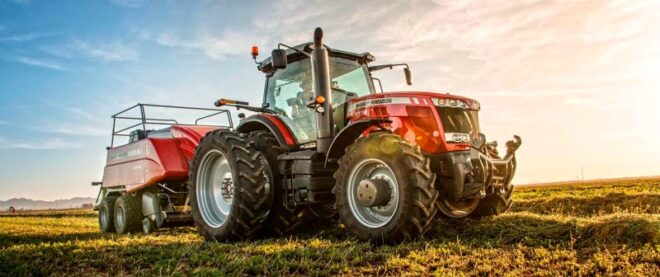
The pressure to reduce input costs for agricultural products has led to an active market for quality used machinery.

It is relatively easy to determine the condition of many types of field implements, but the evaluation of the tractor and combination may present more difficulties. Much of the problem is due to the wear points that are inside the machines.

Farm Equipment

In general, the cleaning, polishing, and sealing of the machine can be a primary indicator (for example operation of narrow gears, absence of external leakage signals, etc.).

Have a healthy suspicion of newly applied paint that can mask welds, cracks or repairs.

Used tractors

In a first visual inspection of a used tractor check the following:

  • Inspect for leaks in the cooling system
  • Damage to the blades of the radiator fan and the thermostat.
  • Consider the condition of the oil.
  • If it is milky, water is present; Heavy oil indicates combustion or combustion problems.
  • Commercial oil analysis is an option if a sample of oil can be obtained.
  • The condition of the air filter helps indicate the care of the machine.
  • Be careful with the “blowing” after the tractor has left the factory (raise the fuel injection pump or add large hoses, high compression pistons or turbocharger on an older tractor).
  • Problems may develop in the back.
  • For tractors originally equipped with turbochargers, the condition and lubrication must be maintained well.
  • Check the final transmission for leaks and transmission oil for metallic particles (dilute a small amount with diesel fuel and mix with a magnet, a small amount is normal).
  • Has the frame been suspended or has it ever been repaired? Look at the condition of the hydraulic oil and the lines.
  • Is the tractor equipped with a ROPS and a wide front end to avoid rollover hazards?
  • What is the condition of the tire?
  • Will the replacement be required soon?
  • Use around the hole or balls of the drawbar in the 3-pt. hitch helps indicate the use
  • Does the air conditioning system use current refrigerant or a previous version?
  • If you are still using an earlier version, you may need a future conversion.

Second hand tractor

Then, if possible, drive the tractor.

  • Check the operation of the indicators or indicator lights and the functions they are indicating.
  • Now is the time to observe the operation of the transmission (clutch and gear shift in second-hand tractors).
  • Doing this under load is preferable. It must be soft and tight. The same happens with the PTO, the 3-point hitch and the response and remote hydraulic operation.
  • Check hydraulic pressure (for example, lifting capacity) and flow rate (for example, the largest engine speed) under load if possible.
  • Newer tractors and harvesters keep user-accessible fault codes stored electronically.
  • Consult the operator’s manual if possible to obtain potential access to these codes.

Used harvester

The inspections of the combined engine, frame and transmission are similar to those of a tractor.

Also be sure to take note of the following elements, many of which indicate combined life:

  • Check the wear on the rotor/cylinder and concave bars.
  • Look at the cleaning of shoe and screen assemblies (if those who walk with straw are also present).
  • Are there broken parts or spot welding repairs? Consider any play on bearings or grooves. The thin auger propeller indicates prolonged use.
  • Check the head to see if it has tripped or misaligned and the status of all drive mechanisms.
  • The general areas that must be verified are the use of zerks (metallic accessory used in mechanical systems to feed lubricants) of grease (especially zerks with less accessibility) and the wear of large belts, chains, and sprockets.
  • Compare engine hours and separation hours.
  • If the engine hours are considerably longer, take more time to check the wear on the drive train (transmission and response at various speeds, condition of the oil).

Agriculture equipment

Equipment for agricultural tractor:

Electronic considerations:

Many of the tractors and harvesters used will include electronic systems of post-sale and installed in factory for applications of control of machinery and agriculture of precision.

When evaluating these be sure to take into account:

  • Integrated electronic steering valves and steering sensors can reduce the cost of upgrading to the auto-ship system.
  • These integrated components are also easier to repair and will be familiar to your equipment dealer.
  • Check the routing of the cables in the cabin. Make sure they are not frayed or curled.
  • Request a detailed list of the electronic components that are provided.
  • If a GPS is included, ask if it has been unlocked for a dual frequency correction or if any other software unlocking is included.
  • Check with the manufacturer to make sure that the electronic components used are still compatible.
  • Some older screens are not compatible with the manufacturer.
  • Check if the tractor has a standard ISOBUS connector on the back.
  • If so, this will make it more adaptable to updated electronic systems.

Machine maintenance

Used accessories:

General guidelines for other field accessories include checking the condition of the frame for alignment and major repairs and recording any necessary repairs for moving parts and common wear points.

The seed metering mechanisms of the planter, ground contact tools, such as sweeps, spikes, and fences, and sprinkler pumps and pipes, and implement tires, are all replaceable wear items.

Are there protectors to protect people from the elements of power transmission and the exposed moving parts?

Tractors for sale

General considerations:

Some important and often overlooked things are also important tools of the good buyer of used machinery.

Doing these things can often keep several thousand dollars in the buyer’s pocket after buying a high-value item:

  • Do your homework before you buy. What is the current price (consult auctions, dealers, large batches of used equipment, classified ads)? Searching websites can help.
  • Are the features you need available with this machine? Despite a good price, a machine is not a bargain if it does not meet your needs. For example, increasing the hydraulic requirements for many agricultural implements requires hydraulic flow rates and tractor-specific operating pressures. Heavy loads on the drawbar (eg, grain cart or manure tank) require a tractor of a certain size (ie, adequate weight) for braking and control.
  • Know the potential weak points on any model machine and review them. Spending a few dollars in consultation with a mechanic can help you discover possible weaknesses in the machinery. The repairs of the store are not cheap; look for the general quality.
  • The possible protection of the guarantee and its capacity to evaluate the previous use will probably vary depending on the source of sales (distributor, sale of goods, auction of machinery, etc.). If the source is a neighbor or an acquaintance, evaluate your team care rather than just general agricultural skills.

Do not hang with the small accessories (for example, you can easily add an additional remote hydraulic output to most tractors).

Cost of farm equipment

How much does farm equipment cost?

In order “to sustain a long-term farm operation, you must be able to invest in, and support, a reasonable amount of equipment to maintain the farming operation.”

The general rule of thumb should be spending “$95-$100 per acre on machinery costs. This gives a 1,000-acre farm about $100,000 of cash flow to cover annual machinery payments and maintenance, insurance, fuel, etc. Only $70 per acre of this is direct machinery costs.“
“$70 per acre is about 10% of the total costs of production in 2016 for an acre of corn.”

So, it costs $95-$100 per acre for machinery costs, but what about the expense of the actual machinery itself? as well as a grain and livestock farmer from Western Illinois, states that this all depends on the size of your operation. A small farmer, who may have around 350 acres, needs nothing more than a $50,000 tractor, $20,000 planter, and a $50,000 combine. But, that is about as “minimum” as you can get. “A 1000 acre farmer is going to need a couple of tractors around $150,000, a $50,000 planter, and $100,000 combined.”
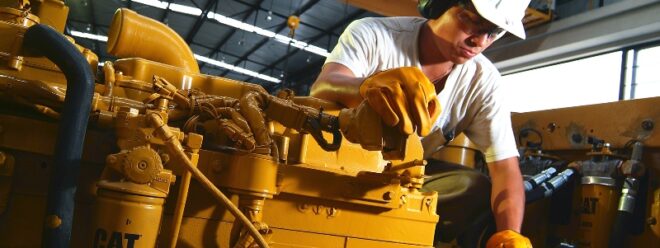
This may seem like lots of money, but Spangler mentions that it is better to keep the combine, planter, and sprayer up to date. “A lot of dollars flow through those machines and a breakdown at the wrong time can be expensive.”

If buying new isn’t something you want to do or can afford to do right now, have no fear. Leasing has become more popular in recent months.
Some farmers even share equipment over two or more farm families. In reality, there are tons of other options to make machinery more affordable. “Everyone has their own philosophies on machinery,”

“It basically comes down to what fits best in your operation.”

Used farm equipment prices

Loan values are not the most accurate method of determining a bidding limit at auction, whether the asking price at a dealership is a good deal or a good deal too much, or whether the price a dealer is willing to give on a trade-in is reasonable.

“Just finding out what a machine sold for – whether it was by a dealer or at an auction – is not always a true reflection of the value,” he says. “People ask me all the time, ‘What is this worth?’ My answer is, ‘To whom for what?’ How do you plan to use the appraisal?”

One problem with undervaluing equipment, he says, is that in the event of loss from theft, fire, tornado, or a flood, the burden of proof is on the insured to prove that the equipment was worth more than the insurance company has established as its value.

“Unless the owner has a policy for “actual replacement cost,” which is seldom the case, the producer is only awarded average value,”

“Unfortunately, that value doesn’t take into account the number of hours on the machine, the extra options, or the time of the year, which can also affect farm equipment values – particularly on seasonal equipment like planters and combines.”

On the other hand, if you’re wanting to borrow money using an auction-purchased tractor as collateral, you may be selling yourself short, since the fair market value appraisal would actually allow borrowing more money.

Used farm equipment for sale

The nature of values becomes most apparent when trying to put a price on equipment that is being traded-in vs. sold outright or being bought from a dealer vs. at auction, for example.

“I am willing to tell customers what I think a piece of equipment up for sale is generally worth,”

“When they ask me how much a piece of equipment they own is worth, I hesitate, and warn them that it depends on its use (in hours), condition, and how it’s equipped (specifications).”

All of the experts advise that it pays to be as exact as possible describing equipment when establishing comparable marketplace values.

Some of the most profitable time you invest this year could be spent searching websites to unearth prices, or seeking the opinion of an appraisal company.

What machinery is used on a farm?

What machinery is used on a farm?

Agricultural machinery is machinery used in farming or other agriculture. There are many types of such equipment, from hand tools and power tools to tractors and the countless kinds of farm implements that they tow or operate.

What are the types of farm machinery?

The most common types of equipment and machinery used on farms include tractors, balers, combines, plows, mowers, planters, and sprayers.

What is a farm vehicle?

A farm vehicle is defined as a truck or truck tractor, to be exclusively used for agricultural purposes. Farm vehicles are not farm machinery and equipment. The Vehicle Code designates those vehicles as “implements of husbandry,” when used on the farm. Different rules apply to farm vehicles than to implements of husbandry.
Farm vehicles are not passenger vehicles. Since farm vehicles only include trucks and truck tractors, cars and passenger vans do not qualify as farm vehicles.

What are the modern farm machines?

The most common types of equipment and machinery used on farms include tractors, balers, combines, plows, mowers, planters and sprayers. Farming is no longer a small scale production, but rather one that is done with huge machines over thousands of hectares.

How much are tractors worth?

A bare-bones compact tractor might sell for less than $10,000, while the largest and most powerful farming models could go for as much as several hundred thousand dollars. Most tractors fall somewhere in between. Mid-size tractors with 30 to 75 hp usually cost anywhere from $25,000 to $50,000.

The most read

Heavy Equipment Training

  • What does Heavy Machinery Operator do?
  • What do you need to handle a crane?
  • What is the job of a heavy machine operator?

More on this story

Garden Tractor Backhoe

The loaders and backhoes illustrated here are the perfect tools for the care and maintenance of your property and landscaping.