Category Archives: excavating equipment

Swamp Buggy Excavator

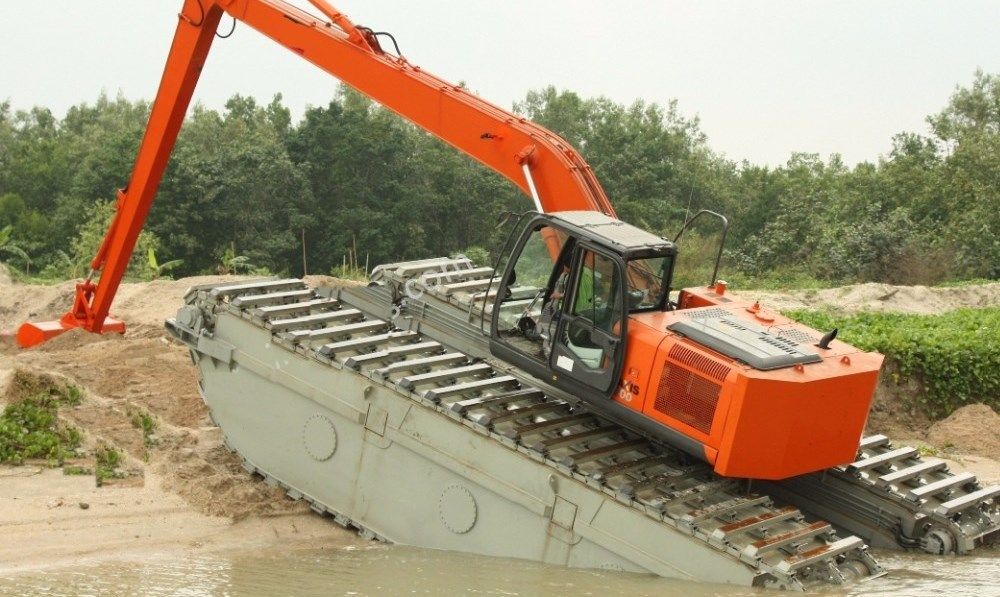
Amphibious Excavators are hard to find, if you are a contractor, you may be wondering why you should consider buying a swamp buggy excavator.

Some locations, such as bay habitats, wetlands, remote islands, coastlines, and submerged aquatic vegetation, require specialized machinery.

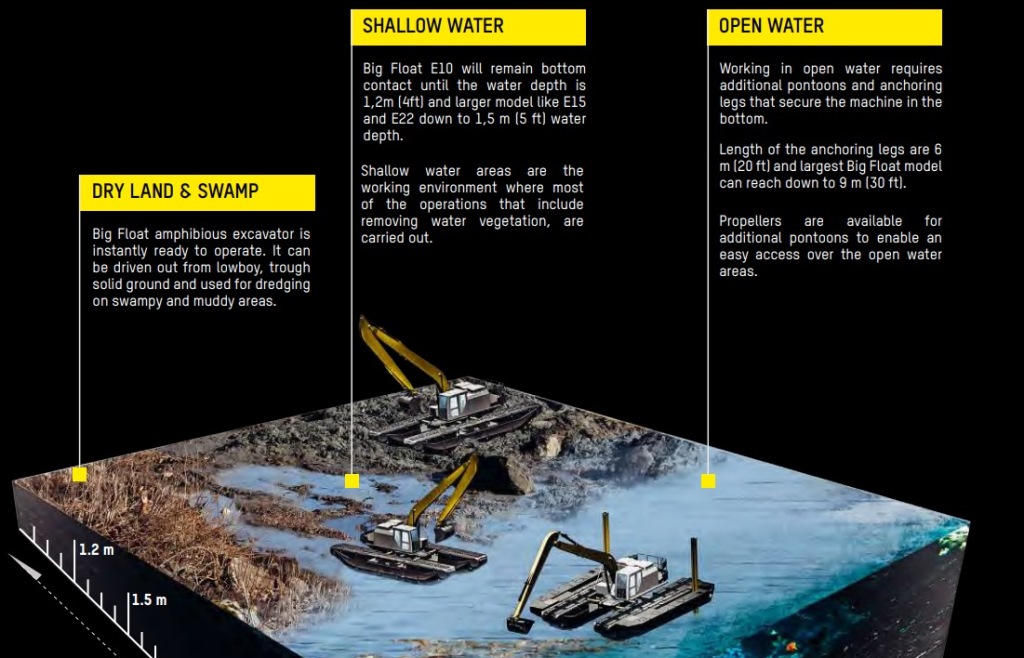
The amphibious undercarriage is specially designed to maneuver in difficult conditions, such as swamps, inland lakes, rivers, and shallow waters, where it is difficult to carry a standard excavator.

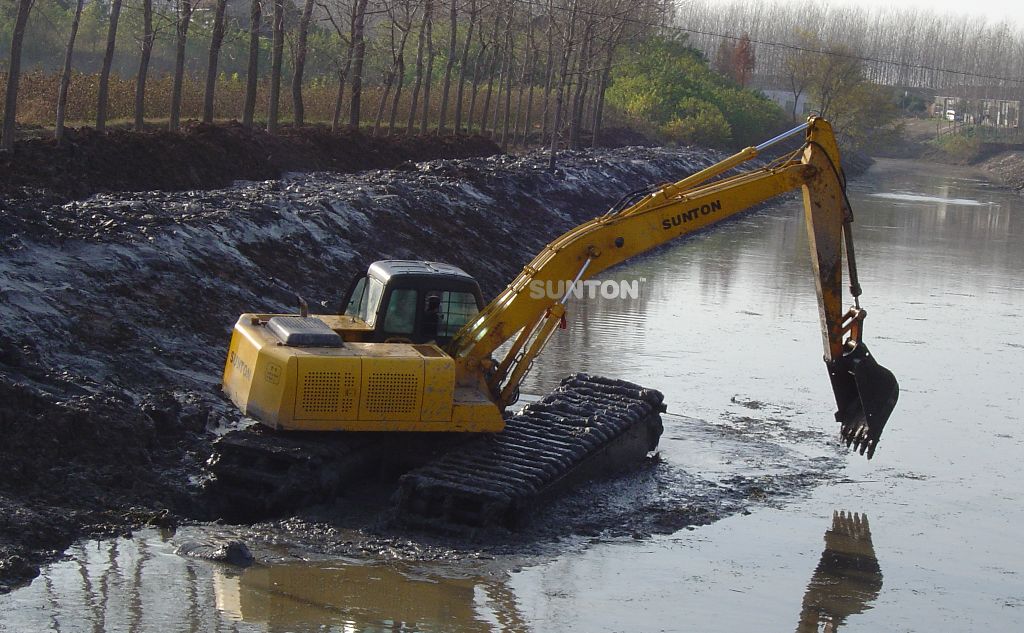
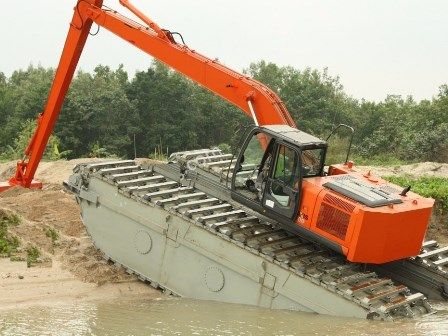
An amphibious excavator is a type of excavator that features sealed pontoon gear that allows it to perform dredging work while floating in shallow water.

Here are three reasons why you should consider buying one.

Swamp Buggy Excavator

Is it better to rent or buy

Amphibious excavator rental

You don’t have to BUY. The idea is that you have to secure a large amount of capital and buy one. There are lease options and in some cases, they can act as contractors for any project you are bidding on or considering. Buying is never the only option.

Amphibious excavator for sale

However, purchasing may be your best option. While there is no need to purchase, if you frequently work in challenging wet environments or have a long-term project, purchasing may be your best option. In most cases, for these types of projects, the equipment can pay for itself.

Amphibious excavator manufacturers

Manufacturers can adopt a model for each situation. Swamp Buggy Excavators go where regular excavators can’t.

Moving heavy equipment in wet and swampy environments can be quite a task. Using barges, tugboats, and tail lifts to move equipment can be very costly.

Amphibious excavators float and can propel themselves through canals, rivers, and small lakes. Whether your project is in wetlands, river deltas, or an artificial island project, if you have to work in a wet, marshy environment, the excavator is the obvious choice.

Amphibious excavator uses

If you are still looking for an amphibious excavator in the market, check out the services to see which of the machines would be the best fit for your next project.

The services that this type of excavator can provide are different for each use.

The pontoons are built with high tensile strength steel, due to the working conditions in which they find themselves, they are resistant to corrosion and capable of working in conditions of high salinity as in the case of working with seawater.

This ensures that the excavator can operate even in extreme conditions. It is a piece of equipment that is specifically designed to maneuver in swampy areas such as wetlands and soft ground, as well as to float on water. These excavators are fully self-propelled using a hydraulic direct drive guide system.

The physical principle that makes the amphibious excavator possible lies in hermetically sealed pontoons.

Coupled with its large size, this creates really low ground pressure. The machine is capable of operating in dry, soft, and swampy areas with little or no risk of getting caught in the mud.

Undercarriages are considered one of the main innovations in the area of ​​the construction industry.

These excavators are capable of operating in the harsh wetlands that are common throughout the world, especially in North America and Europe.

Engineers were generally limited to operations on dry land, so under these conditions, they would have to figure out how to make dry land for these machines by building roads or running barges through canals.

Because these overall wetland-related costs needed to be reduced, engineers developed amphibious landing gear.

The amphibious landing gear could be installed on excavators and other heavy-duty equipment, attaching the landing gear gives it buoyancy and the ability to work in wet environments without the need to build a solid foundation to transport it.

More on this story

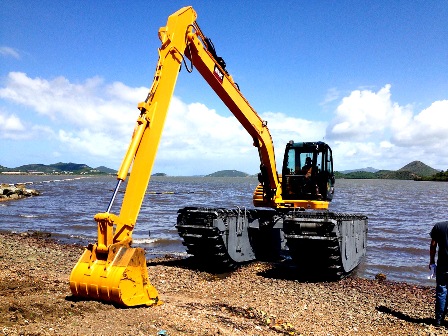
Amphibious Excavator

Dredging is the removal of sediment and debris from the bottom of lakes, rivers, harbors, and other bodies of water, which can be done by an amphibious excavator.
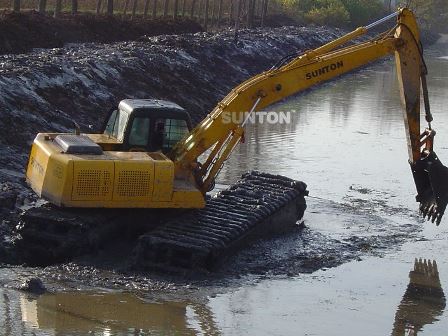
Floating Excavator

A floating excavator also called a swamp buggy, or amphibious excavator is an excavator equipped with a sealed floating pontoon.
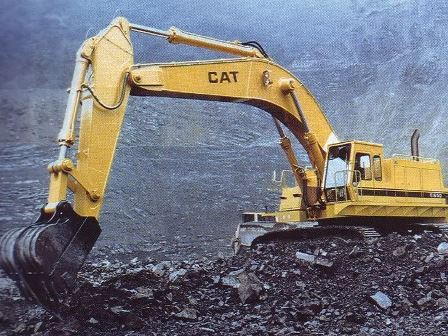
Hydraulic Excavator – how it works?

Essential in the mining sector, over time they incorporated hydraulics, automation, electronics, information technology, etc. Developed for engineering and heavy-duty.
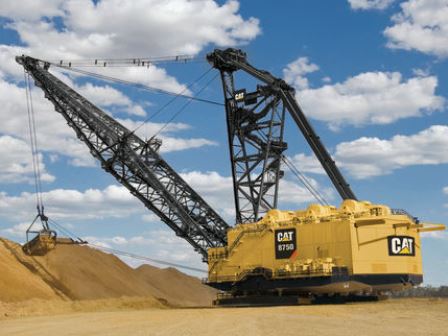
What is a Dragline in Mining?

Draglines are an expensive and essential part of open-cut coal mining.
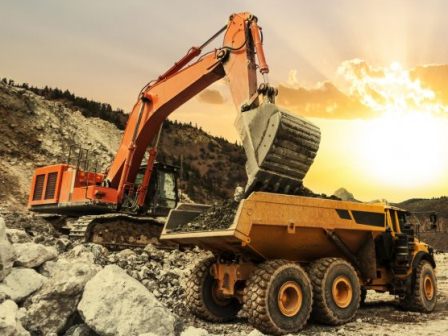
Heavy Equipment Rental

Rental is a prominent and growing model in the construction business. The development of the rental industry in new markets requires a certain level of trust in a country and in society.

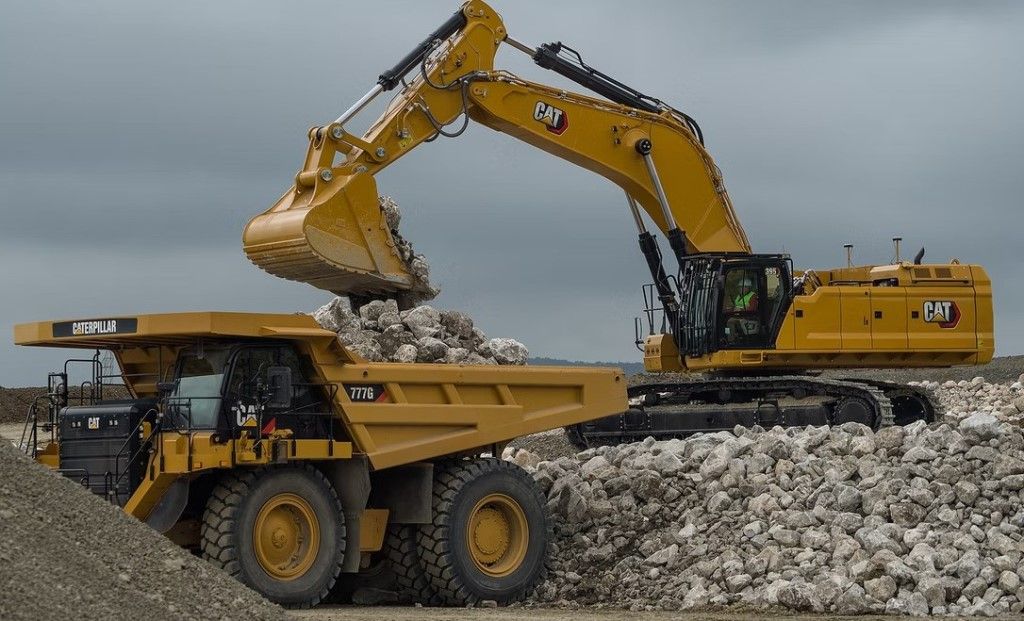
Excavator Manual

For all types of hydraulic excavators. This manual takes operators through a typical day of operation, outlining accepted safety procedures for each critical step.

Its easy-to-follow, no-nonsense graphics and clearly stated safety warnings will help ensure operators come home safe and sound after a productive day in the field. This manual is not a substitute for the manufacturer’s manual(s).

Organized around the major categories of construction equipment, including both commercial and heavy civil examples, case studies, and exercises, this textbook will help operators develop independence in applying concepts to hands-on scenarios.

A companion website provides an instructor manual, solutions, additional examples, lecture slides, figures, and diagrams.

Excavator Manual

Hydraulic Excavator Safety Manual

To ensure safety, follow the basic rules

The knowledge, experience, and ability of the operator are the most important factors in the safe operation of the machine. it is therefore important that the operator has read and understood the instruction and has been trained.

Excavator operator qualified

The driving and operation of hydraulic excavators must be entrusted to specialize and trained operators in perfect psychophysical conditions. The operator must be aware of all hazards and safety measures associated with the operation of the excavator. The operator must therefore be authorized, trained, and sufficiently skilled to do so.

Familiarise yourself with the instructions and warnings

This manual and the plates and stickers on the machine give the information required for operating it safely and properly. The user must familiarise himself with this information; failure to do so may result in serious accidents. Do not leave anything to chance if you have failed to understand it. Your dealer is always pleased to give you any supplementary information you require. If you lose or damage the manual, the plates, or stickers, contact your dealer for new copies.

Health and safety

Take special care of your mental and physical health and note that the operator of a complicated machine should be physically fit. Never operate the machine under the influence of alcohol, medicines, or drugs of any kind.

Snug fit work clothes

Your work clothing must be snug, without lose sleeves, rings or other jewelry, as they may become trapped in moving parts. Before operating the excavator, clean all grease and mud off your boots. Always wear the necessary clothes and accessories, including helmet, safety gloves, visible clothing, safety boots, and ear defenders

Check your excavator

Before starting work, walk around and check the excavator and make sure that there are no persons or obstacles in the work area.

Never take anything for granted

Today, as you start work, do not assume that everything is OK, only because it was all OK yesterday evening. Before starting, carefully check the excavator for signs of wear and defects.

Make a work plan

Before starting work, carefully inspect the work area. If there are any obstacles or hazards, notify all affected persons of their presence. Avoid overlooking anything that may cause an accident. Prepare a work plan and procedures and inform your colleagues accordingly.

Be careful of public utility lines and pipes

Before starting work, inspect the work area. identify all gas, service, sewer, overhead, and underground electrical lines, and any other obstacles and hazards. The worksite supervisor is responsible for marking the locations of all underground utility lines to prevent accidents. If necessary, ask for the said lines to be closed or transferred.

Work area

ALWAYS, before starting work, carefully inspect the work area and identify any hazards. Do not operate the machine close to a drop.
Given that the machine is not designed for use in explosive atmospheres, NEVER operate it inside a tunnel or explosive area to prevent the risk of explosion. The machine is not roadworthy and must be used only on the worksite; if necessary, it must be moved to other areas by truck

Keep your eyes open

Keep your eyes open before and during your work and especially when you slew the tools in crowded areas. In more complicated situations, we recommend using an assistant who can supervise the area and give signals; pay attention to his signals before operating the excavator.

Maintain good ventilation

Do not use the machine for indoor works. Take all precautions to vent exhaust gas externally before starting the engine if working in a hole in the ground, tunnel, or trench. In such a place, the air tends to stagnate.

Breathing exhaust gas is very dangerous. Note that exhaust gases are fatally poisonous. In case of excavations or earthworks involving noxious substances, the user must take all the necessary safety measures.

More on this story

Excavator Sizes Chart

The use of excavators for lifting operations, particularly on construction sites, has become more common over the last few years.

Excavator Safety Manual

These machines can help you get your jobs done faster and more efficiently by using a safety manual.

Floating Excavator

A floating excavator also called a swamp buggy, or amphibious excavator is an excavator equipped with a sealed floating pontoon as landing gear, which can be used for shallow water dredging operations.

The pontoon is made of high-strength steel, resistant to corrosion and seawater. This ensures that the machine can work in the most demanding conditions. The amphibious excavator uses hydraulic power to drive its track system.

The swamp buggy’s pontoon landing gear is one of the world’s latest industrial equipment innovations. These excavators can operate in wetlands around the world.

Floating Excavator

Amphibious hydraulic undercarriage

In the past, engineers had to create a solid ground for floating excavators by building roads or bringing barges through canals.

To reduce the overall costs associated with industrial wetland pump applications, engineers developed this amphibious system.

The amphibious pontoon landing gear can be mounted on excavators and other heavy equipment, making it buoyant and capable of working in wet conditions without the need for additional construction.

This amphibious kit is ideal for transporting workers and equipment to job sites on terrain that is too soft to walk on and too dense to float.

Previously, these industrial projects required workers to build canals, roads, or platforms before operating heavy machinery in swamps and wetlands.

That process is time-consuming and expensive.

However, these roads and channels are necessary to support heavy machinery on soft or wet ground. With the support of the floating excavator, the machinery can be driven directly to the site, which can save a lot of money.

Floating Excavator

How does amphibious excavator work?

The most common use for an amphibious excavator is dredging because standard excavators can get stuck. These machines are versatile, they work on land and float on water. They are built to work in any situation.

You can cut aquatic vegetation, clean canals and waterways, and more. It is designed similarly to a conventional excavator with the added benefit of being functional in swamps and on water.

Applications of amphibious vehicle

Floating excavator undercarriage creates a safe working platform for challenging terrains. Each part of the unique design of amphibious excavators is the result of careful study and field experience.

The shape of the pontoons and modern high-strength steels, powerful drive motors, and a chain system similar to normal excavators are only a few of the features that create safety, quality, and better productivity at the end of the day.

Digging dredging and suction dredging

All kinds of digging dredging in shallow water areas down to 9 meters can be done with amphibious excavators.

Removing mud or stones, transforming reservoir banks, or cleaning industrial waste ponds are the most common applications for floating excavators, which can also operate as a tool carrier for suction dredging equipment.

Clearing waterways

Amphibious excavators are easy to operate also in canals and other narrow waterways. Debris, trash, branches from trees, and excess sediment that is piling on the bottom of a waterway can be removed with a rake or dredging bucket.

Landscaping and cutting aquatic vegetation

A floating excavator offers a safe and convenient way for landscaping in swampy areas on shorelines. When the machine is equipped with a rake, removing aquatic vegetation and the roots, can be done effectively. Also, special hydraulic tools can be used for harvesting weeds, willow trees, and other bushes from the waterfront.

Levee construction and restoration of wetlands

Levee systems are built to prevent river or coastal floods and with the purpose of water conservation. When it comes to constructing levees in areas inaccessible to conventional excavators or cranes, amphibious excavators are used.

A floating excavator is successfully used to construct levees, and dikes in wet, soft terrains such as marshlands and wetlands around the world.

Related Topics

More on this story

Amphibious Excavator

How does amphibious excavator work?

Swamp Buggy Excavator

Some locations, such as wetlands, remote islands, and coastlines require specialized machinery.

Excavator Sizes Chart

The use of excavators for lifting operations, particularly on construction sites, has become more common over the last few years.

Garden Tractor Loader Kits for Sale

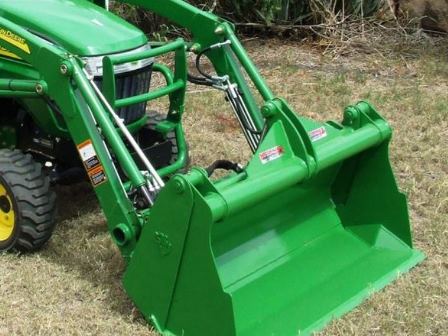
The ideal kit for a garden tractor is the front loader. Garden Tractor Loader Kits for Sale:

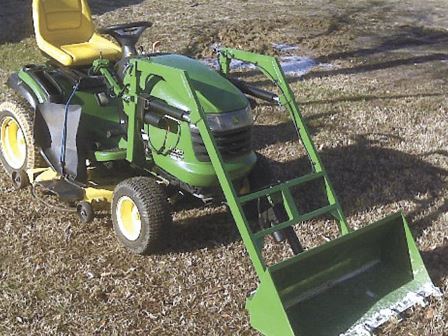
For those unfamiliar with garden tractors, a front loader doesn’t seem like a useful tool. The truth is that garden tractors can be fitted with a front loader kit.

This combination makes it a capable, compact and economical machine to help you manage your property tasks.

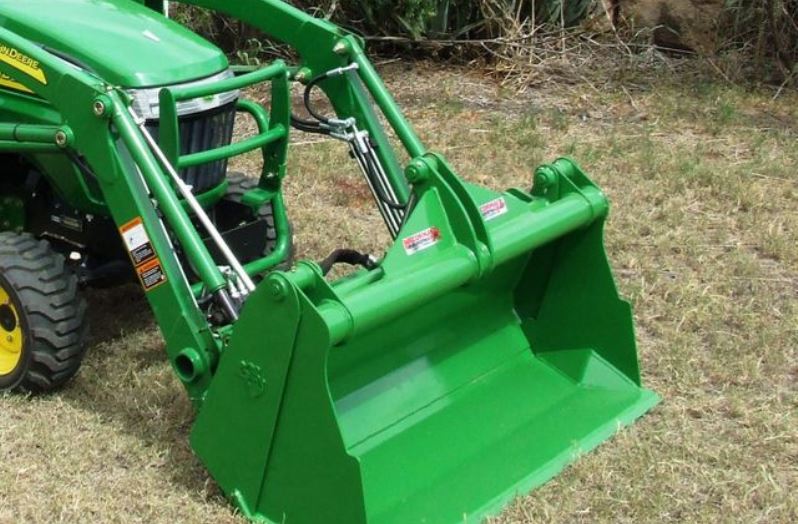
With a properly configured front loader kit, your lawn tractor can dig, lift, and haul materials up to 1,000 pounds in weight and up to 6 feet in height. This makes it the perfect tool for rural property owners, orchard businesses, farms and ranchers.

Garden Tractor Loader Kits for Sale

DIY front end loader kit

Front loaders are useful for managing horse manure, compost, soil, snow, and more on a farm property. Its small size means it can navigate closed areas and corridors between stables and other obstacles.

The machines’ light weight, less than 2,000 pounds, allows you to drive the loader anywhere on the property without fear of damaging lawns or roads.

We are going to explain what to consider when choosing a garden tractor for a front loader.

Front end Loader attachment for sale

Front loader, buy or build. Garden Tractor Loader Kits for Sale

There were many manufacturers in the United States that made front loaders for garden tractors.

Currently the two most likely scenarios you will encounter are loaders already attached to tractors or loaders for a different lawn tractor than yours.

The options in these cases are to make a custom front loader to connect to your tractor.

This process is not difficult, but it will require creativity and some manufacturing skills. This process can be simplified with pre-built kits. The process is not difficult.

How to build a front end loader?

Choosing the right garden tractor

All garden tractors are capable of handling a front loader. All true garden tractors have engines, front axles, transmissions, and frames that are capable of handling the workload of a front loader.

However, there are some characteristics that make some tractors better than others.

Let’s explore four features that make a great yard loader tractor.

Wheel Spindles: All garden tractors will have at least one axle. This is adequate for a front loader, but if you want to use the full power of your loader, you will want to upgrade to a 1 ”axle.

Frame: While all garden tractor frames are strong enough to hold a front loader, some designs are easier to work with than others.

I prefer tractors with large flat frames, this provides a lot of flat and square surface that you can weld and drill to create many positions and mounting options.

Tractors that use angled iron frames and are too close together can make component mounting difficult.

For tractors that have tube racks, it can make it a bit difficult to find mounting locations for the front loader chassis.

So these are the things to consider when choosing a garden tractor to mount a front loader. Front wheel axles, tractor frame, transmission, and operator station can affect the performance and comfort of your lawn tractor loader.

All true garden tractors will be suitable in these areas, and it will simply come down to preferences. Power steering is not necessary for a yard loader tractor.

Garden Tractor Loader Kits for Sale

Tractor front end loader kit for sale

Quick connect conversion kits save time and labor

There is an extensive line of quick connect conversion kits, they are probably among the time saving inventions for your tractor.

Skid steer loaders, garden tractors, compact tractors, and mini excavators are very popular pieces of equipment because they can use a wide range of different attachments for all types of jobs.

The bucket, a basic shovel for picking up and transporting most loose materials, is the standard accessory.

But as you work with your machine, you may need more accessories for your chores. And the best way to add these accessories is with a quick connect conversion kit. You will find that the accessories are almost all interchangeable between the different makes and models of machines in your shed, if you have quick accessory conversion kits for your equipment.

Front loaders are the best choice

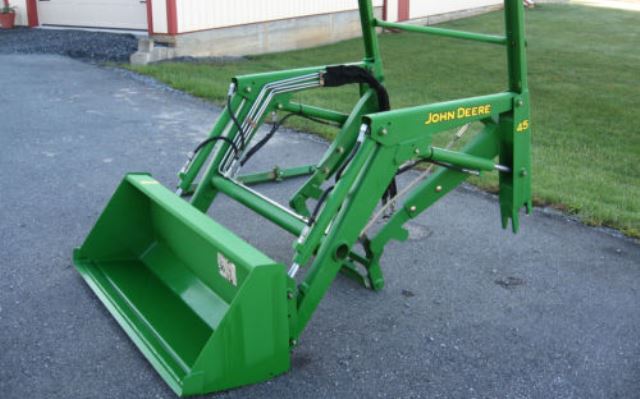
The loader, or front loader, is what we call the lifting device that goes at the front end of the tractor. On the other hand, the bucket is the accessory that goes in the front part of the loader and is used to transport material.

It is true that some machines have a quick coupler loader that can be removed using the joystick and hydraulics, and removing it is quite easy.

Putting it back is considerably more challenging. If you’ve had to do it even once, you may not want to do it again.

And if you have a compact tractor or garden tractor with the front loader already installed, you probably have a “pin-on” bucket attachment setup.

That means you spend a lot of time putting on and taking off the accessory when you prefer to be out in the field, doing your job.

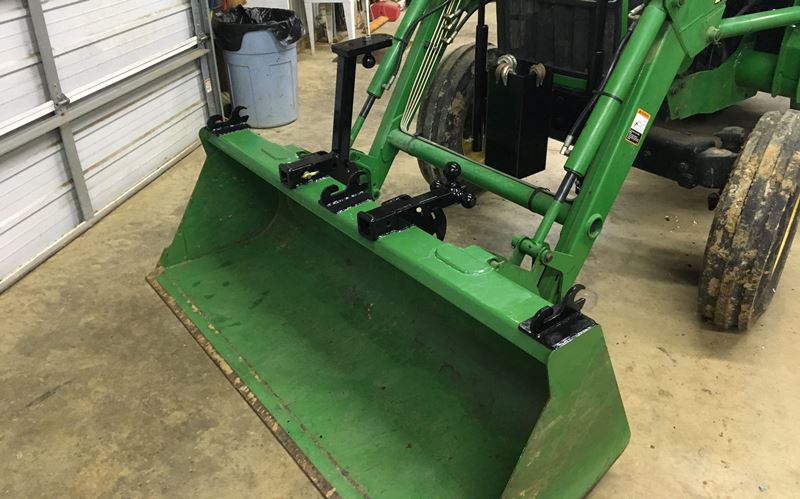
By adding a quick connect charger conversion kit to your garden tractor, you can now easily mount any accessory.

Easily switch between buckets, forks, blades and more.

The kit includes a new faceplate that must be welded to the existing dowel plate. The board is tough and tough, able to withstand all types of harsh weather conditions and environments, and is designed to last for years. Once it’s installed, you can effortlessly change the front accessories or remove them if they’re on the go.

Garden Tractor Loader Kits for Sale

More on this story

Front end Loader for Sale

Buying a front loader can be a big investment, so if you don’t need a front loader repeatedly for different types of jobs, renting may be the best way to go.

Lawn Mower Front end Loader Kit

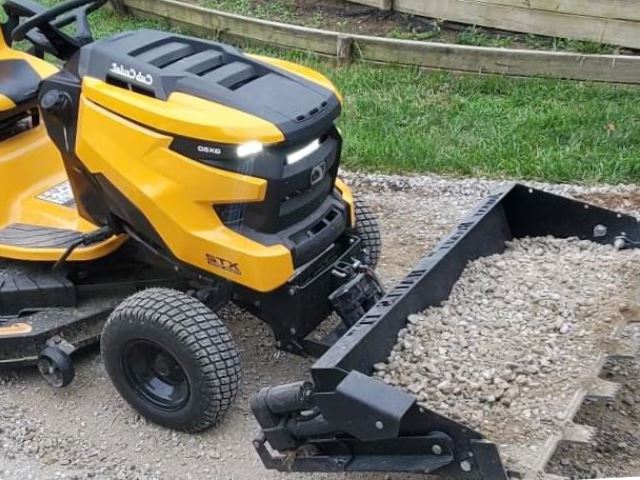
Whether you call it a bucket, a scoop, or a front loader, the solution for handling materials with a lawnmower is through a kit, which you must install in your equipment.

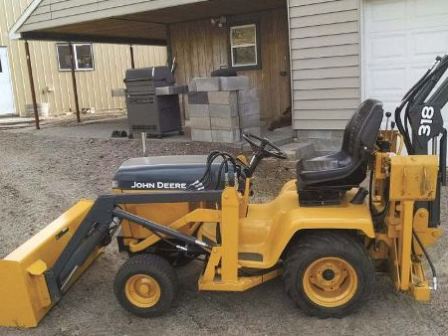
Garden Tractor Backhoe

The loaders and backhoes illustrated here are the perfect tools for the care and maintenance of your property and landscaping.

Universal Lawn Tractor front Scoop

Easily haul loose dirt, mulch, or rocks for small or large jobs, the universal lawn tractor front scoop is an easy-to-install attachment.

Ideal for spreading sand or moving heavy rocks or bags of potting soil for garden plants. Raise, lower, and dump everything from the tractor seat.

Blade removal is easy after installing 1x mounting brackets. No need to remove the mower deck, with a load capacity of up to 200lbs.

The bucket raises 5″ to 7″ off the ground. You can use the bottom of the bucket to level the ground. Tire chains and wheel weights are recommended for best performance.

Lawn tractor front scoop

The front scoop, as opposed to a bucket loader, is a unique ground contact garden tractor attachment that is designed for light loads and limited capacities that keep the load below or at chassis height.

This allows the use of a lawn tractor to move the backfill instead of a wheelbarrow and not go too far above the center of gravity and negatively affect the design capacity and strength of the equipment.

Bucket loaders are designed to go above the tractor chassis, which requires a lot more chassis engineering to handle raising the center of gravity above the chassis and potentially the tractor.

Universal front scoop for sale

A universal dump bucket makes moving snow, dirt, and gravel quick and easy. It has a wide 44-inch bucket and 1/8-inch steel construction for powerful moving capabilities.

It features a quick-release dump engagement and a durable powder coat finish that will stand up to harsh climate conditions.

This front scoop can be used with an existing ATV winch. Use with a universal mounting kit. Once installed, the blade can be attached and removed in seconds without tools. Made in EE.UU.

More on this story

Lawn Mower Front end Loader Kit

Whether you call it a bucket, a scoop, or a front loader, the solution for handling materials with a lawnmower is through a kit, which you must install in your equipment.

Garden Tractor Loader Kits for Sale

For those unfamiliar with garden tractors, a front loader doesn’t seem like a useful tool. The truth is that garden tractors can be fitted with a front loader kit.

Lawn Mower Bucket Attachment

This attachment is typically a bucket or a collection bag that mounts onto the back or side of the mower.

Excavator Safety Manual

Excavators are a staple of construction sites everywhere. These machines can help you get your jobs done faster and more efficiently by using an excavator safety manual.

But heavy equipment can be dangerous. That’s why it’s important that you take some safety precautions when using your excavator.

Excavators operating in construction can be exposed to a wide range of external hazards during normal operation, not only to the operators but also to maintenance personnel and others nearby.

A hydraulic excavator consists of an upper carriage with a hydraulically rotating upper deck (revolving 360º) and attachment, directly mounted to either a wheeled or crawler undercarriage. The front end of the excavator attachment consists either of a bucket, grapple, scrap shear, or another implement.

Excavator Safety Manual

Excavator operation manual

Starting and Operating the Excavator:

Maintain clear communication with co-workers and good visibility at all times. Operate machine only outdoors or in a well ventilated interior space

The Perfect Excavation

Here are some simple steps to the perfect excavation:

  1. The excavator visits the site and marks out every place he may be excavating with white paint, flags, or stakes.
  2. The excavator fills out all the information about the excavation on a locate request form.
  3. Each member facility company, or its contract locating company, marks out the facilities it owns or maintains in the area of excavation.
  4. While working, the excavator takes care to find and maintain any markings that have been placed.
  5. When digging near a buried facility, the excavator observes the tolerance zone around that facility.
  6. If exposing a facility, the excavator provides proper support and protection for it so that the facility will not be damaged.
  7. When the excavation is complete, the excavator provides proper backfill for any facilities that have been exposed and removes all utility markings.

Operating an excavator

• Use both of the warning signals to warn all personnel in the vicinity by sounding the horn and/or by energizing the beacon light/flasher (if applicable)
• Start the engine and allow the systems such as the engine coolant/oil and hydraulic fluid to warm up to operating temperatures
• Test all equipment functions such as attachment/implement movements and brake systems
• Place the excavator into the proper working position and begin operation
• During operation make sure that the attachment or basic machine sufficiently clears buildings, power lines, and other obstructions
• Be sure to operate within the machine’s lifting capabilities at all times (see lift chart or refer to the manufacturer’s manual)
• Use only slow, progressive joystick or foot pedal movements when operating the attachment functions such as boom, stick, bucket, clamshell, or other implements
• Maintain a safe distance to basements, ditches, slopes, and embankments

Excavator safety checklist

Safety begins even before the excavator is started. You need to make sure your machine is working properly. You can accomplish this by checking the powertrain and controls.

Checking these systems before starting work can help prevent an accident. Another simple safety precaution you can take is to check that your computer’s mirrors are clean. Being able to see clearly is an important part of operating your excavator.

Before beginning any major project, you will need to call your local utility company so they can mark the job site for any underground lines or structures.

It is important to avoid digging into any of these objects. Another safety step to take before starting your excavator is to put on your seat belt.

Security doesn’t stop once you turn off your machine. When you are finished using your excavator, make sure it is parked on a level surface with the bucket lowered to the ground.

Next, turn off the auto-idle switch and run the engine at half throttle with no load for a few minutes.

This will help the turbocharger cool down. You should also set the RPM to low idle and turn off the engine with the key switch.

Lastly, lock the cab after exiting the excavator. We hope this guide will help keep you safe while using your excavator.

More on this story

Excavator Manual

For all types of hydraulic excavators. This manual takes operators through a typical day of operation, outlining accepted safety procedures for each critical step.

How much can an excavator lift?

The use of excavators for lifting operations, particularly on construction sites, has become more common over the last few years.