All posts by Loganx

Professional Web Writer | Motor Enthusiast | Content Creator | Logan is a dedicated and skilled web writer, passionate about engines and machines and with a talent for creating engaging and informative content. She specializes in writing about a diverse range of topics including construction, forklifts, heavy equipment, excavators, etc. SEO Optimization: Proficient in SEO best practices, ensuring high visibility and engagement for all published content.

Forklift Test Questions and Answers

Now that you’ve decided that you want to be a forklift driver, you might be wondering what’s next.

Passing the forklift certification test is your next step.

Extensive training is needed to become a certified forklift operator, and each qualified operator has undergone training before seeking employment.

Taking a forklift operating training course is crucial to becoming a competent and safe forklift operator.

The course consists of a variety of different topics, including knowledge of industry safety standards and what the job consists of.

It also covers the different forklift controls and maneuvers and how to operate a safe at work.

After completing the course, you are expected to take the forklift training test which will ensure that you have understood all the material covered. The standard for these training and testing courses is set by OSHA.

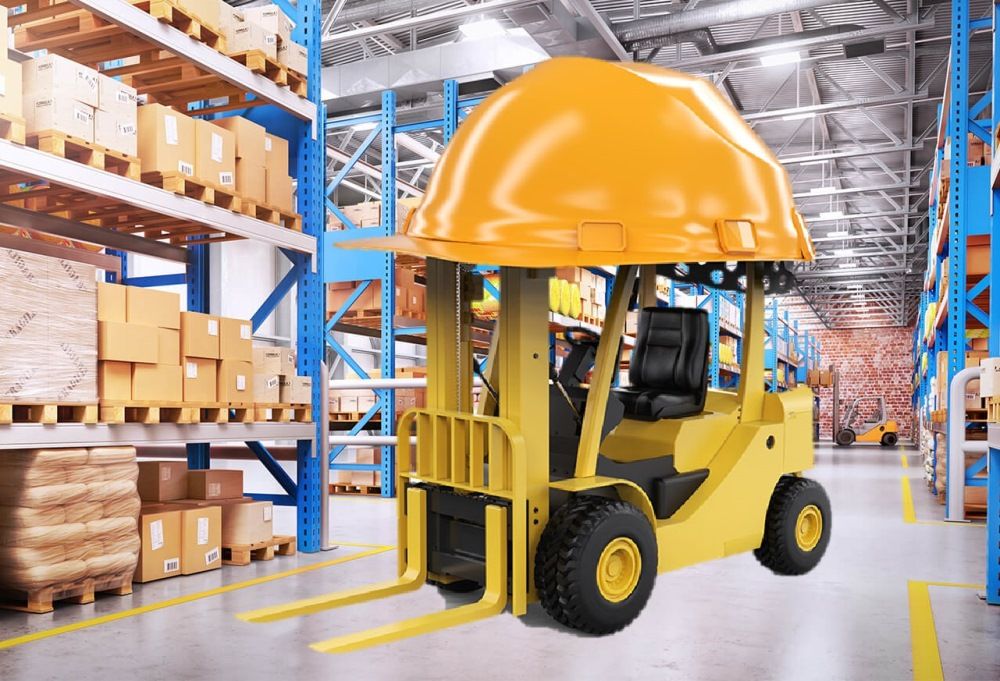
Forklift Test Questions

Aptitude test questions and answers

The following are multiple-choice questions taken from a forklift operator’s written test. You have to get 80% to pass a training course. Test yourself here.

When refueling or recharging a powered industrial truck the operator should?

  1. Make sure there is adequate ventilation
  2. No smoking in the area
  3. Have an extinguisher nearby
  4. All of the above

An operator must engage the brakes prior to dismounting.

  1. True
  2. False

10-15% of forklift accidents are, at least in part, caused by inadequate training.

  1. True
  2. False

The employer is not required to enforce forklift inspections to check on damage and remove it from service until repaired, as well as maintain a written record of the inspections.

  1. True
  2. False

Forklift test Forklift written test answers

How to pass the forklift training test (questions and answers)

So now that you’ve decided you want to be a forklift driver, you may be wondering what’s next.

“Pass the forklift certification test” is your next step.

Extensive training is needed to become a certified forklift operator, and all qualified operators have undergone training before they jump into the field.

Taking a forklift operator training course is crucial to becoming a competent and safe forklift operator. The course consists of a variety of different topics, including knowledge of industry safety standards and what the job entails.

It also covers the different controls and maneuvers of forklifts and how to operate one safely on the job.

After completing the course, you will be expected to take the forklift training test which will ensure that you have understood all the material covered. OSHA sets the standard for these training and testing courses.

Forklift training course

Before taking the forklift certification test, you must attend the training class. This class is instructor-led and consists of a variety of different topics.

The instructor must have extensive training and qualifications to be able to teach an appropriate course. There are two different types of classes: online and in-person at a training center.

If you have the means to take a training course in person, I would recommend that you do so instead of taking an online class.

Forklift exam questions

The Forklift License Exam Review will test your knowledge with questions answers, to increase your chances of passing your forklift licensing exam for employment.

Forklift Operator Training Exam Prep Includes Sample Exam and Answers:

  • Due Diligence Basics
  • Occupational Health & Safety Management
  • Course Objectives
  • General Safety Rules
  • Operator’s Daily Check
  • Terminology
  • Mast Types
  • Forklift Tire Types
  • The Professional Operator
  • Maintaining Control
  • Maintaining Stability
  • The Stability Triangle
  • Load Handling
  • Loading & Unloading Vehicles
  • Batteries
  • Safe Handling of Propane (LPG) Fuel
  • Maintenance
  • Fork Safety
  • Ergonomics
  • Common Factors in Forklift Hazards
  • Forklift Classes
  • Lift Codes and Images
  • Minimum Safe Approach Distance – MSAD
  • Designations
  • Glossary of Terms and much more.

More on this story

Forklift questions

Now that you have decided that you want to be a forklift driver, you may be wondering what comes next.
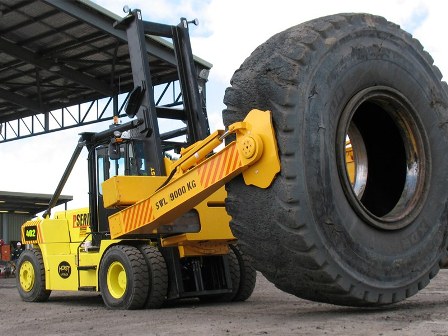
Forklift Safety Procedures

Forklifts are extremely useful workplace vehicles, as long as they are used safely and appropriately by operators who are appropriately trained and competent to use them.
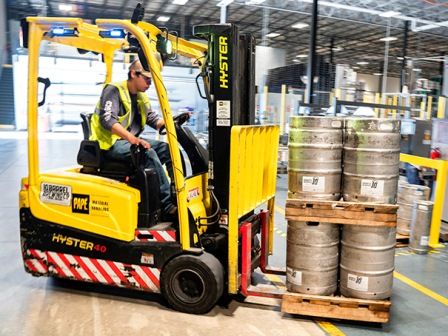
Standard Operating Procedure for Forklift Operation

An untrained operator of a forklift can be as dangerous as an unlicensed operator of a motor vehicle.

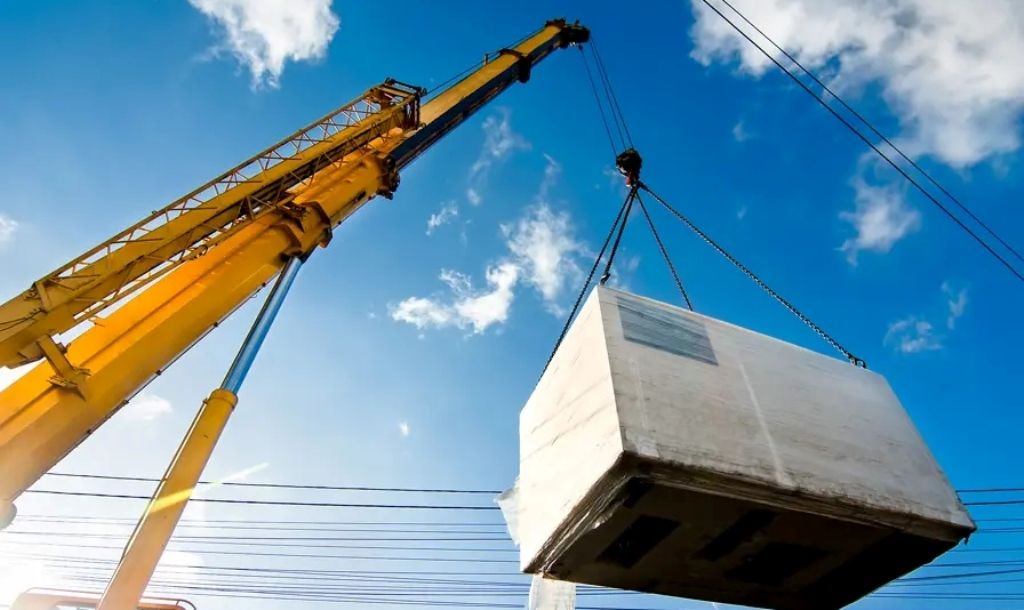
Mobile Crane Test Questions and Answers

The following practice questions are representative of a Level 1 Mobile Crane Theory Exam. These will give you a good idea of how the questions are worded and structured. Please note that relevant diagrams are included with the practice question wherever possible.

Mobile Crane Test Questions and Answers

Crane Operator practice test

According to Occupational Health and Safety Regulations, what is the minimum distance that must be maintained between a crane and a power line energized with 750v to 75 kv (75,000 volts)?

a. 3 m (10 ft.) **
b. 4.5 meters (15 feet)
c. 6 meters (20 feet)
d. 9 meters (30 feet)

What does the hand signal indicate in the figure below?

a. Boom up **
b. Hoist up
c. Load up
d. Hold the swing

What is the radio protocol between a mobile piece of equipment and a tower crane sharing the same workplace?

a. Mobile operator uses the site channel
b. A separate radio with a mobile-to-tower crane frequency **
c. Mobile rigger maintains radio contact with tower crane rigger
d. Mobile operator switches to tower crane frequency once on site

What does the Occupational Health and Safety Part of the regulation cover, if as an operator you are presented with a load to lift that worries you?

a. Wire rope rejection criteria
b. Right to refuse unsafe work **
c. Storage of rigging equipment
d. Weight distribution criteria of lifting devices

Using the Pythagorean Theorem, what is the unknown side (c) of the triangle in the figure below? Pythagorean Theorem: (a2 + b2 = c2)

a. 9.306 feet
b. 9.801 feet
c. 10.296 feet **
d. 12.661 feet

Which of the following is NOT an acceptable method for determining the weight of a load?

a. Load indicator
b. Bill of lading
c. Test lifting the load **
d. Calculating the load weight

What is the equivalent of 10,030 pounds in kilograms?

a. 3,057 kg
b. 3,238 kg
c. 4,554 kg **
d. 7,650 kg

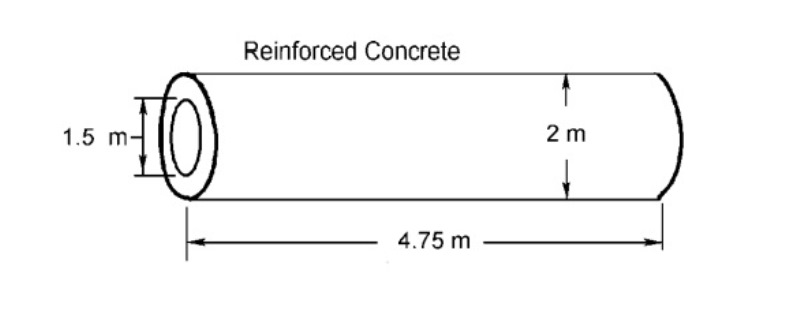
Refer to the figure below. When calculating the weight of the heavy wall pipe, what is the volume in cubic meters?

a. 6.525
b. 7.643 **
c. 8.390
d. 9.819

When must a pre-operational inspection of a crane be done?

a. Weekly
b. At the end of the shift
c. At the start of the day
d. At the start of each shift **

What is the net capacity at a 21-foot radius? The weight of the rigging is 400 pounds.

a. 7,800 pounds
b. 10,430 pounds
c. 17,680 pounds **
d. 23,475 pounds

These sample questions are intended to convey some of the style and content of the National Crane Operator Certification Program exam developed and administered by the National Commission for Crane Operator Certification.

They are not actual exam questions, nor are they intended to address all knowledge areas tested on the certification exam. The answer to these questions is not necessarily an indication of test performance.

More on this story

This Mobile Crane Certification Study Guide manual is all you will need to prepare yourself for taking the certification exams for all types of mobile cranes without wasting your time.

Its easy to read and understand using pictures when possible. It includes chosen information to help ensure you learn just what you need and avoid all the clutter.

Mobile Crane Certification Training Manual – Special Edition

Related Topics

Overhead Crane Test Questions and Answers

Tips for Passing the NCCCO Exams.

EOT Crane Questions and Answers

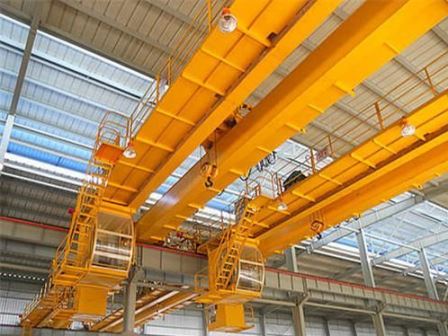
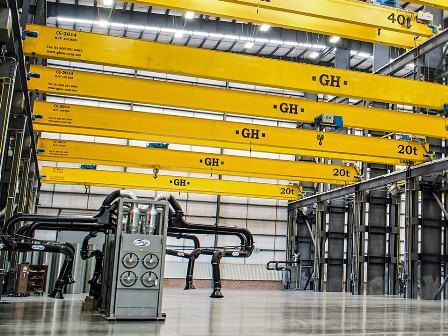
The operator’s job is to operate bridge cranes for the safe transfer of raw materials, intermediate products, and finished products within the plant.

Bridge crane components

Bridge crane components: Are you looking to buy your first overhead crane system and need to know where to begin? Or, maybe you’re looking to add another crane to your facility to expand your business’ production or manufacturing capabilities?

Overhead cranes can vary so much in terms of specifications and configurations—no two crane builds are exactly alike!

So, knowing how to select the right type of overhead crane for your business is critical to maximizing efficiency, streamlining workflow, and getting the best bang for your buck.

Our goal for this post is to provide as much information as possible about:

  • The definition and components of an overhead crane
  • Different types of overhead cranes
  • The process of designing and buying an overhead crane
  • The installation of an overhead crane system

We do believe that the more that you read, the better you’ll understand how to design and specify the right overhead crane for your business needs. The more you know, the better educated you’ll be during the entire purchasing process.

We thank you for your time and we’re here to help if you have any additional questions about overhead cranes, below-the-hook devices, or other lifting or material handling solutions.

Overhead Crane components

  • Definition, Types, and Components

A base-level explanation of overhead cranes and how you can select an overhead crane that is best suited for your business needs.

We realize that each person we work with may need some help filling in the blanks regarding different aspects of what an overhead crane is, what an overhead crane does, what types of overhead cranes are available, and which class of overhead crane may be best for their business.

In this article, our goal is to unpack some of these questions and break them down into their simplest format.

We want to help you establish a base-level understanding of overhead cranes and how you can select an overhead crane that is best suited for your business’s needs.

More on this story

Overhead Cranes

  • What are the parts of an overhead crane?
  • What is the purpose of an overhead crane?
  • How much does an overhead crane cost?

Overhead Crane Test Questions and Answers

  • Crane operator interview questions and answers
  • Rigging test questions and answers

Overhead crane manufacturers in the USA

Some have wondered if in the United States they fix, manufacture, elaborate parts, and components of overhead cranes.

How Far can a Cargo Ship Travel in a day?

In recent years, rising oil prices, adverse market conditions, strict regulations, and environmental issues regarding ship emissions have made it very important to study the importance of a ship’s speed.

Vessel speed plays a very important role in various environmental factors as well as economic factors for the vessel operator.

In this article we will look at how ship speed is measured, what are the various design speeds of different types of cargo ships, what are the various factors that affect ship speed, and why it is important to understand and regulate the speed of ships. boat speed.

How fast does a cargo ship travel mph?

Cargo ships travel at various speeds, many around 20 knots (or 23 mph), a day you’ll get 480 nautical miles or 552 miles.

Many cargo ships could travel at 25 knots, but they don’t because they use more fuel (660 nautical miles/day or 760 miles/day).

Some container ships travel as slow as 12 knots to save fuel. They only travel about 288 nautical miles per day (336 miles). The type of cargo they carry also influences the speed at which ships go.

Ship speed has a non-linear relationship with fuel consumption; the slower ship will have lower emissions than a faster ship. The speed of the ship has an impact both at the design level and at the operational level.

Maximum speed of ship in sea

Will cargo ships ever go fast?

When you sail cargo ships, you can’t make mistakes. It takes concentration and skill to steer a 700 foot boat at that speed. Fully manual steering, without putting it on autopilot.

There are Navy ships that can outspeed container ships, but a fully manned Navy ship is a far cry from a cargo ship.

These don’t even take into account the huge difference in fuel consumption, not to mention the safety concerns.

Freighters are fast enough already.

More on this story

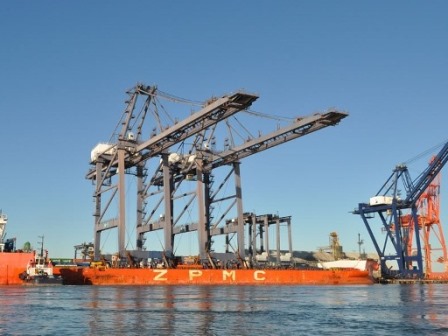
Types of Port Cranes

One of the basic infrastructures for handling merchandise and ships is all types of port cranes.

Super Container Ship

We take a look at the world’s ten super container ships (ordered by number of TEUs) built to date.

Port Cranes

Container cranes, RTG, types of ports in logistics, reach stackers, sidelifter and more.

How to Anchor Pallet Racks?

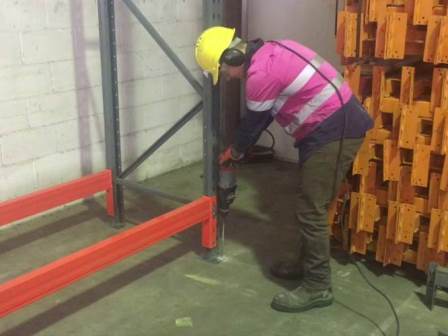
Pallet rack anchoring is an important safety measure to prevent racking from tipping or collapsing. It is important to follow the manufacturer’s instructions for anchoring pallet racks and make sure that the anchoring system is suitable for the type of floor and load capacity of the racks. Securing pallet racking is an essential step to ensure the safety and stability of the racks. Here are the steps for anchoring racks:

How to Anchor Pallet Racks to concrete?

  • Determine the type of flooring and the load capacity of the racks. This will help you choose the proper anchoring method and ensure the racks are securely anchored to the ground.
  • Place the pallet racks in the desired location and use a level to ensure they are level and plumb.
  • Mark the location of the anchors on the floor where the pallet rack uprights will be located. The number of anchors required will depend on the size and load capacity of the pallet racks.
  • Drill holes in the floor at the marked locations with a hammer drill using a masonry bit. The diameter of the holes must match the diameter of the anchor bolts.
  • Insert the anchor bolts into the holes and tighten with a torque wrench to the manufacturer’s recommended torque specification.
  • Install pallet shelves by attaching uprights to base plates with bolts and nuts.
  • Check the stability of the pallet racks after installation to ensure they are well anchored to the floor.

How to secure pallet racking?

Install end-of-aisle protectors: These are designed to protect the uprights from damage from forklifts and other equipment.

Use beam locks: Beam locks prevent beams from dislodging and causing the pallets to fall. They are easy to install and are available in various sizes to fit different types of racking systems.

Install pallet supports: These provide additional support for the pallets and prevent them from sagging or falling through the gaps between the beams.

Use wire mesh decking: This creates a solid surface for the pallets to sit on, preventing them from falling through the gaps and providing additional support for heavy loads.

Regularly inspect the racking system: Inspect the racks periodically to ensure that they are in good condition, free of damage and that all bolts and fittings are tight.

Train employees: Proper training for employees on how to load and unload pallets, how to operate forklifts and other equipment, and how to recognize potential hazards that can prevent accidents and ensure the safety of the racking system.

More on this story

How to secure pallet racking to the floor?

Pallet storage and pallet rack installation jobs require an experienced crew with the proper tools and equipment. Many people involved in pallet racking jobs don’t really know how to install a pallet rack. 

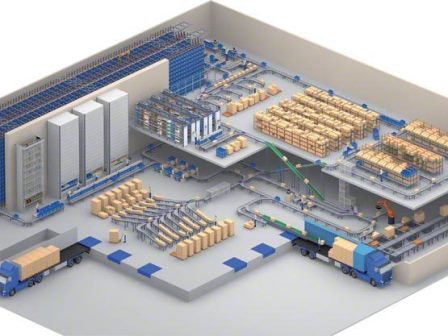
Warehouse Layout Design

With the continued growth and domination of e-commerce in the retail market, the demands on warehouses and distribution centers across the globe are also rising.

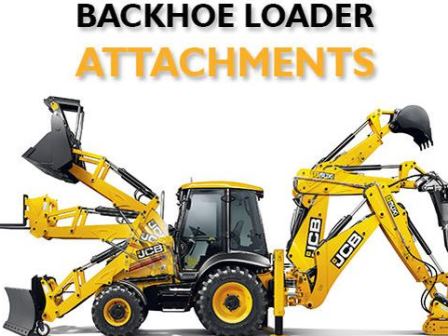
Attachments for Backhoe Loader

Make your backhoe do more with these attachments: Hydraulic breakers, thumb kits, compaction wheels, and quick couplers are among the attachments designed to extend the uses of your backhoe.

Here are some of the backhoe loader-oriented products for breaking, grabbing, refilling, and also quickly changing attachments.

Selecting the right plug-in improves productivity while saving time and money.

Replacing a standard backhoe bucket with a tool attachment depends on the job site environment, tasks, and future projects.

Understanding the capabilities of different backhoe attachments can help when making a decision.

Attachments for Backhoe Loader

Backhoe accessories

While heavy equipment parts are often built for a single purpose, backhoe loaders and their accessories are available to diversify machinery to suit your needs.

Rather than investing in new equipment each time a different task arises, backhoe attachments can transform a single-use machine into a multifaceted asset to help boost productivity.

This Backhoe Attachment Guide is for a better understanding of the various attachments available and their uses. The range of tools available for backhoes allows you to tailor your machines to suit a variety of tasks.

Thumbs for backhoe

One thumb set, they are available for backhoes with or without quick coupler. Customers can choose between manual or hydraulic versions.

They are made of steel, have a main long pin for mounting and lining between the teeth. They come with the jump hoses needed for the dipper hydraulic attachments. They are designed to clear the boom and grip at all points and mesh with the teeth on the backhoe bucket.

Hydraulic hammers for backhoe

Hydraulic hammers convert recoil energy into reusable energy to deliver more power with the same amount of hydraulic input.

The breaker box guiding system also minimizes kickback forces to put less stress on the carrier, operator and breaker.

They are compatible not only with backhoes, but also with skid steers and excavators and can be used for demolition, landscaping, building renovation, road construction, rock excavation and quarrying.

Backhoe Buckets

Front buckets and rear backhoe bucket attachments are among the most common, even with other types of heavy equipment units. Different types of buckets are available to optimize the digging process while withstanding tough working conditions.

12 “to 60” buckets for heavy duty, ditch cleaning, with options to come with or without teeth. Backhoe buckets are durable construction with a steel cutting edge and beveled steel side cutters.

The design offers abrasion resistant full curve side and double bottom wear pads. Optional 4-bolt side cutters and additional pins are available.

Trencher for backhoe

Trencher accessories are the perfect tools for cutting through soil, asphalt or concrete with precision and ease.

They help everyone from contractors and landscapers to maintenance crews, in digging narrow trenches from 100 to 300mm, to install irrigation systems, power and water lines and even carry out road repairs or general construction tasks.

Trencher attachments can be used on backhoes, mini excavators, hydrostatic skid steer loaders, and skid steer loaders.

Grapples for backhoe

Able to be rotated 360 degrees clockwise and anti-clockwise, the grapple attachment comes in many forms and can be used for all kinds of site lifting and shifting jobs.

The multi-tine grapple has the most variety in terms of application usage, often being used to shift large and obscurely shaped loads.

Whereas specializing in loading and unloading, sorting and demolition work, the demolition grapples tough design and high closing force makes it an effective tool during larger projects.

Attachments for Backhoe Loader

Several things to consider are the type of job site, the size of the attachment, the toughest ground conditions you are operating in, and the tipping load of your unit.

Investing in a variety of excavator attachments gives you a huge competitive advantage by getting the most out of a single machine.

It is a cost effective solution that also provides versatility and flexibility with each accessory. Plus, instead of relying on multiple machines for different jobs, you can transform a single unit into a multi-faceted machine.

The right work tools attached to your backhoe lead to better results in less time. Workmanship improves when you have the right tools to do specific jobs.

Accessories help contractors in all industries complete tasks with a minimum of defects.

Aftermarket backhoe attachments

Buying a new machine for every task is neither feasible nor profitable, so by adding tools to your existing backhoe, you can turn a single machine into a versatile asset.

Your fleet capabilities increase without physically increasing the number of machines. With quick and simple installations, accessories also help reduce downtime and improve the flow of your projects.

More on this story

Backhoe Loader Attachments

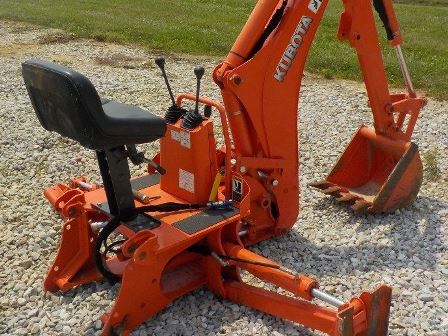
The backhoe is the main tool of the backhoe loader. It’s used to dig up hard, compact material, usually earth, or to lift heavy loads, such as a sewer box.

Aftermarket Backhoe Attachments

Aftermarket parts for backhoe loaders are also referred to as non-original equipment manufacturer parts, generic parts, or competitive replacement parts.

General purpose Bucket attachment for backhoe

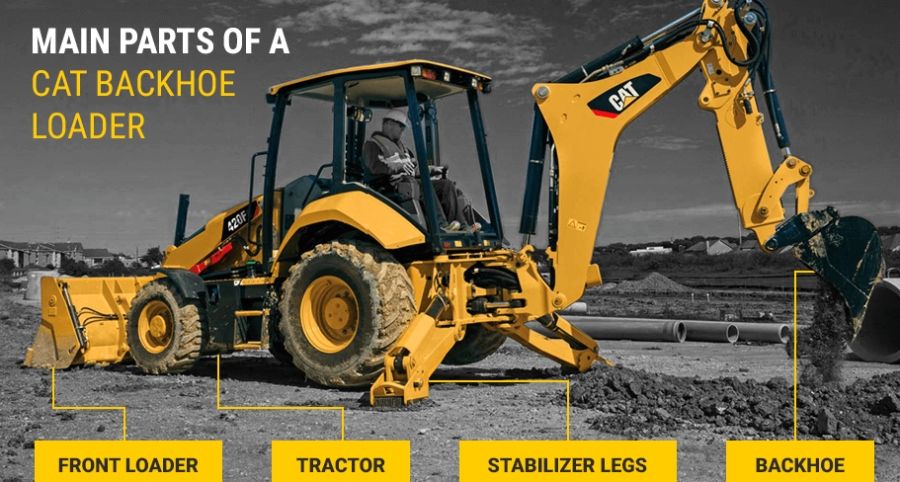
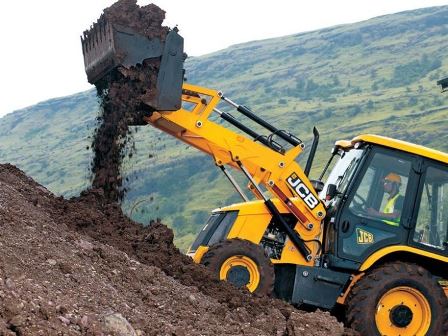
This machine consists of four main parts: the cab, the tractor, the backhoe, and the front loader or general-purpose bucket.