Professional Web Writer | Motor Enthusiast | Content Creator | Logan is a dedicated and skilled web writer, passionate about engines and machines and with a talent for creating engaging and informative content.
She specializes in writing about a diverse range of topics including construction, forklifts, heavy equipment, excavators, etc. SEO Optimization: Proficient in SEO best practices, ensuring high visibility and engagement for all published content.
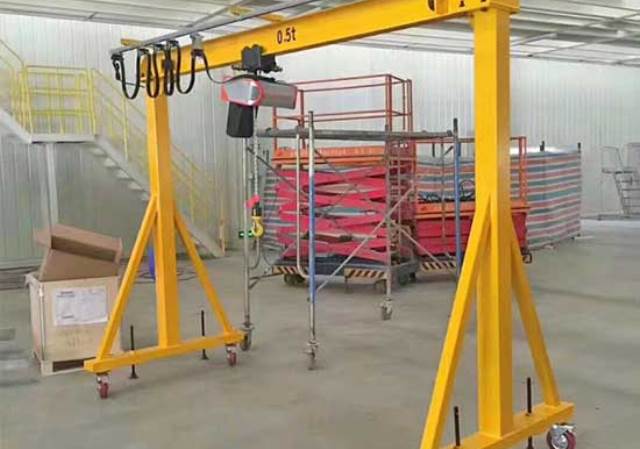
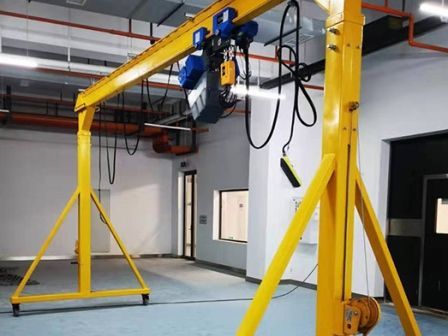
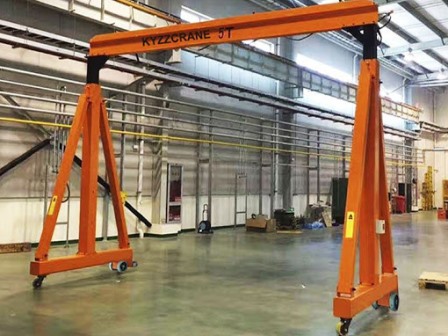
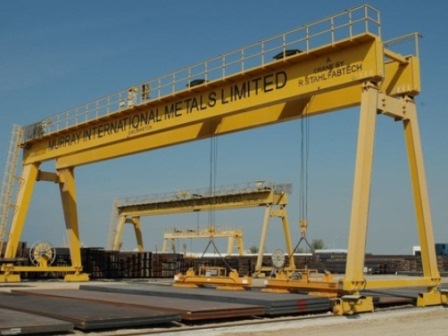
Small gantry cranes are the perfect solution when heavy-duty lifting equipment that is versatile and easy to set up and use is required.
Small cranes are widely used in a variety of industrial settings. From construction sites to ports and docks, they provide a safe and strong anchor point for lifting and lowering equipment, materials and personnel.
If you’re looking for the best small gantry crane, there’s a selection of gantries designed for efficiency, strength and dynamism. Constructed of durable, lightweight aluminum, gantry cranes can safely lift up to 11,000 lbs., making them the best choice for a variety of applications.
Small Gantry Crane for Sale
Adjustable gantry crane for workshop
The adjustable crane is ideal for workshop applications. It can be used both indoors and outdoors and can be configured to suit your specifications. When used to lift and lower machinery and equipment, it has a lifting capacity of 11,000 lbs.
The gantry crane is highly customizable and can be tailored to meet your requirements. It is available in a variety of height configurations and different beam lengths. It also provides a superior anchor point for fall protection and great versatility for lifting and lowering a variety of cargo and materials.
Within the construction and workshop industry, our frames can be used in residential housing developments, commercial construction projects and a variety of civil engineering schemes, including infrastructure projects and industrial developments.
Small portable Gantry Crane
Gantries are a popular method of moving goods and materials throughout the production and storage industry. Gantry cranes are completely portable, making them the perfect choice for use on sites where they are needed for multiple purposes.
A manufacturing company can use cranes to move materials around a factory, ready for production.
After production, gantry cranes are critical to safely lifting finished product onto trucks for distribution.
Portable cranes can be easily moved around a job site. They are compatible with a variety of hoist systems that can be moved along the gantry beam and then locked in place to ensure a strong and secure anchor for lifting and lowering loads.
Small Gantry Crane for Sale
Not all standard gantry cranes can perform all tasks. There are times when a custom gantry crane is the answer.
Designing the right portable lightweight gantry crane that will make your job easier.
Along with the right solution, you’ll get a lightweight aluminum portable gantry crane with a strong beam that includes a trolley with hoist, an operating manual and a 10-year warranty against manufacturing defects.
Every gantry crane, whether standard or custom, is tested at the factory facility before it leaves for your facility.
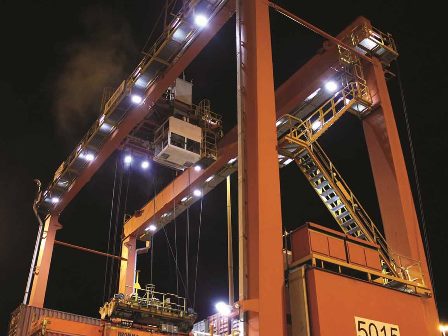
They are very similar in nature to bridge cranes; the only difference between the two configurations is the gantry crane’s mobility compared to bridge cranes.
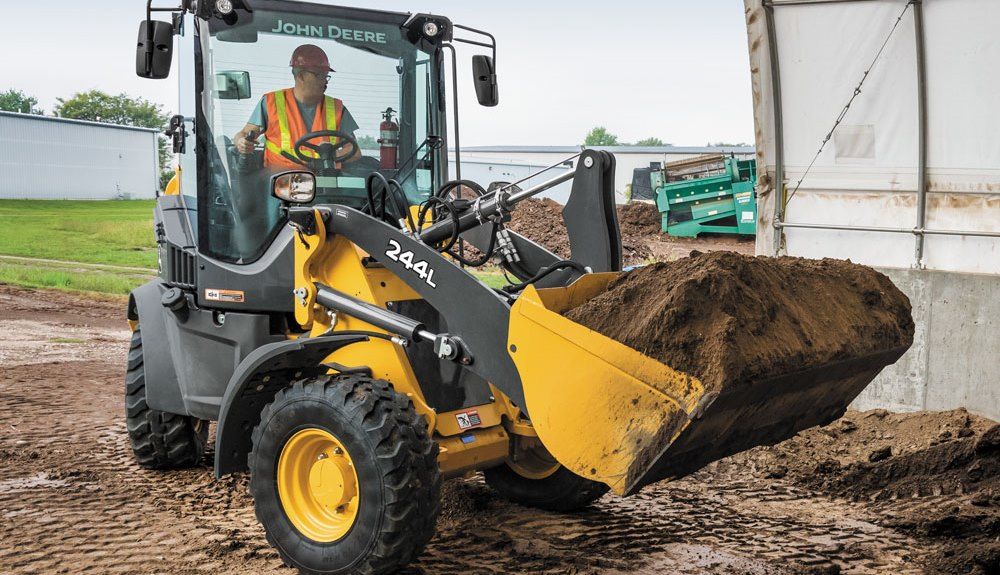
Front-end loaders are pieces of heavy machinery that are primarily used in the construction industry. They are essentially a variation of tractors. However, the large tires and heavy treads make them ideal for big, tough jobs.
Front-end loaders are used to pick up, dig, unload and transport all kinds of construction materials. They can also be used in agriculture and for snow removal.
All-wheel loaders feature a square bucket known as a loader. The loader attaches to the front of the machine and can be maneuvered from side to side using the flexible arms of the machine.
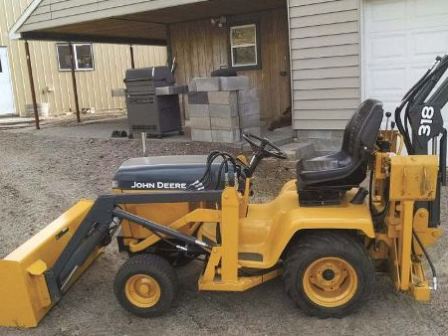
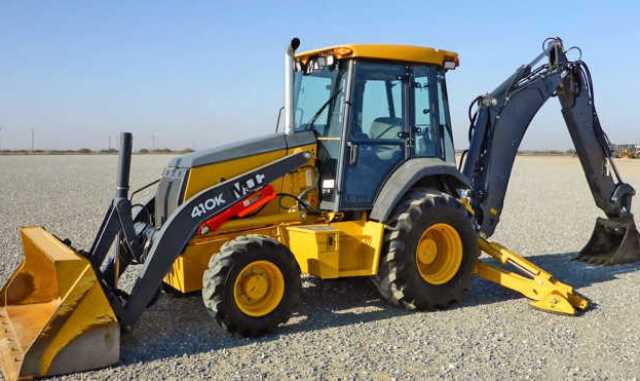
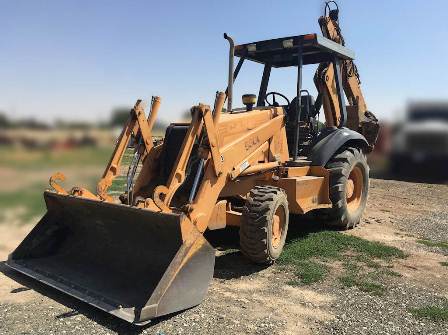
Front-loaders are available in a variety of sizes and configurations. There are compact chargers, small chargers, medium chargers, and large chargers. Skid steers and backhoe loaders are also considered wheel loaders. In the case of backhoes, the machines have a bucket at the front and a backhoe at the rear.
The biggest advantage of wheel loaders is the power they provide. However, wheel loaders tend to have limited digging depths, making them only suitable for shallow digging work.
Front end Loader for Sale
Tractor front end loader for sale
Buying a front loader for your farm can be a big investment, so if you don’t need a front loader repeatedly for different types of jobs, renting may be the best way to go. How much to pay for a front loader? Can a front loader be rented? How much does it cost to rent a front loader? We answer these questions below.
When you lease, you can be sure you’re getting a machine that’s in good working order, insured, and covered by the company’s maintenance plan so you can simply get the job done and return it.
In situations where you simply need a machine quickly to meet a deadline or perform an occasional task, leasing is naturally the best option.
When you rent, you free yourself from care and maintenance responsibilities, and if something goes wrong, you can call the rental company to fix it.
On the other hand, if there is a machine that you need on a regular and ongoing basis, you will want to make the investment for purchase.
Although it is more money, to begin with, in the long run, having a frequently used machine will save you money.
Front end loader rental
If you don’t have the ability to spend a lot of cash and find that you need a front loader on a regular basis, leasing may be the way to go.
When you rent a front loader, you’ll have it with you every day to tackle the jobs at hand. Simultaneously, you will have access to the authorized dealer for repair and maintenance.
At the end of your lease term, you may be able to apply the payments you’ve made toward the purchase price to go ahead and purchase the front loader you’ve been using.
Alternatively, you can easily upgrade and lease a different front loader or simply return the original with no hassle.
Different Types Of Loaders
Choose wisely to maintain the value
If you’re buying a new front loader, you should naturally consider its potential resale value. More established brands and more versatile vehicles are much more likely to retain their resale value.
Other things to consider when buying a new front loader are the factory warranty and service agreement. Examine them carefully and make sure you understand what you’re subscribing to before you make a purchase.
The wide selection consists of wheel loaders, payloaders, crawler loaders, and integrated tool carriers. Search inventory to find front loaders from top manufacturers including Caterpillar, Komatsu, Kubota, John Deere, Volvo, and more selling near you. Additional services are available, including financing, insurance, and warranties on select front-end loaders.
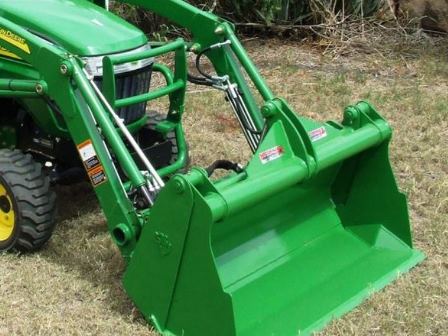
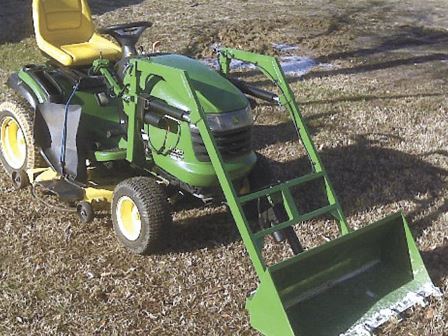
For those unfamiliar with garden tractors, a front loader doesn’t seem like a useful tool. The truth is that garden tractors can be fitted with a front loader kit.
Whether you call it a bucket, a scoop, or a front loader, the solution for handling materials with a lawnmower is through a kit, which you must install in your equipment.
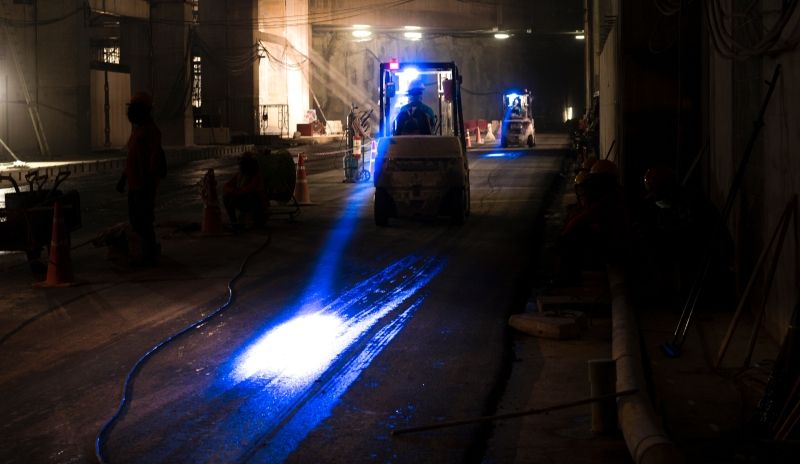
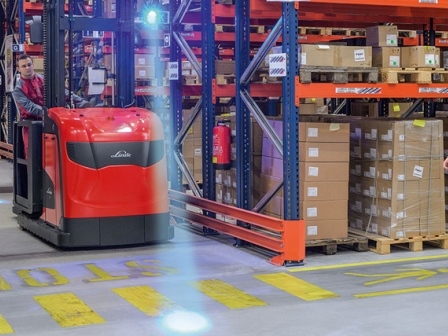
Pedestrians might not see a forklift rounding a corner, emerging from a rack aisle, or backing out of a trailer, but warning lights give them advance notice by projecting a super bright, 18” disc of light onto the floor as the forklift moves.
Lights are wired to forklifts and draw only 7 watts of power.
12-110V voltage range means they will run on almost any standard forklift. Since they move when the lift does, lights help pedestrians understand if a forklift is moving. Mount directly onto the forklift or through a magnet mount.
Blue Back up Lights Forklift
Forklift light indicators
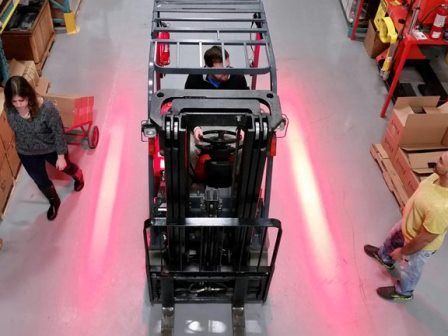
Draw a high-visibility line around your forklifts with side zone lights that helps people stay away from the forklift.
The Red-Zone LED warning light helps lower the chances of workers getting hit by the rear end swing of a turning lift or their feet getting run over by illuminating a safe zone.
Installation is simple; all necessary hardware is included with the light to set a safe perimeter for any size machine. One light creates one line, so add another to guard both sides of your forklift.
Back up lights
180° Degree Arc Lights
Help pedestrians stay out of the path of approaching vehicles they may not hear or see. Super bright and super durable LED lights cast a 180° arc of light on the ground to indicate the danger zone in front of or behind the vehicle. For added 360° safety awareness, mount it to the front and rear of your forklifts and other industrial vehicles.
Cheap lights can cost you a lot. They are duller, fade over time, are less reliable, and eventually, fail. Look for a light that has high lux ratings (not lumens) and a lifetime warranty.
Back-up lights: a light mounted at the rear of a motor vehicle and so connected that it shines only when the vehicle is in reverse gear illuminating the road behind.
How much does it cost to replace backup lights?
Warning lights are ubiquitous and many are inexpensive, some costing less than $30. Your lights should work every day, all day for years. They must be reliable, bright, and durable. Dim, cheap lights that don’t last can backfire.
High lux ratings make the light crisp and visible. Intensity is measured by lux, which is the amount of perceivable light projected onto a surface. Don’t focus on lumens. Your light should have at least 900 lux so it will be intense, bright, and visible.
Long-term warranties are a sign of quality. Some lights have no warranty at all, or only one year, please avoid them. Quality lights are at least four years old, and life is even better.
Insist on excellent heat dissipation. The lights will last longer and won’t fade as quickly as cheap lights.
The Safety Warning light projects a clearly visible spot beam onto the floor that alerts pedestrians and other vehicles of the nearby presence of the forklift.
Moving heavy or bulky loads through aisles or on the ground takes time and can lead to injuries, mobile cranes are a good solution for this. This is because they allow warehouse owners to easily lift, lower or even move loads horizontally.
Modern technology has diversified mobile crane safety systems to improve the safety of equipment as well as on-site production processes. These safety systems include sirens, horns, buzzers, indicator lights, anti-sway technology, collision avoidance system, radio remote control, brake slip detection, etc.
The most popular of these systems is the crane warning light. Mobile crane warning lights can be white lights, blue lights, or red lights that have been mounted on the crane hoist to project directly onto the floor surface. The crane safety light can use LED lights, lasers, or both. Most of them are capable of lighting large areas of up to 15-20 feet.
mobile crane warning lights
Safety warning lights
With modern technologies becoming more affordable, the safety features available for mobile crane systems have never been better.
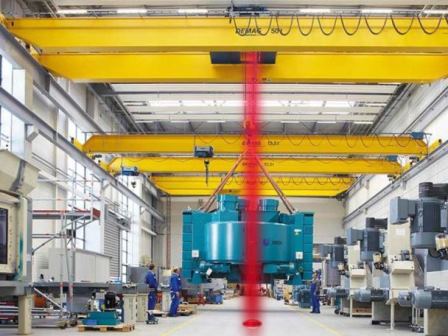
Warning lights and indicator lights can be incorporated into the design of an overhead crane to provide personnel on the ground with an idea of where the overhead crane is and where the hook will be. These lights come on automatically when crane equipment is up and running, helping to reduce accidents and operator error.
These bright red, blue, or white lights are mounted to the crane frame and are projected directly onto the ground using lasers, LED lights, or a combination of both. Warning lights do not replace audible alarms, but rather provide an additional visual warning to pedestrians and motorized traffic in the vicinity of the crane. These lights can illuminate an area up to 15 to 20 feet from approaching hooks and operating crane equipment.
Operators can also use these lights as a reference point tool to help them position the hoist and hook to make their picks or place a load.
Mobile Crane Lighting regulations
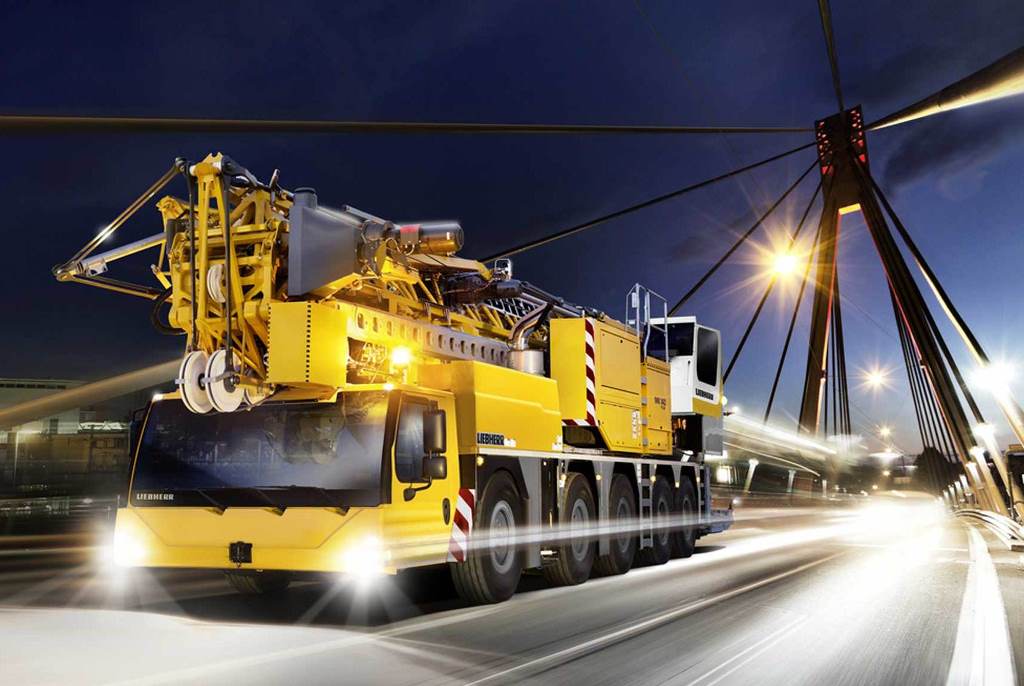
Mobile cranes are crawler or rubber tire-mounted cable-controlled cranes or truck-mounted hydraulic telescopic boom cranes.
Mobile cranes generally operate a boom from the end of which a hook is suspended by wire rope and pulleys. Steel cables are operated by whatever prime mover the designers have available, operating through a variety of transmissions.
Mobile crane manufacturers are designing cranes that can address the complexity of urban development sites. Different types of mobiles serve varied purposes.
When shopping for a backhoe loader, there are many big-name brands to choose from, including John Deere, Kubota, Caterpillar, JCB, Komatsu, CASE, Volvo and Terex. Who among them makes the best backhoe loader?
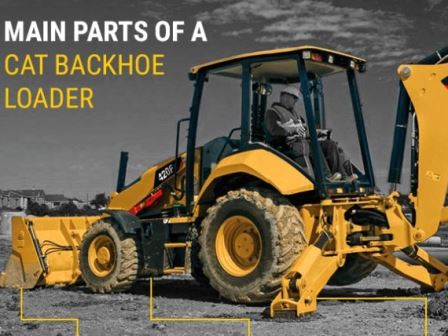
Which brand of backhoe you choose matters a lot for a number of reasons. The various brands on the market may look similar, but they have vast differences in power and capacity. Some models, like JCB, can dig deep, CAT backhoe loaders can lift heavy loads, while Case backhoe loaders are all-round performers.
Best Backhoe for Homeowner
Best compact backhoe
There is no one “best” backhoe brand for everyone. The best make and model depends on your budget, your location, and your job needs. Different manufacturers focus on a variety of specifications to do different types of work.
Since all of the above brands are good backhoe loaders, focus more on ease of maintenance and service. Proximity to a dealer and parts availability should be some of the most important factors to consider when choosing a backhoe brand.
After that, you can narrow your search down to specific specifications, such as digging depth, power, and lifting capacity.
Overall, we think John Deere, Case, and Kubota are the best backhoe brands for most owners. They are powerful enough for most household jobs, affordable and easy to operate.
If you need something that can handle tougher jobs, JCB, CAT are great options. JCB models have the greatest digging depth, CAT backhoes have high lifting capacity and JD backhoes offer good performance in both digging and lifting.
Backhoe for Homeowner Specs
backhoe price
Some brands are cheaper than others, so you’ll need to know which brand of backhoe is within your budget.
backhoe operation
Some backhoes are easier to operate than others, especially for first-time owners.
backhoe loader maintenance
Unless you are an experienced mechanic or have access to one, choose a brand that makes backhoes easy to service. You’ll also want a backhoe that is easy to get parts for and whose dealers are available at your location.
Backhoe loader cost
Buying a backhoe loader is a big decision for many people. Whether you’re in construction or looking to tame some of your own acres, backhoes are an extremely vital piece of equipment.
Here we will break down the most common questions and concerns you may have about the cost of this large but vital piece of equipment. It’s important to understand the many accessory options, as well as the average price of new and used equipment.
Considering the various functions of a backhoe loader, you might assume that the prices of such equipment vary as well. Although the cost of some accessories can be high, the backhoe itself can be a smart and affordable purchase for your business or home.
We will cover the prices of the most common equipment with real life examples. After all, the savvy spender knows how to spot a bargain and when to look for more expensive equipment.
Average New Backhoe Loader Price
A new backhoe will be the most expensive purchase. Depending on the brand and type, you are looking at tens of thousands of dollars spent. The most common backhoe loaders from brands like John Deere, Caterpillar, Bobcat, and JCB average between $15,000 and $80,000.
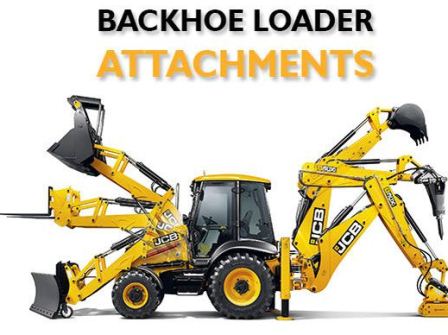
Knowing the metrics of each model is important, but attachment versatility is more important when considering an all-new backhoe loader. The improvements to backhoe loader arms and the functions they can perform are vast and should be carefully considered.
The backhoe is the main tool of the backhoe loader. It’s used to dig up hard, compact material, usually earth, or to lift heavy loads, such as a sewer box. Basically, the backhoe is a big, extremely powerful version of your arm or finger.
The risk of damage is an inherent part of most industries and initiatives. We can not get rid of danger completely however we can reduce the risk and control it utilizing normal procedures and good work practices.
Some employees should consider a Job Safety Analysis (JSA) as just an extraordinary sheet of paper containing a listing of jobs, hazards, and learn how to control them.
Yet behind that, JSA is a vital tool that helps employees in doing work safely and efficiently. JSA not only helps forestall staff from accidents at work but in addition protects work tools from harm.
JSA is a safety management technique that focuses on the identification of hazards and the control of hazards related to jobs or tasks to be performed during the loading or unloading of products.
Job safety analysis for loading and unloading
Risk assessment for loading and unloading of materials
Loading or unloading areas are essential for many businesses, including production facilities, logistic centers, product receiving or shipping centers, department stores, etc.
These areas can be very dangerous for workers due to the type of operation, the use of mobile equipment, and the frequent interferences between workers and mobile equipment.
This publication reviews a quantitative methodology to analyze and map the risks related to loading or unloading areas, with the aim of comparing the different levels of worker exposure, considering different technical and design solutions.
This methodology is based on the identification of risk assessment criteria (risk grading) from which it is possible to extract quantitative indications of the vulnerability level (probability), severity (loss potential) for each site, and the impact of single risk factors.
Job safety analysis for loading and unloading
A job safety analysis is a vital portion of the hazard administration put together within the business.
As a portion of the hazard identification prepare, the JSA could be an administration instrument utilized to decrease the level of hazard to essentially the most decreased conceivable worthy degree by allowing all people of a gaggle to relate and create a standard understanding of the assignment, strategies, and risks associated with finishing the errand.
The equipment is accessible, using it for probably the most noteworthy benefit is another matter.
The nice, terrible, or impassive discernment of the JSA as a planning tool by the person finishing it encompasses a noteworthy effect on the standard of information on the record and the extent of entering by laborers concerned.
How a lot persons are trusted and internal control relations can altogether influence the eagerness of representatives to communicate and manage hazards.
Different individual variables that can affect communication incorporate particular person encounter, likelihood appraisal, and individual discernment of a specific probability with regard to differences.
Loading or unloading docking bays
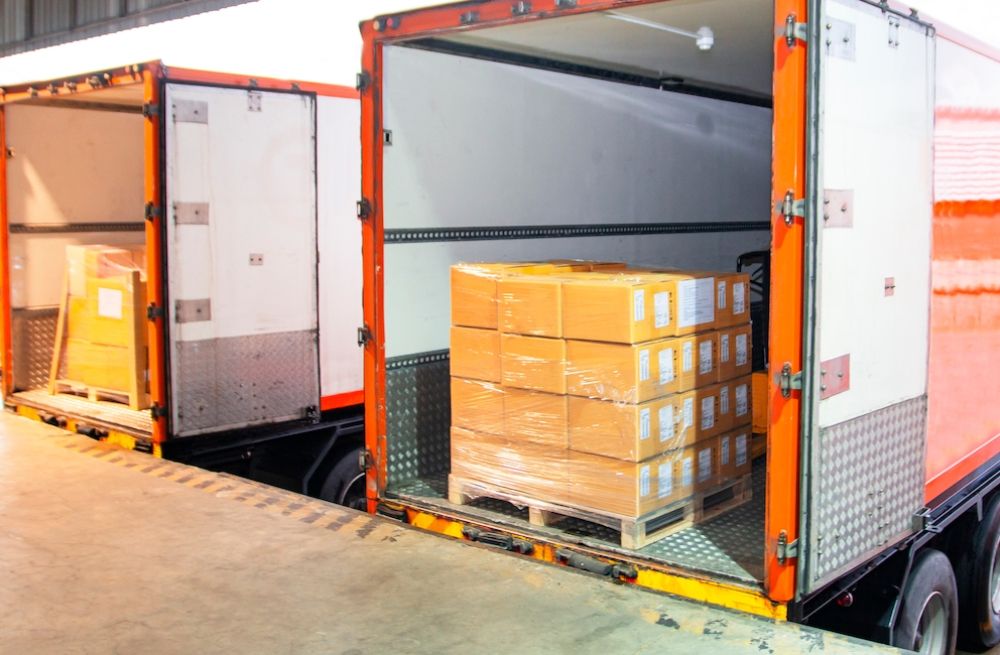
This paper refers to loading docks in which the connection between the floor and the truck is made through electro-hydraulic ramps. This connection must be correctly positioned to guarantee stability during the passage of mobile equipment or operators used to load or unload the truck.
Typically, loading docks are at least 1.20 m high and are as long as needed to cover the front of the service area to protect equipment operations from the weather.
Loading ramps and docking bays have specific characteristics and are referenced in the Health and Safety rules in work areas.
These work areas are often identified as the most dangerous in many Risk Assessment documents and are therefore subject to particular attention by Prevention and Protection Officers. Evaluations are usually based on qualitative or semi-quantitative criteria, using a risk matrix where higher values correspond to higher risks.
However, an in-depth analysis of the areas is usually lacking, thus preventing the identification of the main risk factors on which to intervene with adequate prevention and protection measures.
Assuming typical work rules are respected, the following methodology provides a tool to compare different physical and human arrangements to assess the aspects most affecting a loading/unloading area risk.
Job safety analysis step by step
The Occupational Safety and Health Administration (OSHA) requires formal hazard assessments for situations such as confined space work or when a job calls for Personal Protective Equipment (PPE). Conducting a Job Safety Analysis (JSA) is one way to meet these requirements, and to make any dangerous job less risky.
The purpose of conducting and writing a JSA is to better understand the hazards of a particular procedure, so you can take steps to mitigate them.
When performed correctly, JSAs also promote better safety communication and engagement among management and employees.
With that in mind, we’ve broken down how to conduct a JSA into simple steps, with added tips on how to make your JSAs more effective.
Common preoperative procedures
The first step in performing a JSA is to identify which procedures you’ll focus on. High-priority areas should include procedures associated with:
A history of past injuries or a high frequency of safety incidents.
High potential to cause an injury.
Potentially high severity of incidents.
Infrequent use and low hazard awareness.
New processes or equipment, including recently changed processes.
Job safety analysis: step by step
The second step is to take the job procedure under analysis and break it into steps. The best way to do this is to observe an employee as he or she is doing the job, and some people even find it helpful to take videos for review.
Your goal should be to break it down into manageable chunks. You don’t want it to be so general that you’re omitting key steps, and yet you also don’t want to get so granular that you have too many steps. The general rule of thumb is 10 or fewer steps.
Identify hazards in the workplace
At this point, you need to look at each step and pinpoint what could go wrong at each point. Ask yourself questions such as:
Do moving objects or equipment pieces pose a hazard?
Is any lifting, pushing, or pulling required that might cause strain?
Could the employee slip, trip, or fall?
Are environmental hazards like extreme temperatures, lighting, or noise a concern?
Are harmful substances such as chemicals, dust, or fumes involved?
Leveraging Risk Management software makes this step even more effective. You can assess the risk of the procedure as a whole, as well as at individual steps to determine where to focus on controls.
Implement the solution
For each hazard, you should identify controls that mitigate the risk of a safety incident. In the following order of preference, look for ways to:
Eliminate the danger: this strategy is the most effective. Possible measures include using a completely different process, modifying the process or tools, substituting materials, and adapting the work environment (such as improving ventilation).
Contain the Hazard – If you cannot eliminate the hazard, controls such as machine guards or work cabs can help contain the hazard.
Review your work procedures: Whenever possible, you should look for ways to modify the procedure to reduce your risk. This could mean adding steps or changing them.
Reduce the frequency of work: If you cannot do any of the above, you should look for ways to minimize the frequency with which employees perform a certain job.
Communication of research findings
All the work you’ve done to this point is useless if you’re just filing your JSA away in a binder somewhere. The entire purpose is to help people understand how to work more safely, so make sure to:
Distribute copies of the JSA to all affected employees.
Include safety measures identified in the JSA in employee training programs.
Make the JSA easily accessible to workers, whether with hard copies or on your EHS Software.
Use the JSA to inform refresher training for infrequent jobs.
Review your assessment and update if necessary
A JSA should be a dynamic document that management and employees collaborate on to review and update regularly. Areas to focus on here include:
Periodic follow-up: A manager or supervisor should observe the procedure and compare it to the JSA on a monthly basis.
After an incident: Part of the incident investigation process should be a comparison of what happened against JSA procedures. This can help you identify whether you have a gap in the JSA, or whether an employee needs additional training.
Process or equipment changes: Whenever you introduce new equipment or processes, or if you revise processes, you need to take a look at the relevant JSAs.
When all is said and done, a JSA is only as good as the effort you put into it. If you just check the box, you’re not likely to get results. Follow these steps, however, and you’ll be on a more reliable path to safe work.
what is job safety analysis?
what is job safety analysis?
Job Safety Analysis (JSA) is a systematic procedure that breaks each job or task into key training sequences, identifies safety elements of each job or task step, and coaches the employee on how to avoid potential safety hazards.
What is the purpose of a job hazard analysis?
The purpose of a Job Hazard Analysis (JHA), also known as a Job Safety Analysis (JSA), is to proactively identify, control, or eliminate potential or actual dangers in a job or task.
Any person who operates, leases, rents, or borrowed heavy equipment must take many hours of safety training for each type of equipment before they operate the equipment.