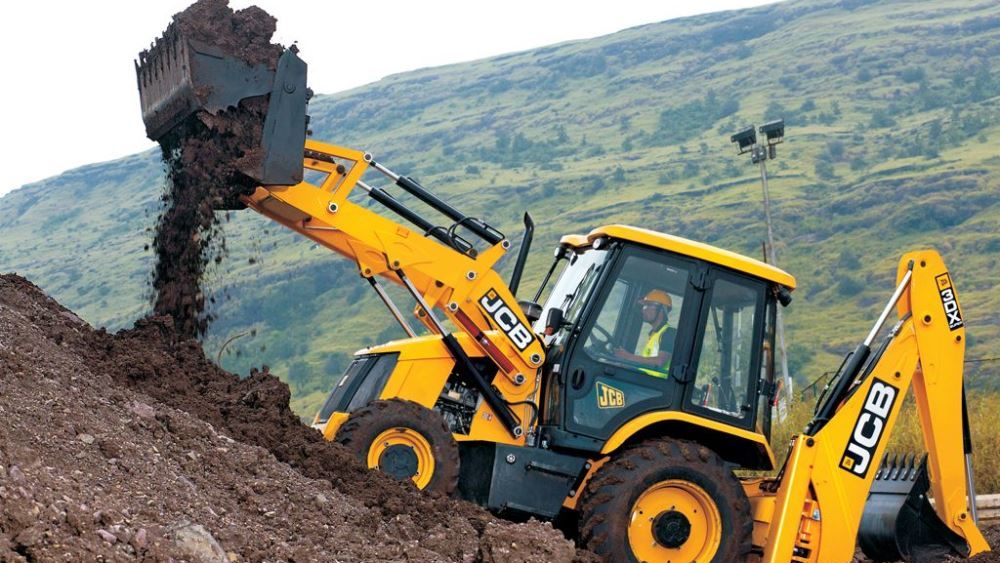
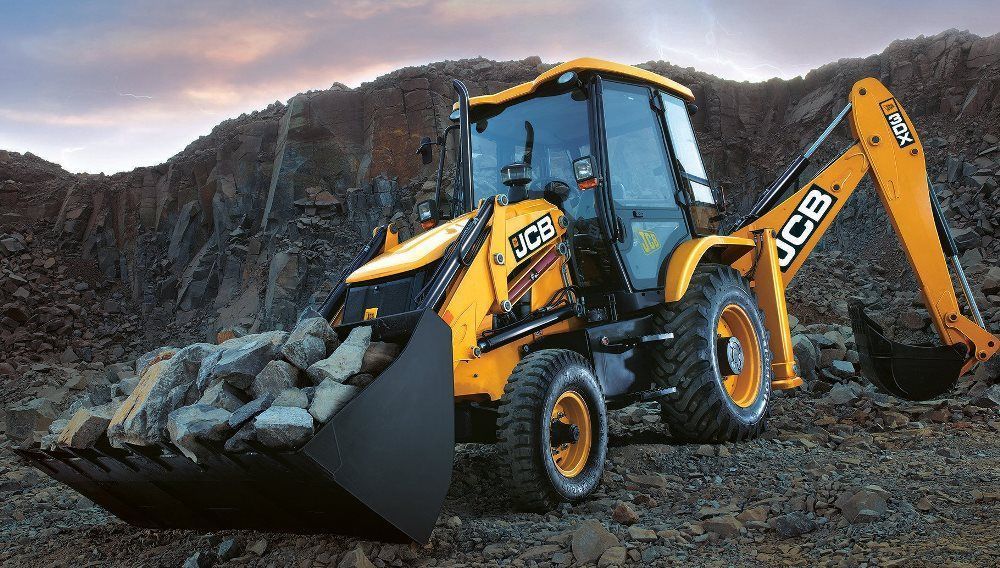
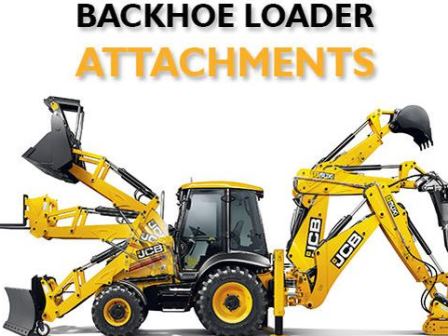
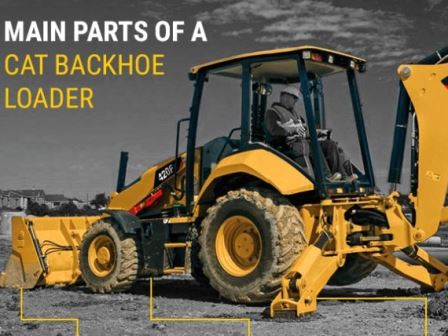
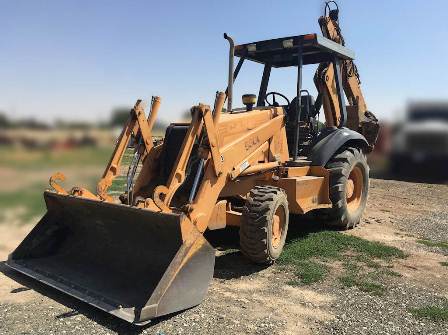
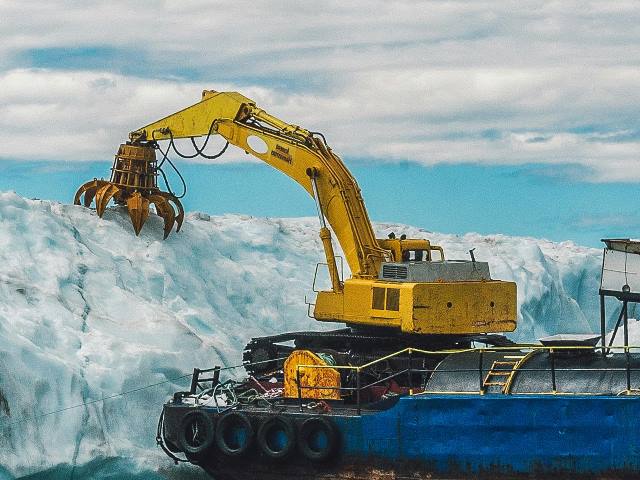
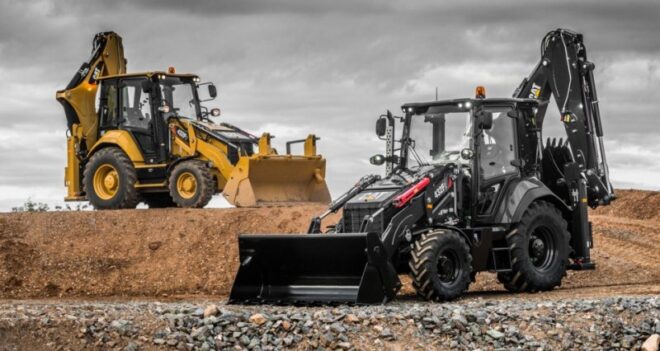
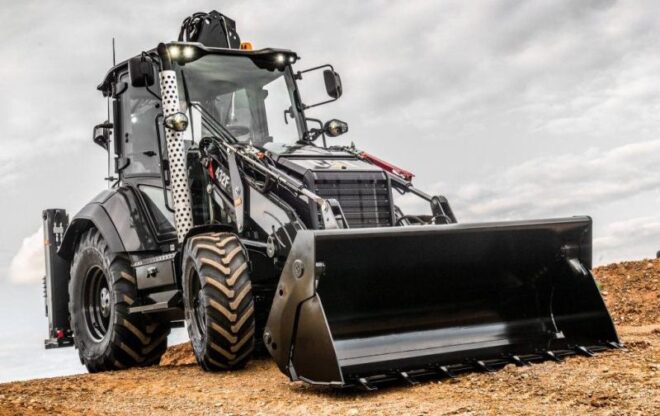
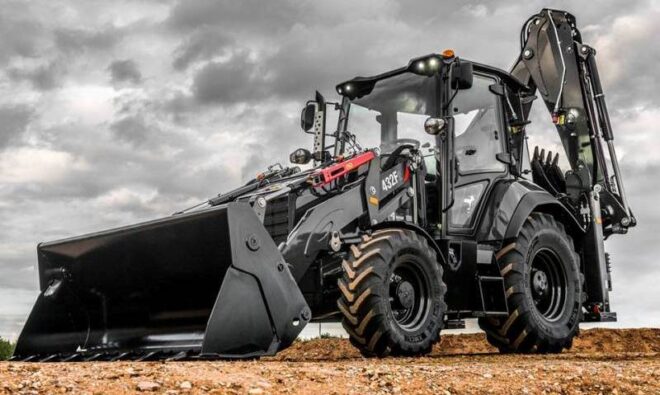
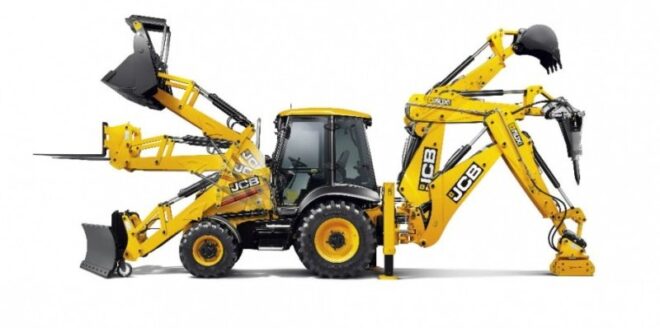
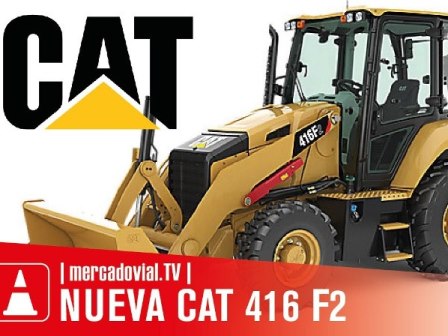
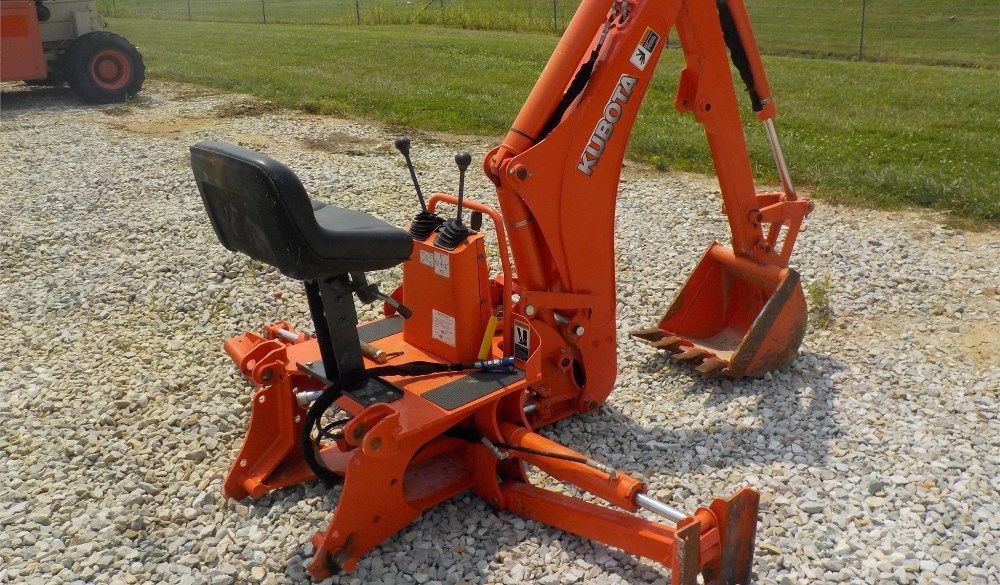
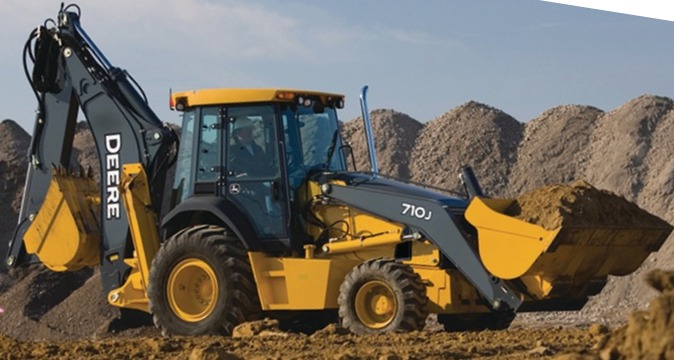
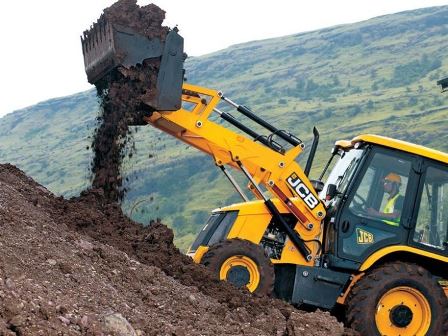
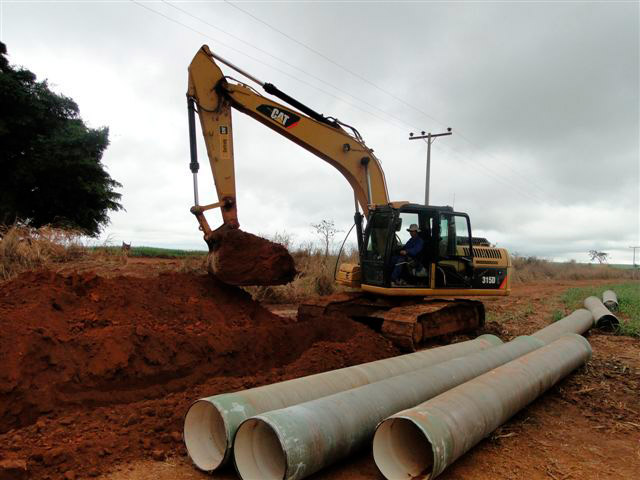
This machine consists of four main parts: the cab, the tractor, the backhoe, and the front loader or general-purpose bucket. Essentially, it offers many components but only requires a single operator. Depending on the task, the operator either uses the front loader to push and transport materials or the backhoe to excavate and dig.
For this article, we will call all “front end loader” a “General purpose Bucket”
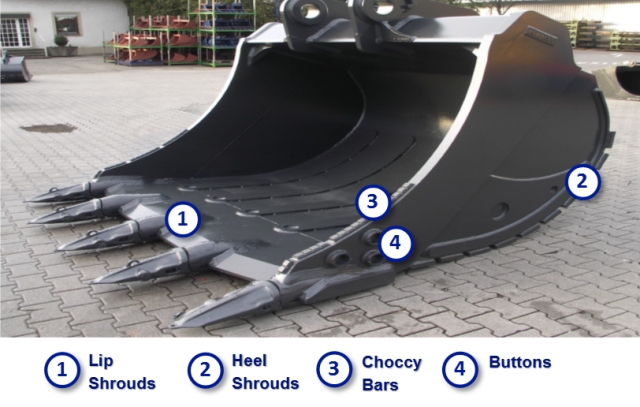
Buckets are generally made of hardened steel and have teeth on the digging edge to aid penetration, although light buckets may lack teeth.
Heavy-duty buckets may require tungsten teeth to break through harder materials. You can find different types of excavator buckets, such as:
Standard or digging
Heavy
Severe
Narrow
Trenching
Skeleton
Grading bucket
V bucket
General purpose Bucket attachment for backhoe
Multi purpose buckets
Multi-purpose buckets for backhoe loaders offer excellent versatility by enabling one work tool to do the job of many. This bucket is ideal for material handling, clamping, grading, leveling, and grasping irregularly shaped objects.
So which backhoe attachment is right for your job? Starting off, you should look at your project scope and understand what functionality you want the backhoe and its attachment to have.
With over 30 types of attachments, knowing which type is best for your backhoe hire job is crucial to making your project both time and cost-efficient.
You’ll find that backhoe attachments are a lot like skid steers and excavators, but the main attachments available for hire include buckets, auger drives, and demolition attachments.
General purpose Bucket
General-purpose bucket attachments are used to optimize your digging process. General-purpose bucket attachments are highly sought after for their strong and durable build which is able to withstand tough working conditions.
With over 4 variations including general-purpose, mud or ditch cleaning, tilt, and skeleton buckets, you’re guaranteed to find the right bucket attachment for your project.
General-purpose backhoe bucket attachments are the most commonly used of all bucket types, as they are used for low-impact work and can shift softer digging materials, such as earth, sand, and clay, with efficient digging, filling, and breakout force.
Mud bucket backhoe attachments, however, are used for bulk loading of loose aerated material and are designed to work for a maximum safe working load.
Tilt bucket backhoe attachments are used for finishing batters, dam walls, and drains, thanks to their ability to tilt from left to right.
Easy to maintain, the tilt bucket utilizes hydraulic cylinder pins when shifting or carrying construction materials across the worksite.
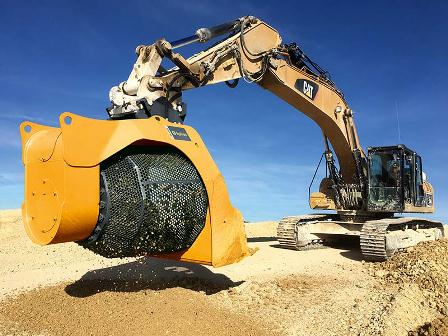
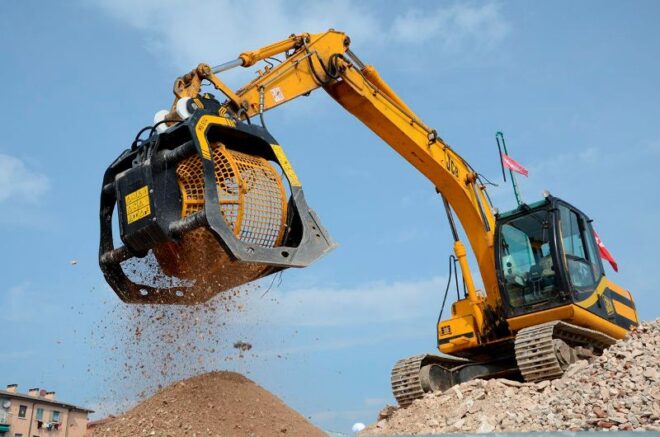
Lastly, skeleton bucket backhoe attachments, also known as a sieve, screening, shaker, or sorting buckets, are used to sift out and remove stones or debris from the earth and fill, making it a popular choice for larger demolition projects.
Backhoe Front bucket capacity and uses
General-purpose buckets are ideal for light-duty grading and leveling applications as well as material handling. These buckets have a longer bottom than the dirt style. They offer good bucket breakout force, and the long bottom improves cutting-edge visibility and capacity.
Top Tasks
Light-duty grading and leveling
Material handling
Features
Skid bar design: Provides wear protection to the bottom of bucket; backs up the cutting edge and adds strength to the bottom of the bucket
Low back and longer bottom: Improve cutting edge visibility and increase capacity.
The general purpose bucket provides the best combination of capacity, durability, and ease of use with your backhoe loader.
It’s ideal for light-duty and medium-duty grading and leveling applications as well as loading, carrying, and material handling.
With longer bottom than dirt style buckets, the general-purpose bucket provides good breakout force plus optimal capacity and visibility to the cutting edge.
The thick sidewalls and weld-on side cutters provide superb strength and long life, while dual level indicators improve operator productivity with every scoop.
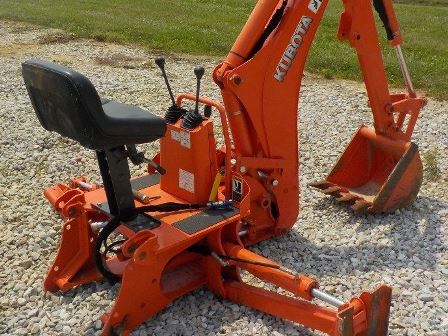
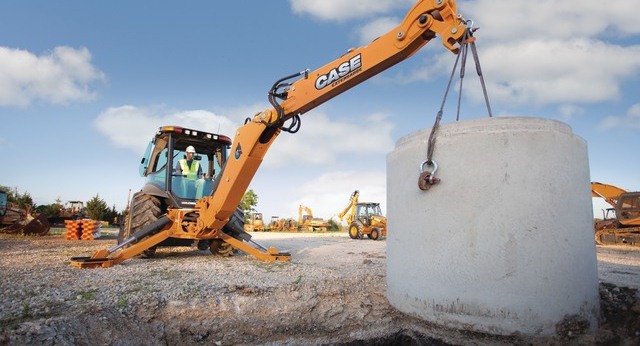
The backhoe is the main tool of the backhoe loader. It’s used to dig up hard, compact material, usually earth, or to lift heavy loads, such as a sewer box.
Aftermarket parts for backhoe loaders are also referred to as non-original equipment manufacturer parts, generic parts, or competitive replacement parts.
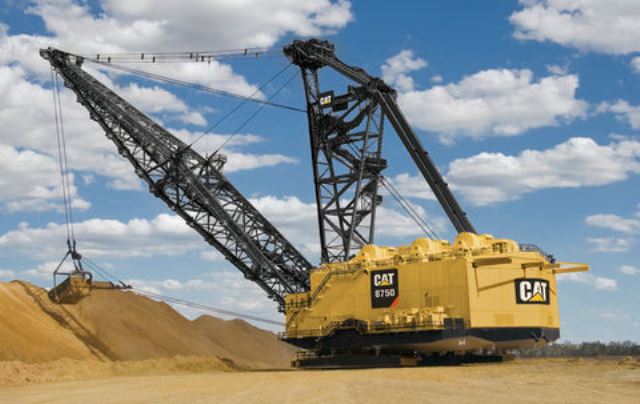
Draglines are an expensive and essential part of open-cut coal mining. Small improvements in performance can produce substantial savings. The design of the bucket and the way in which it fills with overburden are very important to the overall dragline performance. What is a Dragline Excavator in Mining?
Draglines are used to remove overburden, which can be up to 50m deep, exposing the coal deposits below in open pit coal mining.
They use huge buckets, up to 100 m3, that are dragged down the sides of the pit and filled with previously blasted overburden.
There are hundreds of such walking draglines operating around the world. They are an expensive and essential part of open pit coal mining.
It is estimated that a 1% improvement in dragline performance would save tens of millions of dollars per year.
Its performance is affected by many factors, including how the dragline is operated, where the material is taken from and where it is deposited, and the location of temporary deposits.
What is a Dragline Excavator in Mining?
Dragline walking
Draglines are huge earth-moving machines. They work by lowering a bucket to the surface of the waste to be excavated and dragging it down the slope towards the machine.
As the bucket moves across the ground, its teeth bite into the rock and soil, breaking it up and loosening it.
This material is then picked up by the teeth and the front edge of the bucket and flows in, eventually filling it.
The bucket is then raised as the dragline rotates. Finally, the spoil (the material from the bucket) is dumped into a spoil pile.
This is located in a previously mined area. The dragline digs down to the coal seam, which can then be mined, once fully exposed.
The dragline walks slowly along the edge of the well.
Dragline uses
Draglines are by far the most widely used overburden removal equipment in open pit coal mining. A dragline sits on top of the overburden, excavates the overburden material directly in front of it, and disperses the material to distances greater than a shovel.
Compared to shovels, draglines provide greater flexibility, work higher banks and move more material per hour. The largest dragline in operation has a bucket capacity of 170 cubic meters.
In a typical excavation cycle, the bucket is placed on the material to be excavated. The bucket is then lowered and then the tow rope is pulled so that the bucket is dragged along the surface of the material.
The bucket is then raised using the lifting cable. A rocking operation is then performed to move the bucket to the place where the material is to be unloaded. The tow rope is then released, causing the bucket to tilt and empty.
This is called a dump operation.
The bucket can also be “launched” by winding it up to the arm and then releasing a clutch on the trailing cable.
This would then swing the bucket like a pendulum. Once the bucket had passed vertically, the hoist rope would be released thus throwing the bucket.
Largest dragline in the world
Caterpillar produces some of the largest draglines used in open pit mining operations. Among the largest draglines according to bucket capacity are the mythical Big Muskie, Caterpillar-8200, Bucyrus, and Big Kate, among others.
Mining operations have a long and complex history, with several giant machines built in their heyday that still holds world records. One of these dragline bucket excavators holds the record for the world’s largest dragline, even though the machine has been out of service for several years.
This is the story of the Big Muskie dragline, the largest dragline in the world.
How big was Big Muskie?
Big Muskie had a huge cube that could hold two buses side by side. So much energy was needed to operate the cables and motors that the electricity used could have powered 27,500 homes while the machine was running.
Electricity costs tens of thousands of dollars an hour and explains why the crew of five used to work at night when energy costs were cheaper.
Big Muskie was mobile, but only for short distances, usually less than a mile. It had hydraulic walking feet and moved about 2 inches per second or about 0.1 mph.
Buckets for backhoe loaders match the machine to the job. Whether quarry, construction site, or landscaping job, they focus the full power and performance of the machine on the task at hand.
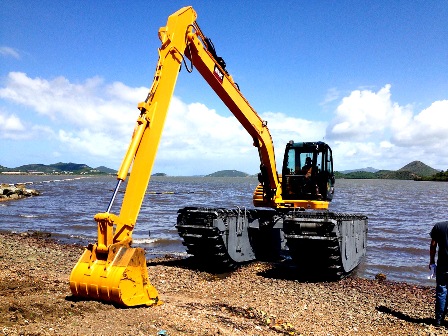
Dredging is the removal of sediment and debris from the bottom of lakes, rivers, harbors, and other bodies of water, which can be done by an amphibious excavator.
Essential in the mining sector, over time they incorporated hydraulics, automation, electronics, information technology, etc. Developed for engineering and heavy-duty.
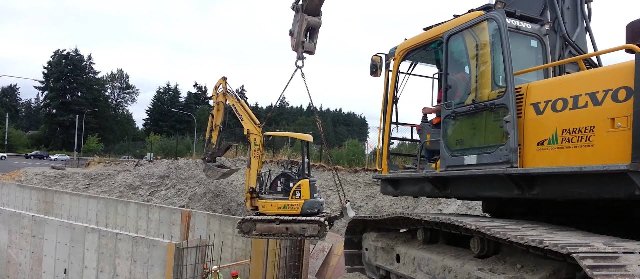
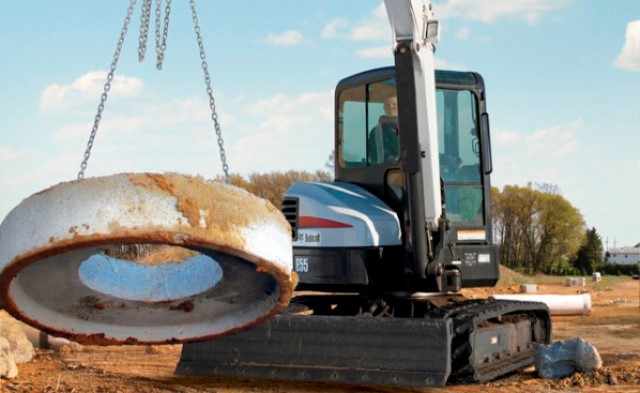
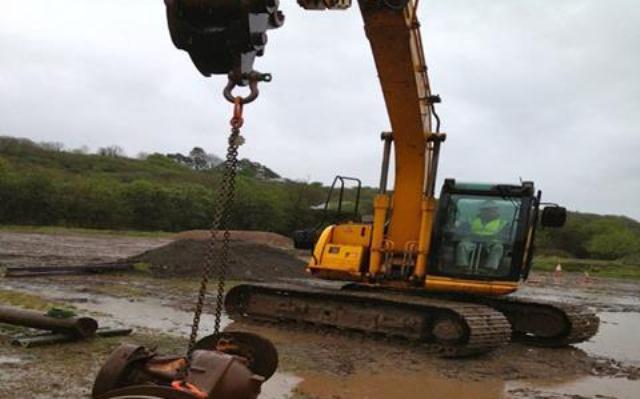
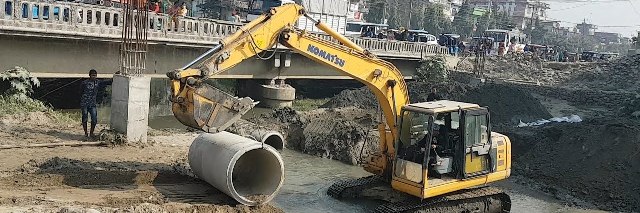
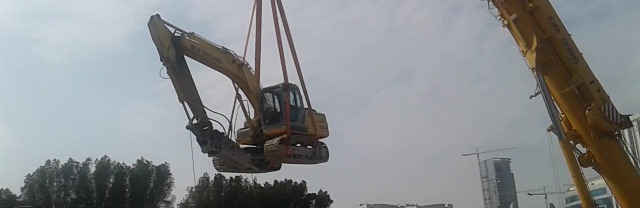
The use of excavators for lifting operations, particularly on construction sites, has become more common over the last few years.
Excavators and backhoes are designed for rapid earth moving and are not designed for lifting operations as their principal function.
When planning a lifting operation, you should first consider whether an excavator is the most appropriate machine, taking into account the type of lift and the duration of the task.
The purpose of this document is to set out precautions and procedures that should be taken into account when planning and carrying out lifting operations with excavators and other types of earthmoving equipment (backhoe and loaders) to enable the work to be done safely and in accordance with your legal duties.
Excavator Operator Training Manual (Safety & Operation Series)
Excavator lifting capacity chart – excavator sizes chart: Particular Hazards Associated with Lifting with Excavators
The use of an excavator or backhoe for lifting creates additional hazards for personnel in the vicinity. Under normal circumstances, personnel are kept away from the working area around the bucket of an excavator, as this is considered to be a hazardous area.
Where the excavator is used for object handling however, the slinger has to be in the danger area in order to hook the load on to the hooking device. This puts the slinger at risk of being struck by the load, bucket or excavator arm if the excavator moves without warning.
One common incident of this type is where the excavator slews rapidly, for example when the operator catches the cuff of his coat on the left-hand joystick, and the ground worker is struck by the bucket or dipper arm or crushed between the dipper arm and a fixed object. Injuries are usually severe in these cases.
Excavator lifting capacity chart: Excavator operators and slingers should be made aware of these dangers and effective communications must always be maintained between slinger and operator. The excavator operator should always make use of the safety lever (safety armrest) whenever the slinger is in the danger area.
Traveling with a suspended load is particularly hazardous. The pre-lifting risk assessment should ensure that the hazards associated with this operation are fully considered, particularly the presence of personnel adjacent to the machine’s travel path.
Excavator lifting capacity chart – excavator sizes chart: Lifting of Persons with Excavators
Excavators should not be used under any circumstances for the lifting of persons as they are primarily designed for excavating with a bucket and consequently are capable of operating speeds and movements which make them totally unsuitable for the lifting of persons.
Access to height on construction sites should be by machines designed for the purpose of lifting persons such as MEWPs, mast climbing work platforms, suspended access platforms or passenger/goods hoists, or by the use of scaffolds.
In exceptional circumstances and where it is not reasonably practicable to achieve access by less hazardous means, a suitable crane with a man-riding basket may be used.
Excavator lifting attachments
Excavator lifting capacity chart: Planning of Lifting Operations with Excavators. Excavator sizes chart
The regulation requires lifting operations to be properly planned, appropriately supervised and carried out in a safe manner, and this includes lifting by earthmoving machinery.
The competent person should first carry out a risk assessment, which will include ensuring that the earthmoving machinery is suitable for the task, that adequate lifting accessories are available and the ground conditions are suitable.
The lifting accessories, including quick hitches, should be suitable for the load and marked with their safe working load. The risk assessment will also address the need to segregate the lifting operation from other persons on site. Based on this risk assessment, a written method statement setting out the safe operating procedure to be followed should be prepared and communicated to all personnel involved in the lifting operation.
NOTE: For employers with 5 or more employees, the significant findings of the risk assessment must be recorded. The significant findings should include who is at risk, why they are at risk and how that risk is controlled. A comprehensive method statement could include this information.
Special attachments for lifting (or other uses) should be compatible with the machine and coupling means (quick-hitch) to which they are being attached. A competent person should verify that the combination is designed to take the load in this manner.
Before lifting operations begin it is essential that all personnel involved are fully briefed on the significant findings of the risk assessment, the method statement and their individual roles in carrying out the task.
The supervisor should ensure that persons are kept well away from the lifting area, and in particular that there is no one working below the lift, for example in a trench. Personnel should wear hi-visibility clothing and other appropriate PPE. Excavator operators must never move the machine or load until they have satisfied themselves that the slinger/signaler and any other persons associated with the lift have all moved away from the danger area, to a position of safety.
Excavator lifting capacity chart
Lifting accessories
Excavator lifting capacity chart: The slinger or operator should check the lifting accessories, including the lifting point, before use to ensure they are not damaged or worn. Any defective lifting accessories should be removed from service immediately.
Chain slings should not have any distorted links or components, hooks should not be bent and the safety clip should be in working condition. Fibre slings should be rejected when damaged, and in any case when the outer covering is worn to the extent that the inner cores are visible.
Where the hooking device (the point on the machine designed for connection of the load) is not part of the bucket, the bucket should (where possible, and unless the operator instructions specify otherwise) be removed in order to improve visibility and reduce the weight being lifted. If the bucket is retained, then the weight of both the bucket and quick hitch has to be added to the load when determining whether the load is within the rated capacity.
Lifting slings
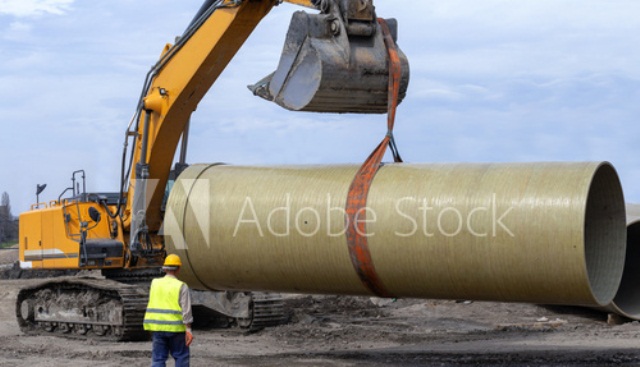
When attaching lifting slings to the hooking device or lifting point care should be taken to ensure that the slings and their attachments are able to hang free at all times. Attachment using a shackle may limit rotation if, for example, a pipe suspended from the slings is to be turned end for end.
Fig. 2 shows the addition of a swivel to overcome this problem. Similarly, if the quick hitch is tilted backward and/or the dipper arm is raised, the master link of the sling and any attachments may be put into bending or twisting – possibly leading to damage or failure. These issues may reduce the height to which a load may be lifted to less than that indicated in the machine’s rated object handling capacity table.
The excavator operator should ensure that the acoustic/visual warning device indicating the load moment, is switched on prior to any lifting operation. (Excavator lifting capacity chart).
Excavator lifting capacity chart
Excavator Requirements when Used for Lifting
Excavator lifting capacity chart:
The design of earthmoving machinery for lifting (object handling) is covered by the European standard.
Any earth-moving machine designed for object handling should have a rated object handling capacity table available inside the cab. If a rated object handling capacity table is not available then the machine should not be used for object handling.
NOTE: Handling attachments (e.g. grab) that do not require the assistance of a person for hooking or guiding are considered as normal earthmoving operations and do not require warning devices and a rated capacity table.
An earth-moving machine used for lifting operations must be fitted with a load hooking device. This may be mounted on the dipper, the quick hitch or the bucket. If the load hooking device is a hook then this should have a clip or other device which prevents a sling slipping off the hook. Many quick-hitches provide a load hooking device in the design of the hitch
Excavator lifting capacity
Excavator lifting capacity chart:
If the rated lifting capacity for an excavator or the backhoe portion of a backhoe-loader is greater than 1 tonne (or the overturning moment is greater than 40000Nm) then the machine must be fitted with:
a boom lowering control device on the raising (main) boom cylinder(s) and which meets the requirements of ISO 8643:1997 and
an acoustic or visual warning device which indicates to the operator when the object handling capacity or corresponding load moment is reached
NOTE: Loaders and the loader portion of a backhoe/loader do not require a boom lowering control device or acoustic/ visual warning devices.
NOTE: Where a risk assessment shows that there is a significant risk of overloading and/or overturning on machines with a rated capacity of 1 tonne or less, a Rated Capacity Indicator may be required.
Suitable slings must be available to attach the load to the excavator. Slings and other lifting accessories should be CE marked and marked with the safe working load.
Excavator lifting capacity chart
Excavator operator training
Excavator lifting capacity chart: Training and Competency Assessment
Excavator drivers and slingers should be adequately trained and assessed to undertake their roles in lifting operations. This training is added to the training required for operating the machine as an excavator.
Prior to 2008, the CPCS category for excavator operation does not cover lifting operations.
The current CPCS category has been amended to include lifting objects and will apply to all those taking the practical and theory tests from 1st August 2008.
For existing CPCS excavator card holders, an additional module of approximately half a day’s duration, on lifting with excavators is in preparation.
Excavator maintenance
Excavator lifting capacity chart: Pre-use Checks, Inspections and Maintenance
All excavators, backhoes and front end loaders require pre-use checks, inspections, and maintenance to ensure that they do not deteriorate to an extent where the operator or other persons are put at significant risk.
Pre-use (Daily) Checks
Pre-use checks are normally carried out by the operator who should have been trained and assessed to carry out this task.
Pre-use checks should be recorded as having been carried out (for example on a timesheet) and a defect reporting system should be in place to ensure that any defects are rectified promptly.
Weekly Inspections
Weekly inspections may be carried out by the operator if they have been assessed as trained and competent. A record that the inspection has been carried out, together with a note of any deficiencies should be made. A management system for eliminating deficiencies should be in place.
Maintenance planner
Maintenance should be carried out at least at the intervals required by the manufacturer’s manual. The frequency of maintenance may be increased by factors such as usage and environment. Personnel undertaking maintenance should have been trained and assessed to carry out this task. All maintenance activities should be formally recorded.
Excavator lifting capacity chart
Excavator thorough examination
Excavator lifting capacity chart: Thorough Examination and Test
An excavator used for object handling is regarded as lifting equipment and requires thorough examination by a competent person at least every 12 months.
An excavator that is never used for object handling (for example, because it is not equipped with a load hooking device) does not require thorough examination but still requires regular inspection under PUWER which will be to a similar standard.
Front end loaders, not modified or adapted for lifting operations, do not require thorough examination under LOLER, but still, require regular inspection under PUWER. If the loader is used for object handling it will require thorough examination under LOLER at least every 12 months.
A report of a thorough examination of lifting equipment is not required where the employer has an EC Declaration of Conformity dated within the last 12 months.
Where a quick hitch is permanently mounted on an excavator then the thorough examination for the excavator will also cover the quick hitch. If the quick hitch is moved from one machine to another it is classed as an accessory and should be thoroughly examined every 6 months.
Slings, loose hooks, chain slings, polyester slings, shackles, etc. are classed as lifting accessories and must be thoroughly examined every 6 months.
Buckets with integrated hooks/lifting eyes are also classed as lifting accessories and should be thoroughly examined every 6 months
Maximum lifting capacity of excavator
Training your operators to use hydraulic excavators to lift loads or materials properly requires a return to fundamentals.
The versatility of hydraulic excavators is virtually unmatched in the world of construction equipment. Whether you’re talking about compact, mid-range or large hydraulic excavators, these machines are ideal for lifting, moving and placing a wide range of materials. As a result, it is important that hydraulic excavator operators are trained to properly lift loads or materials.
The rated lifting capacity of any hydraulic excavator is determined by two factors: hydraulic lift capacity and the tipping load. Hydraulic lift capacity is the point at which the excavator is limited by its hydraulic power to lift a load. Tipping load is the point at which the excavator begins to tip or lift off the ground when lifting a load.
It’s important to know how to read and understand an excavator lift chart. He cautions operators to factor in any lifting considerations that result from additional accessories or attachment variations, as these alternative items can reduce a machine’s effective lifting capacity. For instance, the weight of slings, any auxiliary lifting device and the weight difference of any attachment heavier than the standard configuration must be subtracted from the rated lift capacity to determine the correct net lift capacity.
Excavator Operator Training Manual
Safety & Operation Series
Training and reference for heavy equipment operators. Easy to understand format including photographs and illustrations for better comprehension.
Intended for beginner and experienced individuals. Great for self-study or to augment in-house training programs.
Lifting operation is an operation concerned with the lifting and lowering of a load. A load is the item or items being lifted which could include a person or people. A lifting operation may be performed manually or using lifting equipment.
What effect can a swinging load have on an excavator?
If swinging with a load can It can cause an increase in radius and create instability causing the machine to tip over. The most dangerous or hazard area when lifting with an excavator is within the working radius of the boom/dipper.
Can the excavator be used for lifting?
Excavators that have a lifting eye and are used for lifting operations are subject to a thorough examination. If the only job they do is conventional ‘earth moving’ then the requirements of the Provision of Work Equipment Regulations (PUWER) apply.
What is considered a critical lift?
A “critical lift” is defined as any non-routine crane lift requiring detailed planning and additional or unusual safety precautions. Critical lifts include lifts made where the load weight is greater than 75% of the rated capacity of the crane; lifts which require the load to be lifted, swung or placed out of the operator’s view; lifts made with more than one crane; lifts involving non-routine/technically difficult rigging arrangement; hoisting personnel with a crane or derrick; or any lift which the crane operator believes should be critical.
The most recognized brands of backhoe loaders such as Cat, Volvo, JCB are essential machinery when it comes to construction. They are versatile and have a long list of accessories that make them an all-in-one machine.
These effective machines are designed to have a price at the higher end, so it is always advisable to ensure that the machine you purchase is a recognized brand.
Backhoe loader brands
Here is the list of the best brands of backhoes.
Caterpillar
Volvo
JCB
Komatsu
Liebherr
CASE
John Deere
Terex
Hitachi
Hyundai
Caterpillar Inc.
Caterpillar is an American company that designs, markets and sells machinery and engines. It is known as the world’s leading manufacturer of construction machinery. Marketed under the CAT brand, Caterpillar manufactures the most reliable backhoe loaders with superior digging and excavation capabilities, demolition and excavation, landscaping and asphalt. Small CAT backhoes are useful for operating in areas where it is not possible to use larger machines.
JCB
JCB Limited is a leading manufacturer of construction equipment in the world. It has world-class facilities. It produces backhoes of various configurations and sizes. Its model with only 1.4 meters wide, has the ability to rotate on its own axis due to its Skid Steer design. JCB has been manufacturing backhoes according to the conditions, and needs of the land, which has helped them grow faster. Many companies offer JCB backhoe for rent.
Komatsu
Komatsu is a subsidiary of Komatsu Ltd., a manufacturer of construction, mining, and industrial machinery. Manufactures backhoes that are effective and provides a catalog for each product. Its products are known for their power, with the WA 900-3EO exceeding the power of 2000 rpm. Some of the backhoes also have a wireless tracking system that helps increase the productivity of the machine.
Volvo
Volvo backhoe loaders are everything you’ve ever wanted in a machine. It has a backhoe with the strength of a Volvo wheel loader and the performance of a Volvo excavator. It has an operator station that will keep you in extreme comfort. With features such as the reliable Volvo engine and electrohydraulic transmission, the machine guarantees long and productive life. The best thing about Volvo is that its machines are 95% recyclable, which helps to preserve the environment. These are the stars of the world of backhoes.
Mahindra
The new entrant in the Mahindra Earth Master market is loaded with extraordinary features. It is the new generation of backhoes in India backed by Mahindra’s engineering capabilities, manufacturing strength, and after-sales service.
The backhoe is built keeping in mind the rough Indian terrain and the latest vehicle systems, so it can work anywhere, even on rough and difficult terrain. In addition, their backhoes have some new additions to their list of features that offer greater reliability, less maintenance, and exceptional fuel efficiency. They are available at a price well within the reach of simple businesses.
Buy a backhoe or control it JCB, Earthmaster, CAT, Komatsu, Volvo is easily available with most suppliers.
Backhoes are essential equipment when it comes to construction. They are versatile and have a long list of accessories that make them an all-in-one machine. Contract JCB, Earthmaster, CAT, Komatsu, Volvo, etc., are easily available.
Backhoe equipment
Chargers are very common and can be used for a wide variety of tasks:
building
small demolitions
freight transport of construction buildings,
load on the construction of buildings,
hollows / excavation,
asphalted, and paving tracks.
In addition, the backhoe can also be replaced with the attached accessories, such as the screwdriver, the pneumatic hammer, etc.
The improvement of the articulation of the accessories can be saved with extendable accessories. (In the event of an error in the operating system).
Some have a retractable part below, enabling it to be reloaded more quickly and efficiently. The assembly front can be an accessory or be permanently assembled.
In recent years, small compact compacts have become very popular with private owners. Subcompact tractors, the size between the compact tractor and the tractor. These tractors offer private owners the ability to carry out bottom digging projects.
How to choose a brand
Whether you buy a used backhoe or a new model, many machines tend to be close in terms of performance and overall performance. This makes the manufacturer’s reliability and after-sales service even more important in making their final decision.
Revisions: The web is full of comments from real buyers. Pay close attention to the strengths and weaknesses of a backhoe loader manufacturer, particularly frequent breakdowns or problems with attachments.
Prestige and recognition: This can often reveal a research and development approach of the manufacturer. If specialized features such as environmentally friendly operation or important design aspects such as compact size are important to you, a prize is definitely something that should tip the balance in favor of that model.
Help and support centers: This is one of the most critical aspects of any backhoe purchase. When choosing among distributors, be sure to consider downtime, since a longer support service can lead to costly surpluses. Ideally, you should strive for a level of support that reflects your hours of operation.
Training and maintenance contracts: While experienced operators may feel comfortable with a backhoe, newer drivers may need instructions on the latest features. And a maintenance agreement is essential to avoid breakdowns and ensure that the charger continues to operate at peak performance.
What is the most sales brand?
What is the best selling brand of backhoes?
JCB backhoe loaders are by far the most sold in the world, since the brand has 50% of the market and, as it could not be otherwise, the brand also leads the segment. Thanks to its new models, the goal is for JCB to continue occupying this leadership position and, why not, continue growing in the market.
Why backhoe loaders are the equipment with more sales?
Their versatility makes them the indispensable vehicles for almost any type of work. In addition, your return on investment is one of the highest. Before starting any work, the engineers and responsible people in charge not only have to calculate the materials and the personnel they require but also the machines to accomplish the work entrusted in the shortest possible time. Thus, equipment such as backhoes, which can fulfill two functions at the same time, are the best tools
What jobs does a backhoe do?
The backhoe is an equipment that is used to excavate in all types of terrains, it performs its job by burying a spoon or shovel with which it extracts soil or materials deposited on the ground, it also carries loose material with the front bucket.
What is the difference between backhoe and excavator?
Backhoes are much smaller than excavators and are a standard tractor that supports an arm consisting of two segments, the dipper, and the boom. The boom further supports the dipper, which holds the bucket. Knowing the differences between an excavator and backhoe will let you choose the right equipment for your project.
CAT backhoes: ingenious, productive, original, durable. For excavation, trenching, filling and material handling capacity, the Caterpillar line of backhoe loaders is certainly strong in those aspects.
Aftermarket parts for backhoe loaders are also referred to as non-original equipment manufacturer parts, generic parts, or competitive replacement parts.
Some consumers worry about the quality or safety of aftermarket parts, but these fears are unfounded, depending on where you get the parts.
Using aftermarket parts can be more cost-effective than using original equipment parts.
Aftermarket Backhoe Attachments
What are aftermarket parts?
Aftermarket parts are replacement parts that are not manufactured by the original equipment manufacturer.
Aftermarket parts are used to replace damaged parts in excavators, backhoes, and all types of machinery, but their use can alter the coverage of an insured item.
They are similar to generic drugs in that they are cheaper than brand-name drugs, but they are likely to have similar efficacy.
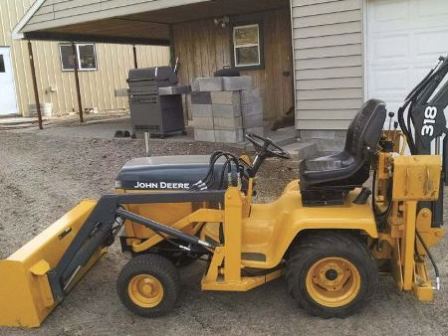
Aftermarket accessories for tractor
If you currently own a tractor and are considering adding a backhoe, it’s important to understand a few basics before buying a backhoe.
There are two ways to connect a backhoe to a tractor; some manufacturers use the tractor’s three-point hitch attachment, while other models use a more integrated frame mount configuration.
The three-point hitch attachment is the preferred method for lighter duty backhoes, while the frame-mounted backhoe provides a more rigid coupling to the tractor that helps eliminate frame stress on the tractor chassis on models bigger.
Other considerations when considering adding a backhoe include knowing if the unit requires hydraulic power for the backhoe or if it is powered by the tractor connected to a hydraulic system built into the backhoe.
Does your tractor have the ability to run another hydraulic line to the backhoe?
How about horsepower?
It goes without saying that you need enough power to operate the corresponding backhoe.
It is always a good idea to call a dealer for your tractor to make and model to find out exactly what type of backhoe will suit your particular tractor.
Aftermarket parts
Different types of attachments might include front forks and grapples, various digging buckets, tampers and breakers, and other hydraulically driven attachments such as concrete saws and cold planers.
Backhoes can be equipped with a multitude of parts and accessories to enhance machine versatility and revenue potential.
These attachments will allow you to perform a wide range of tasks, which will complete your work schedule and maximize the overall use of the backhoe.
Many backhoe manufacturers have begun implementing technology that increases fuel economy.
Hydraulic refinements have also made the backhoe loader easier to control, decreasing operator fatigue and increasing the amount of time an operator can spend using the backhoe productively.
The backhoe is the main tool of the backhoe loader. It’s used to dig up hard, compact material, usually earth, or to lift heavy loads, such as a sewer box.
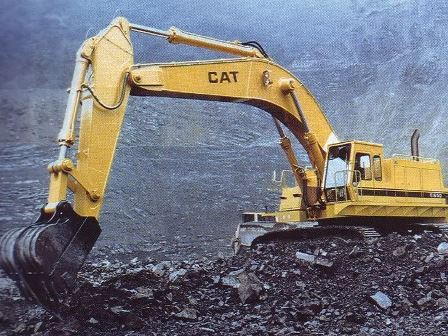
The hydraulic excavator, those machines of great production, powerful and self-propelled on caterpillars, can perform spectacular operations of excavation, extraction, unloading, etc.
Indispensable in the mining sector, at the beginning of the 20th century they evolved, and with the passage of time they were incorporating hydraulics, automation, electronics, computing, etc., typical of the development of engineering and materials,
With this, they gained performance, capabilities, and size, becoming true giants that can weigh 1,000 tons, as is the case with the largest model.
How excavator works?
There are construction works that require digging in-depth to move large amounts of material, so an excavator is necessary to perform such work. From operations in sewers, water pipes, wiring, through the construction of urban complexes, roads, highways, and paving, excavators are really useful to do deep work with high performance.
Here we will know the highlights of the excavators:
history,
characteristics,
functions,
parts,
brands and
prices.
In such a way that we have the necessary information when choosing a model.
Hydraulic excavator working principle
What is a hydraulic excavator?
A hydraulic excavator is a heavy machine that has various sizes, a hydraulic arm with a blade at the tip, designed to move on wheels or chains, and also has the ability to rotate 360 degrees on its own axis.
Among its functions are to excavate, rotate, move, load, mobilize and demobilize objects.
The machine is generally used to open the grooves where pipes, drains, cables will be installed, as well as to excavate foundations or ramps.
Uses of the Hydraulic Excavator:
Dig large ditches
Excavation of materials and structures
Slope combing above the machine’s support plane
Excavator engine
A hydraulic excavator is a machine that has mechanical, electronic, and hydraulic components used together to achieve excellent performance in the areas of mining and construction. In general, the engine of a hydraulic excavator is a 4-stroke diesel engine.
Its mechanical arm has the facility to incorporate different tools to perform work on land, concrete, rock, or steel.
Excavator operator
Functions of an excavator operator:
Make material start and load it in transport units
It also performs trenching, load handling, as well as demolition and breaking of blocks when a hydraulic hammer is incorporated.
It can be adapted to different arm ranges, bucket capacities, soft or hard floors.
When there is very high hardness, it can incorporate more resistant wear parts.
How to operate excavator?
What is the use of the excavator: The excavator is generally used to start materials such as rocks and earth. With its accessories you can also make steel cuts, break concrete, drill holes in the ground, make gravel foundations before paving, shredding rocks, steel, and concrete.
Excavator training
How does an excavator work?
How an excavator works: To understand the operation of an excavator we must know that its boom consists of two hydraulic cylinders, a bucket, and the boom.
This piece simulates the movement of the human arm, just as the wrist and elbow would. Then we have the engine which works through a change in hydraulic power.
It has the ability to rotate in a circle, for which it requires the outer race, inner race, the ball bearing, and a pinion.
In the cabin are the operator’s seat and the controls of the machine. It has some feet that can be of normal wheels or caterpillars.
Excavator parts
Parts and components of a hydraulic excavator: An excavator is composed of the following parts.
Joining point between arm and pen
Hydraulic bucket cylinder
Arm
Link of articulation
Ladle
Filming trains
Chassis or frame
Engine compartment
Operator’s cabin
Hydraulic boom or boom cylinders
Feather or boom
Hydraulic Arm Cylinder
Excavator types
Types of excavators in construction: There are several types of excavators for construction. Here we will know what each of them is used for.
Compact excavator
Compact Excavator: It is one of the most used for its performance that helps reduce work times. It serves for work in small streets, forests, fields, and gardens. You can even load up to 8 tons at a time for your hydraulic arms.
Crawler crane
Crane on tracks: It is one of the largest machines for construction sites, designed for deep excavations in mines or large areas. It has a robust cabin structure with its train, boom held with fixing cables and drums to house the cables.
Suction excavator
Suction Excavator: Also known as “vacuum excavators” it works as a digger and sucks materials from the surface of the earth with very high pressure. It drains by means of pipes to deposit in a tank destined for the storage of waste.
Crawler excavator
Crawler Excavator: It is an excavator that works with a train system instead of tires, which allows you to move through uncomfortable places like deserts and mountains. Its large arm facilitates excavation and carries material to where other machines can not reach.
Wheel excavator
Wheel excavator: It is used for projects that must be carried out in short periods of time because its large wheels allow it to move more easily. It has a boom arm on the base and a bucket with hydraulic action.
Excavator manufacturers
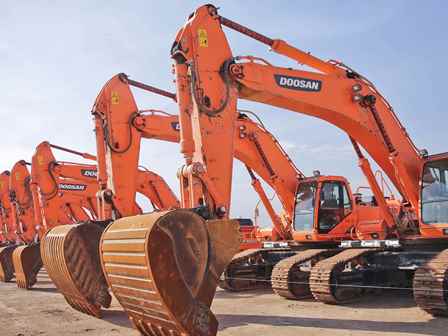
Among the most recognized brands of excavators we have the following:
New Holland
Volvo
Hitachi
Bobcat
Caterpillar
John Deere
JCB
Liebherr
Excavator Price
Prices of Hydraulic Excavators: The prices of the excavators vary according to their model, brand, and function. We can find some small excavators from $ 80000 US dollars, going through more robust models of $ 100, $ 200, and up to $ 300 thousand American dollars.
Excavator bucket
Performance: The wrong bucket can easily reduce your production and increase your operating costs from 10% to 20% or more. It can also cause unnecessary wear and fatigue of the machine and bucket.
Alternatives: The industry offers a wide range of specialized buckets, each designed and tested to function as an integral part of your excavator and provide the best possible performance in your particular application.
Manufactured to last: Buckets are designed and manufactured according to the required specifications. The high-strength hardened steel provides a longer life without the need for thicker and heavier plates, allowing longer life and higher payload.
Excavator bucket capacity calculation
General-purpose bucket: To dig in moderately abrasive and low-impact materials, such as dirt, mud, gravel, and clay.
The large folding radius optimizes the ability of the easy-to-penetrate floor bucket.
Lighter structures reduce loading time and increase the weight that can be lifted.
Pre-pierced sidebars for optional lugs.
Ladles with the greatest capacities
Excavator attachments
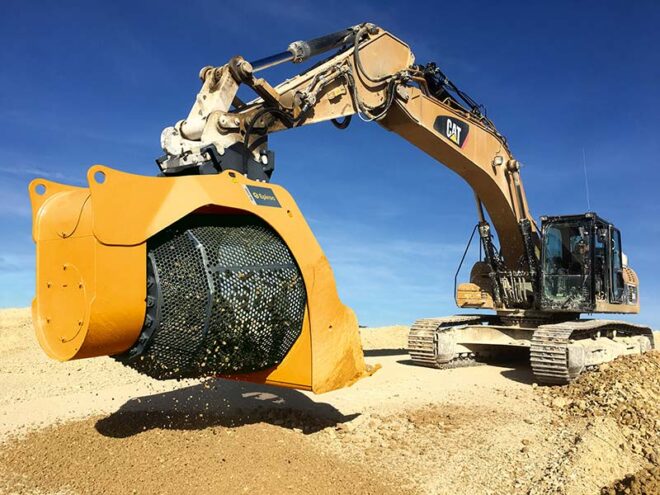
Excavator grapple: It is used for the selection of demolition debris, excavations, and earthworks in general. It is also useful for the mixing of peatlands. The screening is done by a hydraulic screen with rotating blades. The thickness of the screening material can vary from 0-20 mm to 0-35 mm in the standard configuration. Upon request, it is possible to make axes suitable for the needs of the user.
Heavy duty bucket
Designed for use in abrasive applications such as a mixture of earth, clay and rock.
The smaller folding radius provides a larger detachment force at the tips.
Side plates and bottom thicker to increase its duration.
Construction is more robust than that of general purpose buckets.
Pre-drilled lateral bars for lugs and optional sidebar guards.
Larger adapters and tips to increase performance and durability.
Less capacity than general purpose buckets to maintain operating performance
Heavy duty metal bucket
Heavy-duty rock bucket: For aggressive loading of the bucket in very abrasive applications such as dynamite rock and granite.
The smaller folding radius provides a larger detachment force at the tips.
The same folding radius as heavy-duty buckets.
The thicker side plates are available to extend the life of the bucket in severe applications.
Construction is more robust than that of heavy-duty buckets.
Wear side plates further extend the bucket for maximum protection in rocky materials.
Pre-drilled lateral bars for lugs and optional sidebar guards.
Larger adapters and tips to increase performance and durability. Same capacity as heavy-duty buckets.
How does a hydraulic excavator work?
What is an excavator?
Excavators are pieces of heavy construction equipment that consist of a boom, dipper, bucket, and cab that are mounted on a rotating platform called the house. The house is mounted on an undercarriage with tracks or wheels. An excavator can be used for a lot more than just digging.
How does the excavator work?
The operator of the excavator uses pedals and levers to steer the equipment and to move backward and forwards. Tracks, similar to tank tracks, are activated by the diesel-powered engine, and hydraulic motors control the arm of the excavator.
How does an excavator hydraulic pump work?
When a hydraulic pump operates, it performs two functions. First, its mechanical action creates a vacuum at the pump inlet which allows atmospheric pressure to force liquid from the reservoir into the inlet line to the pump. A pump produces liquid movement or flow: it does not generate pressure.
Do you need a license to operate an excavator?
A driver’s license is required for excavator operator positions, and some employers require a commercial driver’s license (CDL). Requirements for a CDL vary by state. Employers may also prefer that workers hold industry certification related to the equipment they operate.
What is the purpose of the excavator?
The house sits atop an undercarriage with tracks or wheels. They are a natural progression from the steam shovels and are often mistakenly called power shovels. All movement and functions of a hydraulic excavator are accomplished through the use of hydraulic fluid, with hydraulic cylinders and hydraulic motors.
What’s the difference between a digger and an excavator?
As nouns, the difference between an excavator and a digger is that excavator is a person who excavates while a digger is a large piece of machinery that digs holes or trenches; an excavator.
What does an excavator contractor do?
Contractors who work in landscaping and hardscaping, sewer and septic service, and foundation repair often perform excavation services, in which they use heavy machinery to dig up or transport large or heavy items like dirt, rocks, construction materials, and even trees.