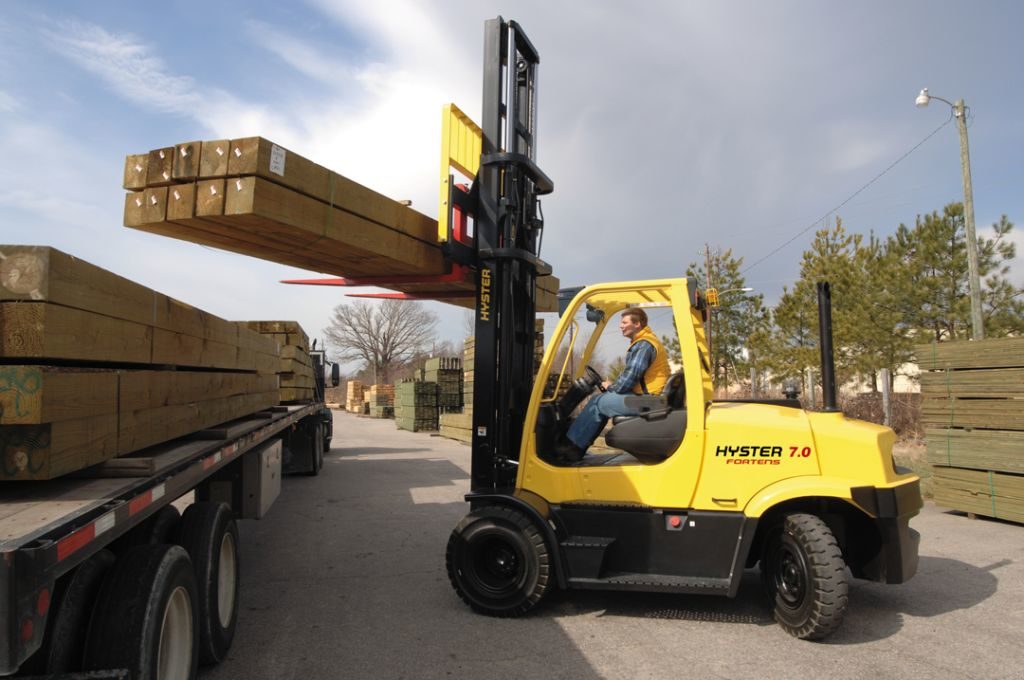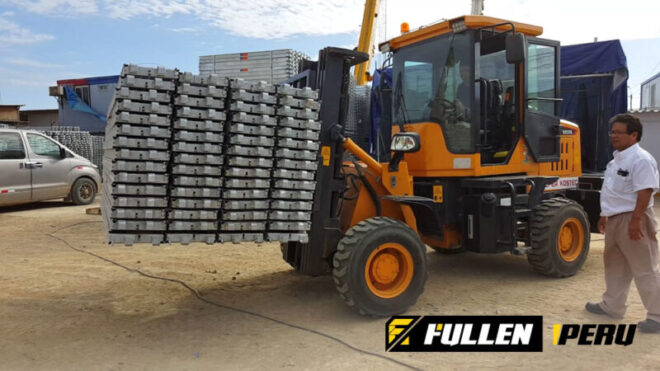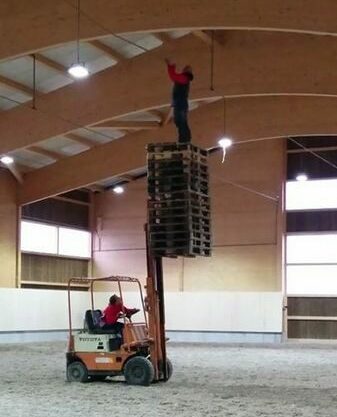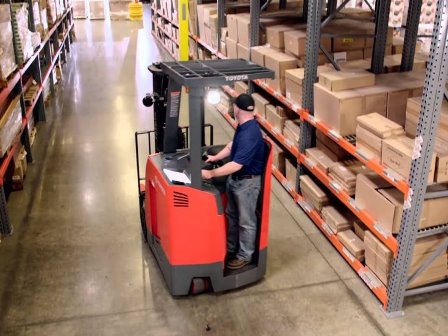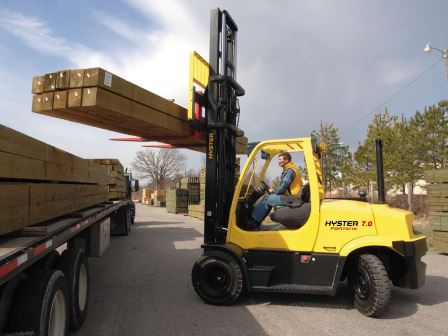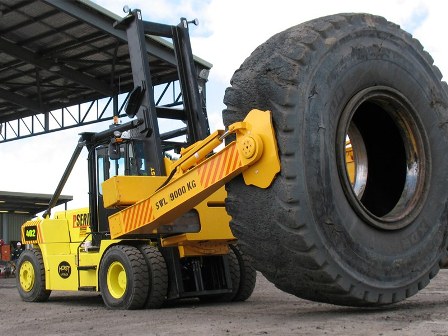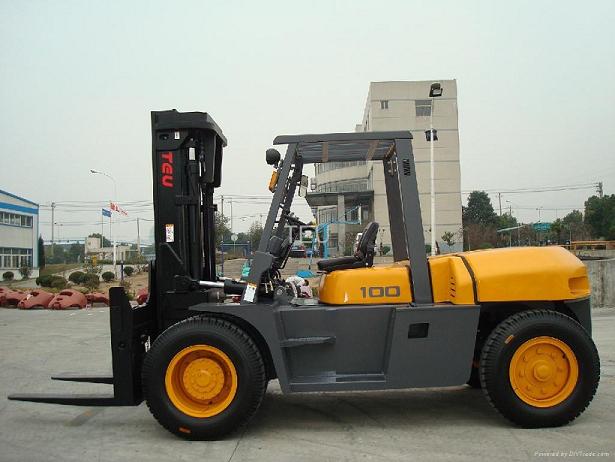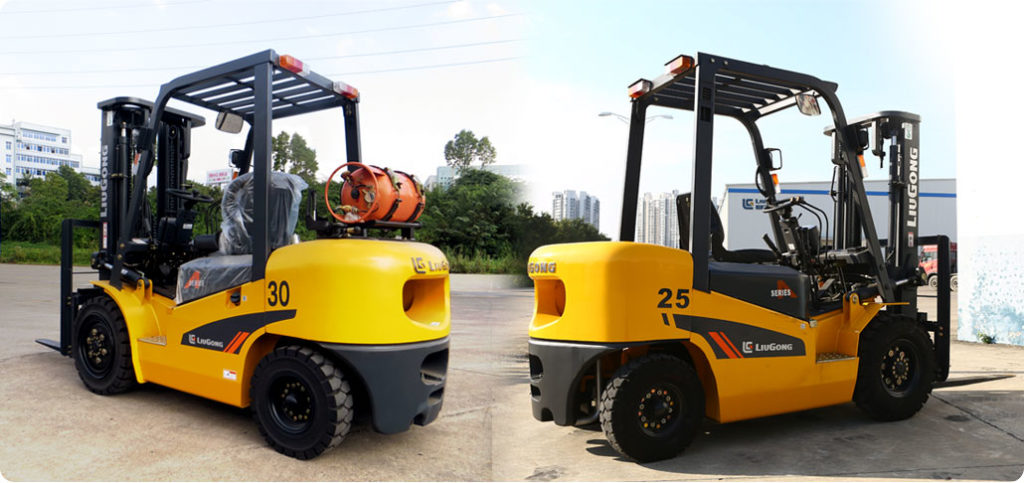
Category Archives: forklift

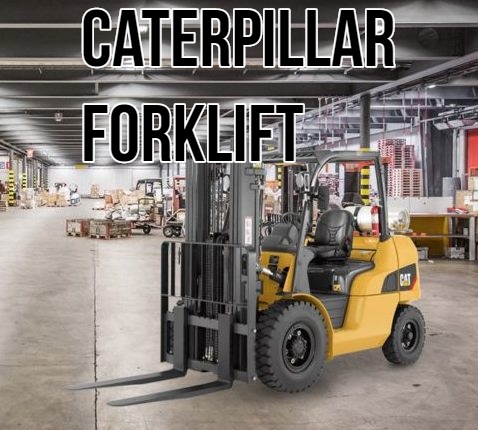
Caterpillar Forklift Specs

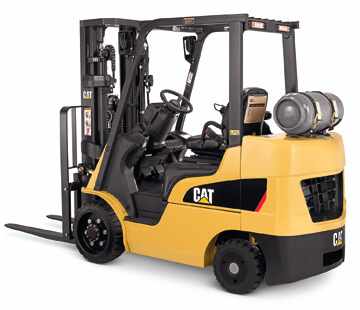
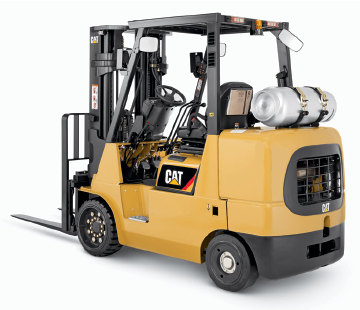
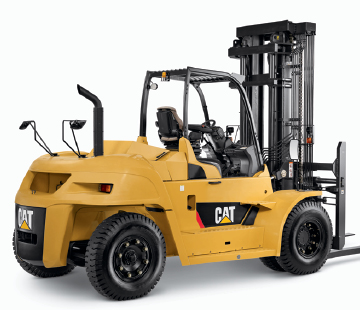
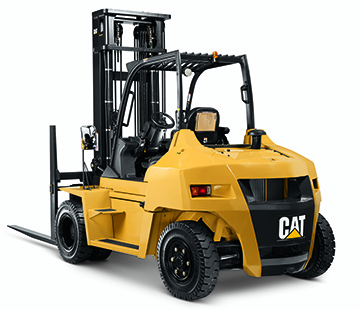
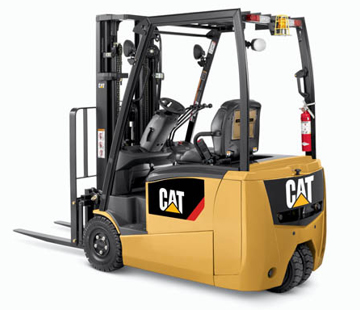
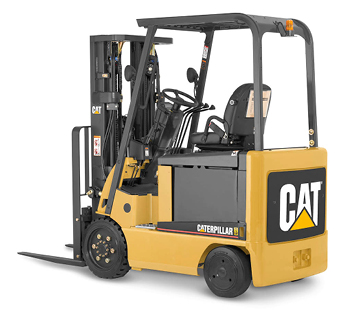
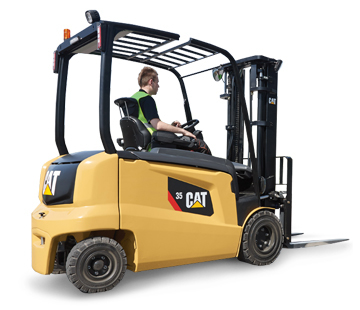
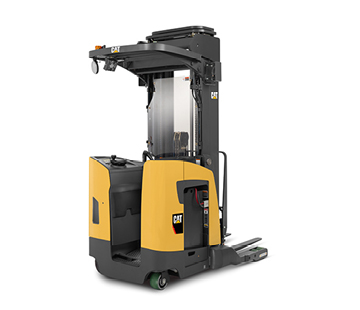
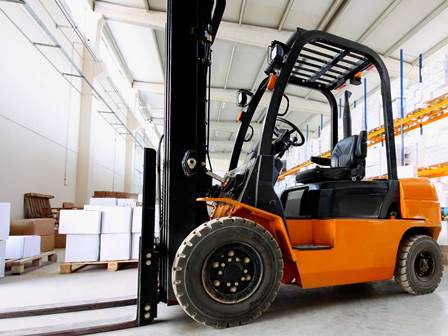
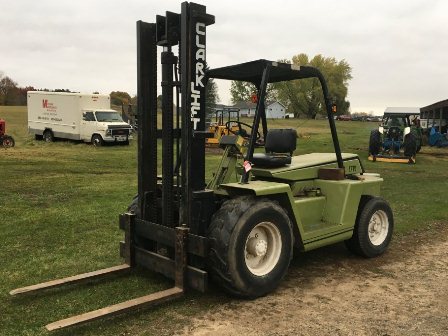
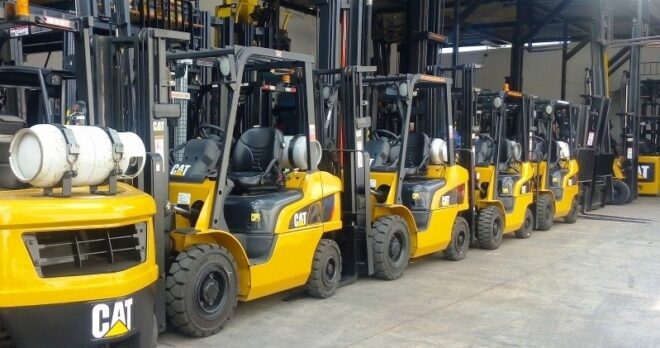
Caterpillar Forklift specs: Caterpillar Cat® forklifts solve the problems presented by material handling applications. Choose from a line of forklifts backed by the industry leader in customer service and support.

Caterpillar Forklift Specs

Caterpillar forklift

Caterpillar Forklift specs: Caterpillar Cat® forklifts solve the problems presented by material handling applications.

CAT forklift or forklift: Innovative materials handling solutions

That’s why Cat forklifts provide equipment backed by the industry leader in customer service and support.

Built to function, Cat forklifts are shipped every day because they provide models to meet the demand for reliable material handling equipment and a level of service equal to that of our quality products.

Caterpillar forklift models

With load capacities ranging from 2,500 to 36,000 lbs., The Cat lift line consists of pneumatic wheel loaders with internal combustion engines and pneumatic wheel lifts with electric counterweights.

With a focus on quality, reliability, and customer service, Cat forklifts offer the material handling solutions you expect.

Forklift models:

  • Of combustion
  • Electric
  • Retractile
  • Drag
  • Operator on board
  • Order picker

Caterpillar forklift specifications

With spacious compartments and low operating effort, Cat forklifts set the standard for the latest forklift experience.

Manufactured in Houston, Texas, according to ISO 9001: 2000 quality standards and ISO 14001: 2004 environmental system standards, Cat hoists are designed to increase the productivity of any material handling operation.

Forklift Datasheet

Reliability of the Caterpillar Forklift: Industry-leading features such as “fingertip” controls, the Presence Detection System (PDS), informational displays, and high-strength mast designs and the fork carriage are just some of the reasons why Cat forklifts are still being shipped.

CAT forklifts specifications

CAT fork crane: Minimize downtime, increase productivity and experience the performance without limitations of a Cat forklift.

With the use of heavy forklifts in several shifts, customers can request products that meet the highest standards.

To meet your expectations, Cat lift trucks provide products that require little maintenance and offer extended service intervals.

New forklift price

Customer Service: By providing customers with planned full maintenance and by reducing downtime, Cat lift trucks are designed to assist you in your final result.

Let the industry-leading dealer network provide you with the best factory support programs and pricing and unparalleled dealer capabilities.

New forklift caterpillar

Caterpillar forklift customers: Cat forklifts place the customer’s needs first with the comprehensive backup programs of today’s industry.

Each new forklift has a warranty of one year or 2,000 hours, a warranty for two years or 4,000 hours of the power train and a guarantee of immediate parts or warranty without the cost of the parts, which ensures the delivery of parts the next business day in the location of your local distributor or they are free.

Forklift batteries

The most common forklift battery is one that contains lead-acid and includes a lead plate (negative electrode), an electrolyte solution of sulfuric acid, and another lead peroxide plate (positive electrode). Every time you operate a forklift or other motorized vehicle, inspect it to verify that it is working properly.

It is worth mentioning that the best way to preserve the batteries, whatever they may be, is through a daily control of their condition and a good use of them, but to do this, make a good maintenance of forklift batteries, you need to incorporate a vital information series otherwise you can not do it efficiently.

  • First of all, keep in mind that a battery and a battery are electrochemical devices that have the capacity to store energy in a completely chemical way.
  • Once the battery is fully or partially charged, this chemical energy is transformed into electrical energy that is subsequently transmitted via a circuit to a motor that transforms it once again, this time into mechanical energy that enables the movement of the vehicle.

Forklift handling

Set a speed limit:

  • Driving too fast is one of the most common causes for a forklift to tip over.
  • Communicate the speed limit to your staff and make sure it is posted throughout the worksite.
  • Many forklifts do not have speedometers, but some may be equipped with controllers that prevent the vehicle from exceeding a certain speed.

Workers must know what equipment is installed on the forklift and whatnot, and act accordingly to maintain a safe speed. If the floor is slippery or if there are pedestrians or other nearby vehicles, you must drive below the speed limit.

Forklift operator

  • All forklift operators must have employment authorization and be certified on how to operate the vehicle safely.
  • The training should consist of a combination of formal instruction such as lectures and discussions, hands-on training that includes a hands-on demonstration and evaluation of the operator’s performance in the workplace.
  • The refresher training must be done at least annually or with any incident.
  • No one under the age of 18 should operate a forklift.

Safe forklift handling

  • Plan the route and anticipate any turns along the route.
  • Be careful and keep the speed low when making turns.
  • If a turn is taken too fast or too tight, the risk of a rollover increases.
  • Never turn on a slope, since the forklift can overturn even on a small hill.
  • Never turn with the forks in an elevated position.
  • Drive the loaded forklifts forward when going up a ramp and in reverse when going down.
  • Do not perform any acrobatics.

Caterpillar forklift serial number lookup

Where Do I Find My Caterpillar Forklift’s Serial Number?

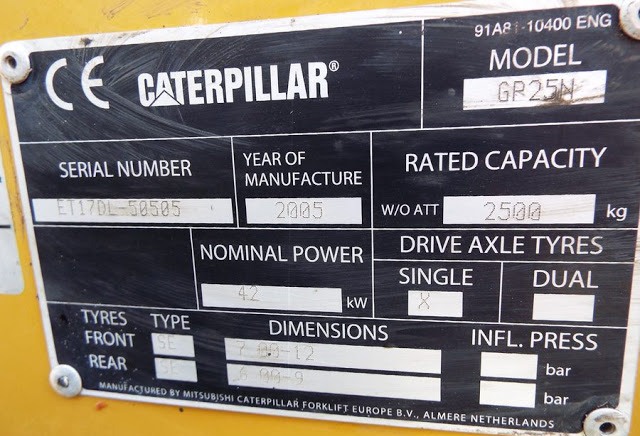
The most direct way to find your Caterpillar forklift’s serial number is to check the forklift’s nameplate (also called a data tag).

  • This helpful little label includes lots of various details about your lift–its model, its weight, its lifting capacity, and more.
  • Most importantly, the nameplate also displays the forklift’s serial number.
  • On a Caterpillar forklift, is often found near the dashboard

Checking the nameplate is the quickest and easiest method of discerning the serial number of your forklift. But what if the nameplate wears down or has fallen off? You’re not out of luck just yet. Sometimes, a Caterpillar forklift’s serial number can be found physically stamped on its frame.

Caterpillar Forklift specs

Forklifts pictures

  • Of combustion
  • Electric
  • Retractile
  • Drag
  • Operator on board
  • Order picker

Caterpillar Forklift specs

How much does a CAT forklift cost?

How much does a CAT forklift cost?

According to one vendor, an internal combustion forklift with a 5,000 lb. capacity and pneumatic tires costs around $20,000,the same vehicle with air-cushion tires costs around $18,000, and a comparable electric forklift with battery and charger costs approximately $25,000.

What are forklifts used for?

A forklift (also called lift truck, jitney, fork truck, fork hoist, and forklift truck) is a powered industrial truck used to lift and move materials over short distances.

What is the average salary of a forklift operator?

The average pay for a Forklift Operator is $13.66 per hour. in the U.S.

Who makes Cat forklifts?

Mitsubishi Caterpillar Forklift America Inc. (“MCFA”), headquartered in Houston, Texas is a manufacturer and distributor of material handling equipment and parts under the Mitsubishi Forklift Trucks, Cat Lift Trucks, and Jungheinrich brand names.

The most read

Forklift Brands

Forklift Brands and models: Which forklift brand is best? Top brands in the world: Caterpillar, Toyota, Volvo, Hyundai, forklift brands and models, top 10 forklift brands.
Forklift Safety Procedures

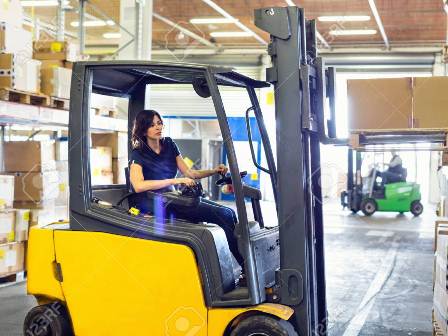
Forklifts are extremely useful workplace vehicles, as long as they are used safely and appropriately by operators who are appropriately trained and competent to use them.

Forklift Lifting Capacity

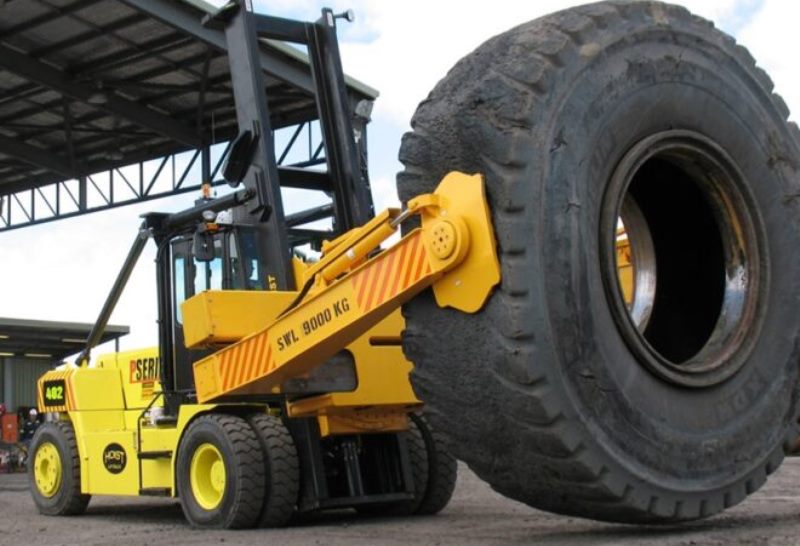
Forklift Lifting Capacity: limits and driving of loading and unloading, operator and handling in workshop, plant, counterweight, operator, transport.

  • What useful load can forklifts transport?
  • What minimum requirements are necessary for a forklift?
  • And for the industry?

Forklifts are one of the main solutions to transport both objects and loading pallets, saving different stories high.

One of the main characteristics of this type of elevator is undoubtedly its great versatility and is that both those that are intended for cargo transport, such as those used in shops or industries to transport objects of different volumes and weights are achieved according to the needs of the client.

In this way, we can find from small lifts to large lifts with enough dimensions to transport even large volumes of cargo.

Forklift Lifting Capacity

Forklift weight capacity

Forklifts have different capacity ranges for good reasons. The problem is that forklift operators sometimes mistakenly judge the load capacity of the machine.

They have seen some forklifts handle very heavy loads, so they generalize that capacity to any forklift. However, this can trigger a catastrophe.

Forklift capacity chart

Forklift capacity chart

Warehouse forklift types

The greatest danger to the safety of operators is the same characteristic that makes forklifts so popular.

Its ability to lift and transport almost any type of load, within its weight capacities.

But the problem is in the instability of the forklift once it has a very heavy load on board.

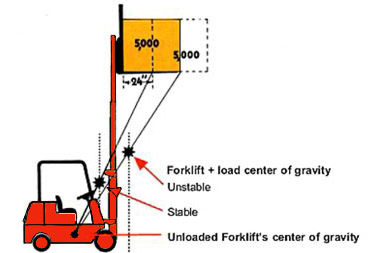
When the load exceeds the capacity of the forklift, the machine becomes quite unstable, with a variable center of gravity that, unless handled with exceptional care, can cause it to overturn and begin the problems.

Other dangerous factors are the incorrect use of restrictions to secure the load and a sudden change in speed or movement that causes the load to move, causing the forklift to lose its balance.

Of course, there are other reasons for the thousands of accidents that occur each year, but almost all forklift accidents, minor or fatal, could have been avoided if the driver had received training and had respected the safety rules understanding the relationship between the counterweight and the load weight

Forklift Lifting Capacity

Forklift counterweight

The own weight of the forklift serves as a counterbalance to balance the different loads.

During the use of the forklift, the weight of the load multiplied by the distance separating it from the central support (called the inflection point) must be equal to or less than the weight of the forklift (which will act as a counterweight).

This will prevent excessive balancing, which could result in the fall of the load or the entire forklift.

Speaking more simply, the loads that a forklift transport must have less weight than the forklift itself.

The falls of loads with possible breakage of materials or injuries of the operators are the most common effect of ignorance of the load capacity of a forklift. This, of course, can be avoided with constant training for operators and employers.

You should not make the mistake of simply giving your operators the keys to the equipment and pointing out the work.

Forklift Lifting Capacity

Forklift load capacity

How do I calculate the capacity of my forklift?

You can do a little research online looking for the model of our forklift.

In the specifications of the forklift, you will surely find its maximum load capacity, and if not, you will find its total weight.

  • Multiplies the weight of the load by the distance that separates it from the central support.
  • Always make sure that it is less than the total weight of the forklift.
  • This ensures you have no problems with the load capacity of it.

Forklift safety

In all places where forklifts are used, they must exist

  • Speed ​​limits
  • proper ground evaluation
  • maintenance procedures to ensure safety
  • guidelines on how to upload and download
  • rules on how to transport materials correctly.

If all these precautions are taken into account, the chances of accidents at work and waste of materials will be minimized.

  • Never carry a load that requires another employee to physically stabilize the load while moving the forklift.
  • Never carry a load that exceeds the maximum capacity of the forklift.
  • One sign of a heavy load is that the rear wheels rise when the load begins to rise.
  • In these cases, lower the load immediately and change the lifting equipment or reduce the weight of the load.
  • To maximize stability, the load must be hooked and centered on the forklift nails.
  • The load should be supported against the back or vertical part of the nails.
  • In addition, the length of the nails should always be of the length of the load, or greater.
  • To prevent the load from tilting forward, the forklift mast must be tilted backward.
  • If necessary, separate the nails before lifting the load.
  • As a general rule, the wider, the better.

Forklift operator training

Tests and training to check the knowledge of the operator

  • Trained operators must be able to demonstrate their ability, and their employer must test each operator with training.
  • In this way, unsafe work practices are avoided.
  • Employers must organize, during or after work hours, adequate training for anyone who is expected to operate or work with a forklift.

Initial training should include:

  • Basic training so that the operator understands all the skills and knowledge he needs to operate the forklift safely.
  • Specific job training adapted to the particular needs of the company, safety procedures and the type of work to be carried out.
  • Familiarization training that must be completed at work and supervised to familiarize the apprentice with the forklift, the design of the site, among other aspects.
Forklift Lifting Capacity

Forklift load center

Forklift Lifting Capacities
Load Size and Forklift Configuration
Forklift Lifting Capacity

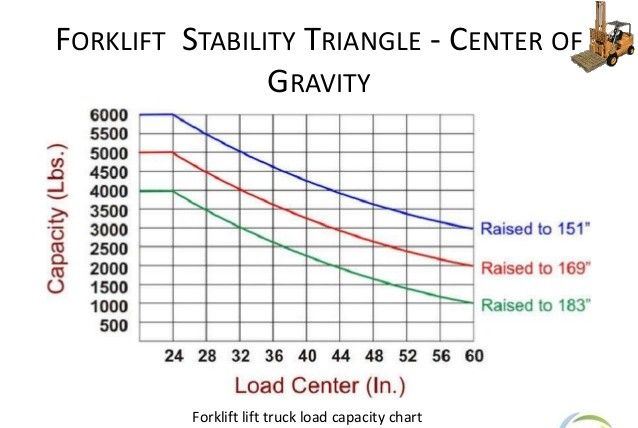
First, you have to consider the vertical and horizontal load center of the load that is being lifted, which essentially boils down to the load’s size and weight distribution. The longer, taller, and wider a load gets, the more it is going to affect a forklift’s center of gravity.

Since the load center also depends on the load’s weight distribution, an unevenly distributed load can also reduce the overall lifting capacity of the forklift.

Second, you have to consider the truck’s capabilities for lift, tilt, and load manipulation. Forklifts are plated as standard for the worst-case scenario, which includes all of these factors.

The ability to move the load further away from the forklift’s center of gravity by lifting, tilting, or performing a function as a side shift can all affect a forklift’s maximum capacity.

Forklift wheels

Speaking of attachments, there are more factors than just load manipulation that can affect capacity. An attachment’s effective thickness tells you how much further the load is pushed out from the truck’s fork face due to the attachment’s size. Its weight also plays a significant role as that increased weight out on the carriage reduces the load weight that the truck is capable of supporting.

  • Different tire types and tread widths also play a significant role. A cushion tire versus a solid or air-filled pneumatic tire, for example, can have an effect on capacity.
  • Wide tread and dual tire configurations can also increase a truck’s overall capacity due to the wider stance increasing the size of the forklift’s stability triangle.

Battery weight on an electric truck can also have an impact, which is one reason why using a battery that meets the truck’s minimum battery weight requirements is crucial to safe operation.

Forklift lifting capacity calculator

One thing to also keep in mind is that the forks, each attachment, mast, and carriage all have their own individual rated capacities. The capacity listed on your data plate cannot exceed the maximum capacity of any load-bearing component.

For example, if you have a 10,000 lb. capacity forklift with an attachment that is only capable of handling 5,000 lbs., your maximum rated capacity for the combination of these two is 5,000 lbs., which is what will be listed on your data plate.

It is important to remember that both ANSI and OSHA require data plates for each attachment and written approval from the forklift manufacturer for any modifications or alterations that may affect the capacity, stability, or safe operation of the forklift.

There are two different ways for a manufacturer to calculate capacity.

  • The first is a tilt table test, which requires a forklift to be chained down to a tilt table and tested per the requirements.
  • The second is for manufacturers to calculate the forklift’s capacity based on factors like the ones mentioned above.

Tested capacities are typically higher than calculated ones due to the conservative nature of the calculation, but this is not always the case.

Forklift data plate

he factors listed above are but a few of the primary factors that will be used to calculate a forklift’s rated capacity.

Ultimately, it’s best for you to work with your local authorized dealer when it comes to properly configure your forklift for your application and load handling needs.

This is especially important during the purchasing process, but also in regard to any modifications, you may make to your forklift after receiving it, including any attachments that you plan to use on the forklift or those acquired later on.

For more information regarding forklift modifications and best practices, be sure to read this piece on forklift field modifications.

Forklift questions

What is the maximum weight a forklift can lift?

This forklift can carry 4,000 pounds at a 24 inches load center, but only 2,666 pounds at a 36 inches load center. Requirements and Recommended Practices: Estimate the safe load capacity with oversized loads.

How do you work out the load capacity of a forklift?

It is easily calculated by measuring the load to be carried, and dividing by two (providing the load is evenly distributed, and positioned to butt up to the forklift backrest). You will often see a forklift truck’s nominal capacity quoted in a form such as 2,000kg @ 500mm load center.

What are the different types of forklifts?

-Industrial Reach Forklift Trucks.
-Industrial Counterbalance Forklifts.
-Rough Terrain Forklifts.
-Industrial Side Loader Forklifts.
-Telescopic Handler Forklifts.
-Pedestrian Operated Pallet Trucks

How much is a new forklift?

A brand new, standard capacity electric warehouse forklift might cost approximately $15,000-$25,000 or more in addition to around $2,500 to $5,000 for a battery and charger. A comparable internal combustion forklift costs around $15,000-$30,000 and up.

What is the useful life of a forklift?

As a general rule, forklifts have an economic life of approximately 10,000 to 12,000 hours. Again, this varies based on maintenance practices, operating conditions and the type of equipment used. In order to run an efficient and productive operation, the timely replacement of machinery is crucial.

The most read

More on this story

Warehouse Lifting Equipment

What is a forklift? classes, types, how they work, parts, manual, electric, models, brands, industrial or electric.

How much does a forklift weigh?

How much does a forklift weigh? Is it important to know the weight of your forklift?

Forklift Size and Weight

Finding out the weight of a forklift is necessary to ensure the safety of your workers and your warehouse.

How heavy is a forklift?

Compare a forklift to a car and you’ll see that forklifts are unique vehicles with special challenges.

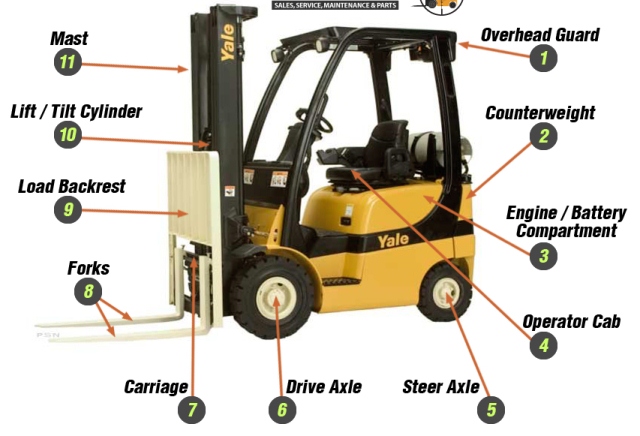
Forklift Parts name

Forklift Parts name: Forklifts are designed to last, but like any other machinery, forklift parts are susceptible to wear and tear. To keep your lift trucks running and your employees safe, high-quality forklift parts and accessories are essential.

Forklift Parts name

Parts of a forklift mast

We are very sure that you have ever seen a forklift or forklift, it is small machinery that serves to move and/or lift heavy loads (from about 1000 to 2500kg) with great ease and most importantly: with great versatility. Next, we are going to review the main pieces and how a forklift works.

This guide explains the different forklift components, including the purpose of each and how they operate.

Forklift forks

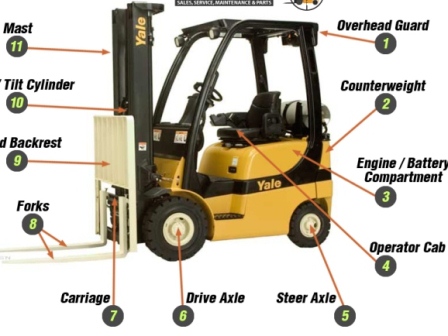
FORKS: There are two and they are located longitudinally, horizontally and parallel to each other. They will allow us to take the load underneath, generally from the side holes of the pallets.

Forklift carrier

FORKS CARRIER: It is the one that gives the disposition and rigidity to the nails. It has a vertical movement in case you need to define a position to take (or leave) the load somewhere. The carriage is an important part of the mast that is used to lift and stabilize the load. The forks and load backrest are generally considered parts of the carriage:

  • Forks: The forks are the protruding pieces of metal at the bottom of the carriage that is used to lift the load from the bottom. They come in a range of widths, lengths, and sizes to suit different purposes.
  • Load backrest: This is the flat surface along the back of the carriage that helps to support the load. Operators can rest the load against the backrest, and the backrest also prevents the load from sliding back into the operator.

Forklift tires

Forklift parts name:

FORKLIFT TIRES: For greater versatility, the steering rests on the rear wheels; they facilitate the driving and the process of collecting the pallets. Generally, forklift tires are one of the following two types:

  • Cushion tires: These tires are used indoors on smooth, flat surfaces because they have low traction. They are ideal for working environments that require a small turning radius and they are easy to maintain and relatively inexpensive.
  • Pneumatic Tires: These tires are better suited for outdoor environments because they have the traction to handle rough and uneven surfaces. There are pneumatic tires that inflate with air, and pneumatic tires made from solid rubber.

Forklift counterweight

Forklift parts name:

COUNTERWEIGHT: Located in the lower rear part of the unit, we will mark the load limits since trying to load something greater than this weight would result in a frontal rollover of the entire forklift.

Forklift mast

MAST: It is the continuation of the trolley. It has a vertical orientation and is to continue raising or lowering the load.

Forklift cab enclosure

Forklift all parts name:

CAB ENCLOSURE: Space where the operator has all the controls of both the motor (to move) and the lifting part. The steering system within a forklift typically uses a hydraulic steering cylinder and turns the rear axel while pivoting on the front tires. The levers that are found in operator cabs typically include:

  • Tilt lever: used to adjust the angle of the forks.
  • Lift lever: used to lift the forks up and down.
  • Side shift lever: used to move the carriage horizontally.
Forklift Parts name

Forklift motor

Forklifts have two main power sources: an internal combustion engine or in the case of electric forklifts, an electric motor powered by a battery or fuel cells.

Internal combustion forklift

Forklifts with internal combustion engines can run on gasoline, LP gas, CNG, or diesel fuel. These engines are similar to combustion engines in cars, injecting liquid fuel and air into a cylinder with a piston that is powered by a crankshaft.

A spark plug initiates the explosion that pushes the piston down in the cylinder, and the downward energy is converted into mechanical energy to power the forklift. Forklift combustion engines are made up of many internal components, including chains, gears, and bearings that keep it functioning properly.

Electric forklift motor

Whereas internal combustion forklifts are similar to automobiles, electric forklifts are more akin to an incredibly powerful golf cart. These types of forklifts are best suited for indoor use.

  • Pros:
    • Powered by electricity, these forklifts are clean, quiet, and easy to maintain, making them perfect for smaller operations with smaller weight-moving demands.
    • As well, there more compact design allows for a tighter turning radius and is ideal for narrow aisle applications.
  • Cons:
    • Electric engines put out less torque than internal combustion engines, limiting their effectiveness at moving significant amounts of weight.
    • This means they aren’t well suited to industrial environments with greater weight-moving demands.
    • Further, you also must have a designated battery charging area that is dry, ventilated and temperature controlled.
    • The initial costs of having to purchase a battery and charger are also higher.
Forklift Parts name

Forklift accessories

Forklift attachments are additional attachments that can be installed permanently or temporarily to the carriage. Many of these attachments allow for extra capability or support for large, heavy, or unconventional loads. There are many different types of forklift attachments available including dimensioning devices, side shifters, fork positioners, rotators, pole attachments, clamp attachments, scales, snowplows, drum handlers attachments, and telescopic forks.

Each of the main forklift components described above is important for the function and operation of a forklift fleet. If your forklifts aren’t supplied with quality components and parts, there is a much higher probability of equipment failure. ( Forklift parts name )

Forklift Parts name

Forklift spare parts

Keeping your forklifts running long-term requires a few things: careful operation, proper maintenance and access to high-quality parts and accessories.

Worldwide suppliers offer parts and accessories for forklifts of all brands, quality spare parts for all brands and models, including hard-to-find ones. The most sought after forklift parts include: Linde – Toyota – Jungheinrich – Hyster – Still – Mitsubishi – Nissan – BT – Caterpillar – Komatsu – Kalmar – Clark – TCM – Manitou – Yale – Doosan – Fiat – Steinbock – Crown – Atlet – Heli – Hangcha – Baoli – Tailift.

Forklift makes and models

  • Hyundai forklift parts
  • Manitou forklift parts
  • Helmar forklift parts
  • Ingersoll rand forklift parts

What are the three major parts of a forklift?

What are the three major parts of a forklift?

Here is a list of three parts of your forklift which must be maintained properly at all times to bolster safety, efficiency, and productivity:
1. Fluid Levels: Checking the antifreeze prior to use is essential. The same can be said for the gas and hydraulic fluids.
2. Moving Parts: Properly maintaining any forklift begins with optimizing its backbone. Most moving joints, or parts, of the forklift, are greased and lubricated to allow safe and fluid operation.
3. Gauges and Dashboard Panel: Warning indicators are absolutely important and must be utilized to their full capability. The various gauges and lights located on the instrument panel of the forklift give an indication when a part or component is malfunctioning.

What are the parts of a forklift?

Forklift parts and components:
Forklift Truck Frame
Counterweight
Operator Cab
Power Source
Forklift Mast
Forklift Tires
Forklift Attachments

Forklift Parts

The most read

More on this story

Forklift Spare Parts Name

Looking for a replacement part for your forklift parts or reach truck?

Forklift Parts and Functions

Forklifts serve the needs of various industries including warehouses and other large storage facilities.

Forklift Mast Types

Also referred to as an ‘Upright’, the mast is the vertical assembly on the front of the forklift that does the work of raising, lowering, and tilting the load.

Types of forklift tires

Overall, there are three basic types of forklift tires: cushion, pneumatic air, and solid pneumatic.

Forklift Magnet

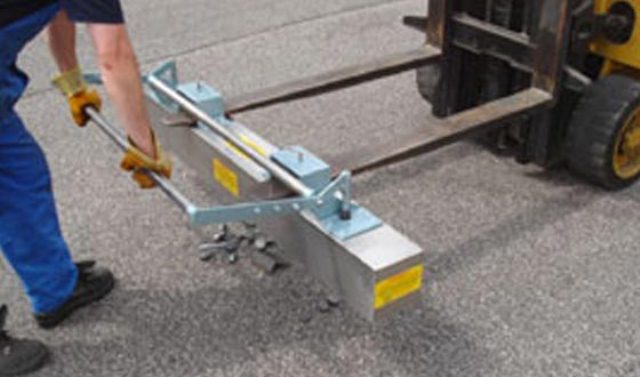
Forklift Magnet: Whether you need to clean up inside the warehouse, or outside at the job site, forklift magnetic sweepers, with releasable magnets will make picking up metal debris a breeze.

A forklift magnetic sweeper picks up metal debris while you work.

The hanging forklift magnetic sweeper will allow you to suspend the magnetic sweeper by bar or chain and can be attached at the front or the back of the forklift. Tools releasable hanging forklift magnetic sweeper is similar and has a unique lever load release, secured by releasable magnets.

forklift magnet attachment

How to work a forklift magnet?

Simply hang from your forklift truck and “sweep” all contaminated areas. To unload, push the sweeper to the desired dumping area and pull the release handle. As the magnet rises, collected material is released from the collector plate.

The hang-type magnetic sweepers with quick-release greatly reduce the possibility of costly and dangerous flat tires and injuries caused by nails, scrap iron particles, welding remnants, wire, staples, tacks, and metal shavings

Although the magnetic sweeper will lift a 3″ long 16 penny nail from 5″ off the ground, the recommended sweeping height is from 2 to 4 inches. Permanent magnetism guaranteed.

Fork mounted magnet

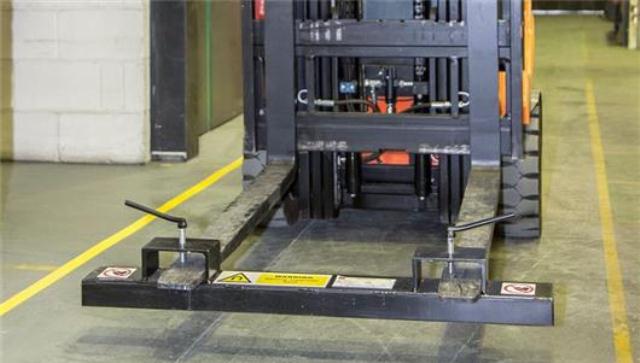
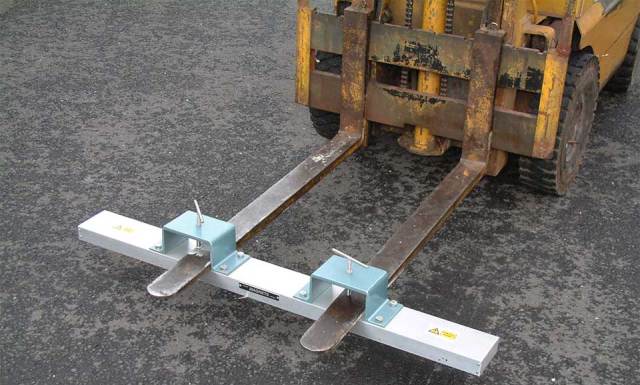
Fork mount magnets are a good option when flat tires present a hazard and you are using a forklift on fairly level ground.

These magnetic sweepers pick up debris before you run over it with your forklift which is always a good thing. And because you can attach up to a 10-foot wide magnet they are ideal for keeping large outdoor gravel or dirt yards free of dangerous metal debris.

Fork mount magnetic sweepers attach easily and quickly, are available in different sweeping widths and can be purchased with an optional Quick Clean Off Sleeve accessory to make clean off quick and effortless.

Fork Mounted magnets are also great because the forklift allows you to lift the position of the magnet over a scrap bin for cleaning the magnet off.

forklift magnet attachment

Forklift magnetic sweeper

Do you need a forklift magnetic sweeper?

There are over two billion pallets in the USA alone. Broken pallets lose the nails that hold them together and leave behind nails and wrapper staples that cause flat tires but can easily be cleaned up with a forklift fitted with a forklift magnet.

Forklifts also move things around, and in the process of moving things around, pieces of metal fall off trucks, pallets and the material being moved.

Forklifts are mobile in the same area and therefore capable of sweeping up the debris while carrying out normal operations at no additional labor cost

Forklift magnets pay for themselves quickly by preventing flat tires and downtime of equipment, and repair costs.

Forklift magnet attachment

Whether it be an airport, a spacious parking lot or any business where unwanted tramp metal may appear, it’s likely that you clean debris from the ground each and every day. When the debris is a sharp item such as a nail or scrap metal, the debris could cause flat tires or even worse, could put your employees, customers or visitors at a safety risk.

As such, it’s vital that businesses (especially industrial businesses) remove sharp iron objects from the ground each day with hanging magnetic sweepers. Rather than waste manpower and have multiple people work on removing sharp debris, you should instead consider a magnetic sweeper.

forklift magnet attachment

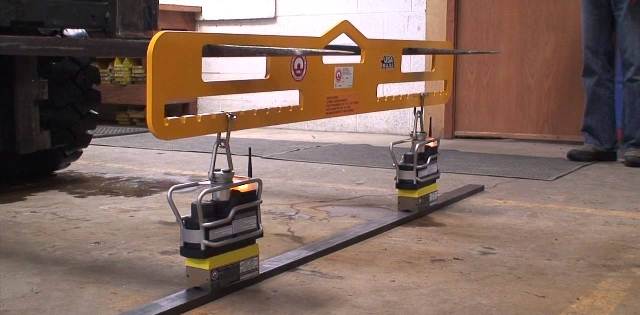
Magnetic lifter

lifting magnets: for a wide range of applications using permanent, electro-permanent, battery-powered, and electromagnetic technologies.

Self-Contained Lifting Magnets are versatile, compact, easy to operate and can be used on flat and round material ranging from 0 to 11,000lbs.

Larger lifting magnets are designed for applications such as handling billets, bundles, bar stock, slabs, plates, structurals, long bar stock, rail, hot material, coils, pipe rebar, radioactive material, slag, and more. These magnets are commonly used in steel mills, scrap yards, loading docks, warehouses, foundries, shipyards, coil and pipe distributors, and other users of applicable steel products.

forklift magnet attachment

Permanent lifting magnets

Permanent lifting magnets are composed of magnet materials and steel parts which build a path through which the magnetic flux goes from the magnet materials to ferromagnetic load to be lifted.

NL-B series permanent lifting magnets are assembled with high-grade Neodymium magnets and mild steel in order to get high magnetic power and compact sizes.

An NL-B permanent lifting magnet has two magnetic sources, one is in the main body and another is in the rotor. When the two magnetic sources are at the same magnetic direction the lifting magnet project magnetic flux to a ferromagnetic load underneath its poles. In contrast, when the two magnetic sources are at the opposite magnetic direction they absorb each other’s energy and no magnetic flux can go out from the lifting magnet. Meanwhile, the lifting magnet has no attraction to the load.

By turning the handle of the lifting magnet you change the magnetic direction of the magnetic source in the rotor and therefore to attract and release the load.

  • Permanent lifting magnets have some advantages as follows.
  • Permanent lifting magnets use magnet materials as the magnetic sources and don’t need any external power supply. So that they can be used in any place.
  • Permanent lifting magnets are composed of magnet materials and steel parts only, they are durable with little maintenance.
  • Permanent lifting magnets can be simply operated by hand. The operation of permanent lifting magnets is very easy.
  • The costs of the permanent lifting magnets are lowest among all types of lifting magnets.
  • But, permanent lifting magnets have some disadvantages.

What is a lifting magnet?

What is a lifting magnet?

A lifting magnet does exactly what it says: it’s an electromagnet that can pick up or lift metal objects. A lifting magnet has magnetic properties in its electrified coil and is normally attached to a crane.

Will the magnetic sweeper be mounted to the forklift permanently or will it be temporary?

If you can mount a magnet permanently on your forklift it’s going to working for you all the time at no extra labor cost, and it will also save you the time of temporary mounting and de-mounting. Fork mounted sweepers have the drawback that they don’t allow you to keep the magnet permanently mounted because you need to use the forklift. Therefore if you can make it work, rear or mid-mount forklift magnet is always better.

Will the maneuverability of our forklift be affected by the magnetic sweeper?

You need to consider the effect of any permanently mounted forklift magnet on overall forklift maneuverability at your location. Rear mount forklift magnets extend the overall length of the forklift to some degree, some are straight, some wrap around the back of the forklift better, but each can affect at least to some degree your forklift maneuverability. If you don’t have a lot of space to move your forklift around, then a mid-mount forklift magnet is going to rank higher for you. If you’ve all kinds of space, maneuverability isn’t a concern.

How well does the magnetic sweeper fit your particular forklift?

You need to consider what magnets will fit your forklift. Not every magnet fits every forklift. Some forklifts are low and can only accept some mid-mount magnets. Rear mount magnets have specific fit guidelines that need to be checked to ensure they will fit your specific forklift.

What terrain and in what conditions will you be working in?

The rougher, dirtier terrain your forklift operates in the stronger the magnet your likely going to want because the magnet will have to be set higher to avoid constantly hitting the ground. The magnet will also need to pick up debris through some dirt, therefore, you need a stronger magnet. The rougher the terrain that exists because of things like bumps and potholes, more you will want or favor a magnet that has some protection built in to the design to either deal with the abuse of hitting the ground or being able to move out of the way when it does hit the ground in order to prevent damage.

The most read

More on this story

Magnetic Forklift Attachment

Forklift magnetic sweepers are the perfect solution for cleaning up large areas of nails, screws, and other metal debris

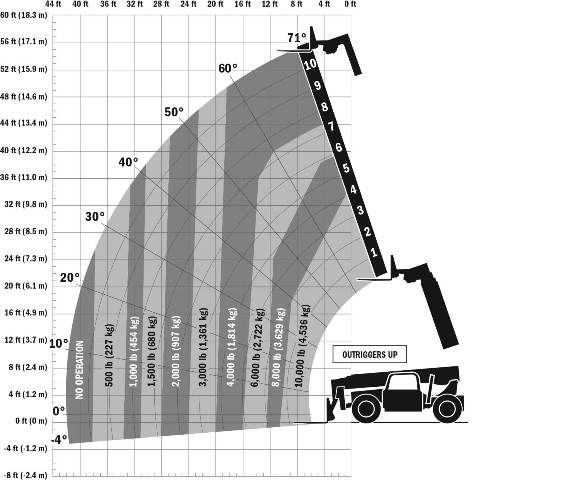
Telehandler Forklifts

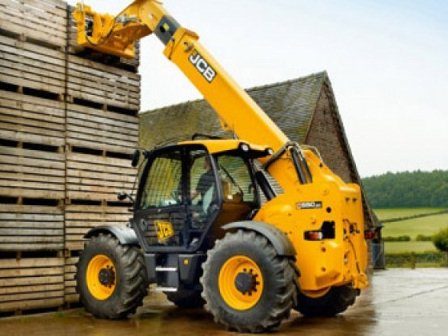
A telehandler handler is a vehicle with a telescopically extensible boom, which can extend forwards and upwards from the vehicle.

Warehouse Lifting Equipment

Warehouse Lifting Equipment: description, what is a forklift? classes, types, how they work, parts, manual, electric, models, brands, industrial, electric.

As you know, before buying or renting the forklift that best suits the warehouse where you work, you have to take into account several factors such as: the place of employment, the application to which it will be used, the type of product that will be charged, the intensity of its use, etc. Here we will guide you with the types of forklifts that you can acquire:

Warehouse Lifting Equipment

Warehouse lift equipment

Warehouse Lifting Equipment: Types of lifting equipment:

A fork crane or forklift is lifting equipment used to load and transport materials of great weight and size.

It does it through two nails of different lengths (depending on its use).

Due to the different types of hoists and applications, it can be used in any type of activity, industry or commerce, that involves the handling of loads.

Lifting equipment for warehouse

Why choose one? Warehouse Lifting Equipment

The forklifts or forklifts are perfect for loading and transporting heavy materials and allow the optimization of storage spaces.

They work with great precision and dynamize tasks in a great way, reducing the times and the number of people affected by this task.

In fact, the weight of a forklift is one of the factors that determine how many kilos they can carry.

The demand for forklifts is increasing and for each particular need, there is a certain type of forklift with different characteristics.

  • Industrial Side Loader Forklifts.
  • Industrial Reach Forklift Trucks
  • Industrial Counterbalance Forklift
  • Rough Terrain Forklifts
  • Telescopic Handler Forklifts.
  • Electric forklift

Types of warehouse equipment

Warehouse Lifting Equipment:

Motorized industrial vehicles are divided into 7 classes. Below we detail each one of them with its characteristics:

  • Electric forklift
  • Electric stacker
  • Stand up forklift operator
  • Telescopic handler forklift
  • Manual forklift
  • Counterbalance Forklift truck
  • All terrain forklift

Electric fork lift

CLASS I: The own weight of these vehicles usually acts as counterweight or counterbalance for the load that is transported in the nails, the front axle being the point of support or lever. This type of forklift has a battery and is very suitable for use in indoor or unventilated spaces as it does not emit pollutant gases, taking care of the environment and avoiding noise pollution.

Electric stacker

CLASS II: These are electric motor equipment and small size for small spaces, such as aisles of a warehouse. In addition, they have solid wheels and different characteristics according to the model.

Within this classification, we find several types of stackers:

Stand up forklift operator

CLASS II: In general they are the smallest stackers, they allow the handling of loads up to 1600 Kg and heights of up to 5.50 meters. Their wheels are polyurethane, so they need a relatively flat floor with few imperfections. Some models have a retractable platform so that the driver can mount and move without walking on long trips.

Telescopic handler forklift

CLASS II: In general they are used for storage at maximum height, reaching a level of elevation of up to 12.50 m. Given the height they reach, they usually have electronic assistance (micro cameras, monitor and positioning level presetting system). The driver is seated or standing, depending on the model, inside a cabin, with protection. (Reach Trucks)

Manual forklift

CLASS III:   They are operated manually, with handles in the back (although there are certain models that include it in the center). Generally, they do not lift very high loads from the floor, like wheelbarrows.

In some cases, these vehicles transport the operator, while in others it must walk sideways.

Counterbalance Forklift truck

CLASS IV YV:  Internal combustion forklifts, with counterweight and an internal seat for the operator.

  • Class IV has solid tires to prevent punctures
  • Class V uses inflatable and reinforced tires. They are the most used to perform the tasks of loading and unloading, storage and movement of materials.

All terrain forklift

CLASS VI: Within the types of large forklifts, they have been specially designed for difficult terrains, so their most common use is in agricultural sectors, farms, construction sites, among others. It includes tractors or trailers that are designed to transport large objects

Industrial Forklift

Class VII: Specially designed for difficult terrain, so its most common use is in agricultural sectors, farms, construction sites, among others. includes vehicles for rugged terrain, with greater stability and extensive reach.

Warehouse material handling equipment

What Forklift Type are Best for My Business?

Depending on your business type or project demands, different forklift types will work better for you. Rent or buy the following forklift types:

  • Electric Forklifts
  • Electric Walkies
  • IC Forklifts
  • Narrow-Aisle Lift Trucks
  • Rough Terrain Forklifts
  • Manual Pallet Jacks

Based on the training your team has, the floor plan of your business and the kinds of materials you’re handling, you will need a different forklift type.

Warehouse Lifting Equipment

Electric vs gas forklift

Electric forklift Vs. Internal Combustion Forklift

The major distinction between forklift types is whether the forklift is electric or an internal combustion forklift. Each type has its own advantages, but may not work for every business.

In general, electric forklifts have lower emissions and longer economic value. Companies often find fewer maintenance issues with electric forklifts, but they usually come at a higher initial cost. If your team is not ready to make a big investment upfront, consider an internal combustion forklift.

IC forklifts are easy to refuel, so they are good for multi-shift operations. To ensure your team’s safety, however, never use an IC forklift in an area with poor ventilation. The higher emissions can cause health risks. Maintenance and extra fuel costs are higher with these forklift types, but the initial cost is generally lower.

Warehouse forklift operator

Forklift operators drive around forklifts (shocker, we know), moving materials around warehouses, storage yards, factories, construction sites, and other work sites The machine itself has a hydraulic lifting mechanism, and forks for moving heavy and large objects.

Working a job like this might seem easy, but the work can be very repetitive. Driving a forklift isn’t all cake, roses, and gas pedals. It’s going to be hard work. Not everything can be lifted with a forklift, so you may have to carry heavy objects and stoop, kneel, crouch, or crawl in awkward positions.

Warehouse Forklift Types

Warehouse Lifting Equipment

What is the most common type of forklift?

Counterbalance forklifts are best used for material handling.
Three-wheel counterbalance forklifts are perfect for narrow aisles.
Reach truck forklifts for high rise storage pallet racking.
Side loader forklifts for narrow isles.

How much does a forklift driver make?

The average hourly pay for all forklift drivers is around $15 per hour but will vary by experience and location. Skill level is the biggest differentiator in pay. The longer you’ve been on the job, the closer you’ll get to that $20 per hour mark.

How much fuel does a forklift use?

About 90% of forklifts use an eight gallon (33 pounds) tank of liquid propane. If your LPG forklift has a four-cylinder engine, the tank should last about eight hours. Bigger engines reduce fuel efficiency, just like cars.

What are the best forklifts?

Forklift Manufacturers by Revenue:
-Toyota Industries Corp. $8.78 billion.
-The KION Group.
-The Jungheinrich Group.
-Mitsubishi Logisnext Co., Ltd. $3.7 billion
-Crown Equipment Corp. $2.9 billion
-Hyster-Yale Materials Handling Inc. $2.9 billion
-Anhui Heli Co., Ltd. $1.28 billion.

Forklift pictures

More on this story

Industrial Forklift Truck

The industrial forklift, also called a large capacity forklift, combines the functionalities of a warehouse forklift with that of a telehandler.

The most read

Forklift Lifting Capacity

FORKLIFT LIFTING CAPACITY: high capacity forklift loader truck, forklift attachments, side loader forklift, used forklifts for sale, battery.

Industrial Forklift accessories

Forklift accessories: A forklift is a motorized industrial truck that is used to lift and move materials over short distances. Forklifts are classified for loads with a specified maximum weight and a specific center of gravity. This information is found on an identification plate provided by the manufacturer, and the loads must not exceed these specifications.

In many jurisdictions, it is illegal to alter or remove the nameplate without the permission of the forklift manufacturer. An important aspect of the operation of the forklift is that it must have steering on the rear wheels.

While this increases maneuverability in tight cornering situations, it differs from the traditional driver experience with other wheeled vehicles.

While heading, since there is no action of the launcher, it is not necessary to apply the steering force to maintain a constant turning speed.

Forklift accessories

Forklift features

Another critical feature of the forklift is its instability. The forklift and the load must be considered a unit with a center of gravity that varies continuously with each movement of the load.

A forklift should never negotiate a turn at speed with a high load, where centrifugal and gravitational forces can combine to cause a disastrous rollover accident.

The forklift is designed with a load limit for the forks that decreases with a fork lift and load undercutting (ie, when a load does not come into contact with fork “L”). A load plate for the load reference is usually found on the forklift.

Forklift accessories

Forklift safety accessories

Forklifts are small vehicles with fork accessories that allow extremely heavy items to be loaded, unloaded, and transported throughout a facility by trained operators. Forklift attachments, such as heavy-duty forklift rams and booms allow users to move coils, carpet, and pipes. Forklift extensions provide added length during use. Platforms let personnel perform work at elevated heights.

Forklift safety regulations

Safety equipment: A forklift should not be used as a personnel lift without the installation of specific safety equipment, such as a “cherry picker” or “cage.”

Forklifts are a critical element of warehouses and distribution centers.

It is imperative that these structures are designed to accommodate their efficient and safe movement.

In the case of Drive-In / Drive-Thru Racking units, a forklift must travel within a storage compartment that has several depth pallet positions to place or retrieve a pallet.

Often, forklift drivers are guided into the bay through the guide rails on the floor and the platform is placed on arms or cantilevered rails.

These maneuvers require well-trained operators. Since each pallet requires the truck to enter the storage structure, the damage is more common than with other types of storage.

When designing an entry system, the dimensions of the forklift, including the overall width and the width of the mast, must be carefully considered.

Forklift accessories

Forklift capacity

The hydraulic system of the forklift is controlled by levers that directly manipulate the hydraulic valves or by electrically controlled actuators, using smaller “finger” levers for control.

The latter allows forklift designers more freedom in ergonomic design.

Load capacity

Forklifts are available in many variations and load capacities.

In a typical warehouse, most forklifts have a load capacity of between one and five tons.

The larger machines, with a lifting capacity of up to 50 tons, are used to lift heavier loads, including loaded shipping containers.

In addition to a control to raise and lower the forks (also known as blades or teeth), the operator can tilt the mast to compensate for the tendency of a load to tilt the blades towards the ground and risk slipping out of the forks.

The tilt also provides a limited capacity to operate on uneven terrain.

Skilled forklift operators compete annually on obstacles and timed challenges at regional forklift rodeos.

Forklift truck accessories

Forklift parts – A typical counterbalanced forklift contains the following components:

Truck frame: is the base of the machine to which the mast, axles, wheels, counterweight, top protection, and power supply are attached. The frame can have fuel and hydraulic fluid tanks built as part of the frame assembly.

Counterweight: it is a mass attached to the back of the forklift chassis. The purpose of the counterweight is to counteract the load that is being lifted. In an electric forklift, the large battery can serve as part of the counterweight.

Cabin: is the area that contains a seat for the operator along with the control pedals, the steering wheel, the levers, the switches and a dashboard that contains the operator’s readings. The area of ​​the cabin can be outdoors or closed, but it is covered by the upper cage type protection set. When closed, the cab can also be equipped with a cabin heater for cold weather countries, along with a fan or air conditioner for warm climates.

Mast: it is the vertical assembly that does the job of raising and lowering the load. It is composed of interlocking rails that also provide lateral stability. The interlocking rails may have rollers or bushings as guides. The mast is hydraulically operated and is operated by one or more hydraulic cylinders directly or using cylinder chains. It can be mounted on the front axle or on the forklift frame. A variation of the ‘container mast’ allows the forks to rise a few meters without increasing the overall height of the forklift. This is useful when loading double load in a container or under a mezzanine.

Forklift accessories

Forklift driver accessories

Carriage: is the component on which the forks or other accessories are mounted. Mounts and moves up and down the rails of the mast by means of chains or by joining directly to the hydraulic cylinder. Like the mast, the car may have rollers or bushings to guide it in the mast rails intertwined.

Tires: solids for indoor use or tires for outdoor use

Accessories: can consist of a mechanism that is attached to the car, either permanently or temporarily, to assist in the proper coupling of the load. A variety of material handling accessories are available. Some accessories include side scrollers, sliding blade accessories, cardboard clamps, multi-purpose clamps, rotators, fork positioners, carpet poles, pole handlers, container handlers, and roller clamps.

Total source parts and accessories forklift

Superior protection: a metal roof supported by poles at each corner of the cab that helps protect the operator from any falling objects. On some forklifts, the top guard is an integrated part of the frame assembly.

Source of energy: it can consist of an internal combustion engine that can work with LP gas, CNG, gasoline or diesel fuel. Electric forklifts work with a battery or with fuel cells that provide power to electric motors. For warehouses and other indoor applications, electric forklifts have the advantage of not producing carbon monoxide.

Tilt cylinders: hydraulic cylinders that are mounted on the frame of the truck and on the mast. Tilt cylinders rotate the mast backward or forwards to help hook a load.

Load backrest: is an extension similar to a frame that is bolted or welded to the trolley to prevent the load from moving backward when the trolley is raised to the maximum height.

Forklift accessories

Push-pull forklift

Below is a list of the common forklift truck accessories:

The sliding-blade attachment (push-pull): is a hydraulic attachment that extends forward, attaches to a sliding blade and draws the sliding blade to the wide and thin metal forks for transport. The accessory will push the sliding blade and load the forks for placement.

Sizing devices: the sizing systems mounted on forklifts provide dimensions for the load to facilitate the use of the space of the truck trailer and to support the systems of warehouse automation. NTEP certified sizing devices are available to support commercial activities that are billed according to volume.

Side lifts

Side shifter: it is a hydraulic accessory that allows the operator to move the teeth (forks) and the backrest laterally. This allows for easier loading of a load without having to reposition the truck.

Rotator: to facilitate the handling of skids that may have been tilted excessively and other needs for handling special materials, some forklifts are equipped with an accessory that allows rotating the teeth. This type of accessory can also be used to unload containers for a quick download.

Forklift lifting accessories

Fork Positioner: is a hydraulic accessory that moves the tines (forks) together or separately. This eliminates the need for the operator to manually adjust the teeth for loads of different sizes.

Coupling of roller clamp and barrel: a mechanical or hydraulic attachment used to tighten the object to be moved. It is used to handle barrels, barrels or rolls of paper. This type of accessory can also have a rotation function. The rotation function would help an operator to insert a paper stored vertically into the horizontal entrance of a printing press, for example.

Pole accessories: In some places, such as carpet stores, a long metal pole is used instead of forks to lift carpet rolls. Similar devices, although much larger, are used to collect metal coils.

Forklift attachments

Cardboard and accessories of multi-purpose clamp: they are hydraulic accessories that allow the operator to open and close a load, pressing it to lift it. Products such as cartons, boxes, and bales can be moved with this type of accessory. With these accessories in use, the forklift is sometimes referred to as a clamping truck.

Attachment for handling the drum: it is a mechanical accessory that slides on the teeth (forks). Generally, it has a jaw with spring that holds the upper edge of the edge of a drum for transport. Another type is gripped around the drum in a similar way to the accessories of the roll or barrel.

Simple double forks: they are forks that, in the closed position, allow the movement of a single platform or platform, but when they separate, they become a set of double forks that allow two platforms to be transported from side to side. The fork control may have to replace the side shift lever on some forklifts.

Basket for men: a lifting platform that slides over the tines (forks) and is designed to hoist workers. The man’s basket has handrails to prevent the person from falling and supports to hold a safety harness. In addition, a strap or chain is used to attach the man’s basket to the forklift truck.

Telescopic forks: these are hydraulic accessories that allow the operator to operate the warehouse design for “double-depth stacking”, which means that two pallet shelves are placed one behind the other without any aisles between them.
Forklift accessories

Scales: Truck-mounted scales allow operators to efficiently weigh the pallets they handle without interrupting their workflow when traveling to a platform. There are scales available that provide legal weightings for trade for operations involving billing by weight. They can be easily adapted to the truck hanging from the truck in the same way that the forks hang from the truck.
Snowplow: it is a mechanical accessory that allows the forklift operator to move snow easily and quickly. The snow plow can often also be used at other times of the year as an accessory to clean work places.

Jumps: is a mechanical accessory that is simply mounted on your forklift truck to allow safe and quick disposal of waste to the appropriate waste or waste compactor. There are two types of breaks: the type of advance and the lower type.

Any accessory on a forklift will reduce its rated load capacity, which is calculated with a standard fork and fork. The actual load capacity can be significantly lower.

Why do forklifts have 2 brake pedals?

One is an inching pedal on the far left to disengage the transmission in order to rev the engine and quickly lift your load as well as apply the brakes so you don’t move. The actual brake pedal is in the middle and works only as a brake. Some have one pedal which when pressed allows both inching and braking at the same time accomplishing the same results as two pedals.

The most read

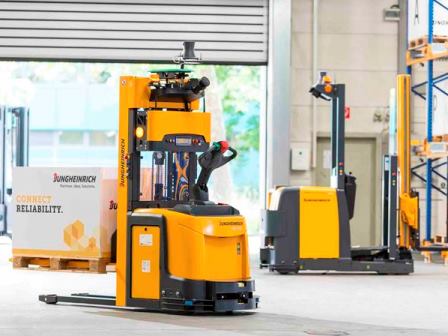
Robotic Forklift

Automated Guided Vehicles and robotic forklifts are increasingly becoming a mainstay in manufacturing facilities and distribution center operations.

More on this story

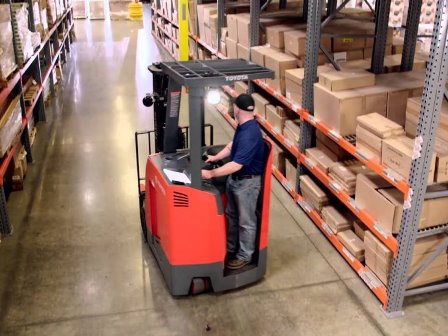
Stand-up Forklift

Stand-up forklifts are designed for applications where the operator must get on and off the lift truck frequently.