Category Archives: forklift

High Capacity Forklift

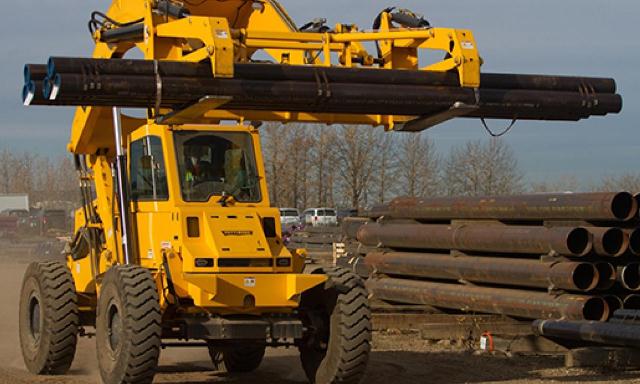
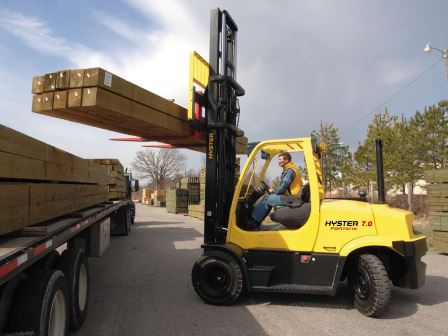
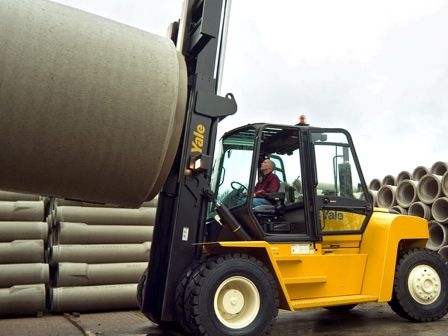
Rough terrain forklifts or high capacity forklifts have become a common piece of equipment in all aspects of the construction industry.

Masons use them to load a block onto scaffolds, carpenters use them to move lumber, and ironworkers use them to bolt up structural steel.

Manufacturers have designed fork trucks with booms that will extend over 100 feet! Some fork trucks are even equipped with controls that can be operated from an attachable work platform.

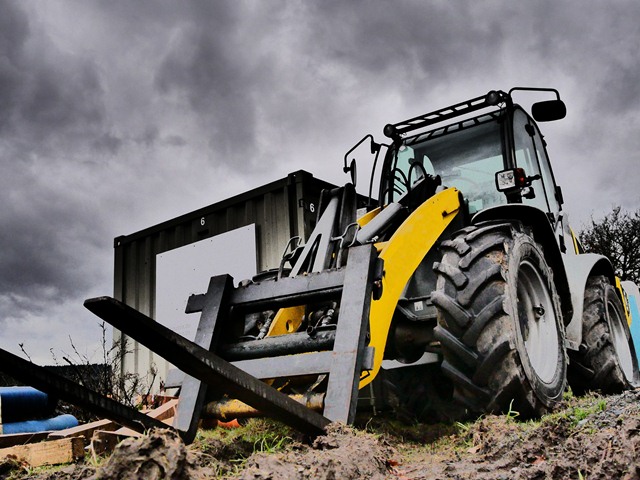
Different types of High Capacity forklifts

Rough terrain forklift or High Capacity Forklift types:

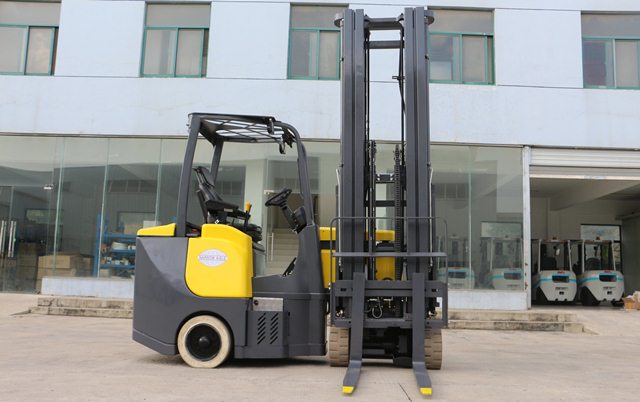
Rough terrain masted forklift

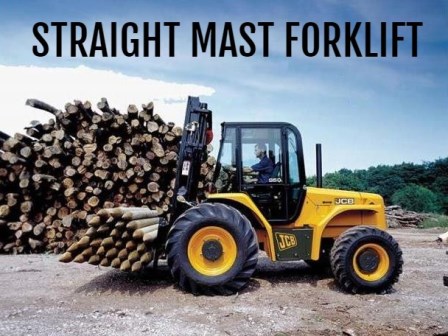
Straight mast forklifts are the upright vertical assembly on the front of the machine, raising and lowering the load. All forklifts of this nature work through hydraulic displacement for lifting, and gravity for lowering, but there are different mast types with various benefits.

  • Single-Stage Mast: A single-stage mast has one channel and limited lift height. These types of forklift are used for low lift heights. The forks attached to a single-stage mast have a limited capability in terms of reach and loads.
  • Two-Stage Mast: Also used for lower lift heights and full free lift applications, the two-stage masts are common in high capacity forklifts of 15,000 lbs and above.
  • Three Stage Mast: The most common of forklifts, the three-stage mast has three sections that extend the forks to their maximum lift height capabilities. They are used when a single or double stage mast just isn’t enough, for higher loading and unloading requirements.

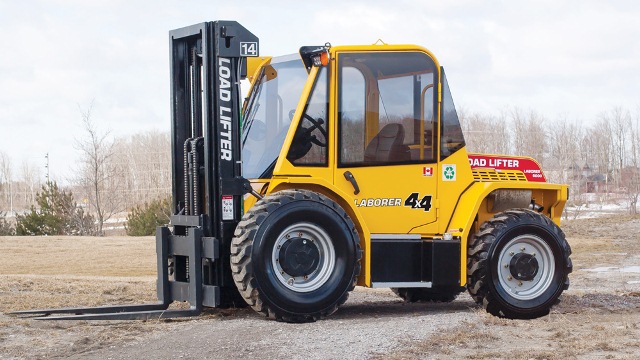
Articulated forklift rough terrain

An articulated forklift is adaptable to various surface conditions, it is suitable to operate on soft soils, grass, terrain, mine sites, and many other rugged surfaces. Extensive range of attachments is available for this model to extend its working capacity for heavy-duty mining.

  • Full hydraulic mechanic automatic transmission and steering system for flexible and easy handing.
  • Large hauling capacity from its double-axle four-wheel drive for improved safety and stability
  • Articulated body design reduces turning radius

Telescopic rough terrain forklift

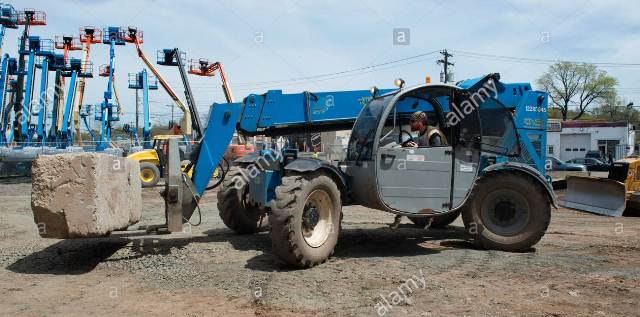
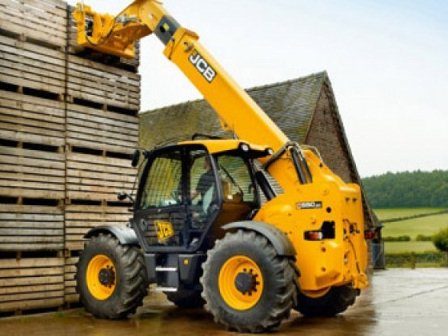
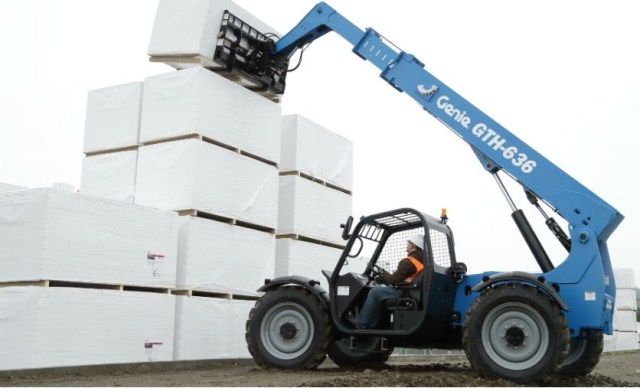
A telescopic forklift, also called a telehandler handler, is a lift truck that has an extendable boom. Telehandlers have become a mainstay at construction sites due to their ability to maneuver loads into precise locations and to reach over construction debris. Although they provide maximum utility at a worksite, they tend to cost more than their main competition, straight mast forklifts.

Rough terrain telescopic forklift

A telescopic forklift is a powerful machine that can provide a number of benefits to your business. The most desirable features of telehandlers include:

  • Versatility: The ability of telehandler forklifts to perform the work of both cranes and lift trucks.Their capacity to perform large and small jobs in a multitude of settings makes them the “Swiss Army Knife” of forklifts.
  • Precise positioning: The ability of a telehandler to move loads upward and forward allows them to do much more than conventional forklifts.
  • Steering: The possible steering modes on telescopic forklifts include two wheels, four wheels, and crab.
  • Attachments: Adding to a telehandler’s versatility is its ability to be outfitted with numerous attachments specific to the job at hands such as tongs for picking up drums, flat panels for non-palletized items, buckets for transporting workers, a palate fork, and muck grab.

High Capacity forklift safety

MIOSHA has investigated serious injuries and fatalities related to fork trucks contacting overhead power lines, fork truck roll-overs and the use of inadequate aerial work platforms on fork trucks.

The possibilities for use of the rough terrain fork truck are endless.

Along with all this newer technology and methods of using fork trucks, there are more reasons to be concerned about safety.

The operators of fork trucks must have the appropriate training and skill to safely operate the specific equipment they are using.

The employer is required to provide certification of training for employees that are assigned to operate a rough terrain forklift.

The training requirements for a fork truck with or without a personnel platform are the same as those for a powered industrial truck.

High Capacity forklift certification

operating safety rules and practices

Operator Responsibility

Safe operation is the responsibility of the operator. The equipment can be dangerous if not used properly.

The operator shall develop safe working habits and also be aware of hazardous conditions in order to protect himself, other personnel, the rough terrain forklift truck, and other material.

The operator shall be familiar with the operation and function of all controls and instruments before undertaking to operate the rough terrain forklift truck Before operating any rough terrain forklift truck, truck operators shall have read and been familiar with the operator’s manual for the particular truck being operated; they shall also abide by the safety rules and practices according to the Manufacturer’s recommendations and Brieser Safety Policies.

Before starting to operate the rough terrain forklift truck:

  • Be in operating position and fasten a seat belt, if so equipped;
  • Place directional controls in neutral;
  • Disengage clutch on manual transmission-equipped rough terrain forklift trucks, or apply a brake on Powershift or automatic transmission-equipped trucks;
  • Start engine.

High Capacity forklift license

Do not start or operate the rough terrain forklift truck, any of its functions or attachments, from any place other than from the designated operator’s position. Keep hands and feet inside the operator’s designated area or compartment.

  • Do not put any part of the body outside the operator compartment of the rough terrain forklift truck.
  • Never put any part of the body into the mast structure or between the mast and the rough terrain forklift truck.
  • Never put any part of the body within the reach mechanism of the rough terrain forklift truck or other attachments.
  • Understand rough terrain forklift truck limitations and operate the truck in a safe manner so as not to cause injury to personnel.
  • Safeguard pedestrians at all times.
  • Do not drive a rough terrain forklift truck up to anyone standing in front of an object.
  • Exercise particular care during backing and other operations where pedestrians may step into the path of travel of the truck.
  • Do not allow anyone to stand or pass under the elevated portion of any rough terrain forklift truck, whether empty or loaded.
  • Do not permit passengers to ride on rough terrain forklift trucks unless a safe place has been provided by the manufacturer.

High Capacity forklift operator training

When using a rough terrain fork truck that is equipped with a work platform to elevate personnel.

Such work platforms must be designed and built to specifications and must be positively secured against the back of the forks with a mechanical device so that the platform cannot tip or slip.

Lifting and Digging Equipment addresses “Multi-purpose machine” means a machine with removable forks or tongs that is configured to hoist by means of a winch or hook and can horizontally move a load.

When a Rough terrain fork truck is configured in this manner. Requires that a minimum distance of 10 feet be maintained from an energized power line.

This minimum distance increases as the voltage of the electrical source exceed 50 kilovolts.

Rough terrain forklift training

Safety practices when operating rough terrain fork trucks:

  • Allow only qualified employees to operate the equipment and only to the ability of their training.
  • Perform an inspection of the equipment. Check all functions, equipment and safety devices.
  • Make sure back-up alarms are working properly. Use a signal person when the operator cannot visually see.
  • An operator must wear a seat belt at all times when operating the fork truck.
  • Take care when traveling on uneven ground and slopes. Keep the boom and load as low as possible when traveling.
  • Maintain proper clearances from power lines.
  • Do not allow any “riders” on the equipment.
  • Be sure to lower the boom, shut off the engine, and engage the parking brake when exiting the operator’s station.
  • Do not park the fork truck on an incline and leave it unattended. If you must park on an incline, block the wheels.
  • Do not leave the fork truck unattended. The truck is unattended when the operator is 25 feet or more away and in view, or at any time the truck is not in view of the operator.
  • Do not allow anyone to stand or pass under the elevated portion of a fork truck, whether empty or loaded.
  • Do not exceed the rated load of the machine or the forks.
  • Make sure all loads are secured.
  • Drive slowly and in accordance with conditions at the site.

High Capacity forklift trucks

Additional safety practices when elevating personnel:

  • A pre-lift meeting should be conducted.
  • Securely attach the work platform to the back of the forks.
  • The work platform must be in compliance with:
    • Continuous guardrail system with toeboard.
    • A safety factor of four times the maximum intended load.
    • Wood planking, steel plate or grating bolted or welded to the bottom of the platform.
    • A permanent sign that specifies the maximum number of passengers, the work platform identification number, and the maximum rated load.
    • High-visibility color or marking.
  • The floor dimension width of the work platform cannot be more than the overall width of the truck measured across the load-bearing tires plus 10 inches on either side.
  • The elevated personnel must wear a harness and lanyard that is attached to a suitable anchorage point.
  • The operator of the fork truck must remain in the operator station while an employee is elevated.
  • No horizontal movement (driving) while an employee is elevated. Employees must exit before repositioning the fork truck.
  • Do not use the guardrails to climb up on, support materials, or support other work platforms.
  • Do not use ladders, planks, railings, or other material to gain more height or reach.

Rough terrain forklift manufacturers

Forklifts are a crucial element in any warehouse operation. These tools allow your team to quickly (and carefully) move heavy loads to and from the loading dock with relative ease. However, one question that a lot of warehouse and supply chain managers have is this:

“Which forklift is the best one for my”


Another common question related to this one is:

“What forklift manufacturers can i trust?”

Forklift equipment can be expensive. Therefore, it’s important to get a good, reliable forklift because faulty or unreliable products can lead to holdups at your distribution center—or worse, injuries. But, how can you identify a reliable forklift manufacturer?

One way is to look at how well a manufacturer is performing—trustworthy manufacturers tend to see a lot of repeat business and growth. Another is to check out how they’re rated by the users of their products—manufacturers who make shoddy products tend to get a lot of complaints online while reliable ones tend to be highly-rated.

The following manufacturers are all featured in the list, in order from most revenue in 2017 to least:

  • JCB rough terrain forklift
  • Caterpillar rough terrain forklift
  • Manitou rough terrain forklift
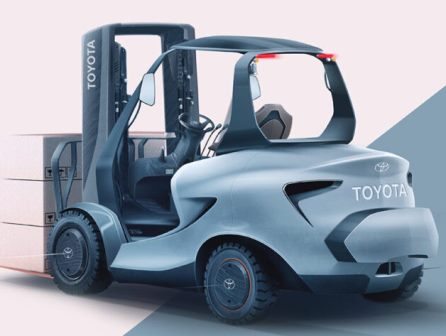
  • Toyota rough terrain forklift
  • CASE rough terrain forklift

Rough terrain forklift prices

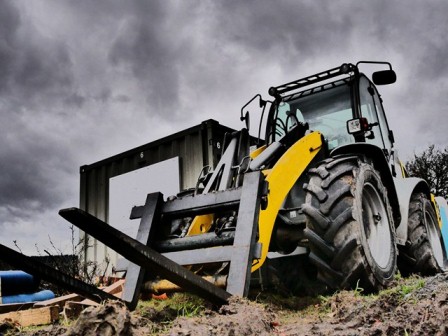
The rough terrain forklift, also known as an “all-terrain forklift”, is a bigger, meaner, beefier version of the standard forklift. It’s like a factory forklift on steroids. It’s got more power, more torque, and a giant set of tires to go along with it.

These lift trucks look more like tractors than they do forklifts. All-terrain forklifts are made to go to all the places a tractor can. The major difference is they have forklifts on the front instead of a bucket. It’s the preferred forklift truck for construction sites, ranches, and farms.

There’s naturally an added cost with all of the added bulk, power, traction, and capabilities of a rough terrain forklift. They can be purchased for as little as $20,000 and can cost upwards of $100,000 for a nice, new unit. Below we have provided some sample prices for rough terrain forklifts.

  • A new 6000LB Mast Explorer Diesel powered with Pneumatic tires runs about $36,000.
  • A used 2006 Genie Rough Terrain Forklift will cost around $44,000 to buy.
  • A used Hyster 80c Dually with a 3-speed transmission and dual-drive wheels will cost around $6,500.
  • $40,000 for a used 1996 JCB Loadall Tele-Fork Lift.
  • A 1996 Case Rough Terrain Forklift will run around $20,000.

Forklift attachments

The purchase price isn’t the only higher cost associated with these machines. Some of the rough terrain machines are twice the size of a standard forklift. They cost more money to repair. The parts cost more. Not only that. The fuel costs are going to be high as well. You need to pump a serious amount of fuel into these things.

The tires are a large expense in themselves. These are not small flat tires that are used for warehouse forklifts. They are giant, pneumatic tires. Each one is the size of a small car. They have deep tread for traction control.

Rough terrain forklift manufacturers

Rough terrain forklifts are designed to run on rough, unpaved surfaces and they are commonly used in outdoor construction sites or in military applications. They have large front tires, and may or may not have four-wheel drive. Rough terrain forklifts are often used to carry materials such as lumber, bricks, steel beams, and concrete.

They make it easier for operators to transport tons of materials over the hazardous ground like rock, wood, sand, mud, snow, and ice. Rough terrain forklifts are capable of lifting materials up to 8,000 lbs with the maximum of height at 30 feet off the ground. Buying a rough terrain forklift is a cost-efficient alternative to rough terrain forklift rental or buying new.

  • Liftking Rough Terrain forklift
  • CASE rough terrain forklift
  • Load lifter manufacturing
  • Manitou rough terrain forklift
  • Sellick rough terrain forklift
  • Rough terrain forklift Toyota

Liftking Rough Terrain forklift

Liftking is a North American manufacturer of a complete line of Rough Terrain Forklifts, Container Handlers, Military Forklifts, Straight Mast Forklifts, and other Rough Terrain Material Handling Equipment. LIFTKING

CASE rough terrain forklift

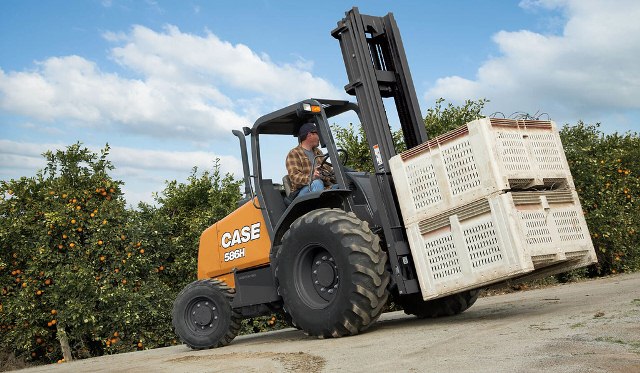
Pallets to pipes, CASE H Series rough terrain forklifts get it done smoother, easier and faster. With fast lifting speeds, roading speeds of up to 24 mph (38.6 km/h), lifting capacities of up to 8,000 lbs and a slew of unique features that keep loads level and forklift operators comfortable, this high-performance, Tier 4 Final forklifts truly do raise the bar. CASE Forklift

Load lifter manufacturing

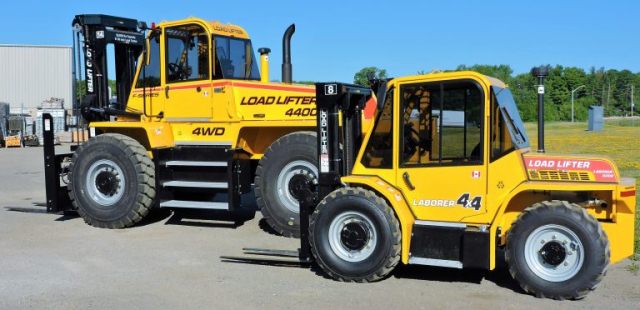
Load Lifter Manufacturing Ltd. has been producing Rough Terrain Forklifts since the mid-70s and offers one of the widest ranges of models in the industry today. Load Lifter forklifts are used in all areas around the globe and cover many applications used in the Construction, Agriculture, Mining, Forestry, Lumber, and Industrial markets.

Capacities range from 4,000 to 30,000 lbs. and lift heights from 8 to 42 feet. The manufacturing facility is located in Toronto, Ontario, Canada and it is from this location that Load Lifter ships products all over the world. Load Lifter Manufacturing Ltd.

Manitou rough terrain forklift

Manufacturing its first truck in 1957, MANITOU is a pioneer in the rough terrain forklift market. By responding to market trends, MANITOU offers a complete line of rough terrain handling equipment adapted to the specific needs of each industry. The long history of reliable, relevant equipment has led to more than 500,000 MANITOU Group machines sold to more than 120 countries. Manitou Rough terrain forklift.

Sellick rough terrain forklift

Originally started in 1969, Walter Sellick along with sons Howard and David converted a Ford 4500 industrial tractor into a 6,000 lb forklift for outdoor use.

From simple tractor conversions in the early 1970s, growth for Sellick Equipment escalated with the development of the integral one-piece frame. The design could accommodate various industrial power trains which lead to brand manufacturing for John Deere and International Harvester. Sellick Forklift

What is a shooting boom forklift?

What is a shooting boom forklift?

Telescopic reach forklifts also called “telehandlers” or “shooting boom forklifts”. They utilize a telescoping boom which allows you to place material up and out of reach of other rough terrain forklifts.

How much does an all-terrain forklift weigh?

The average automobile weighs approximately 3,000 lbs and the average forklift weighs close to 9,000 lbs. Also, forklifts are heavier in the rear to counter the weight of items being carried in the forks.

How much is it to rent a forklift?

An indoor, cushion tire forklift capable of lifting and moving 3,000 lbs has estimated rental costs of $100 per day, $250 per week, and $750 per month. An outdoor, pneumatic tire forklift capable of lifting and moving 5,000 lbs has estimated rental costs of $130 per day, $330 per week, and $990 per month.

Do you need a license to rent a forklift?

The answer is a definite “yes,” per OSHA requirements. In addition to a license, you need to be certified to use a forklift, and you need authorization from your employer to operate the forklift. This is required in small and larger businesses.

More on this story

Forklift rules and regulations

FORKLIFT SAFETY: forklift loader rules, guidelines and regulations, forklift rules and regulations, fork truck safety, forklift training license.
Forklift Lifting Capacity

FORKLIFT LIFTING CAPACITY: high capacity forklift loader truck, forklift attachments, side loader forklift, used forklifts for sale, battery.

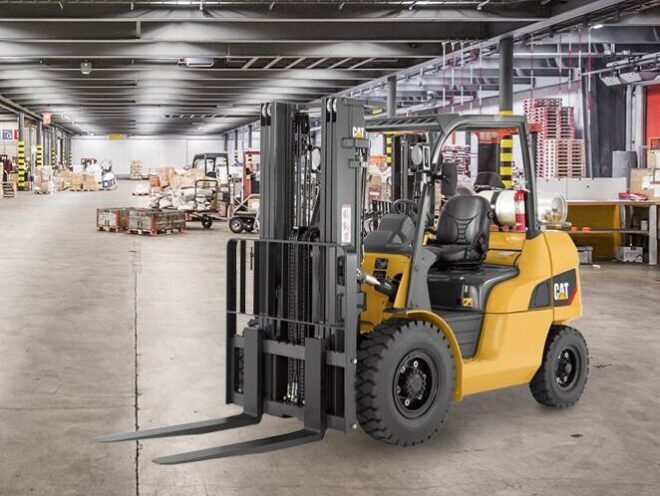
Types of Forklift

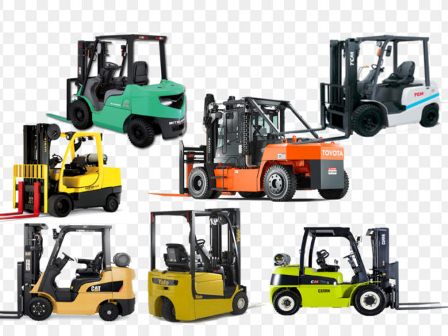
Forklifts are one of the most powerful vehicles for builders. Whether you need to move heavy loads in a warehouse or construction field, forklifts can safely lift objects humans cannot, making them indispensable on any job site.

But with a wide selection of styles and types to choose from, it can be difficult to know which is best for your environment. Have a read through our simple guide below to find out more about each different truck and their individual benefits:

What is the most common type of forklift

Since there is a wide selection of styles and models, it can be difficult to select a forklift. There are many different types of forklifts that are used in the Transportation and Logistics industry and we fill positions working with all different kinds of machinery.

Whether you are someone new to the industry with no experience operating forklifts, a forklift operator looking to become certified on other lifts, or you work in a facility that uses forklifts but don’t really know too much about those machines you see zipping around, we want to keep you informed.

More on this story

Straight Mast Forklift

Don’t see the specific model you need? Straight mast forklifts are the upright vertical assembly on the front of the machine, raising and lowering the load.

Swing Mast Forklift

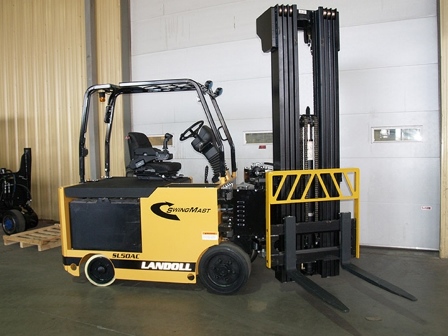
Articulated & swing mast forklifts can help you get the most out of your warehouse storage space, but there are other ways to optimize your warehouse design to ensure optimal efficiency.

Different Types of Forklifts

Ever wonder what types of forklifts are out there?

3 Stage Mast Forklift

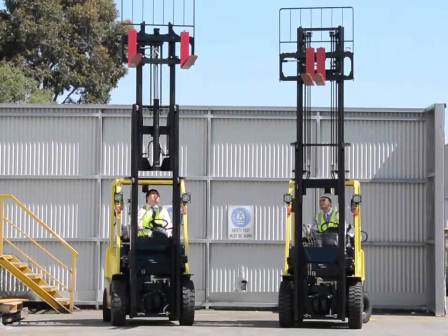
A three-stage mast consisting of an outer mast, a middle mast, and an inner mast, each mast slidably and nestable engaging an adjacent mast and configured for a positive and negative lift along the length of each mast.

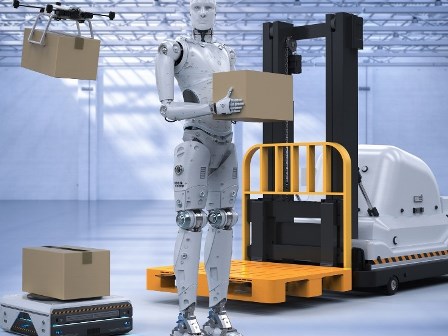
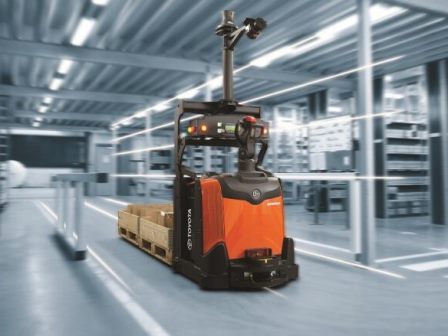
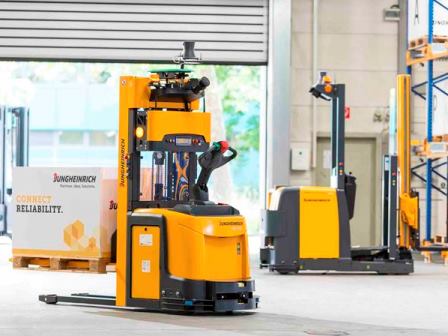
Autonomous Forklift

Autonomous forklifts and Systems make a significant contribution to the optimization of processes in intralogistics.

Electric Forklift

Most people who know anything about lift trucks can tell you that there are different types out there.

Industrial Forklift Truck

The industrial forklift, also called a large-capacity forklift, combines the functionalities of a warehouse forklift with that of a telehandler.

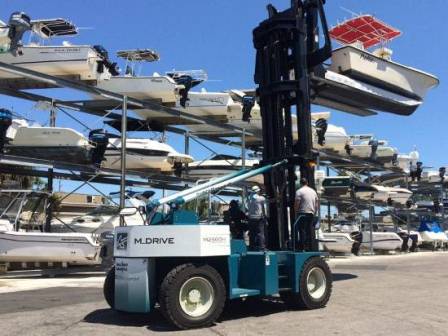
Marine Forklift

The marina forklift in the industry is used to dry-stack boats in storage racks and lower/raise boats in/out of the water.

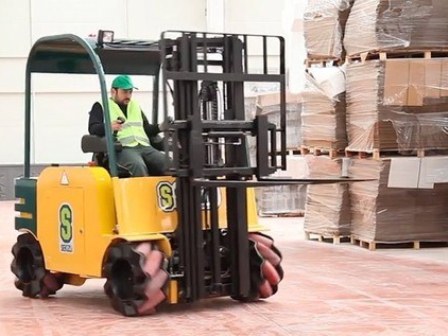
Omnidirectional Forklift

Each wheel is independently controlled; the speed and direction with which each wheel moves determines the trajectory of the vehicle.

Powered Industrial Truck Types

Powered industrial trucks, commonly called forklifts or lift trucks, are used in many industries, primarily to move materials.

Robotic Forklift

Automated Guided Vehicles and robotic forklifts are increasingly becoming a mainstay in manufacturing facilities and distribution center operations.

Rough Terrain Forklift

Rough Terrain Forklifts are among the largest of the forklift family.

Side Loader Forklift

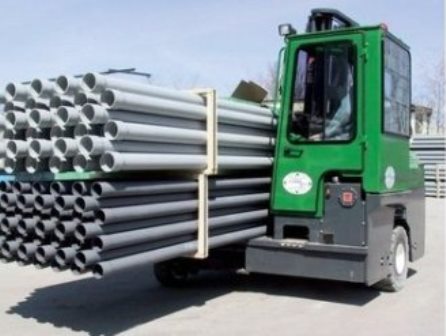
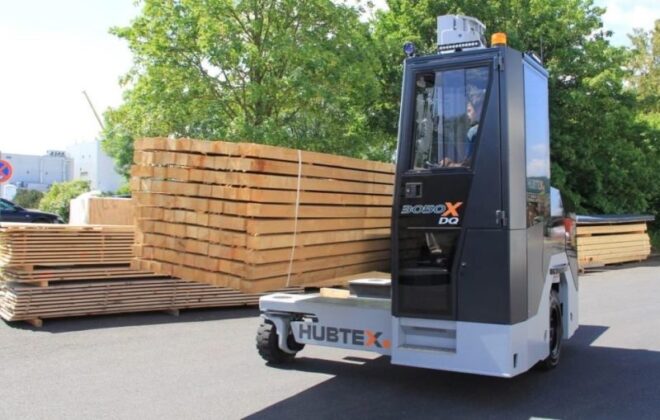
Side loaders are specialized lift trucks designed for areas that are extremely tight or where loads are longer than normal and need to be transported in a sideways direction.

Stand-up Forklift

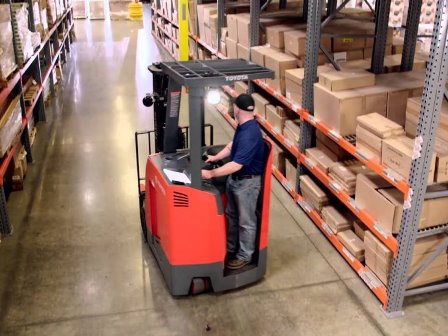
Stand-up forklifts (also known as stand-on and electric riders) are designed for applications where the operator must get on and off the lift truck frequently. They are more maneuverable and need less space to operate than sit-down forklifts.

Telehandler Forklifts

A telehandler is a vehicle with a telescopically extensible boom, which can extend forwards and upwards from the vehicle, so it can be fitted with various lifting.

Warehouse Forklift

Here we will guide you with the types of forklifts that you can acquire.

7 Different Types of Forklifts

Fork crane models for industrial use within warehouses, hydraulic three-wheeled electric forklifts, etc.

Forklifts have different shapes and sizes, also meet different and varied purposes. While most know forklifts the main function of material handling, in fact, there are many different categories of these.

For example, a hydraulic skate is not the same as a counterbalanced tricycle, although both are classified as forklifts.

Whether you are trying to learn more about these extraordinary machines or perhaps looking to diversify your fleet, here are seven different categories of forklifts and a summary of how they are used.

Different Types of Forklifts

Forklift Types

As time has passed, forklifts have tended to specialization. Today there are different types, each one trying to satisfy the specific needs of the users. Which are? Here we detail it.

First, forklifts can be classified according to the type of engine. So we have, on the one hand, electric forklifts and, on the other, internal combustion.

  • Counterbalance Forklift
  • 3 wheel forklift
  • Forklift stacker
  • Hydraulic skates
  • Electric forklift
  • Forklift Side Loader
  • Telescopic Forklift

Counterbalance Forklift

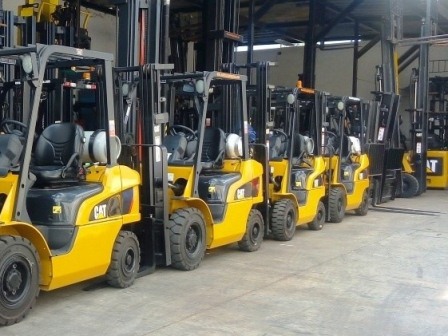
Counterbalanced forklifts are the most commonly used equipment in virtually all material handling capabilities.

They are simple equipment whose characteristics are a pair of blades for heavy loads and bulky objects

counterbalanced forklifts

3 wheel forklift

These forklifts have three wheels, unlike the previous ones of 4. They are ideal for narrow aisles since it has improved maneuverability for small spaces

forklift tricycles

Forklift stacker

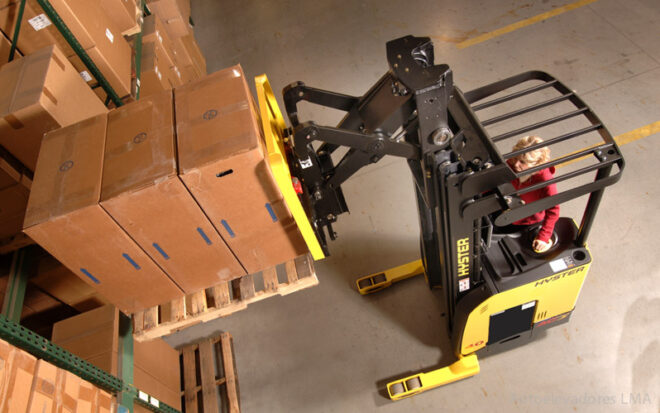
These forklifts are known for what their name indicates, their ability to lift loads at a high altitude. They are ideal in any situation that involves storage at a high height and storage in shelving systems.

They can be of different forms like equipment of an unemployed man, and a team of double reach. Reach trucks are the most common and are frequently used on shelves that have simple levels for a single load.

The double reach teams are similar but with longer blades, making them perfect for areas where multiple loads of pallets are stored at each level, as well as at the bottom of it

Forklift stacker

Hydraulic skates

These teams are considered a step back. They do not use electric current to lift materials. Instead, they rely on the old manual labor, since the operator “pumps” the skate to lift the load with its own momentum

Hydraulic skates

Electric forklift

On the contrary, the electric skids are a modern and improved version of the hydraulics. These teams do all the work for the operator. They replicate the functionality of hydraulic skids and are ideal for transporting and storing small packages

Electric forklift

Forklift Side Loader

The main area of ​​operation of the lateral loaders are the narrow corridors. They have blades mounted on the side of the equipment and are designed to lift loads along or across, which would be difficult for a common forklift

Forklift Side Loader

Telescopic Forklift

This equipment is another option for users who need to perform tasks of lifting loads at heights or requiring storage in mezzanines. They are often confused with cranes but are able to reach heights and angles that ordinary equipment cannot access

Telescopic Forklift

Different types of forklifts

What are the different types of forklifts?

-Industrial Reach Forklift Trucks.
-Industrial Counterbalance Forklifts.
-Rough Terrain Forklifts. …
-Industrial Side Loader Forklifts.
-Telescopic Handler Forklifts.
-Pedestrian Operated Pallet Trucks.

What motor is used in forklift?

Class 1: Electric Motor Rider Trucks.
Class 2: Electric Motor Narrow Aisle Trucks.
Class 3: Electric Motor Hand or Hand-Rider Trucks.
Class 4: Internal Combustion Engine Trucks—Cushion Tires.
Class 5: Internal Combustion Engine Trucks—Pneumatic Tires.

The most common types of forklifts and what they are used for?

-Counterbalance forklifts are best used for material handling.
-Three-wheel counterbalance forklifts are perfect for narrow aisles.
-Reach truck forklifts for high rise storage pallet racking.
-Side loader forklifts for narrow isles.

What is a stand-up forklift?

Stand-up forklifts (also known as stand-on and electric riders) are designed for applications where the operator must get on and off the lift truck frequently. They are more maneuverable and need less space to operate than sit-down forklifts.

Different Types of Forklifts

Forklift sizes

Another thing to keep in mind is the forklift dimensions. Make sure you give the forklift plenty of space to maneuver in the tight aisle and narrow racking. Even though the size of your forklift can vary, the dimensions for most four-wheel IC and Cushion forklifts range from a width of three feet for the smaller models, and up to eight feet for larger forklifts.

Pallet racking system

If you have a racking system and loads are consistently being raised and lowered, then the height is a major factor. Are loads lifted to a variety of heights? If so, use the maximum height when determining what forklift you need.

Best Forklift driver training

OSHA Compliant Forklift Operator
COMPLETE Training Kit

  • Certificates Of Completion,
  • Operator Cards,
  • Student Hand Outs,
  • Hands-On Evaluation Checklist, & More!
  • New release limited-time special promotion pricing ends soon!
  • Buy once & get free templates for life to train all your employees!
  • English and Spanish versions both included!
  • Get your employees forklift certified in 1 hour!
  • Available on a flash drive for ease of use and re-use.
  • We have helped thousands stay OSHA compliant
  • The best part is that you can complete the training from anywhere at any time!
  • It comes with a 100% 30-day money-back guarantee so you can try it out completely risk-free!

The most read

More on this story

Forklift Classification Chart

Productivity and efficiency can be increased in the workplace if one chooses the correct equipment for his or her needs.

Forklift Size and Weight

Finding out the weight of a forklift is necessary to ensure the safety of your workers and your warehouse.

Powered Industrial Truck Types

Commonly called forklifts or lift trucks are used in many industries, primarily to move materials.

Forklift Safety Procedures

Forklifts are extremely useful workplace vehicles, as long as they are used safely and appropriately by operators who are appropriately trained and competent to use them.

Blue Back up Lights Forklift

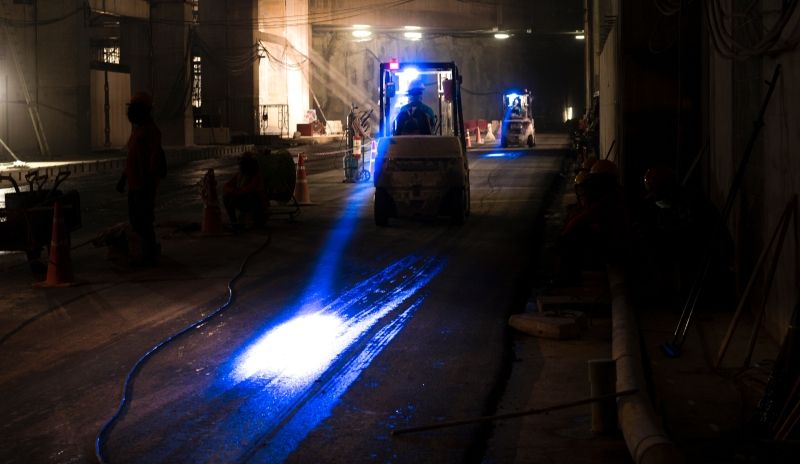
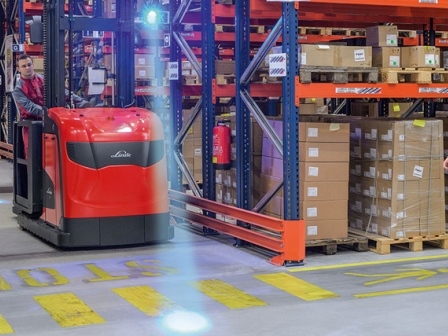
Pedestrians might not see a forklift rounding a corner, emerging from a rack aisle, or backing out of a trailer, but warning lights give them advance notice by projecting a super bright, 18” disc of light onto the floor as the forklift moves.

Lights are wired to forklifts and draw only 7 watts of power.

12-110V voltage range means they will run on almost any standard forklift. Since they move when the lift does, lights help pedestrians understand if a forklift is moving. Mount directly onto the forklift or through a magnet mount.

Blue Back up Lights Forklift

Forklift light indicators

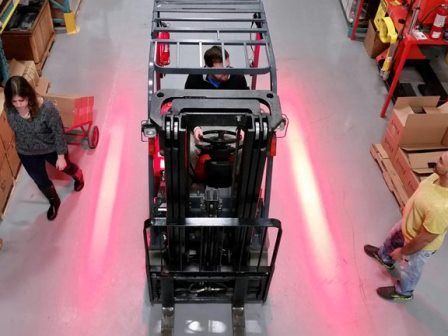
Draw a high-visibility line around your forklifts with side zone lights that helps people stay away from the forklift.

The Red-Zone LED warning light helps lower the chances of workers getting hit by the rear end swing of a turning lift or their feet getting run over by illuminating a safe zone.

Installation is simple; all necessary hardware is included with the light to set a safe perimeter for any size machine. One light creates one line, so add another to guard both sides of your forklift.

Back up lights

180° Degree Arc Lights

Help pedestrians stay out of the path of approaching vehicles they may not hear or see. Super bright and super durable LED lights cast a 180° arc of light on the ground to indicate the danger zone in front of or behind the vehicle. For added 360° safety awareness, mount it to the front and rear of your forklifts and other industrial vehicles.

Cheap lights can cost you a lot. They are duller, fade over time, are less reliable, and eventually, fail. Look for a light that has high lux ratings (not lumens) and a lifetime warranty.

Back-up lights: a light mounted at the rear of a motor vehicle and so connected that it shines only when the vehicle is in reverse gear illuminating the road behind.

How much does it cost to replace backup lights?

Warning lights are ubiquitous and many are inexpensive, some costing less than $30. Your lights should work every day, all day for years. They must be reliable, bright, and durable. Dim, cheap lights that don’t last can backfire.

High lux ratings make the light crisp and visible. Intensity is measured by lux, which is the amount of perceivable light projected onto a surface. Don’t focus on lumens. Your light should have at least 900 lux so it will be intense, bright, and visible.

Long-term warranties are a sign of quality. Some lights have no warranty at all, or only one year, please avoid them. Quality lights are at least four years old, and life is even better.

Insist on excellent heat dissipation. The lights will last longer and won’t fade as quickly as cheap lights.

More on this story

Forklift Blue Light

Making forklifts and other vehicles in your facility more conspicuous and keeping workers aware of oncoming traffic is critical.

Forklift warning lights

The Safety Warning light projects a clearly visible spot beam onto the floor that alerts pedestrians and other vehicles of the nearby presence of the forklift.

Forklift Test Questions and Answers

Now that you’ve decided that you want to be a forklift driver, you might be wondering what’s next.

Passing the forklift certification test is your next step.

Extensive training is needed to become a certified forklift operator, and each qualified operator has undergone training before seeking employment.

Taking a forklift operating training course is crucial to becoming a competent and safe forklift operator.

The course consists of a variety of different topics, including knowledge of industry safety standards and what the job consists of.

It also covers the different forklift controls and maneuvers and how to operate a safe at work.

After completing the course, you are expected to take the forklift training test which will ensure that you have understood all the material covered. The standard for these training and testing courses is set by OSHA.

Forklift Test Questions

Aptitude test questions and answers

The following are multiple-choice questions taken from a forklift operator’s written test. You have to get 80% to pass a training course. Test yourself here.

When refueling or recharging a powered industrial truck the operator should?

  1. Make sure there is adequate ventilation
  2. No smoking in the area
  3. Have an extinguisher nearby
  4. All of the above

An operator must engage the brakes prior to dismounting.

  1. True
  2. False

10-15% of forklift accidents are, at least in part, caused by inadequate training.

  1. True
  2. False

The employer is not required to enforce forklift inspections to check on damage and remove it from service until repaired, as well as maintain a written record of the inspections.

  1. True
  2. False

Forklift test Forklift written test answers

How to pass the forklift training test (questions and answers)

So now that you’ve decided you want to be a forklift driver, you may be wondering what’s next.

“Pass the forklift certification test” is your next step.

Extensive training is needed to become a certified forklift operator, and all qualified operators have undergone training before they jump into the field.

Taking a forklift operator training course is crucial to becoming a competent and safe forklift operator. The course consists of a variety of different topics, including knowledge of industry safety standards and what the job entails.

It also covers the different controls and maneuvers of forklifts and how to operate one safely on the job.

After completing the course, you will be expected to take the forklift training test which will ensure that you have understood all the material covered. OSHA sets the standard for these training and testing courses.

Forklift training course

Before taking the forklift certification test, you must attend the training class. This class is instructor-led and consists of a variety of different topics.

The instructor must have extensive training and qualifications to be able to teach an appropriate course. There are two different types of classes: online and in-person at a training center.

If you have the means to take a training course in person, I would recommend that you do so instead of taking an online class.

Forklift exam questions

The Forklift License Exam Review will test your knowledge with questions answers, to increase your chances of passing your forklift licensing exam for employment.

Forklift Operator Training Exam Prep Includes Sample Exam and Answers:

  • Due Diligence Basics
  • Occupational Health & Safety Management
  • Course Objectives
  • General Safety Rules
  • Operator’s Daily Check
  • Terminology
  • Mast Types
  • Forklift Tire Types
  • The Professional Operator
  • Maintaining Control
  • Maintaining Stability
  • The Stability Triangle
  • Load Handling
  • Loading & Unloading Vehicles
  • Batteries
  • Safe Handling of Propane (LPG) Fuel
  • Maintenance
  • Fork Safety
  • Ergonomics
  • Common Factors in Forklift Hazards
  • Forklift Classes
  • Lift Codes and Images
  • Minimum Safe Approach Distance – MSAD
  • Designations
  • Glossary of Terms and much more.

More on this story

Forklift questions

Now that you have decided that you want to be a forklift driver, you may be wondering what comes next.

Forklift Safety Procedures

Forklifts are extremely useful workplace vehicles, as long as they are used safely and appropriately by operators who are appropriately trained and competent to use them.

Standard Operating Procedure for Forklift Operation

An untrained operator of a forklift can be as dangerous as an unlicensed operator of a motor vehicle.

How wide are forklift forks?

Knowing the different sizes of forklifts
What should I know for my warehouse or workshop?

Forklifts are one of the great innovations in the material handling industry.
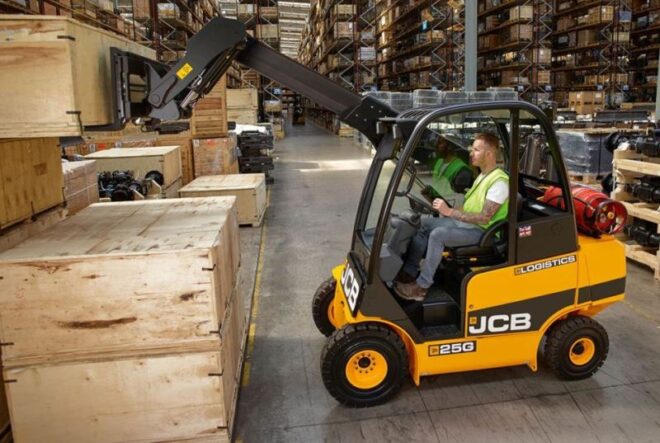
It can lift, move and carry heavy loads more efficiently. Due to its capacity, it has become indispensable in any type of job or warehouse.
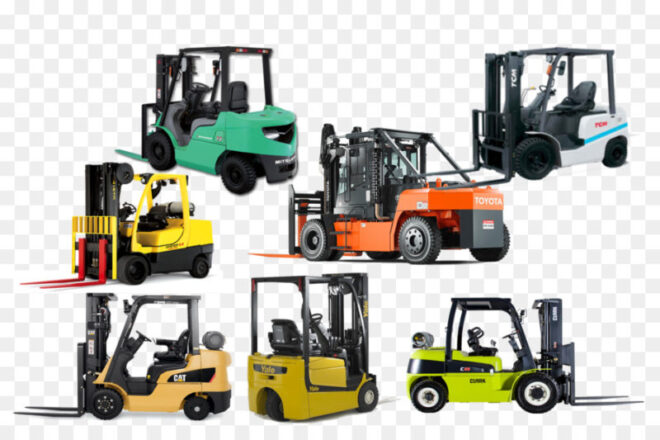
Forklift size guide

Forklifts vary in size depending on their use. Although it can perform different tasks that manual handling cannot, you need to understand the proper size for your intended application.

Dimensions such as overall height, maximum fork height, folded height, overall length and fork length must also be taken into account.

If the application is primarily outdoors, the rough terrain forklift is the ideal type of forklift for the job, its length is greater than 10 feet and it can lift a much heavier load.

Rough terrain forklifts are great for the type of handling job, such as docks, harbors, logging, and construction sites.

If the application is pallet racking, narrow aisle machine types such as standing stackers and side loaders are perfect for fitting between aisles and can be only 5 feet long.

Another aspect to take into account for this type of application is the lifting height that the forks can reach.

The standard lift height is between 10 and 15 feet.

Knowing the maximum height of the frame is important in determining the lift height that the forklift should have.

Buying a forklift with too short a lift height will make you buy another. Choosing a forklift with the proper lift height to suit your application can definitely save you the hassle.

Forklift capacity chart

If the forklift is intended for the warehouse configuration, it is crucial to know the aisle width to determine what size forklift is ideal for the current configuration.

If you intend to purchase a standard counterbalanced forklift, the aisle width must be at least 12 feet in order to safely and efficiently maneuver the truck and move pallets.

When choosing a forklift, you need to know how the forklift will be used. Forklifts differ in many ways, such as the fuel they run on, lift capacity, fork height, wheel size, pallet dimensions, etc.

When buying a forklift, it is very important to consider these factors as well, which will affect the monthly maintenance and fuel budget.

More on this story

Forklift Fork Dimensions

They are an integral part of the forklift and ensuring you are using the correct ones and that they are in good condition is essential to both the safety of personnel, but also the forklift and the load.