All posts by Loganx

Professional Web Writer | Motor Enthusiast | Content Creator | Logan is a dedicated and skilled web writer, passionate about engines and machines and with a talent for creating engaging and informative content. She specializes in writing about a diverse range of topics including construction, forklifts, heavy equipment, excavators, etc. SEO Optimization: Proficient in SEO best practices, ensuring high visibility and engagement for all published content.

Forklift Safety Procedures

Forklift safety procedures: Forklifts are extremely useful workplace vehicles, as long as they are used safely and appropriately by operators who are appropriately trained and competent to use them. Forklifts can be dangerous: they account for 25% of injuries at work.

Many workplace accidents involve people being hit or run over by forklift trucks (typically when the forklift is reversing)because the driver did not see them. Owing to their size and weight, injuries resulting from forklifts are generally very serious. Accidents involving them are often caused by poor supervision and a lack of training.

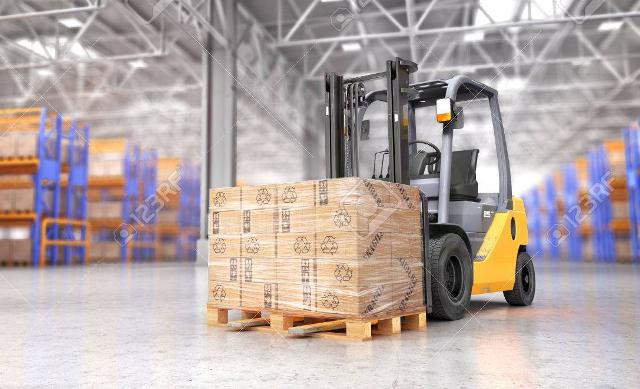
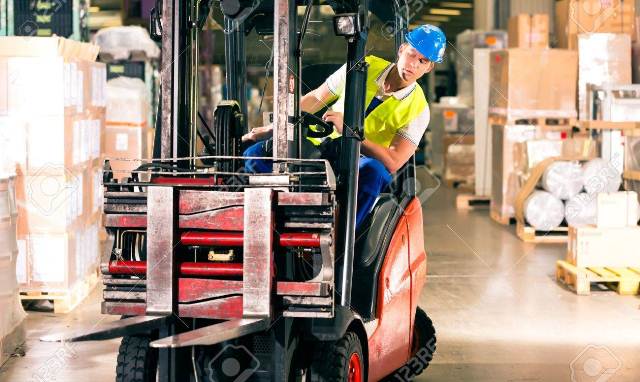
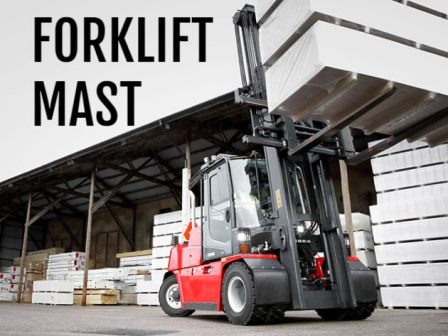
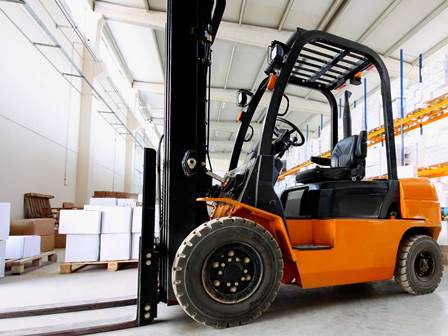
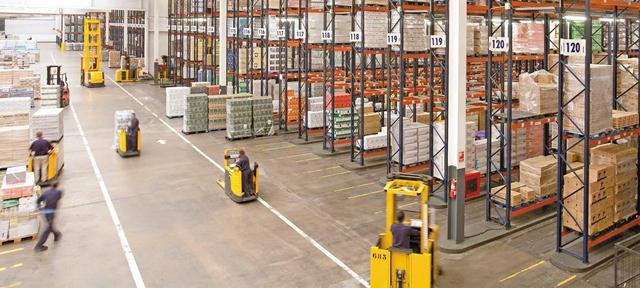
Forklift safety procedures: The forklift in the big warehouse.

Forklift Operating Procedures

The following forklift safety procedures tips will help you and those you work with stay safe around forklifts.

What the law requires you to own, lease, hire or borrow a vehicle for work purposes, you must make sure that it is safe for use and fit for the purpose for which it is intended.

Under health and safety legislation, a vehicle is a place of work. The law requires that workplaces are maintained in a condition that is safe and without risk to safety and health.

Vehicles must be kept safe and fit for purpose and the driver must be able to get in and out of the vehicle safely. Forklifts also are classed as work equipment.

Employers must make sure that drivers are familiar with the vehicle they are driving and that they have been given appropriate instruction, information, and training to carry out required pre-checks and to use the vehicle in the correct and safe manner, as per the manufacturer’s instructions.

Employers must also make sure that they have a defect reporting system in place so that when defects are found that they are rectified.

Employees should never be required to operate under conditions that are unsafe or that do not comply with the law. Employers must make sure that forklifts are provided in a safe condition for use at work.

This can be achieved by having a preventative maintenance system that includes scheduled checks as per the manufacturer’s instructions. Employees have legal duties to use work equipment in a safe manner in line with procedures developed by their employers.

Forklift safety procedures

Forklift operation safety

Safe Operation – Always:

Wear appropriate personal protective clothing as provided by the employer. Hard hats, protective footwear, and high-visibility clothing are recommended as a minimum when working around forklifts. Other equipment may be needed depending on the working environment

  • Carry out a pre-shift check of the forklift
  • ✓ Report defects immediately to the supervisor
  • ✓ Make sure the work path is free of obstructions
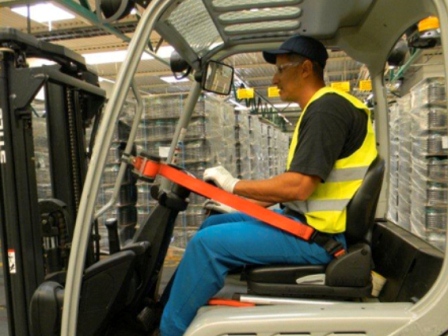
  • ✓ Wear operator restraints, where fitted
  • ✓ Look all around before moving off
  • ✓ Look in the direction of travel
  • ✓ Travel at a speed suitable for the location and the load carried
  • ✓ Travel with the forks lowered, but clear of the ground
  • ✓ Watch out for pedestrians
  • ✓ Avoid sudden stops and violent braking
  • ✓ Take care when driving on wet, icy, slippery, or loose surfaces
  • ✓ Slow down at corners, doorways, and at danger spots
  • ✓ Sound the horn several times when approaching blind corners, exits, and entrances
  • ✓ Switch off and remove the key before leaving the forklift. Place the key in a safe location when the driving task is completed
  • ✓ Apply the parking brake before leaving the forklift
  • ✓ Face the forklift and use the steps and handholds when getting in or out of the vehicle. Use three points of contact.
  • ✓ Report any accidents or near misses to a supervisor

Forklift safety signs

Forklift safety procedures: Never:

  • Operate a forklift unless you are trained, competent and authorized to do so
  • Use a forklift or equipment you know is not working properly
  • Operate controls from outside the cab, unless it is designed so you can do this
  • Stand on or near the controls to reach the load or anything outside the cab
  • Start or stop suddenly
  • Make abrupt or quick turns
  • Travel on uneven ground unless the forklift is suitable for this
  • Run over unprotected cables or flexible pipes
  • Try to carry out repairs – leave this to a qualified maintenance engineer
  • Operate a forklift when under the influence of alcohol or drugs [prescribed or illegal]
  • Use mobile phones or other hand-held devices while operating the forklift
  • Use uncertified attachments
  • Use an attachment unless a competent person, an authorized dealer, or a manufacturer has derated the forklift [reduced actual capacity]
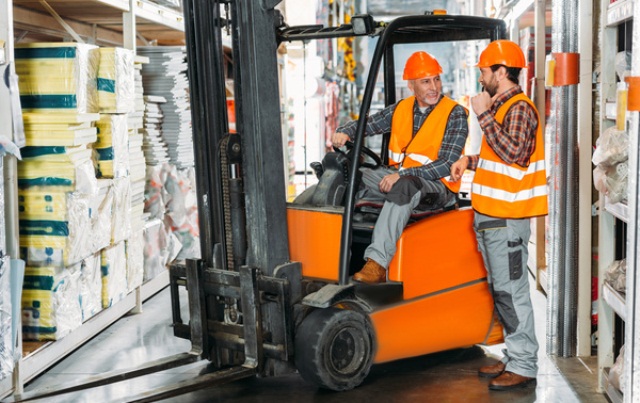
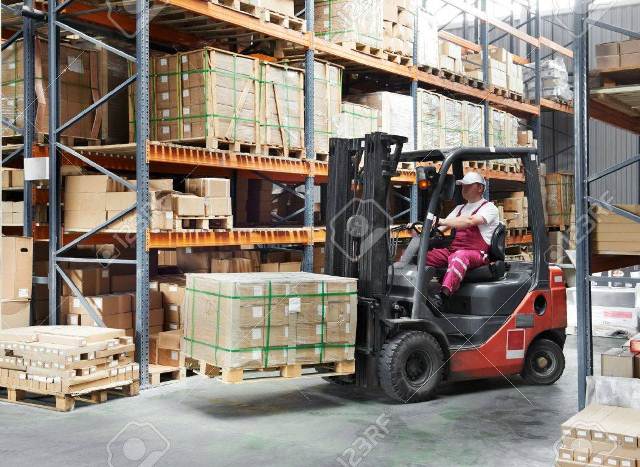
Forklift safety procedures: workers using forklift machine in storehouse

Forklift carrying loads

Forklift safety procedures: Always:

  • Assess the load before lifting. Check weight, size, load center, and security
  • Make sure that pallets are in good condition
  • Observe floor loading limits
  • Find out the weight of the laden forklift
  • Check the safe working load (SWL) of racking before placing loads onto it
  • Make sure the load does not obstruct the view. If it does, drive in reverse, looking in direction of travel
  • Make sure there is adequate clearance for the forklift and load, including overhead
  • Make sure the load does not exceed the capacity of the forklift
  • Make sure the load is stable and can be safely lifted
  • Carry the load as close to the ground as possible
  • Use controls smoothly
  • Position forks properly and as widely as possible
  • Make sure the fork arms are fully inserted when traveling with a load
  • Make sure the forklift is stopped before raising the load
  • Use suitable attachments for lifting unusual or wide loads
  • Lower loads at a safe speed
  • Make sure you are properly trained, certified and authorized to operate the forklift with an attachment

Forklift safety procedures

Forklift safety procedures: Never.

  • Lift loads greater than the capacity of the forklift
  • Move a load that appears unsuitable or unstable (including on a damaged pallet)
  • Lift load with attachments, unless trained, certified, and authorized to do so
  • Travel with a bulky load that blocks your view
  • Travel with a raised load, unless the forklift is designed specifically for this
  • Leave the vehicle with the load raised.

Forklift ramp angle

Operating on Slopes

  • Travel slowly when going down slopes
  • Ensure the forks face uphill when traveling up or down slopes with a load
  • Ensure the forks face downhill when traveling up or down slopes without a load
  • Adjust the tilt (where fitted) to suit the gradient and raise the forks to clear the ground

Forklift safety procedures: Never.

  • Turn the vehicle around on or travel across a ramp or a slope
  • Leave a forklift on a slope, except in an emergency. In case of an emergency always chock the wheels

Using a forklift to lift a person OSHA

Carrying People:

  • Use a safe work method when using working platforms, i.e integrated platforms. Use of nonintegrated platforms should only be permissible in exceptional circumstances under-documented controls
  • Remain in control of the forklift while workers are on the platform
  • Watch out for pedestrians
  • Use spotters when operating in congested areas

Forklift safety procedures: Never

  • Lift a person on the forks or on a pallet, or similar, balanced on the forks
  • Move travel or turn with a person lifted at a height
  • Carry passengers, unless the forklift is designed for this and has a designated seat and seat belt
  • Allow people to walk under raised forks or loads
  • Leave a truck unattended when people are using a non-integrated platform
  • Pick up a load if someone is standing close to it

Forklift safety tips workplace

When you have finished working

Below are some simple tips to follow to ensure the safe operation of forklifts. Although these tips are simple and quite basic they are a good starting point to support workplace health and safety guidelines.

Always:

  • Park the forklift in a safe place, on level ground; never on a slope
  • Leave the forklift with the mast tilted forwards and the forks fully lowered, with the tips on the floor
  • Apply the parking brake, select neutral, switch off the engine and remove the key
  • Return keys or other activating devices to their place of safe-keeping
  • Report any malfunctions or defects immediately to a supervisor
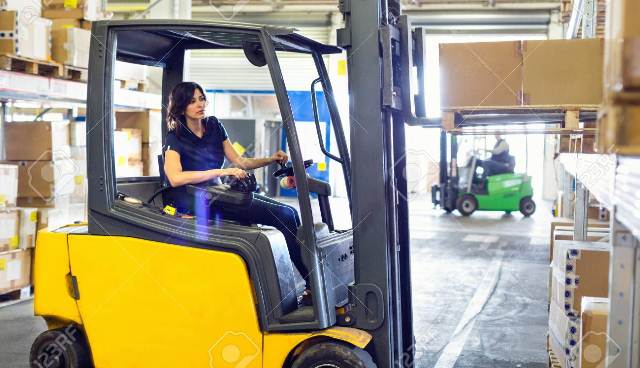
Forklift safety procedures: Female forklift truck driver working in a distribution warehouse

Forklift safety checklist

Forklift safety procedures: Visual Checks

  • General Condition.
  • Forks.
  • Carriage Plate.
  • Mast.
  • Back Rest Extension / Load Guard.
  • Lift Chains.
  • Tires.
  • Wheels.
  • Overhead Guard / Roll Over Protection Frame.
  • Energy Source.
  • Hydraulics.
  • Identification / Rating Plate.
  • Operator’s Compartment.
  • Access.
  • Lights, Windscreen, and Mirrors (if fitted).
  • Fire Extinguisher (if fitted).

Forklift safety procedures: Working Environment

  • No evidence of leaks.
  • No obstructions (overhead or in the working area).
  • Correct forklift type for the working environment.

Forklift safety procedures: Practical / Operational Checks

  • Seat.
  • Safety Belt.
  • Ignition and Electrical Systems.
  • Reversing Alarm and Horn.
  • Warning Lights and Lights (if fitted).
  • Hydraulic Controls.
  • Brakes (Foot & Parking).
  • Clutch and Gearshift.
  • Steering.
  • Exhaust.
  • Noise.

Forklift driving tips

Forklift safety procedures: If used on the Public Road

  • The forklift truck was registered and the number plate (front and rear) displayed, was clean and legible.
  • Valid tax and insurance disc displayed.
  • Road lights (side, head, rear, stop, and number plate lights) are in place, clean, correct color, and working correctly.

Note: Head, stop, and direction indicator lights are not required if the truck cannot exceed 12 miles per hour (19 Kilometres per hour) provided that the driver is clearly visible on all sides, can give hand signals to other traffic, and the vehicle is not used during lighting-up hours except in an adequately lit public place.

Thorough Examination: Thorough examination is carried out every 12 months (every 6 months if used to lift persons) by a competent person and a test certificate is available.

Forklift safety procedures

Forklift truck safety procedure

What is Forklift safety?

The pre-operation of forklifts involves a pre-start inspection that checks the condition of the vehicle, fluid levels, tires, fork condition, forklift safety devices, finger guards, load backrest extension, and more with the power off. The most important safety device on your lift truck is a properly trained operator.

What are the hazards of a forklift?

Sprains, strains, and other soft tissue injuries to the neck, back, and arms can cause long-term health problems. Common hazards that injure forklift drivers include: continuously and/or repeatedly looking up during high stacking.

Why is forklift safety important?

A forklift is a powerful tool that allows the movement and storage of products and materials efficiently and safely, provided that the employer provides the correct equipment and properly trains its operators.

Why are forklifts dangerous?

There are many factors that explain why forklifts are dangerous: A load of a forklift is carried in the front of the vehicle, blocking the line of sight of the operator. Forklifts are frequently required to lift heavy loads to high places. Mistakes made during lifting can lead to serious injuries from falling loads.

The most read

More on this story

Standard Operating Procedure for Forklift Operation

Safe Forklift Operation according to OSHA
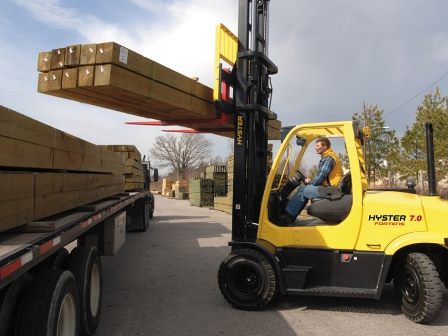
Forklift rules and regulations

Personal safety measures are also essential when working with forklifts in different types of warehouses.
Standard Operating Procedure for Driving a Forklift

Safe Forklift Operation according to OSHA
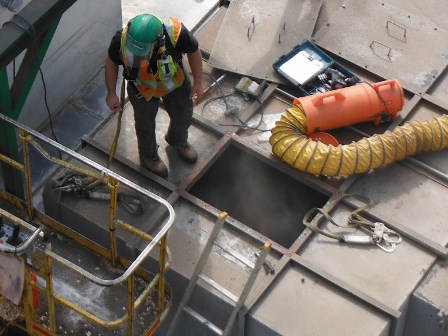
Confined Space Entry Procedures

The purpose of these procedures is to ensure that entry into any confined space is planned and documented as required in order to identify and control hazards.

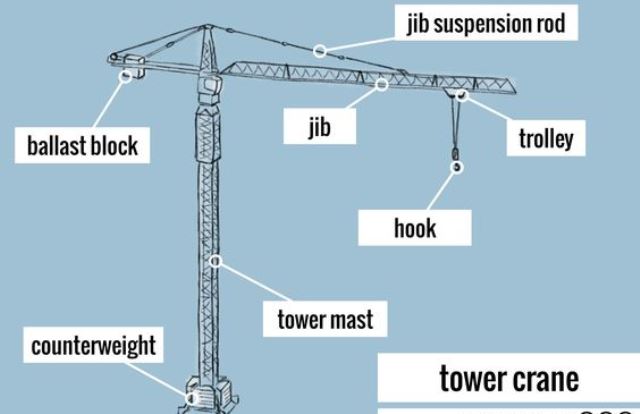
Tower Crane Parts Diagram

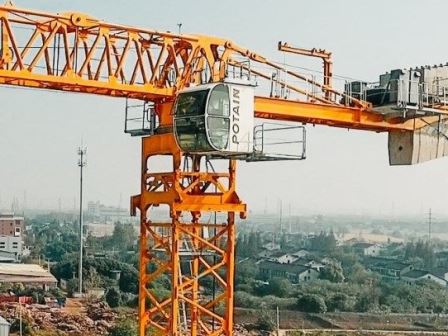
A tower crane is a large piece of construction equipment used to lift and move heavy materials on construction sites. It consists of various parts that work together to perform specific functions. Here’s a brief overview of the main parts of a tower crane and their functions:

  • Mast (Tower): The vertical structure that supports the entire crane. It is attached to the building or a stable foundation and provides the height necessary for the crane to reach the required lifting height.
  • Slewing Unit: This is the rotating part of the crane, allowing it to turn and move horizontally. It sits on top of the mast and contains the motors and gears needed for rotation.
  • Jib: The horizontal arm of the crane that extends from the slewing unit. The jib is used to position the hook and lift the load. It can be fixed or luffing (able to move up and down).
  • Counter Jib: The counterweight at the opposite end of the jib, provides balance to the crane. It helps counteract the weight of the load being lifted and keeps the crane stable.
  • Counterweights: Additional weights are attached to the crane to maintain stability. They are strategically placed on the crane to balance the weight of the load and the crane’s structure.
  • Hoist Unit: The mechanism responsible for raising and lowering the load. It consists of a motor, brake, gear, and a drum on which the hoist rope is wound.
  • Hook Block: The assembly that includes the hook and the tackle. The hook is used to attach and lift the load, and the tackle multiplies the lifting force.
  • Hoist Rope: A strong cable or rope that is wound around the drum of the hoist unit. It is attached to the hook block and is used to lift and lower the load.
  • Cabin or Operator’s Cab: The control center where the crane operator sits. It provides a vantage point for the operator to oversee the construction site and operate the crane’s controls.
  • Base or Concrete Foundation: The structure that supports the entire crane. It is crucial for ensuring the stability and safety of the crane during operation.

Parts of a crane diagram

Understanding the parts of a tower crane is essential for both crane operators and construction personnel to ensure the safe and efficient use of the equipment on construction sites. Different types of tower cranes may have additional features or variations in their components, depending on the specific design and purpose of the crane.

More on this story

Tower Crane Parts and their functions

The tower crane is made up of several pieces that are essential to carry out the work in the construction of a work.

Forklift Spare Parts Name

The importance of the efficient supply of forklift parts and accessories is vital for every company that has more than one forklift at its service.

The availability of forklift parts and accessories not only minimizes inefficiencies and downtime but also maximizes workplace safety.

For most companies, it is necessary to buy accessories and components for gas, diesel, gasoline, and electric forklifts in a wide range of brands, for spare parts and repairs.

Looking for a replacement part for your forklift or reach truck parts?

To keep your forklifts running and your employees safe, high-quality forklift parts and accessories are essential.

Forklift dealers carry an extensive inventory of genuine forklift parts, as well as a complete inventory of quality parts for other forklift brands.

Providers have the widest selection of forklift parts and accessories from the best manufacturers in the business.

Their online catalog includes electric forklift parts, walk-behind stacker parts, sit-down pallet truck parts, scissor lift parts, sit-on, and stand-up stacker and counterbalance truck parts, and in-line pallet truck wheels.

Forklift Truck Parts and Functions

Riding forklift dealer

“Forklift” is a broad term that covers almost two dozen different designs.

Buying a forklift can be a significant business expense with prices ranging from $12,000 to $120,000.

Such a wide range of costs is due to factors such as size, lifting capacity, indoor and outdoor application, accessories, and other considerations.

With so many parts and replacements on forklifts, keeping them in good working order is critical to any business.

And because of the type of work they do and the environments they operate in, owners and maintenance personnel need to understand the construction and parts of a forklift to keep them in service.

For this guide, we are focusing on forklift parts.

  • Toyota forklift parts
  • Hyster forklift parts
  • Clark forklift parts
  • Yale forklift parts
  • Mitsubishi forklift parts
  • Komatsu forklift parts
  • Caterpillar forklift parts

Reach truck spare parts

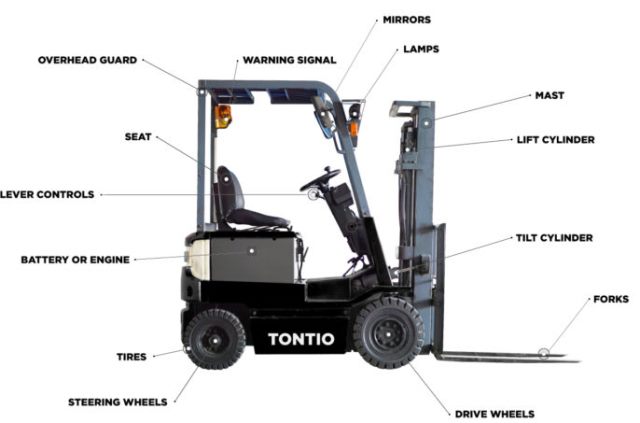
Forklift parts are what make up the machine you depend on for safe, reliable productivity. Get to know basic forklift parts terminology.

Forklift Battery Charger

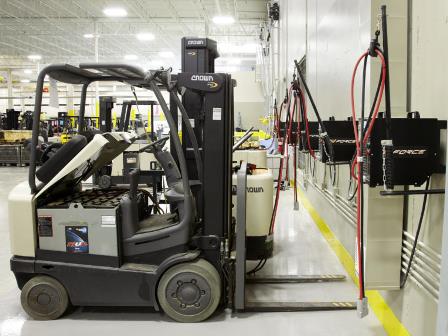
The battery is a vital piece of equipment and must be cared for and kept charged in order for your truck to work properly.

Forklift Blue Light

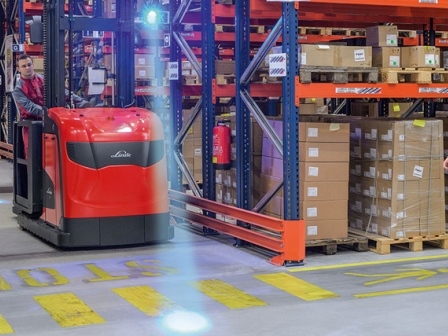
The vehicle approach warning light helps prevent dangerous collisions.

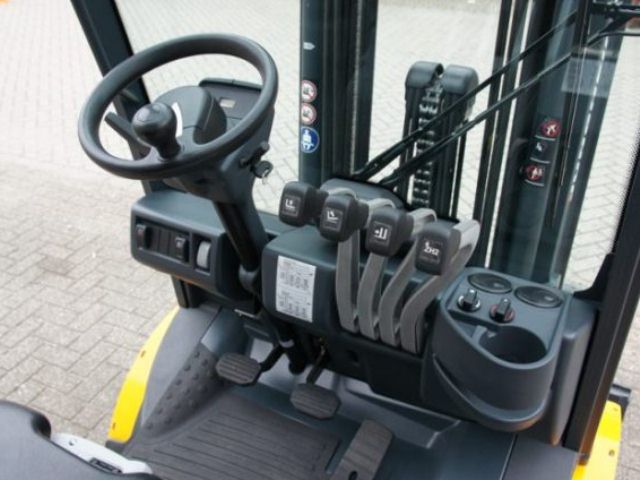
Forklift Controls levers

Forklifts are capable of maneuvering in small spaces and lifting objects into high-up, hard-to-reach places.

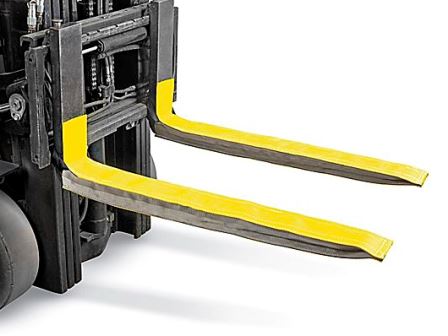
Forklift Fork sizes

Forklift forks, also known as tines or blades, are used to lift and carry loads.

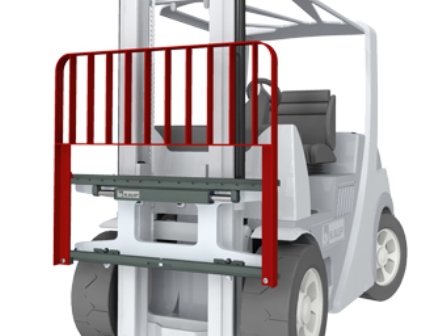
Forklift Load Backrest

Steel Load backrests are designed to prevent the load from falling toward the equipment driver.

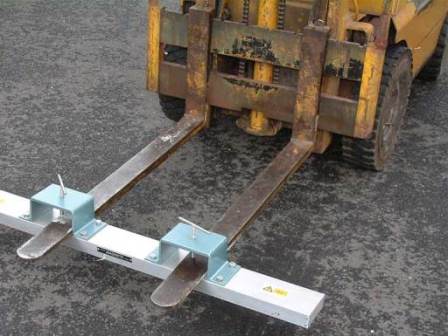
Forklift Magnet

The hanging forklift magnetic sweeper will allow you to suspend the magnetic sweeper by bar or chain and can be attached to the front or the back of the forklift.

Forklift Mast parts

Also referred to as an ‘Upright’, the mast is the vertical assembly on the front of the forklift that does the work of raising, lowering, and tilting the load.

Forklift Seat Belt

Unlike cars, forklift seat belts are not meant to protect drivers from high-speed collisions. Instead, forklift seat belts are intended to protect drivers from being crushed.

Forklift Batteries

After determining which size forklift battery for sale is compatible with your vehicle, the next consideration to make is which type of electric forklift battery technology to use: lithium vs lead-acid forklift batteries.

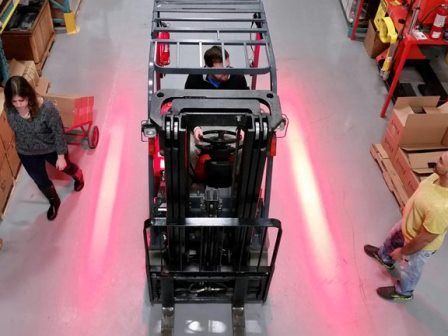
Forklift Warning Lights

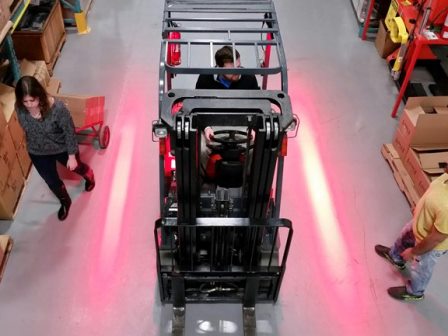
The Safety Warning Spotlight projects a clearly visible spot beam onto the floor that alerts pedestrians and other vehicles of the nearby presence of the forklift.

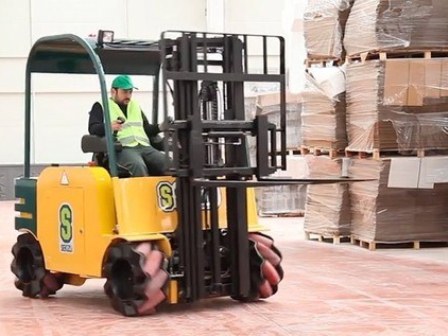
Mecanum Wheels Forklift

Each wheel is independently controlled; the speed and direction with which each wheel moves determines the trajectory of the vehicle.

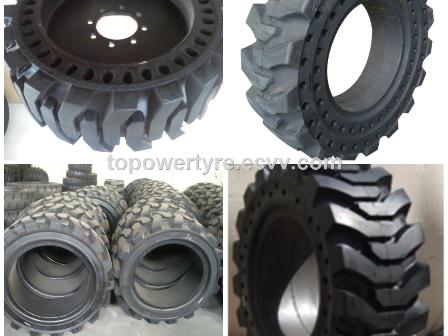
Solid Pneumatic Forklift Tires

Before you make your initial forklift purchase, decide whether a pneumatic or cushion tire forklift is best for you. Start by determining how the forklift will be used. Consider your capacity and any multi-use functions.

Types of forklift tires

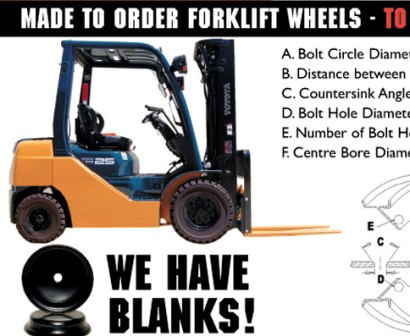
Overall, there are three basic types of forklift tires: cushion, pneumatic air, and solid pneumatic.

Related Topics

More on this story

Forklift Parts name

Forklifts are designed to last, but like any other machinery, forklift parts are susceptible to wear and tear.

Parts and Functions of Forklift

Looking for a replacement part for your forklift parts or reach truck?

Topographic Survey Cost

As a home or property owner, you may need to inspect your land.
What is the cost of the topographic survey?

Surveys are most often used to find the boundary or edges of your land or property by marking all four corners. They can also be used to locate sloping floodplains, determine terrain, and find locations for septic tanks or oil wells.

Most owners conduct topographic surveys prior to any transaction or project. This may mean having an inspection done before selling the property, building a fence, or putting up a new building.

Laws indicate how close to a boundary line you can build, drill, or excavate, so an accurate topographic survey ensures that you are following the correct rules.

Topographic Survey Cost

How much does it cost to survey land?

How much does a topographic survey cost?

Landowners report that the average cost of the land survey is $ 500. This includes the price of hiring a surveyor, which ranges from $ 350 to $ 700.

The total depends on the size, location, and property as well, and some properties cost $ 1,000 or more.

These topographic surveys effectively give you a legal description of the exact boundaries of where your property boundaries begin and end.

They can save a lot of trouble and money in case of disputes because they are legally binding and professionally certified.

Boundary survey cost

Many factors influence the cost of your land survey, including the type of topographic survey, the size, boundaries, and shape of the property, the terrain, and the difficulty of accessing the property.

With these variations, the national average cost ranges from $ 500 to $ 1,200. For most homeowners, a land survey conducted for mortgage purposes on a standard-size lot costs $ 600.

You can do a single boundary inspection in a well-kept yard, working with existing deeds for about $ 400. A multi-acre parcel with four new boundary markers and a topographic drawing costs about $ 6,000.

Topographic survey vs boundary survey

A land survey clearly defines the boundaries and topography of the property, including GPS coordinates, measurements for each side, location, and any road that touches the property line.

In addition to a written description of the property, a land survey has the street address, the location of the building and adjacent properties, and even details of any improvements to the land that an owner may make.

In summary, a property topographic survey includes:

  • Precise borderlines of the property.
  • Specific locations of structures, additions, and improvements.
  • Geographic characteristics (slope, floodplain, etc.) that affect land use.
  • The location of easements, public services, and right of way.

A boundary survey is an important component of pre-construction due diligence. Boundary study establishes the perimeter of a property in relation to the legal description of a site. The partner’s licensed surveyors will review the recorded documents and perform a physical inspection to determine the physical boundaries of the site.

How much does a land survey cost?

The national average cost to purchase a topographic survey ranges from $ 350 to $ 700, with most homeowners spending approximately $ 500. The final price depends on factors such as the complexity of the terrain, the size and shape of the plot, the type of study of the land and the location of the property.

why are land surveys so expensive?

Some of these factors increase the cost:

  • Surveying: Surveyors often charge a premium for land that is more difficult to access or navigate. These could be properties on a slope or those with many trees or a fence.
  • Parcel Size: Since surveyors charge per acre, the larger the property, the higher the cost of surveying.
  • Property Research: Surveyors don’t just measure your land property. They also verify your historical and public information. They may add a fee depending on how much research is required to study your property.
  • Land Location: Most surveyors charge for travel time to reach your property, especially if it is far away or difficult to access.
  • Type of topographic survey: Basic boundary surveys cost much less than full mortgage surveys or topographic surveys.

Land survey cost calculator

By finding prices, reviews, recommendations, and other information useful for a survey or similar service, a consumer can attempt to make an informed decision about how to purchase these services.

The information available online can often be inaccurate, especially for a professional service like land surveying.

In a Google search for prices or quotes, it appears: “Nationally, the average cost to contract a land survey is approximately $ 500 with a range between $ 350 and almost $ 500.

These figures can vary greatly based on location and a host of other factors.

Land survey cost in the USA

The cost of a survey varies greatly based on location and a variety of factors that drive up the final price.

The information that stands out the most for a consumer is the “national average.”

The complexity of the survey will determine the exact cost.

The price of a topographic survey depends in the first place on the state where you reside (Kansas is not the same as New York), if it is an urban area or the countryside, etc.

Websites show a national average cost of a topographic survey and lead the customer to have unrealistic expectations of the final cost.

Residential land surveyor

When websites claim that the average cost of a survey is $ 700, or that a typical price range is $ 400-500, some consumers may not stop to think about where these sites got these numbers, or Most importantly, what quality of survey work would this price tag carry.

The lowest price is not necessarily the best investment for a consumer who needs an earth survey.

Price is sometimes a priority, but it is also important for a customer to consider:

  • responsiveness
  • fast service
  • the proper license
  • the right insurance
  • Constant comunication

Ultimately, a professional surveying company is the best resource for this information. Consumers are free to compare prices and consult several different sources, but only qualified professionals will be able to offer them a realistic pricing proposal.

Unlike what can be found on web pages, a professional proposal is not simply an informed guess about what a job will cost.

Professional surveyors consider job size, time constraints, engineering needs, customer needs, and other factors when preparing a survey proposal or budget.

What is a Topographic survey?

What is a Topographic survey?

A topographic survey, also known as a location or property survey, is a professional drawing that outlines the exact boundaries of your property.

What is included in a land survey?

It also includes the exact dimensions and location of your home, any structures, or facility additions. Additionally, it can include all fence locations, elevation, or topographic details.
Simply put, a land survey is a written legal document that reflects the graphical representation of a parcel of land.

More on this story

Types of Topographical Survey

While most people think of land surveys in the most basic sense, that is, the drawing of the boundaries of a property, there are actually many different ways of surveying that service many different industries.

Types of topography

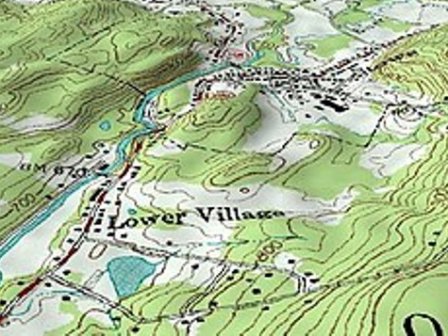
Topography is the study of the shape and features of land surfaces. The topography of an area could refer to the surface shapes and features themselves, or a description.

Land Survey Cost

  • How much does a land survey cost?
  • What is included in a land survey?

General purpose Bucket attachment for backhoe

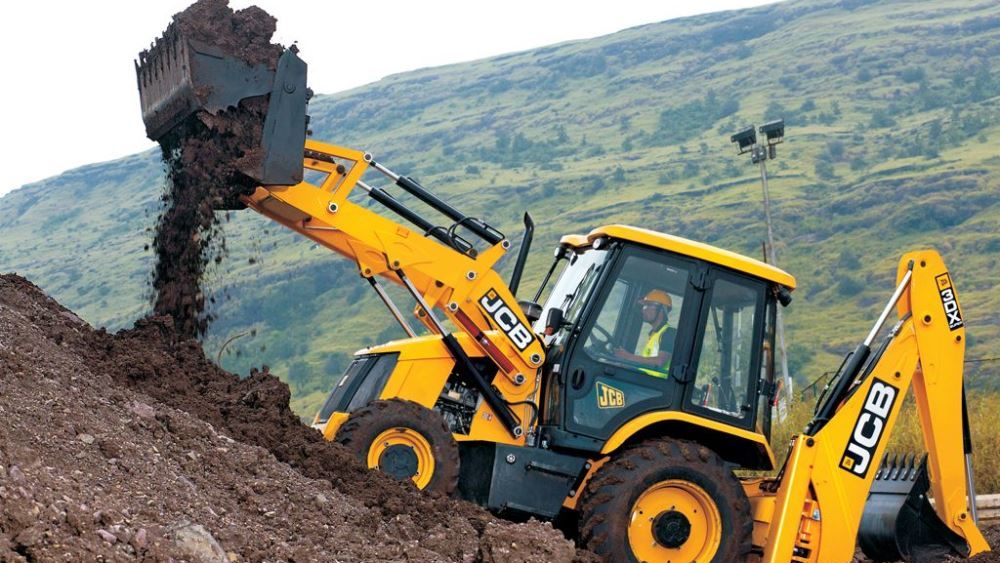
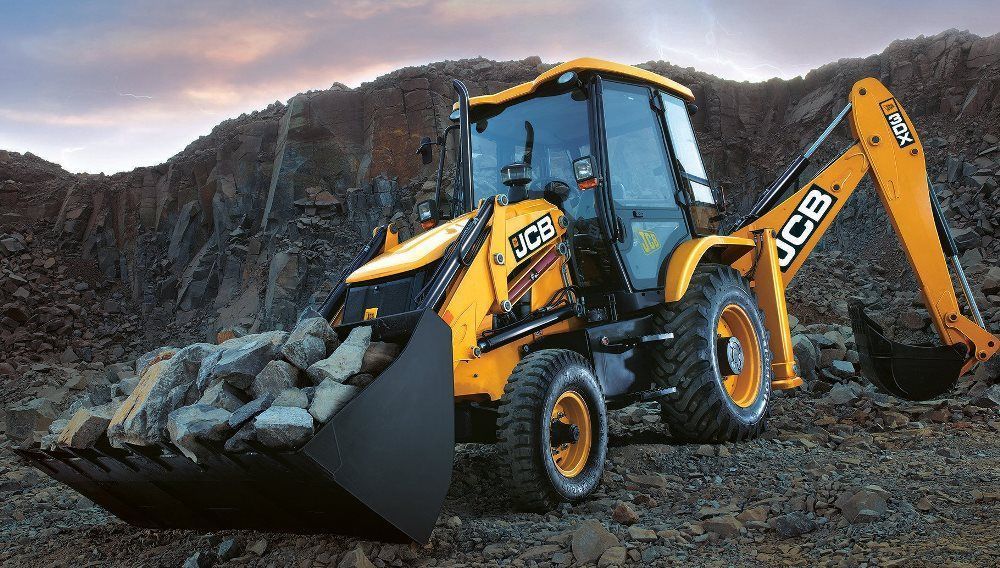
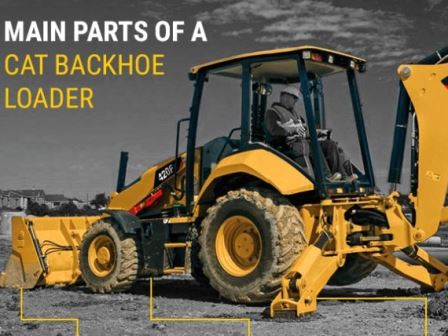
This machine consists of four main parts: the cab, the tractor, the backhoe, and the front loader or general-purpose bucket. Essentially, it offers many components but only requires a single operator. Depending on the task, the operator either uses the front loader to push and transport materials or the backhoe to excavate and dig.

For this article, we will call all “front end loader” a “General purpose Bucket”

Buckets are generally made of hardened steel and have teeth on the digging edge to aid penetration, although light buckets may lack teeth.

Heavy-duty buckets may require tungsten teeth to break through harder materials. You can find different types of excavator buckets, such as:

  • Standard or digging
  • Heavy
  • Severe
  • Narrow
  • Trenching
  • Skeleton
  • Grading bucket
  • V bucket
General purpose Bucket attachment for backhoe

Multi purpose buckets

Multi-purpose buckets for backhoe loaders offer excellent versatility by enabling one work tool to do the job of many. This bucket is ideal for material handling, clamping, grading, leveling, and grasping irregularly shaped objects.

So which backhoe attachment is right for your job? Starting off, you should look at your project scope and understand what functionality you want the backhoe and its attachment to have.

With over 30 types of attachments, knowing which type is best for your backhoe hire job is crucial to making your project both time and cost-efficient.

You’ll find that backhoe attachments are a lot like skid steers and excavators, but the main attachments available for hire include buckets, auger drives, and demolition attachments.

General purpose Bucket

General-purpose bucket attachments are used to optimize your digging process. General-purpose bucket attachments are highly sought after for their strong and durable build which is able to withstand tough working conditions.

With over 4 variations including general-purpose, mud or ditch cleaning, tilt, and skeleton buckets, you’re guaranteed to find the right bucket attachment for your project.

General-purpose backhoe bucket attachments are the most commonly used of all bucket types, as they are used for low-impact work and can shift softer digging materials, such as earth, sand, and clay, with efficient digging, filling, and breakout force.

Mud bucket backhoe attachments, however, are used for bulk loading of loose aerated material and are designed to work for a maximum safe working load.

Tilt bucket backhoe attachments are used for finishing batters, dam walls, and drains, thanks to their ability to tilt from left to right.

Easy to maintain, the tilt bucket utilizes hydraulic cylinder pins when shifting or carrying construction materials across the worksite.

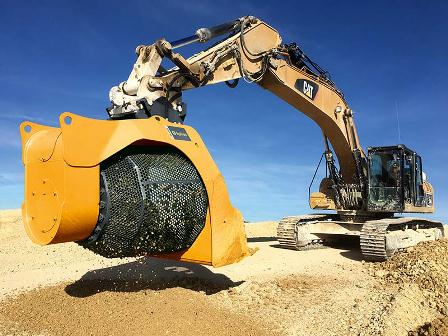
Lastly, skeleton bucket backhoe attachments, also known as a sieve, screening, shaker, or sorting buckets, are used to sift out and remove stones or debris from the earth and fill, making it a popular choice for larger demolition projects.

Backhoe Front bucket capacity and uses

General-purpose buckets are ideal for light-duty grading and leveling applications as well as material handling. These buckets have a longer bottom than the dirt style. They offer good bucket breakout force, and the long bottom improves cutting-edge visibility and capacity.

  • Top Tasks
    • Light-duty grading and leveling
    • Material handling
  • Features
    • Skid bar design: Provides wear protection to the bottom of bucket; backs up the cutting edge and adds strength to the bottom of the bucket
    • Low back and longer bottom: Improve cutting edge visibility and increase capacity.

The general purpose bucket provides the best combination of capacity, durability, and ease of use with your backhoe loader.

It’s ideal for light-duty and medium-duty grading and leveling applications as well as loading, carrying, and material handling.

With longer bottom than dirt style buckets, the general-purpose bucket provides good breakout force plus optimal capacity and visibility to the cutting edge.

The thick sidewalls and weld-on side cutters provide superb strength and long life, while dual level indicators improve operator productivity with every scoop.

General purpose Bucket attachment for backhoe

More on this story

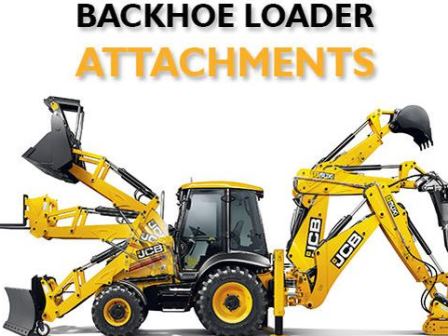
Backhoe Loader Attachments

The backhoe is the main tool of the backhoe loader. It’s used to dig up hard, compact material, usually earth, or to lift heavy loads, such as a sewer box.

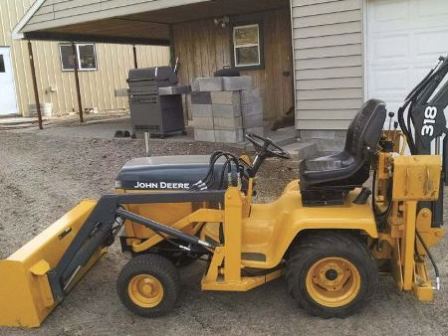
Garden Tractor Backhoe

The loaders and backhoes illustrated here are the perfect tools for the care and maintenance of your property and landscaping.

Aftermarket Backhoe Attachments

Aftermarket parts for backhoe loaders are also referred to as non-original equipment manufacturer parts, generic parts, or competitive replacement parts.

Attachments for Backhoe Loader

Make your backhoe do more with these attachments.

What is a Dragline Excavator in Mining?

Draglines are an expensive and essential part of open-cut coal mining. Small improvements in performance can produce substantial savings. The design of the bucket and the way in which it fills with overburden are very important to the overall dragline performance. What is a Dragline Excavator in Mining?

Draglines are used to remove overburden, which can be up to 50m deep, exposing the coal deposits below in open pit coal mining.

They use huge buckets, up to 100 m3, that are dragged down the sides of the pit and filled with previously blasted overburden.

There are hundreds of such walking draglines operating around the world. They are an expensive and essential part of open pit coal mining.

It is estimated that a 1% improvement in dragline performance would save tens of millions of dollars per year.

Its performance is affected by many factors, including how the dragline is operated, where the material is taken from and where it is deposited, and the location of temporary deposits.

What is a Dragline Excavator in Mining?

Dragline walking

Draglines are huge earth-moving machines. They work by lowering a bucket to the surface of the waste to be excavated and dragging it down the slope towards the machine.

As the bucket moves across the ground, its teeth bite into the rock and soil, breaking it up and loosening it.

This material is then picked up by the teeth and the front edge of the bucket and flows in, eventually filling it.

The bucket is then raised as the dragline rotates. Finally, the spoil (the material from the bucket) is dumped into a spoil pile.

This is located in a previously mined area. The dragline digs down to the coal seam, which can then be mined, once fully exposed.

The dragline walks slowly along the edge of the well.

Dragline uses

Draglines are by far the most widely used overburden removal equipment in open pit coal mining. A dragline sits on top of the overburden, excavates the overburden material directly in front of it, and disperses the material to distances greater than a shovel.

Compared to shovels, draglines provide greater flexibility, work higher banks and move more material per hour. The largest dragline in operation has a bucket capacity of 170 cubic meters.

In a typical excavation cycle, the bucket is placed on the material to be excavated. The bucket is then lowered and then the tow rope is pulled so that the bucket is dragged along the surface of the material.

The bucket is then raised using the lifting cable. A rocking operation is then performed to move the bucket to the place where the material is to be unloaded. The tow rope is then released, causing the bucket to tilt and empty.

This is called a dump operation.

The bucket can also be “launched” by winding it up to the arm and then releasing a clutch on the trailing cable.

This would then swing the bucket like a pendulum. Once the bucket had passed vertically, the hoist rope would be released thus throwing the bucket.

Largest dragline in the world

Caterpillar produces some of the largest draglines used in open pit mining operations. Among the largest draglines according to bucket capacity are the mythical Big Muskie, Caterpillar-8200, Bucyrus, and Big Kate, among others.

Mining operations have a long and complex history, with several giant machines built in their heyday that still holds world records. One of these dragline bucket excavators holds the record for the world’s largest dragline, even though the machine has been out of service for several years.
This is the story of the Big Muskie dragline, the largest dragline in the world.
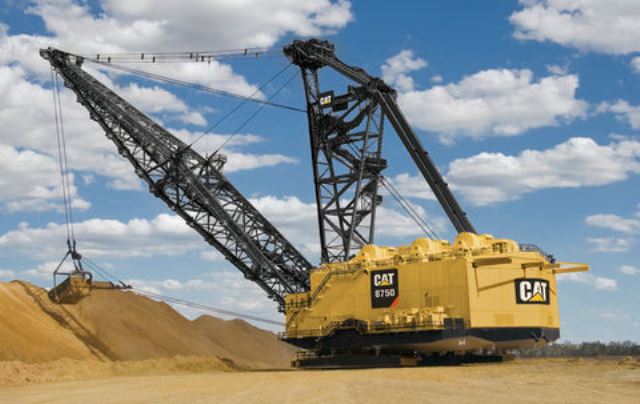
How big was Big Muskie?

Big Muskie had a huge cube that could hold two buses side by side. So much energy was needed to operate the cables and motors that the electricity used could have powered 27,500 homes while the machine was running.

Electricity costs tens of thousands of dollars an hour and explains why the crew of five used to work at night when energy costs were cheaper.

Big Muskie was mobile, but only for short distances, usually less than a mile. It had hydraulic walking feet and moved about 2 inches per second or about 0.1 mph.

More on this story

Backhoe Bucket Sizes

Buckets for backhoe loaders match the machine to the job. Whether quarry, construction site, or landscaping job, they focus the full power and performance of the machine on the task at hand.

Amphibious Excavator

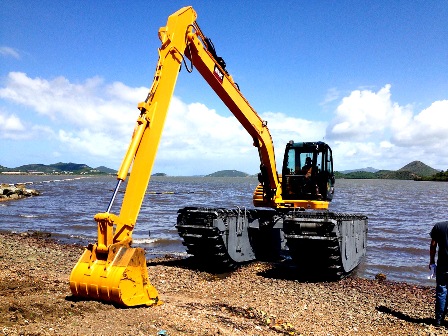
Dredging is the removal of sediment and debris from the bottom of lakes, rivers, harbors, and other bodies of water, which can be done by an amphibious excavator.

Hydraulic Excavator – how it works?

Essential in the mining sector, over time they incorporated hydraulics, automation, electronics, information technology, etc. Developed for engineering and heavy-duty.

How much can an excavator lift?

The use of excavators for lifting operations, particularly on construction sites, has become more common over the last few years.