Professional Web Writer | Motor Enthusiast | Content Creator | Logan is a dedicated and skilled web writer, passionate about engines and machines and with a talent for creating engaging and informative content.
She specializes in writing about a diverse range of topics including construction, forklifts, heavy equipment, excavators, etc. SEO Optimization: Proficient in SEO best practices, ensuring high visibility and engagement for all published content.
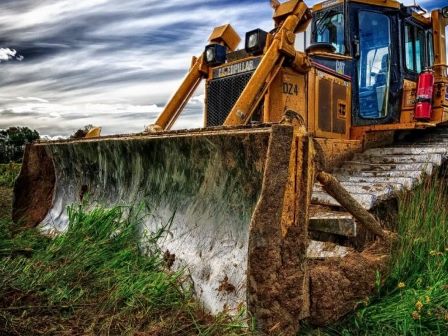
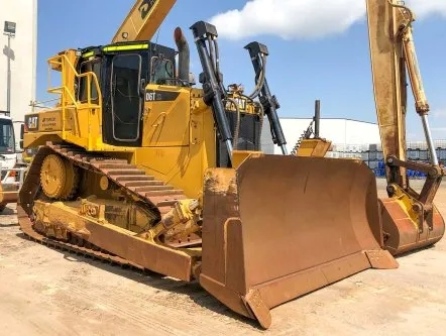
Bulldozer rental cost depends largely on the dozer size and how much horsepower you need. Rentals are available by the day for quick jobs or weekly and monthly rates for larger projects. The contractor’s equipment insurance is required.
Commonly known as a bulldozer, a bulldozer is one of the most important pieces of equipment on large construction projects. It can be used in a variety of industrial applications including construction, waste management, mining, and agriculture.
Bulldozer rental rates
Daily prices range from $450 for a 70-80 hp bulldozer to $550 for a 90-100 hp machine.
Per week, you can rent a 70-80 hp dozer for $1,300, an 80-90 hp medium dozer for $1,400, and a 90-100 hp dozer for $1,550.
Monthly prices are $3,600, $4,000, and $4,400, respectively. If you need machinery for a large project, you may need to request a quote.
so, How much does it cost to rent a bulldozer?
Other expenses related to renting a bulldozer, if you need a bulldozer only for one day, you will most likely have to pay for at least four hours, or you only need it for less time. A four-hour rental for most bulldozers will cost a minimum of at least $600.
In addition to regular rental costs, you should expect to pay for transportation, repairs, maintenance, and operating costs.
Bulldozers are delivered to and from job sites by truck. You will need to plan for the cost of transportation, which will vary depending on the distance to the job site and the size of the bulldozer you are renting. Short distances will cost about a thousand dollars for transportation.
Be sure to keep safety inspections and maintenance in mind. To get a more accurate cost of these, you can request a quote.
Operating costs will vary, but keep in mind that it requires all dozer operators to be trained in operating and safety protocols.
Certifications to drive a bulldozer must be remade every three years. Operator salaries range from $20 to $50 per hour.
Best dozer for clearing land
Bulldozers and excavators are not as expensive as other types of heavy machinery, so it’s easy to see why so many people opt for one or the other. However, both machines are better at performing different functions, so how are you supposed to know which one is right for cleaning your land?
Bulldozers are great for clearing land that has a lot of downed trees, brush, and debris on the ground. Dozers are best if you want to remove standing trees, rocks, and other large debris. The best solution is to use bulldozers to knock everything down and bulldozers to remove everything.
Uses of a bulldozer
Bulldozers have more pushing power than an excavator. It can push rocks and uproot large trees with no problem. You’ll also be able to push large chunks of debris without having to jack up and turn the vehicle every time you want to do something.
You can use a bulldozer blade to remove roots and prevent future weed growth. If you want to take out a tree, you can dig under the stump to cut it down.
Keep in mind that blades are usually an additional accessory that you will need to purchase.
Bulldozers allow you to partially reshape the land. If you want to flatten an area, there are accessories to do it.
Additionally, you can create hills, move debris, and create slopes for running water.
In short, bulldozers are an essential part of changing terrain. If you have an empty trench, a bulldozer offers one of the fastest ways to fill it with debris. Scoop out the soil, push the debris into the hole and fill it with the removed soil.
Rental is a prominent and growing model in the construction business. The development of the rental industry in new markets requires a certain level of trust in a country and in society.
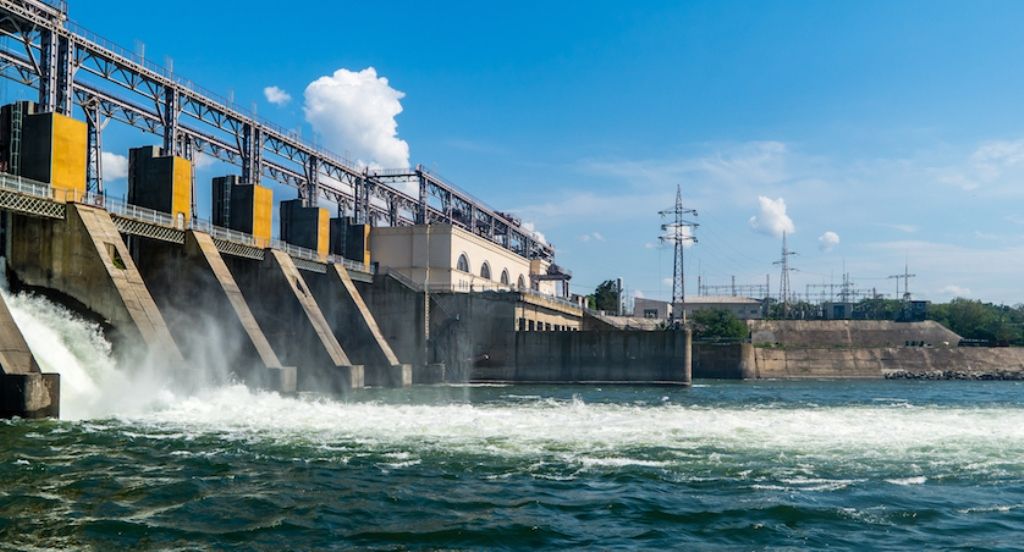
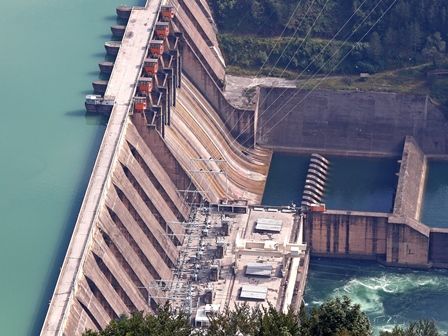
A surge tank in hydro-power plants can provide a fundamental feature for the hydraulic design of hydropower projects.
Mainly, they can mitigate the effects of overpressure or water hammer and allow the turbine gates to close faster, reducing generator Overspeed after load shedding.
However, in normal operation, they also have the potential to be detrimental to the control systems of hydroelectric projects.
In reaction to hydraulic turbines, there are several ways to mitigate the magnitude of overpressure or water hammer situations.
For example, fast-acting pressure relief valves such as ring valves have been used.
In addition to the fast-closing of the gates, the magnitude of the pressure is a function of the length of the waterline. In short, the faster the closure and the longer the duct, the greater the overpressure.
Surge Tank in Hydro Power Plant
Hydro Turbine generator
Water lines to drive turbines are generally not subject to the need for water hammer protection.
This is because they are typically designed with jet deflectors that are weighted to drop between the water jet and the runner buckets, allowing the nozzle valve to close slowly without creating undue pressure or allowing significant Overspeed of the nozzle. the turbine-generator.
Surge tanks (video) are the most common means of protection against excessive water hammer pressure.
These are vertical columns of water with the surface of the water exposed to the atmosphere. They are generally used in the penstock upstream of the turbine, but as close to the turbine as circumstances allow.
If the top of the tank is closed to the atmosphere to create a compensation chamber, these are called accumulators, but they are rarely used in hydroelectric power designs.
How does a surge tank work?
Surge tanks have the advantage of having no moving parts and therefore provide passive protection that is always ready to go.
In fact, they act in two different passive ways. When a positive pressure wave reaches the tank surface, it is reflected back down the duct as a negative wave.
This cancels out the next positive pressure wave to come. Similarly, the surge tank water surface reflects a smaller negative wave downstream, but enough to cancel part of the peak of the next positive pressure wave.
At the same time, part of the flow velocity that is reduced by the reduced opening between the bypass gates is diverted to the surge tank and does not contribute to the overpressure.
This causes the elevation of the water surface in the surge tank to increase dramatically.
However, this increase is not only due to the deviation, but part is due to the recovery of the velocity and the head loss in the pipe.
Once these hydraulic oscillations have been instituted in the surge tank, they can continue until they are dampened by hydraulic losses inside and outside the tank.
Water turbine generator
Hydroelectric power is a relatively new invention, but the mechanical energy of water has been used for more than two millennia. The invention of the wheel was soon followed by the invention of the waterwheel, a device that uses the downward movement of streams, rivers, and other bodies of water to mechanically power another device.
The oldest known version of the water wheel comes from Mesopotamia in the mid-4th century BC. C., a horizontal contraption similar to a propeller that was used to turn millstones to grind flour.
The basic waterwheel mechanism spread throughout much of the Old World (Eurasia and Africa) and took several different forms, but the core concept remained the same. As the watermill was further refined, its energy efficiency increased.
Understanding hydraulics was essential to the development of modern hydroelectricity because when the electrical generator was developed in the late 19th century, it could be combined with hydraulics to generate hydroelectricity.
The earliest hydraulic turbines had a vertical axis and used hydrostatic pressure to expel water from a nozzle, creating a rotational force. In many ways, it served as a prototype for modern hydraulic turbines.
The Industrial Revolution accelerated the evolution toward hydroelectric power as water mills gradually became water turbines.
Generator in hydro power plant
In the mid-19th century, turbine research led to energy efficiencies of over 75% (compared to early waterwheels, which were only 20% efficient). In 1850 the design of the water turbine was improved and achieved an efficiency of 90%.
Its high-efficiency turbines could match the unique flow conditions of individual water bodies. To this day, it remains the most widely used working turbine.
In 1832 the first electric generator was developed. Although the device, called a Faraday disk, was actually inefficient as a generator, it marked an important step in the development of electrical power. The concept behind electrical generators underwent experimentation, adjustment, and refinement throughout the 19th century, culminating in the invention of the modern DC dynamo.
Towards the end of the 19th century, hydroelectric power emerged as the preferred source of electrical power in the US, as the country had many rivers and hydroelectricity was cheap and reliable.
The rest of the world soon caught up, and by 1900, hundreds of small hydroelectric plants were in an operation spread across Europe, Asia, Australia, and South America.
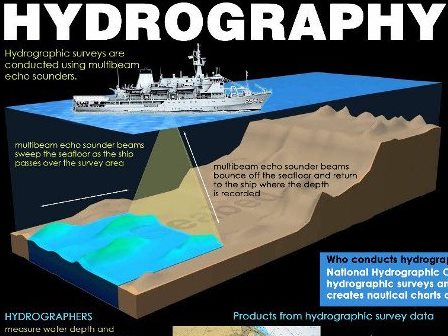
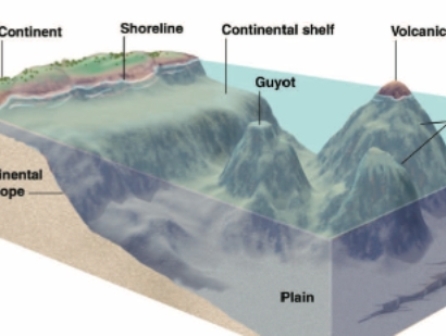
Detailed depth contours provide the size, shape, and distribution of underwater features. The map serves as a tool for performing scientific, engineering, marine geophysical, and environmental studies.
What is a backhoe? In cranes and machinery, we analyze some of the characteristics that define the best backhoe loaders in the current construction industry. This machine has been the superstar of construction equipment and the material handling industry for a long time. Have you ever thought about what makes the backhoe so popular? It’s your versatility!
What is a backhoe?
What is the difference between a backhoe and an excavator?
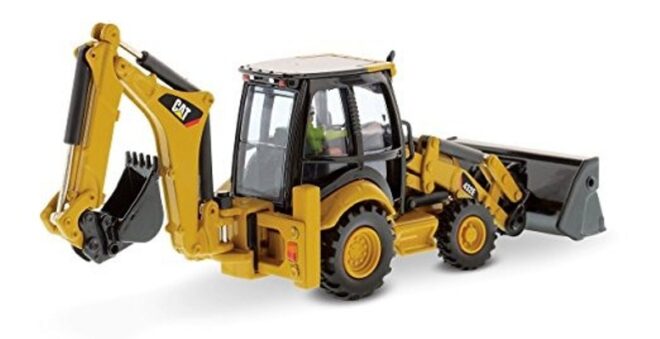
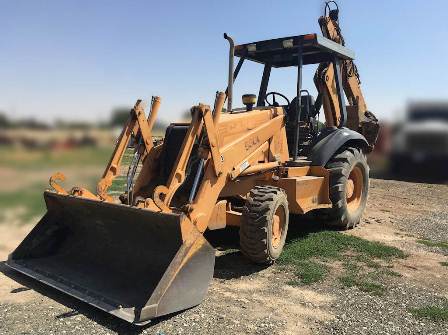
Backhoes are much smaller than excavators and are a standard tractor that supports an arm consisting of two segments, the dipper, and the boom. The boom further supports the dipper, which holds the bucket. Knowing the differences between an excavator and a backhoe will let you choose the right equipment for your project.
Function of backhoe
In a time when equipment manufacturers design machines to perform as many jobs as possible or try to follow the Swiss-army-knife approach, backhoes with their versatility are winning hearts.
The machine is both a dedicated excavation unit, as well as a front-loading tool. Whether on construction sites, road works, or places where earthmoving is required, backhoes can be seen everywhere.
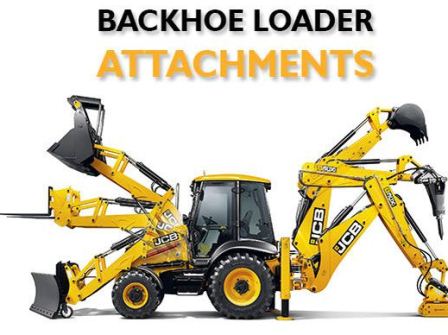
Most backhoes have quick-connect mounting systems and auxiliary hydraulic circuits for simplified connection assembly, which increases the use of the machine in the workplace.
Backhoe crane attachment
Let’s look at what it takes to be the best backhoe in the world.
Powerful mechanics: a powerful diesel engine in the heart and an incredible hydraulic system define the best of backhoes.
The diesel engine generates power while the hydraulics amplifies it. The power of the diesel engine and the capacity of the hydraulic systems differ from one variant to another.
Savings in fuel consumption: In addition, for a backhoe loader as the best in its class, the main requirement is fuel efficiency. Here, it deserves a mention; offers the best fuel efficiency in its class.
Low maintenance cost: when you identify the best backhoe, it is also important to consider the cost of maintenance. The lower the cost, the better it is and this is very possible with the modern machines of the segment.
With better technology and design improvements, modern machines are very capable of reducing the overall cost of maintenance. Therefore, you can have peace of mind while this excellent machine does its job.
With improvements in technology and design, they have been able to reduce lubricant filling requirements with extended service intervals, which reduces overall maintenance costs.
All this plus a guarantee of limited duration, so that one can enjoy the tranquility.
What is a backhoe good for?
Backhoe machine
Productivity and performance: it is another criterion to judge the productivity of the machine. Here, it must be taken into account that it comes with more range, a robust and reputable gear pump, and have the maximum depth of excavation and discharge height of the loader.
Intelligence matters: apart from strong mechanics, the intelligence of the machine must also be considered. Therefore, if a backhoe comes with remote monitoring functions that allow you to obtain a daily work report, fuel level warning, and maintenance warning via SMS, then there is nothing like that.
Backhoe driving
Effortless operations with the joystick: since fast and effortless operations are the need of the hour, this function also becomes very important. Usually, a joystick is used to maneuver this complex system to make heavy work seem much easier and effortless than it really is. A joystick allows precise and smooth power control.
Highly connected: not only must the equipment be excellent, but it must also communicate effectively. If any backhoe meets this requirement, then it must be considered the best in its class. Today, highly advanced backhoe loaders come with a radio with a two-way speaker system that facilitates communication with the operator and, through it, with people in the place. It becomes effective and useful in congested sites and large sites without a mobile network.
Very convenient and comfortable: last, but not least, comfort also matters. Backhoes should be such that they are easy to use and operate. It is believed that the most important part of the machine is the person who operates it. That is why you must do a lot of work, that your experience is the most comfortable. Design and ergonomic seats that make all controls smooth and easy to reach, advanced mechanical control levers, 21st-century style with luxurious interiors, personal storage space, and an easy-access toolbox.
Backhoe models
Comparison of models: When comparing the backhoe loaders manufacturers and the various models available, you will find two main types, the centrally mounted backhoe loaders, and the side-scroller backhoe loaders. While both offer comparable levels of overall performance, differences can be found in the degrees of maneuverability and stability they provide.
Backhoe Loader
Backhoes of the central assembly
Often this type of loader is known as a center pivot backhoe, it has the backhoe mounted in the center of its rear frame. Its gull legs rotate downwards and provide stabilization. In addition, this design provides a wider posture and more ground clearance, making it ideal for sloping terrain and heavy loads.
What is a backhoe? Side-scroller backhoes
This type of backhoe is mounted on rack rails and outriggers that allow the operator to change the work or materials from one side of the loader to the other, greatly saving the time it would take to reposition the platform. Ideal for narrow aisles or work situations where the machine is located near buildings or other immobile objects, the side-scrolling backhoes achieve the perfect balance between precision and productivity.
Backhoe brands
Here is the list of the best brands of backhoes.
Caterpillar
Volvo
JCB
Komatsu
Liebherr
CASE
John Deere
Terex
Hitachi
Hyundai
Tractor with loader and backhoe
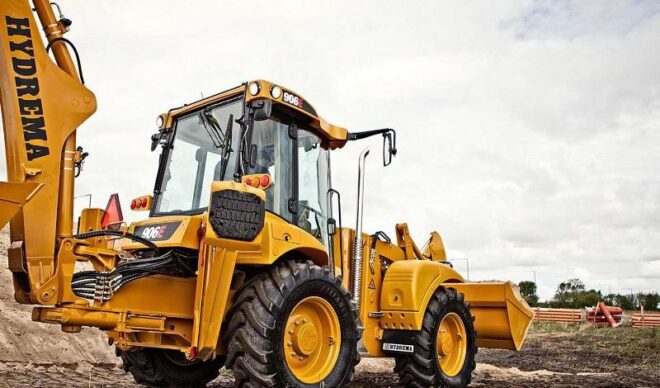
Backhoe loaders have a very unique appearance, they have components sticking out every which way. It’s obvious what a dump truck does just by looking at it; but what are the different appendages of a backhoe used for?
A backhoe loader is an interesting invention because it is actually three pieces of construction equipment combined into one unit. A backhoe loader is:
A tractor backhoe
A loader
A backhoe
Each piece of equipment is suited to a particular sort of work. On a typical construction site, the backhoe operator usually uses all three components to get the job done.
This content is not compatible with this device.
Tractor backhoe
The core structure of a backhoe loader is the tractor. Just like the tractors that farmers use in their fields, the backhoe tractor is designed to move easily over all kinds of rough terrain.
It has a powerful, turbocharged diesel engine, large, rugged tires, and a cab with basic steering controls (a steering wheel, brakes, etc.). Backhoe cabs are either completely enclosed or have an open canopy structure to give the operator protection.
The Loader
The loader is attached in the front and the backhoe is attached in the back. These two components serve very different functions.
The loader can do several different things. In many applications, you use it like a big, powerful dustpan or coffee scoop. You usually don’t dig with it; you mostly use it to pick up and carry large amounts of loose material. It’s also used to smooth things over like a butter knife, or to push dirt like a plow; the operator controls the loader while driving the tractor.
The Backhoe
The backhoe is the main tool of the backhoe loader. It’s used to dig up hard, compact material, usually earth, or to lift heavy loads, such as a sewer box. It can lift this material and drop it in a pile to the side of the hole.
Basically, the backhoe is a big, extremely powerful version of your arm or finger.
Backhoe or excavator
Do you need a license to operate a backhoe?
Applicants are typically expected to have a license to operate a motor vehicle, and some require that students have a high school diploma. A driver’s license will be required to assist in the transport of backhoes and other large equipment between work sites.
What does an excavator do?
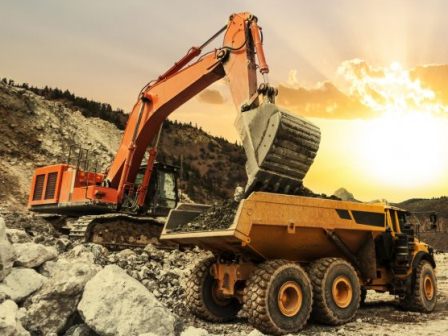
Excavator shovel is a self-propelled machine, on tires or tracks, with a structure capable of rotating at least 360º (in one direction and in another, and uninterrupted) that excavates land, or load, lift, rotate and unload materials by the action of the spoon. The cab sits on top of the chassis or body. They are a natural progression of steam shovels and are often referred to as electric shovels.
Why is it called a backhoe?
The term backhoe is used to describe a piece of excavating equipment that consists of a digging bucket fixed to the end of an articulated arm. However, the location of the bucket is not why they are referred to as backhoes. The name is derived from the motion of the digging bucket.
What function does the backhoe perform?
A backhoe is a machine that is used to perform excavations on land, it performs its job by burying a spoon or shovel with which it removes soil or materials deposited in the ground, then drags them and deposits them inside.
How much does a backhoe cost?
CAT Backhoe Loader Average Costs. There are four basic models of CAT backhoe loaders. They begin in price at about $85,000 and range upwards of $150,000. The smallest model, the CAT 416E with 74 horsepower and 14.3 feet of dig depth capability, starts at $84,660.
The backhoe is the main tool of the backhoe loader. It’s used to dig up hard, compact material, usually earth, or to lift heavy loads, such as a sewer box.
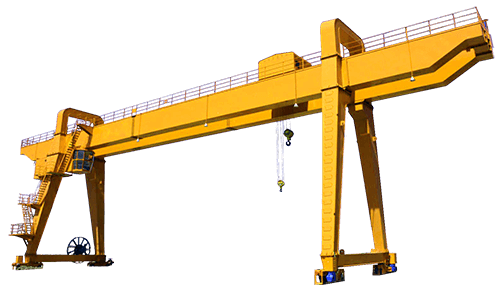
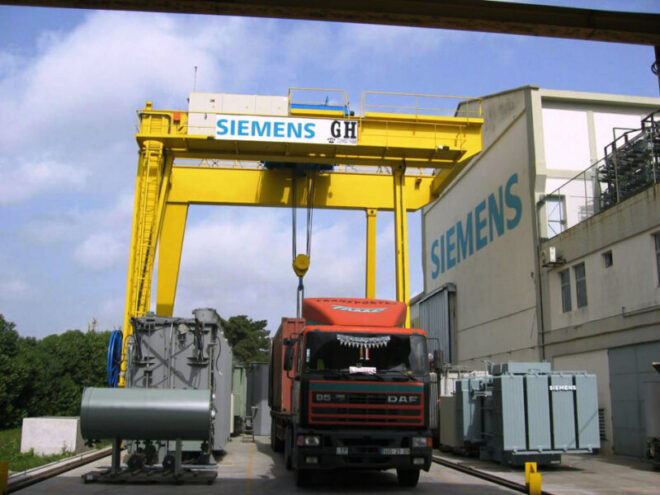
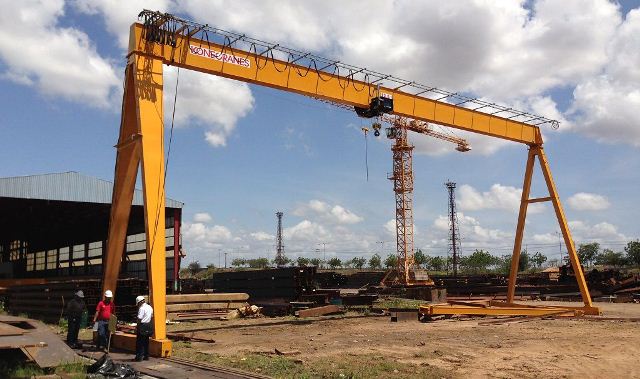
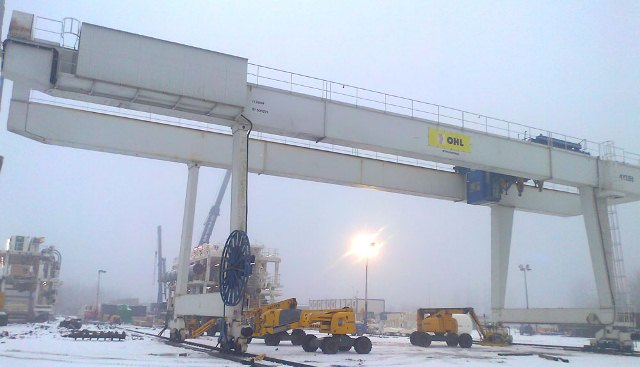
Gantry cranes are among the most widely used industrial crane varieties. They are very similar in nature to bridge cranes; the only substantial difference between the two configurations is gantry cranes’ mobility compared to bridge cranes.
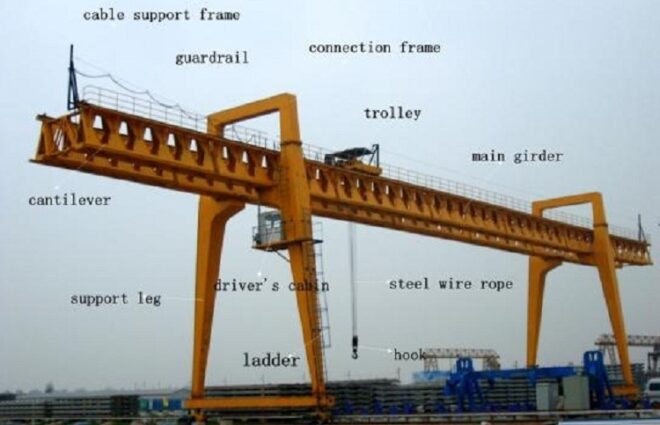
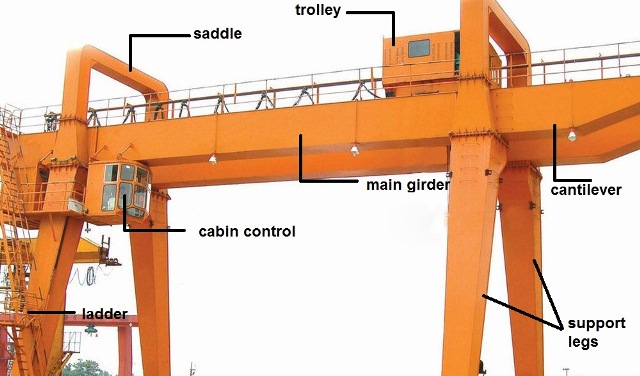
This section briefly describes the main components that constitute a gantry crane.
gantry crane parts name
Main Girder
Together with the supports, it forms the basic structural system of the crane. Its mission is to serve as a platform for the movement of the carriage-hoist unit as well as to support the efforts it receives from it. In addition, it can house the control cabin, various electromechanical systems or access gateways for maintenance.
It is formed by a metallic girder of high dimensions. The main structure of these cranes is basically formed by box type girder in steel sheet with a minimum thickness of 8 mm.
Support Legs
They are responsible for receiving the load transmitted by the beam and channel it to the ground. In addition, like the beam, they can accommodate the cockpit, electromechanical systems and access stairs.
Trolley
It is the structure that supports and houses the components that form the lifting system for cranes equipped with an open winch or to support the hoist for cranes equipped with this type of component.
It can be built as a unit or in sections depending basically on its weight and dimensions.
Its shape, dimensions, and weight are variable since they are designed and built according to the needs of each crane, which vary according to their load capacity and type of service.
The trolley serves as a support for the hoist. It is provided with an electromechanical group that allows it to move along the beam.
Technical Specifications
The end trucks for bridge translation shall be made of structural steel in the shape of a box and resist all combined forces, vertical, lateral, and torsion, caused by live loads, dead loads, impact loads, accidental loads, and dynamic loads caused by the operation of the crane.
The maximum permissible deformation produced in the bridge by the dead weight, the weight of the carriage, and 125% of the nominal static load, shall not exceed 1/8 of the clear.
The impact load should not be considered in this deflection. The carriage must have a counter flex equal to the deflection produced by the dead load plus half of the deflection produced by the live load.
The cars must have lifting points (lifting lugs or eye bolts or similar) to allow easy assembly on site of the work.
Crane hook
The hook and hoist rope is a machine composed of two or more pulleys and a rope, cable or chain that alternatively goes through the various threats of each of those.
They allow lifting a load exerting a force less than the weight that must be moved.
The hoist is the mechanism that allows the vertical displacement of the load taking advantage of the mechanical advantage produced by the action of at least two pulleys. The branches can be chains, when the loads are light, or steel cables.
Technical specifications
The main hook of the crane can be of the type of double peak built-in forged steel, supported by thrust bearings of balls or rollers to allow full rotation around its vertical axis.
The auxiliary hook can be of a single peak (standard) and with the other characteristics pointed for the main hook.
Factory voltage testing of each hook must be performed.
The movement of the auxiliary hook will be independent of the movement of the car and will move along the outer bridge beam near the side walls.
For maintenance purposes of the auxiliary lift, a platform must be provided for this purpose, accessible from the overhead crane.
Both hooks, main and auxiliary must have a mechanical safe The pulley holder must be supplied with the necessary accessories to lubricate the bearings of each of the pulleys.
You must have the provisions to prevent the cable from getting out of the slots. In addition, there must be a system that compensates for any distension of the cables.
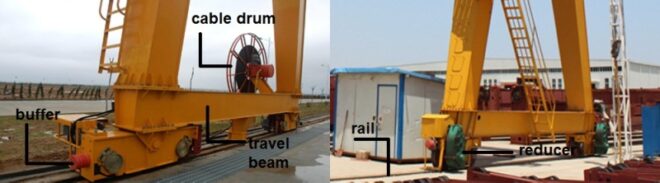
Mechanism of translation
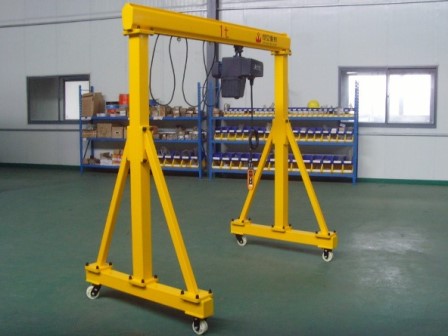
The most common way of translating gantry cranes is through rails or pneumatic wheels. For this reason, the supports support bogies or frames equipped with wheels that are moved by electromechanical groups.
Steel wire rope
The lifting cables must be specifically for the service of cranes; flexible, self-lubricating, improved plow steel (the tensile strength can be between 180 and 200 kgf / mm2), be of 6 strands of 37 threads or 6 strands by 19 threads, with steel core, the design and construction of the cable must comply with what is specified according to technical standards.
The effort produced by the nominal load plus the weight of the rigging of the hook in each of the cables, shall not be greater than 20% of the last effort of the material of the same.
The correct grease for the cable must be supplied by the contractor, within this supply, the necessary amount of grease must be considered for the assembly of the bridge, for two additional re-lubrications during the operation process of the Crane in the assembly of the equipment of the Central and for the first maintenance of the Crane.
Gantry crane port
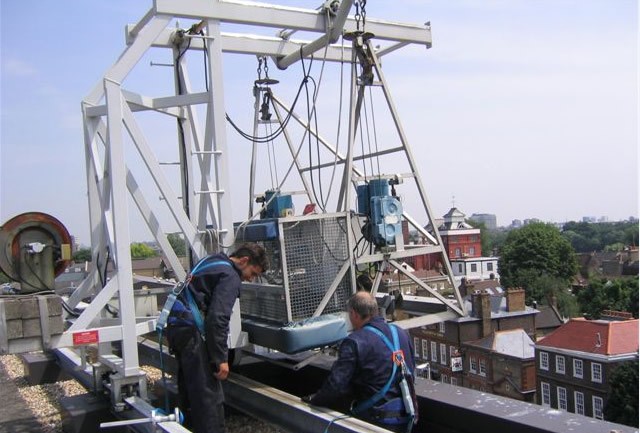
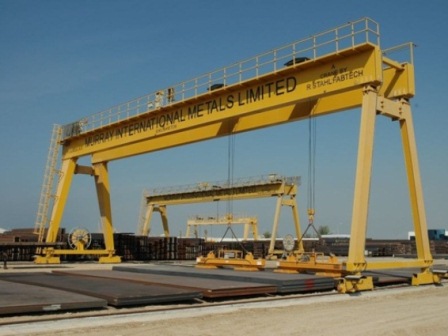
When it comes to lifting specialization, gantry cranes deliver. From one-ton indoor single-leg workstation gantries to massive 1,000-ton double-leg rail-mounted gantries found in shipyards, coker units, concrete yards, mining operations, and steel storage yards, gantry cranes provide unmatched lifting versatility.
What are gantry cranes used for?
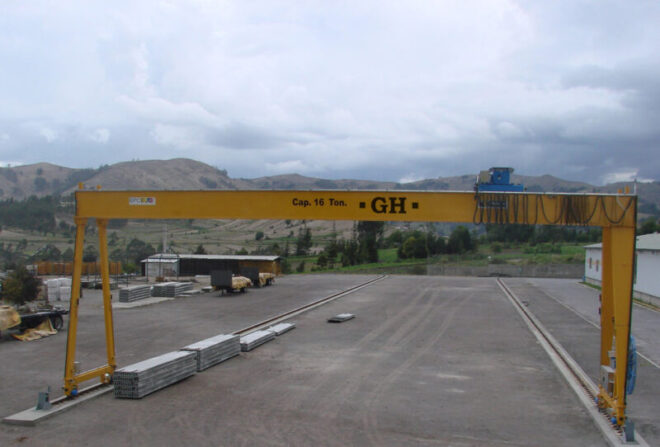
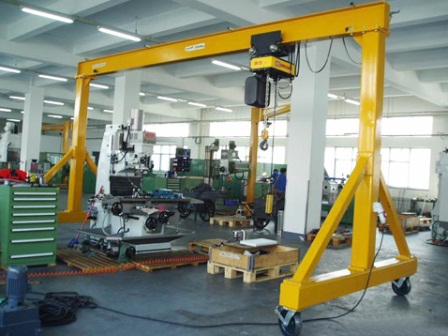
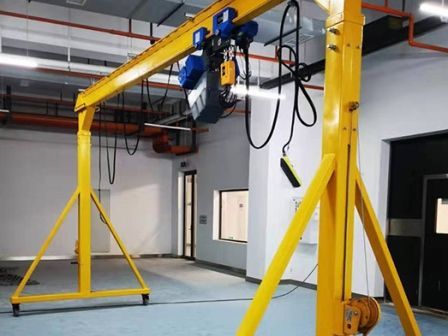
A gantry crane is a crane built atop a gantry, which is a structure used to straddle an object or workspace. They can range from enormous “full” gantry cranes, capable of lifting some of the heaviest loads in the world, to small shop cranes, used for tasks such as lifting automobile engines out of vehicles.
How does a gantry crane work?
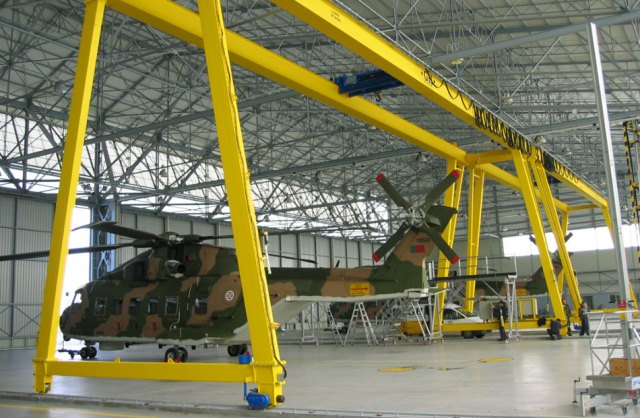
Basically, gantry hoists are used to move lengthy and bulky objects and are typically taken advantage of at industrial warehouses of a large area or open construction sites. Gantry hoist construction is in demand in hangars and workshops of enterprises engaged in the production of concrete products, and freight yards. In addition, the cranes are widely used to perform a variety of cargo handling, lifting, and installation work on container platforms of railway junctions.
What is the difference between a gantry crane and an overhead crane?
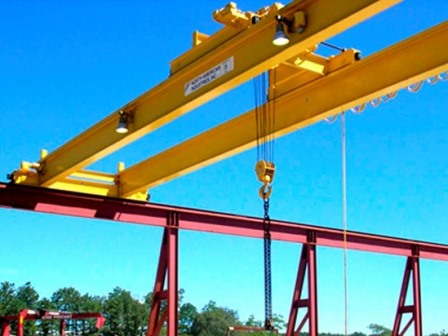
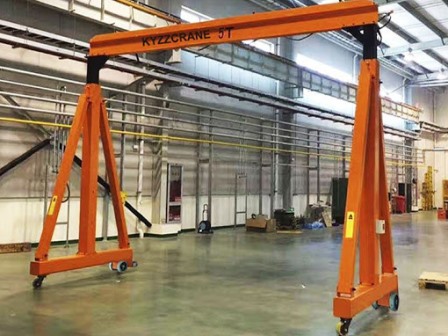
A gantry crane is slightly different from a bridge crane. The general premise is the same, but the operation is different. Gantry cranes have a bridge that is supported by two a-frame rigid steel legs that rest on the floor. The Overhead crane operates on an elevated runway system along the length of a building. Gantry cranes are usually less expensive than an overhead bridge crane.
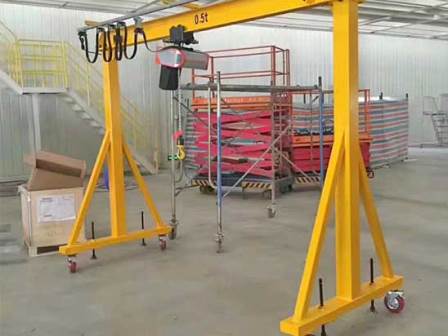
Reach all corners of your plant. Lift and move materials, or use for pulling motors, equipment, and other heavy machinery. Quick disassembly for transport by a service truck.
In Mega Millions, you can win a prize by matching as few as one number. Here’s a breakdown of the minimum numbers you need to match to win various prizes:
Jackpot: All 5 white balls + the Mega Ball (6 numbers total)
Second Prize: All 5 white balls (5 numbers)
Third Prize: 4 white balls + the Mega Ball (5 numbers)
Fourth Prize: 4 white balls (4 numbers)
Fifth Prize: 3 white balls + the Mega Ball (4 numbers)
Sixth Prize: 3 white balls (3 numbers)
Seventh Prize: 2 white balls + the Mega Ball (3 numbers)
Eighth Prize: 1 white ball + the Mega Ball (2 numbers)
Ninth Prize: Just the Mega Ball (1 number)
So, at minimum, you need to match only the Mega Ball to win the smallest prize of $2 (which essentially recoups the cost of your ticket).
Remember, the more numbers you match, the higher the prize. The specific prize amounts for each tier can vary based on the number of winners and the current jackpot size, except for the fixed prizes in the lower tiers.
What are the different ways to win Mega Millions?
There are nine different ways to win a prize in Mega Millions, corresponding to the different possible number combinations you can match. Here’s a detailed breakdown of each winning combination:
Jackpot: Match all 5 white balls + Mega Ball. Prize: Jackpot (starts at $20 million, grows until won)
Second Prize: Match all 5 white balls (no Mega Ball) Prize: $1,000,000
Third Prize: Match 4 white balls + Mega Ball Prize: $10,000
Fourth Prize: Match 4 white balls (no Mega Ball) Prize: $500
Fifth Prize: Match 3 white balls + Mega Ball Prize: $200
Sixth Prize: Match 3 white balls (no Mega Ball) Prize: $10
Seventh Prize: Match 2 white balls + Mega Ball Prize: $10
Eighth Prize: Match 1 white ball + Mega Ball Prize: $4
Ninth Prize: Match only the Mega Ball Prize: $2
Remember that if you add the Megaplier option (for an extra $1 per play), you can multiply non-jackpot prizes by 2, 3, 4, or 5 times. The Megaplier is randomly selected before each drawing.
These prize tiers are designed to provide multiple ways to win, even if you don’t match all the numbers. However, the odds of winning decrease significantly for the larger prizes, with the jackpot being the most difficult to win.
How much is the mega million?
The Mega Millions jackpot varies from drawing to drawing, as it grows when no one wins the jackpot and resets when someone does win.
Here’s what I can tell you about how the Mega Millions jackpot works:
Starting amount: The jackpot starts at a minimum of $20 million.
Roll-over: If no one wins the jackpot in a drawing, the prize money rolls over to the next drawing, increasing the jackpot.
No cap: There’s no cap on how high the jackpot can grow.
Record: The highest Mega Millions jackpot in history was $1.537 billion, won on October 23, 2018.
To get the current Mega Millions jackpot amount, you would need to check one of these sources:
The official Mega Millions website
Your local lottery retailer
Local news or lottery results broadcasts
Remember, the jackpot amount can change rapidly, especially when it grows to a large sum, as more people tend to buy tickets, increasing the likelihood of a win.
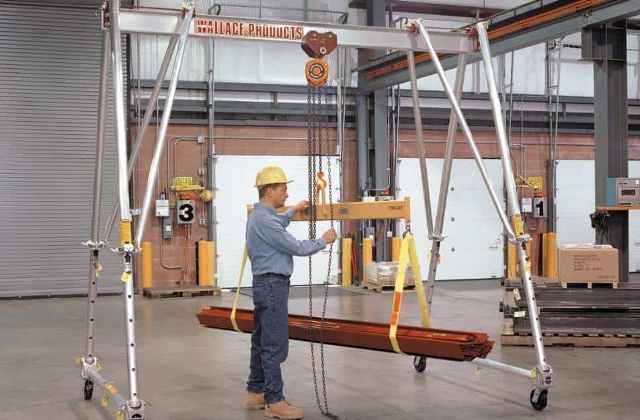
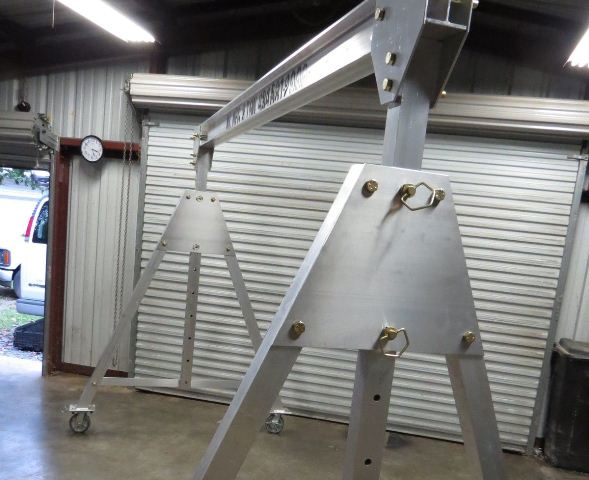
Portable Aluminum Gantry Crane: Made from lightweight extruded materials, the components of the adjustable height aluminum gantry crane are easily lifted by one person. This provides cost-effective shipment to a job site and allows for ease of use in a multitude of work areas.
Starting as light as 116 pounds, Aluminum Gantry Cranes are lightweight, portable, and extremely stable under load.
These All-Aluminum Gantries quickly assemble and disassemble, making them popular with contractors who need highly mobile lift equipment that they can take in their service trucks.
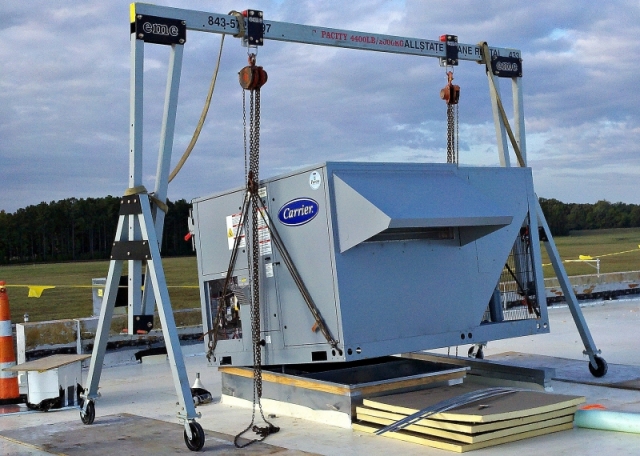
Just one or two workers can typically move a disassembled crane up stairways, onto roofs, or in other challenging locations. When on location, the gantry cranes are rapidly assembled, ready to lift, and able to position heavy objects precisely, such as bulky HVAC units.
Because they are corrosion-resistant, aluminum gantries are also ideal for refrigerated areas and other controlled environments, making them increasingly popular with HVAC contractors.
Portable Aluminum Gantry Crane
Aluminum gantry crane
Features of aluminum Gantry cranes.
Crane Height Adjustments: Adjusting in 6-inch increments, height adjustment kits use spring-loaded steel locking pins that automatically engage when height positioning holes are reached; adjust heights for specific lifts, uneven floors, or to move through doorways
Adjustable Spans: Standard on aluminum cranes, adjustable spans are optional on steel cranes; adjustable spans allow the crane to be shortened for transport down narrow aisles
Heavy-Duty Casters: Four-position, swivel-lock casters with molded polyurethane wheels provide excellent floor protection
Portable Aluminum Gantry Crane
Crane Design
Cranes are designed in conformance with the following applicable standards.
Fabrication Standards:
All welding performed during the manufacturing of cranes meets the following American Welding Society’s (AWS) standards.
This certification means that not only are all welders AWS Certified, but all processes and procedures adhere to AWS CWF requirements.
Examples of requirements include the annual calibration of all welding machines and Level 2 visual inspections on all load-bearing components.
Crane painting
Surface Preparation & Painting Procedures:
Prior to painting, all crane components are deburred and descaled using power tools equipped with sanding discs and wire wheels.
Components are then washed utilizing a high-pressure/high-temperature biodegradable degreaser solution.
Parts are wiped clean and allowed to dry before the painting process.
During painting, all components surfaces are coated with a quick drying, semi-gloss enamel, applied to a minimum dry film thickness of 2 to 3 mils.
A finishing coat is applied with a hot, airless, electrostatic spray paint system.
Painted components are cured at air temperature.
Portable Aluminum Gantry Crane
Gantry crane safety
Aluminum Gantry Crane:
Inspect the entire system annually or more frequently.
Inspection must be performed by a qualified person. Failure to do so may cause serious injury or death.
This equipment, used as a crane, is not in any way designed for lifting, supporting, or transporting humans.
Failure to follow specified load limitations can result in serious bodily injury or death.
Inspect gantry for missing or broken parts before operating. Ensure the rated capacity is clearly labeled on each side of the I-beam.
Gantry crane safety checklist
Aluminum Gantry Crane:
Do not lift more than the rated capacity.
Do not adjust the height or disassemble crane when gantry is under load.
Do not load gantry on an incline.
Do not push or pull gantry with a forklift or other vehicle.
Do not allow the load to swing or roll against support members.
Do not anchor legs to the floor.
Do not lift gantry when fully assembled.
Push the gantry, not the load.
When moving gantry, keep the load as close to the floor as possible and position the load in the center of the I-beam.
Be certain the load is directly beneath the beam before the load is lifted. Do not pull sideways on the crane.
Ensure the load is not attached to the floor and remove any obstacles that impede lifting.
Secure trolley and hoist in the center of the I-beam when adjusting the height.
Adjustments and/or repairs should be made in an area where it will have the least interference with operation.
To prevent the trolley from running off the I-beam, do not use without end stops bolted in place.
Never stand under gantry when adjusting the height or disassembling crane.
When moving the legs inward, the distance between the A-frames should never be less than the caster frame width and never less than half the total I-beam length.
Portable Aluminum Gantry Crane
Adjustable gantry crane
The Adjustable Height Aluminum Gantry Cranes combine lightweight and rigid construction into one unit.
The all aluminum construction of this gantry crane makes it corrosion resistant and perfect for outdoor use.
The lightweight I-beam allows height adjustment without the need for a hoist or fork truck.
Features quick setup design. Included are two (2) straps, allowing transport of the gantry crane in one neat package.
Facilitate easy mobility from one area to another with four (4) 8″ glass filled swivel casters with four-position locks on the 2,000 and 4,000 lb. capacity models, while utilizing phenolic casters on the 6,000 lb. capacity units.
Height is adjustable in 6″ increments. Do not move units while loaded. Hoist and trolley can be ordered separately.
Portable gantry crane
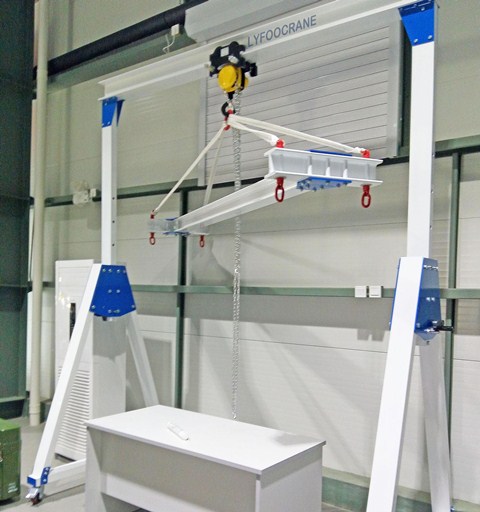
The Fixed Height Aluminum Gantry Cranes are ideal for a variety of industries including maintenance and production. The aluminum design is easily manageable and can be simply assembled for immediate use.
Fixed height is perfect for working in a permanent or semi-permanent environment where the surrounding seldom changes. Casters provide a smooth way to transfer units when unloaded and if changing locations is needed.
Four (4) 8″ swivel casters with four position locks (2K-4K models have glass filled nylon casters, 6K models have phenolic casters. Strong construction allows for long-lasting strength through the harshest of environments.
The Adjustable Height Aluminum Gantry Crane with pneumatic casters are ideal for the manufacturing and maintenance facilities. The aluminum construction is lightweight, yet strong for long lasting durability through the harshest of environments.
The pneumatic casters allow the user to quietly move the crane from workstation to workstation and smoothly roll over rough surfaces, while not marring. The four-way locking pneumatic casters permit the user to place the crane in preferred transporting and stationary positions. Do not move units while loaded. The uniform capacity is 1,500 pounds.
Portable Aluminum Gantry Crane
Mobile gantry crane
Ergonomic Partners:
The adjustable height ensures a single ergonomic lifting solution for low headroom areas and a wider lift range in other areas. A simple set up and break down allows the aluminum gantry cranes to be collapsed and stored when not in use. Made from lightweight aluminum, the components of the gantry crane are easily set up and assembled by two people. This allows the crane to be shipped easily to a job site and even carried up a ladder or staircase to a rooftop work area.
Gantry crane Design
Contrary to popular belief, aluminum gantry cranes are quite stable under load, and perfectly capable of lifting heavy loads and positioning them with precision and efficiency. These cranes are made from extruded high-strength aluminum alloy, making them extremely strong and resilient.
About lateral bracing and durability in regard to our aluminum gantries, it’s important to note that they’re designed for stable lift and movement.
That’s because all loads are lifted directly under the I-beam (no sideloading), and carefully designed following the standards set by the CMAA and OSHA.
Furthermore, each aluminum gantry crane receives an initial load test of 125 percent to ensure quality and safety—including lateral bracing.
Because of their portability and durability, aluminum gantry cranes are often used for HVAC applications.
HVAC applications require a portable overhead crane system that can be easily transported up stairways, onto roofs, and in other challenging locations.
Once the crane is positioned, it’s capable of lifting very heavy HVAC units, and it’s lightweight design allows one worker to move the crane under load quickly and easily.
Although they come with heavy-duty, four-position, swivel-lock casters with mold-on polyurethane wheels, they can also be fitted with pneumatic tires, which are perfect for soft roofs or fragile ground.
Standard aluminum profiles
A standard all-aluminum gantry crane can actually lift loads up to three tons. Their height adjusts in six-inch increments (up to 12 feet) using spring-loaded steel locking pins that automatically engage when height positioning holes are reached.
This is extremely useful for specific lifts, uneven floors, or facilities with many obstacles. These systems also provide span adjustability (up to 20 feet) for transport through narrow aisles or to increase coverage as needed.
Best of all, despite their heavy lifting and durability, these gantry cranes are extremely portable. In fact, a one-ton aluminum gantry crane can be as light as 116 pounds.
Compared to an all-steel model, most aluminum gantry cranes weigh less than half as much.
Standard aluminum extrusions
For example, a two-ton aluminum gantry crane with a 10-foot overall span weighs around 274 pounds, whereas a two-ton steel gantry crane with the same span can weigh as much as 700 pounds.
Aluminum gantry cranes are not only durable and lightweight, but they’re also quickly and easily assembled and disassembled, which makes them popular with contractors who need to carry their lift equipment in service trucks from one job to another.
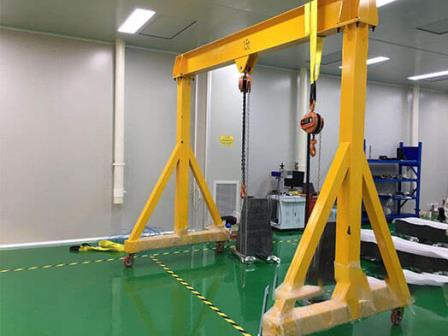
Because aluminum is corrosion-resistant, they’re also ideal for refrigerated areas, clean rooms, and other controlled environments.
With a myriad of unique features, options, and accessories, aluminum gantry cranes are a great solution for cost-efficiency, heavy lifting, portability, and flexibility.
Aluminum gantry crane for sale
Below you will find our complete line of gantry cranes and accessories. All steel and aluminum portable gantry cranes are easy to assemble:
Portable Aluminum Gantry Crane
what is aluminum gantry cranes?
Aluminum Gantry Cranes are lightweight, portable, and extremely stable under load. These All-Aluminum Gantries quickly assemble and disassemble, making them popular with contractors who need highly mobile lift equipment that they can take in their service trucks.
What is a gantry crane used for?
A gantry crane is a type of overhead crane that is similar to a bridge crane, but instead of moving on suspended runways, the crane uses legs to support the bridge, trolley, and hoist. These legs travel on tires or on rails that are embedded in the floor or ground structure
How much does an aluminum gantry crane weigh?
Aluminum Gantry Cranes: Weigh as little as 116 pounds, making them ideal for fast crane relocation.
How does a gantry crane work?
A true to type gantry crane consists of a single-girder (without brackets and one or two consoles), two metal poles and a moving hoist or trolley.
What is an A-frame crane?
A-Frame gantries are a crane used for industrial lifting. It is a type of crane that is not fixed to the structure of a building in the way that overhead gantry cranes are.
What is the difference between a gantry crane and overhead crane?
A gantry crane is slightly different from a bridge crane. The general premise is the same, but the operation is different. Some gantry cranes ride along a track installed on the floor or use a V-groove caster to keep moving in a straight line. Gantry cranes are usually less expensive than an overhead bridge crane.
As a special series of lifting equipment, there are different types of gantry cranes. The classification of the gantry cranes can be listed according to several factors.